




Image Source: https://images.pexels.com/photos/7937748/pexels-photo-7937748.jpeg
For many Overseas Filipino Workers (OFWs), purchasing property in the Philippines represents an opportunity to build wealth, establish a future home, and create another source of income. With different real estate properties and investment opportunities available, choosing where and how to invest requires careful consideration. A connected community with access to essential establishments, employment centres, and developing infrastructure can offer attractive prospects for long-term ownership.
Still, real estate investment for OFWs requires more than selecting a promising location. Buyers must evaluate property value, developer credibility, financing arrangements, and the practical demands of owning property from overseas. Here are 10 important things to consider before making a purchase in 2026.
Strategically Located and Accessible Real Estate Investment for OFWs
Location influences property demand, accessibility, and potential appreciation. For an overseas real estate investor, choosing a community with established commercial activity and access to essential services can support both residential use and future investment opportunities.
Proximity to Business Districts and Commercial Centres
Look for real estate near business districts, office buildings, schools, hospitals, shopping centres, and other establishments. These destinations generate business activity and employment opportunities, creating demand for nearby houses and rental properties. Accessibility to highways, public transportation, and transport terminals also makes a location more attractive to prospective tenants and buyers.
Infrastructure Development and Future Growth
New infrastructure, including roads, transport connections, and commercial developments, can influence the growth of emerging provincial locations. Many investors are considering areas beyond Metro Manila where expanding economic activity may support future property demand. Research planned infrastructure projects and their actual development status before factoring potential appreciation into an investment strategy.
Location and the Value of Connected Communities
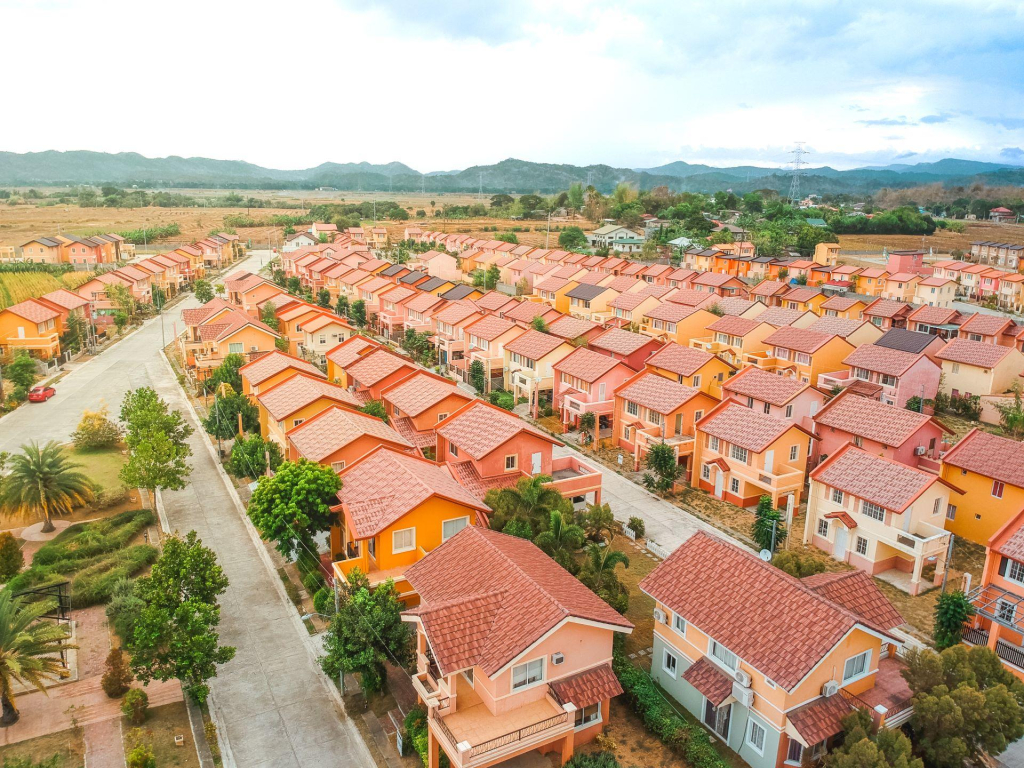
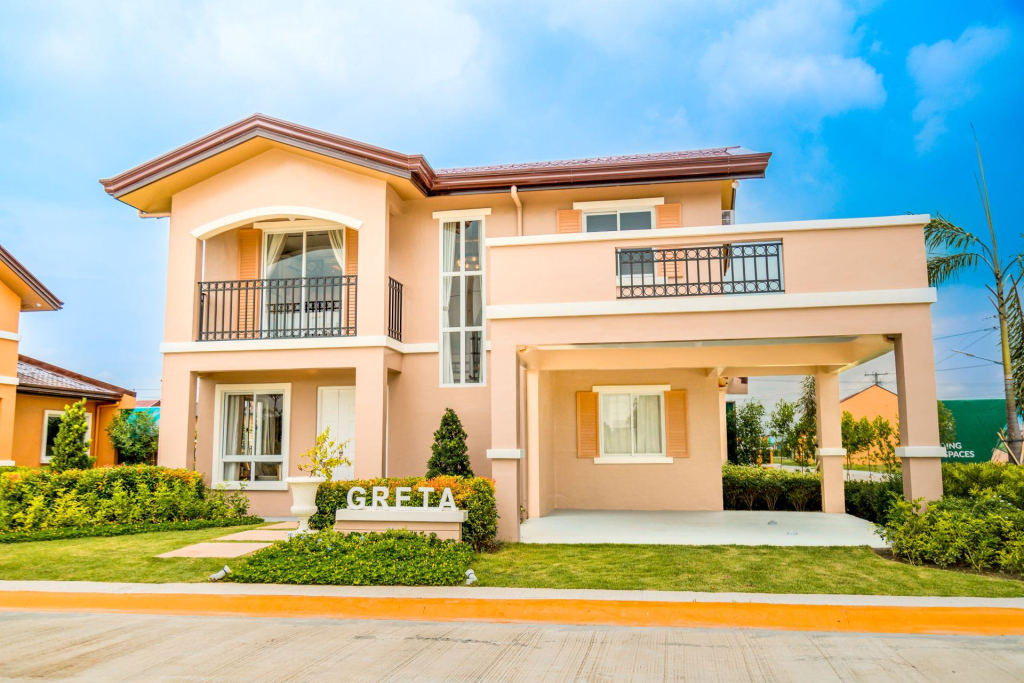
Connected communities combine residential spaces with access to everyday necessities and lifestyle amenities. Camella Savannah Iloilo, situated within the larger Georgia estate spanning Oton, Pavia, and San Miguel, offers access to Vista Mall Iloilo, nearby educational institutions, healthcare facilities, and transport connections. Its swimming pool, clubhouse, parks, and sports facilities also contribute to its residential appeal.
Developer Reputation and Real Estate Project Quality
A property’s long-term value also depends on the company responsible for its development. Working with a reputable developer can help reduce construction and delivery risks, particularly when overseas buyers cannot regularly inspect their investment.
Track Record, Accreditation, and Regulatory Compliance
Review the developer’s completed real estate projects, delivery history, and existing developments. Verify its credentials and the project’s required registrations and License to Sell through the Department of Human Settlements and Urban Development (DHSUD). Work with licensed real estate professionals who can explain the purchase process and relevant documentation.
Construction Quality and Community Planning
Examine construction materials, house designs, residential layouts, and shared infrastructure. Consider whether the development has functional roads, drainage, utilities, and properly planned amenities. The quality of construction and community planning can influence maintenance requirements and the property’s appeal to future homeowners.
Long-Term Development and Property Support
Ask about maintenance arrangements, community administration, and available property management services. Understand which responsibilities fall under the developer, homeowners’ association, and individual property owners. These arrangements matter when evaluating the condition and upkeep of real estate over time.
Property Value, Real Estate Valuation, and Potential Appreciation
A competitive purchase price does not automatically make a property a good investment. Buyers must understand how real estate valuation works and compare the asking price with the property’s actual market value and potential resale demand.
Comparing Purchase Price, Market Value, and Market Conditions
Compare real estate prices with similar properties in the same location. Examine comparable transactions, property features, lot sizes, floor areas, and accessibility before deciding whether the purchase price represents reasonable value. Prevailing market conditions and demand can affect how quickly a property sells and the price it can command.
Assessing Potential Appreciation and Resale Value
Consider the area’s economic activity, infrastructure development, and future residential demand. These factors may contribute to potential appreciation, although property values can also stagnate or decline. A longer-term investment should be supported by verifiable information rather than promotional projections or introductory prices.
Image source: nastyazhi| magnific
Rental Demand and Income Potential
For buyers planning to lease their property, rental demand determines whether the investment can generate sustainable income. Before purchasing a rental property, examine the local market, prospective tenants, and realistic rental rates.
Understanding the Local Rental Market
Properties near business districts, universities, hospitals, and employment centres may attract professionals, students, and families. Research competing properties, prevailing rent, and occupancy levels to determine whether there is sufficient demand. High demand in a particular area does not guarantee that every property will attract tenants.
Calculating Rental Income and Cash Flow
Estimate rental income against mortgage payments and recurring ownership costs. Include property taxes, association dues, maintenance, insurance, and potential vacancies when calculating cash flow. The remaining amount represents a more realistic picture of potential ordinary income and profit than the advertised monthly rent alone.
Financing Options and Home Loan Affordability
Understanding financing options before committing to a purchase helps OFWs protect their savings and avoid excessive debt. The right home loan should accommodate their income, existing financial responsibilities, and intended investment timeline.
Exploring Home Loans for OFWs
Philippine banks and other financial institutions offer housing loan products that eligible overseas workers can explore. Pag-IBIG Fund also accepts OFW housing loan applications subject to its eligibility and documentary requirements. Compare interest rates, loan terms, required income documents, and repayment conditions before selecting a bank or financing provider.
Preparing the Down Payment and Purchase Costs
A 20% down payment is a commonly used planning benchmark, although actual requirements vary by lender, property, and financing arrangement. Include transfer fees, taxes, processing expenses, and other real estate transaction costs in the budget. Association dues and recurring property taxes should also be considered.
Protecting Financial Stability
Determine whether your money and savings can cover mortgage payments even when the property is vacant. Avoid using your entire emergency fund for the initial purchase. A manageable financing commitment provides room for unexpected expenses and other financial priorities.

Image source: sameerapriyasanka89 | Magnific
Real Estate Investing Strategy and Suitable Property Types
The appropriate real estate investment strategy depends on financial goals, available capital, and willingness to manage risk. Before choosing a property, determine whether the priority is rental income, capital appreciation, personal use, or portfolio diversification.
Choosing Between Residential and Commercial Properties
Residential property types include houses, condos, and townhouses, while commercial properties include retail spaces and office buildings. Industrial real estate, such as warehouses and factories, offers another investment category. Land investments may also provide opportunities for future residential or commercial development.
Comparing Real Estate Investment Strategies
Several approaches are worth considering:
- Buy-and-lease: Purchase residential properties in locations with established rental demand.
- Buy-and-hold: Retain property for potential appreciation over an extended period.
- Pre-selling: Purchase during the development stage, potentially benefiting from introductory prices and flexible payment arrangements. Account for construction delays and completion risks.
- Land banking: Acquire titled residential lots in master-planned communities and hold them for future development or resale.
- House flipping: Purchase, renovate, and sell properties. This approach requires substantial experience in real estate valuation and renovation costs.
Building a Five-Year Investment Plan
Define the purpose of your first property and establish realistic financial targets. A five-year plan can help determine when to start investing, how much financing to undertake, and when to add real estate to an existing portfolio. Choose an investment timeline that matches your capacity rather than following the decisions of other investors.
Community Amenities and Long-Term Livability
A community’s amenities influence its appeal to homeowners and prospective tenants. Evaluate whether its facilities, essential services, and shared spaces support comfortable everyday living and sustained residential demand.
Essential Amenities and Shared Facilities
Look for parks, playgrounds, swimming pools, recreational areas, and retail establishments. Security measures and accessible community facilities also contribute to residential appeal. Nearby schools and healthcare facilities provide additional convenience for families.
Infrastructure and Everyday Accessibility
Examine internal roads, drainage systems, utilities, and pedestrian access. Well-maintained shared facilities and reliable infrastructure contribute to the overall quality of the development. These features can influence a property’s attractiveness to potential residents.
Livability and Long-Term Residential Demand
Consider whether the community accommodates different household needs and lifestyles. Accessible amenities may help attract long-term residents and support demand when you eventually decide to sell or lease the property.

Image source: rawintanpin | Magnific
Remote Property Management and Real Estate Operations
Owning property overseas requires a dependable local operating system. Effective property management helps protect the investment after purchase by ensuring that administrative responsibilities, tenant concerns, and maintenance requirements are handled properly.
Establishing Reliable Local Representation
Identify trusted relatives, lawyers, or professional property managers who can oversee local responsibilities. Establish written agreements covering rent collection, tenant screening, lease administration, management fees, and maintenance coordination. A properly authorized representative can also handle specific real estate transactions on your behalf.
Using Digital Tools for Remote Property Monitoring
Virtual tours and digital viewing tools help OFWs assess properties before travelling to the Philippines. Online payment systems, digital records, and regular inspection reports can simplify remote operations. Establish clear reporting procedures so you can monitor property conditions, rental collections, and maintenance requests without frequent visits.
Legal Requirements and Due Diligence for Real Estate Transactions
Overseas buyers must understand the legal requirements involved in Philippine property purchases. A structured due diligence process helps identify potential problems and supports informed decisions before money changes hands.
Verifying Property Ownership and Developer Credentials
Check the property’s title, ownership records, permits, and outstanding obligations. Verify the developer’s credentials and the project’s DHSUD registration and License to Sell. Consult qualified professionals rather than relying exclusively on documents supplied by sales representatives.
Understanding Contracts and Remote Transactions
Review purchase agreements, payment schedules, loan terms, and turnover conditions. If a relative or lawyer will represent you, arrange a properly notarized Special Power of Attorney (SPA) that clearly identifies the authorized responsibilities. Understand the legal implications before authorizing anyone to sign documents or complete transactions.
Conducting Independent Property Inspections
Arrange an actual property inspection through a trusted representative. Check construction quality, utilities, drainage, and the condition of shared facilities. Independent legal and technical assessments can help identify concerns that may otherwise create additional costs.
Alternative Real Estate Investment Opportunities Beyond Direct Property Ownership
Direct property ownership is not the only way to participate in the real estate market. Other estate investment opportunities allow investors to access property-related income and potential appreciation without purchasing an entire building or residential unit.
Real Estate Investment Trusts for Smaller Investors
Real estate investment trusts (REITs) allow investors to purchase shares in companies that own income-generating properties. These may include shopping centres, office buildings, hospitals, and warehouses. Investors can receive dividends from distributable income without directly managing tenants or physical assets.
The Philippine Stock Exchange provides access to listed REITs through accredited stockbrokers. The initial investment depends on the share price and applicable board lot, so there is no universal minimum of $100. REITs offer an accessible way to participate in real estate investing, although share prices and dividend income can fluctuate.
Real Estate Crowdfunding and Collective Investments
Crowdfunding platforms allow multiple investors to contribute money toward real estate projects, with investment amounts ranging from $500 to $25,000, depending on the platform and offering. Minimum contributions, fees, and investment periods vary. Review regulatory compliance, liquidity restrictions, and potential losses before participating. These investments can carry high risk, particularly when the underlying project experiences delays or financial difficulties.
Add Real Estate in Your Investment Portfolio
Compare direct ownership, REITs, crowdfunding, and land banking based on capital requirements, liquidity, potential returns, and management responsibilities. Many investors use different investment vehicles to diversify their portfolio rather than concentrating their money in one asset. Select opportunities that complement your financial goals and risk tolerance.
Key Takeaways for OFWs Investing in Real Estate in 2026
Investing in real estate in the Philippines can provide opportunities to generate income, diversify investments, and build long-term wealth. Success depends on careful planning, reliable information, and realistic expectations about costs and returns.
Before making a purchase, evaluate the location, developer, property value, financing arrangements, and management requirements. Whether you choose direct ownership or alternative investment opportunities, base your decisions on verified numbers and genuine market demand.
The goal is to find an investment that supports your financial future while remaining manageable, even when you are thousands of kilometres away.