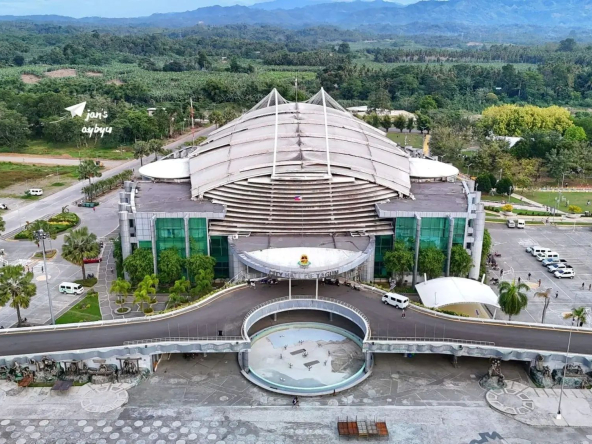




Living in Bay Laguna suits families who want open space, a lake nearby, and a cost of living lower than Metro Manila’s. The town sits roughly 67 kilometers southeast of Manila, far enough to feel like a separate place and close enough for a day trip to the city. Its peaceful, rustic charm comes through in the greenery, the lakeside setting, and tilapia fresh from the water. For families who want a slower pace of life, Bay offers a community where neighbors still know one another.
Living in Bay, Laguna
Bay is a lakeshore town, and its position shapes much of daily life.
The municipality is located near the shores of Laguna de Bay, the country’s largest freshwater lake, which takes its name from the town. Situated in Laguna province, it covers 42.66 square kilometers, or about 16.47 square miles. Los Baños lies along its western border, Calauan to the east, and Alaminos to the southeast, while the town sits northeast of Santo Tomas in Batangas. Manila lies to the northwest across the lake. The municipal government operates from the Joaquin Chipeco Jr. Building, and Bay is one of the local government units that handles its own services while coordinating with the provincial office in Santa Cruz, the provincial capital.
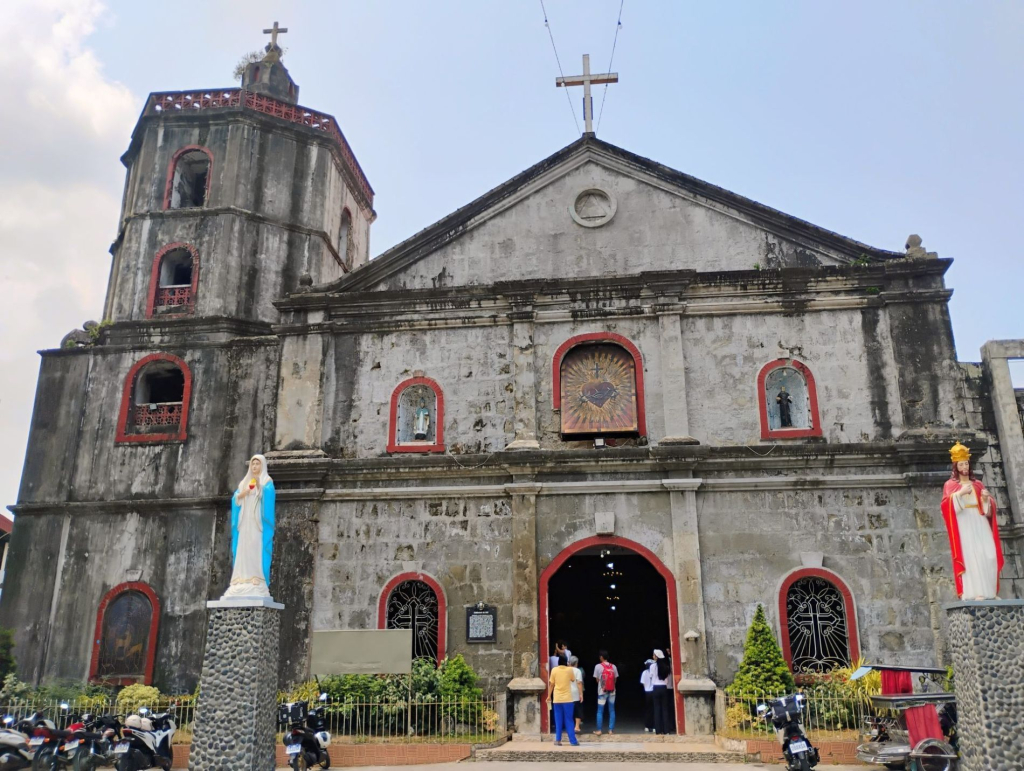
History explains some of the town’s identity. Bay is among the oldest settlements in Laguna and served as the province’s first capital after Juan de Salcedo arrived in the 1500s, and the lake takes its name from the town. Today it carries a different title, the Garden Capital of Laguna, which fits a place where open spaces and greenery still define many neighborhoods. The lakeshore gives the town a moderately humid climate, so ventilation matters when choosing a house.
Compared with major urban centers, Bay remains less urbanized. For many residents, that is the appeal: wider streets, more greenery, and nature within walking distance of many homes.
Population and neighborhoods
Bay is growing steadily, and the numbers point to a town of young families.
The latest census figures commonly cited for Bay, from the Philippine Statistics Authority’s 2020 count, put the total population at 67,182. A newer 2024 census may show a higher number. The previous population, recorded in 2015, was 62,143, an increase of about 5,000 residents in five years. The 2015 count also showed that children aged 5 to 9 formed the largest age group. Bay’s demographics include a growing number of families and professionals, which gives the town a steady base of customers for schools, markets, and local services.
The town’s 15 barangays, the smallest local units and often called villages, vary significantly in amenities and accessibility. Barangays along the main roads are the most accessible, with stores and transport close by, while those farther toward the lake or the interior depend more on tricycles. Traditional neighborhoods of long-time families sit alongside modern residential subdivisions, and several residential developments now include modern amenities for families.
Getting around Bay
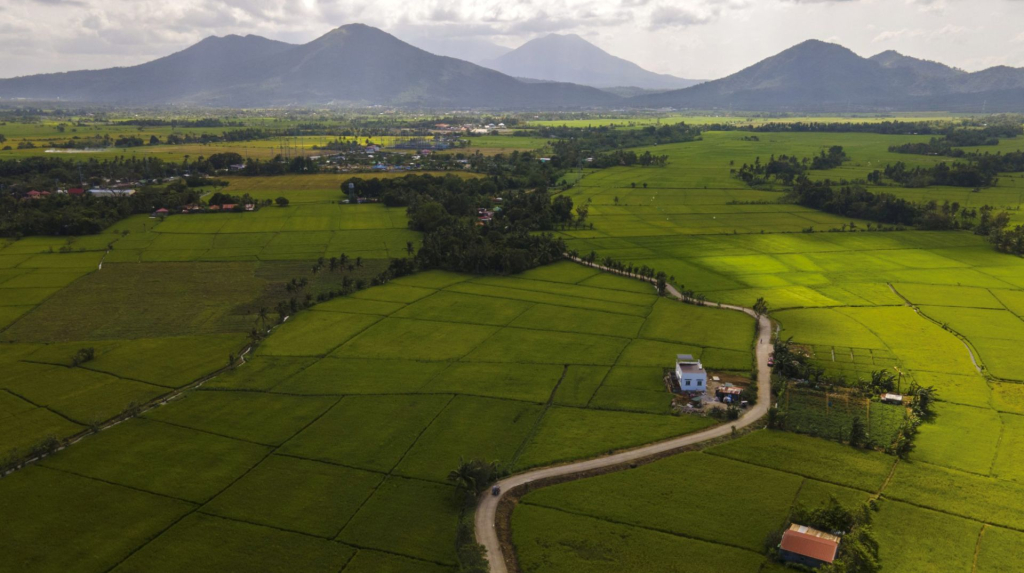
Roads connect Bay to the major highways, which keeps regional travel manageable without a private car.
The Pan-Philippine Highway and the road corridor known as Manila South Road link the town to Los Baños and to routes toward Metro Manila. Transportation primarily consists of jeepneys, tricycles, and local buses, each covering a different part of the trip. Schedules below are as commonly reported and can change, so confirm them locally:
- Buses: Operating from 5 AM to 7 PM along the RP-Japan National Highway.
- Jeepneys: Can be hailed along the Pan-Philippine Highway. The SNODLOB TS-MPC Jubileeville-UPLB route operates from 5 AM to 8 PM.
- Tricycles: Can be hired at terminals near the public market and cover the last stretch into the barangays.
Jeepney routes run less frequently at night, so evening trips home need planning. Because buses and jeepneys start at 5 AM, a morning commute to Los Baños or beyond is workable. Additionally, newcomers should ask neighbors which jeepney route goes straight to their destination before committing to a daily commute.
Markets, health care, and private and public schools
Most daily needs can be met within town, though larger purchases take a trip out.
Traditional markets provide daily essentials, from fresh vegetables to fish, and the town’s cost of living is generally lower than in Metro Manila. Prices for basic goods stay affordable, which stretches a household budget. Major shopping for non-essential items, such as appliances or furniture, typically requires travel to neighboring towns.
Residents can access health services through local health units and nearby hospitals. For education, the Bay Schools District Office oversees all public schools in the municipality, and families can also find private options in and around town. Bay is near academic institutions like the University of the Philippines Los Baños, which adds to the choices for college-bound children. Many families weigh private and public schools by travel time as much as by tuition, since a school located a short tricycle ride away simplifies mornings.
The local economy and Garden Capital identity
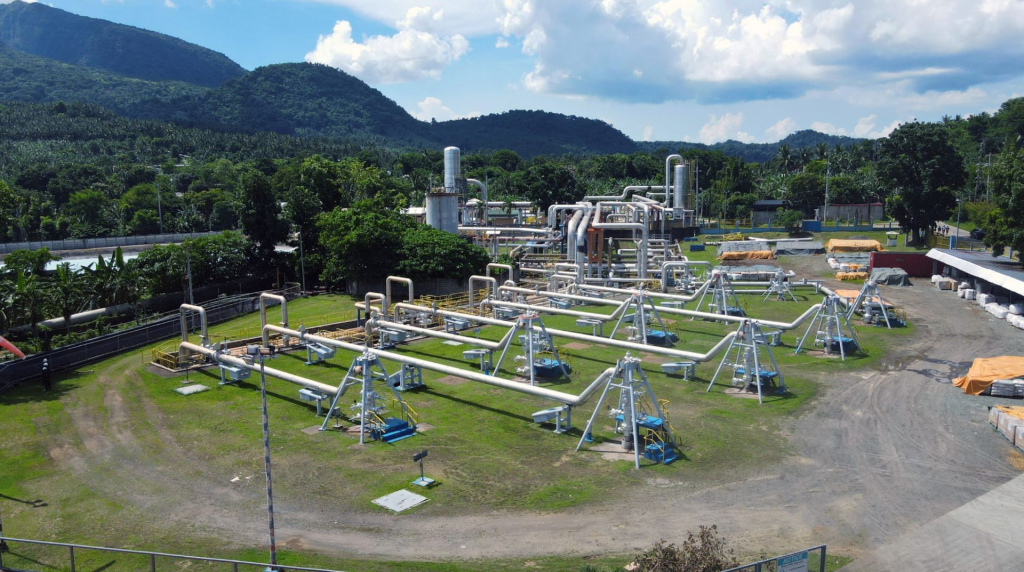
Bay’s economy mixes fishing, farming, and small trade, and over the course of a year the lake sets much of its activities.
Aquaculture is a major industry, especially tilapia raised in the lake, and the fish appears at the table in dishes such as sinugno, grilled tilapia simmered in coconut milk. Another local specialty is a bread known as Monay Bae. The town’s commercial development has been increasing gradually despite its agricultural base, and local businesses, from feed suppliers to bakeries and sari-sari stores, contribute to the community.
For a family, this means jobs and services exist close to home, though a career in a larger industry may still require commuting.
Community life, festivals, and the outdoors
Bay is a tight-knit town with a strong cultural heritage, and its calendar shows it.
Local celebrations such as Fiesta Bayeña, which honors patron Saint Augustine, and the Tilapia Festival bring neighbors together. Community-oriented initiatives are common, fostering neighborly relations through barangay events, sports leagues on the covered basketball court, and church activities. The community is also involved in local environmental advocacy and cooperative groups, which matters in a town that depends on a healthy lake.
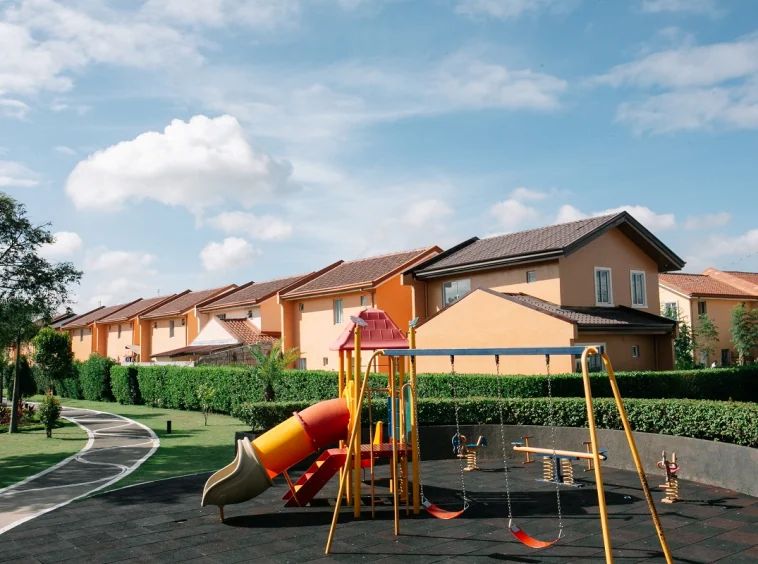
Residents enjoy access to outdoor recreational activities and eco-tourism spots, and the open spaces around the town give children room to play outdoors. Weekends here center on the lake, gardens, and shared spaces, with malls a trip away.
What to know before buying a home in Bay
Flooding is a seasonal reality along Laguna de Bay, and understanding it helps buyers choose a site with confidence.
Bay’s geographical features make certain areas prone to flooding during heavy rain. Rivers feed Laguna de Bay from several provinces, and sediment accumulation in the lake reduces its capacity, so water levels rise during the rainy season. Floodwaters can remain for months after heavy storms, and some residents say they have spent as long as six months in evacuation centers. In the 2012 floods, lakeshore barangays such as Tagumpay and Maitim were submerged under three to five feet of water, and families were relocated to tents and schools. October storms such as Severe Tropical Storm Kristine in 2024 also pushed more water into the lake.
Work on solutions continues. A ₱19.6-million lakeshore protection project was completed in November 2023, and dredging and desilting remain among the proposals. Residents still experience annual flooding despite flood control projects, so checking current updates on what is happening with lake levels is a sensible step for any buyer.
Elevation varies across the town, and location makes a large difference. Estimated elevation data shows Tagumpay at about 7 meters above sea level, while Masaya sits near 33 meters. Buyers can review a site’s flood history, talk with neighbors, look for water marks on walls, and confirm that electricity and water service stay reliable in the rainy season. Higher ground, raised floors, and a drainage system built into the subdivision all help protect the value of a home.
Raising a family in Bay
Bay offers a calmer, greener, and more affordable setting for families, with the lake as both its best feature and its biggest risk. Living in Bay Laguna means accepting longer trips for big shopping and a few months of watchfulness each rainy season, in exchange for space, fresh food, and a close-knit community. Families who plan to raise children here usually choose higher ground, learn their barangay’s routes and schools, and eventually find that the slower pace becomes the main reason they stay. Finally, the town’s open spaces and tight community give children a childhood with room to move. With careful site selection, the future of a household in Bay looks steady.
Camella Baia, a house and lot community in Bay, welcomes families planning life in the town. Explore your home options and see which one fits your family’s needs and budget.