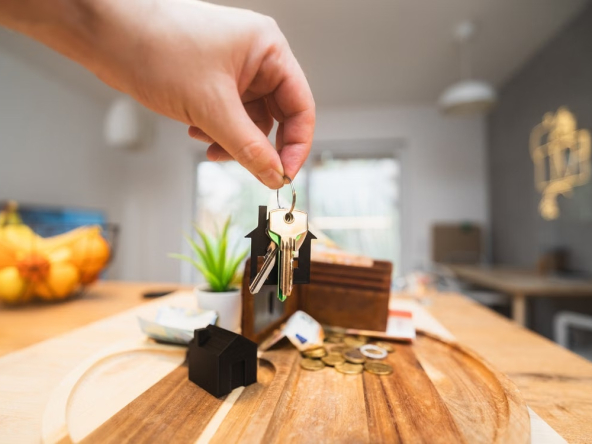




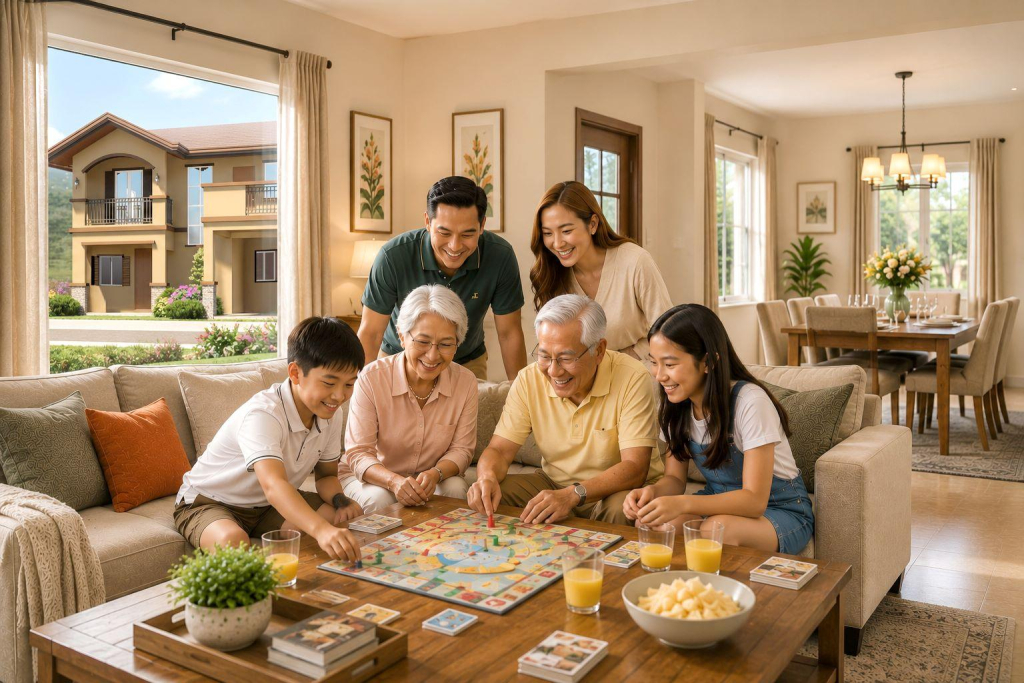
Your current home should do more than meet your needs today.
It should also support the life you envision years from now, whether that means raising a family, welcoming aging parents, or enjoying retirement in a familiar and comfortable space. Learning how to future-proof your home allows you to prepare for changing needs without sacrificing style, comfort, or convenience.
How to Future-Proof Your Home
A future-proofed home combines thoughtful design, durable construction with quality materials, energy efficiency, and adaptable spaces. Investing to future-proof your home is always worth the effort. It prepares you for growth, whether that be through a potential multi-generational living arrangement or through any challenges ahead.
With careful planning, you can create a home that evolves with your lifestyle, helps manage long-term costs, and remains a valuable investment for years to come.
1. Start With a Flexible Layout
One of the simplest ways to future-proof your home is to consider how each room might serve different purposes moving forward. Flexible layouts allow your house to adapt as family members grow older, children become independent, or relatives move in.
For example, an extra room currently used as a reception room, home office, or playroom could eventually become a building extension for an aging parent. Keeping furniture arrangements flexible and avoiding unnecessary partitions can make it easier to change how you use the space.
If you’re building a new home or planning major renovations, consider a ground-floor bedroom and a nearby bathroom. These features can become especially useful if climbing stairs becomes difficult later in life. A practical ground-floor layout also helps accommodate guests, young children, and family members with limited mobility.
Of course, the goal isn’t to predict every future need. It’s to create a home that can adapt without requiring extensive renovations whenever your circumstances change.
2. Make Accessibility Part of the Design
Accessibility is an important part of future-proofing buildings around the world, even if everyone in your household is currently mobile. Wider doorways, clear walkways, slip-resistant flooring, and well-planned lighting can make everyday movement safer and more comfortable.
The bathroom should be a particular area of focus. A spacious layout, sturdy grab-bar reinforcements, a step-free shower, and non-slip surfaces can help reduce the risk of falls. Putting lever-style door handles, easy-to-reach switches, and similar finer details in place is also a practical move that can make a difference over time.
When planning your space, think about how people move between the bedroom, bathroom, kitchen, and main living areas. Avoid cluttering walkways with furniture, and leave enough room for family members to move comfortably.
These improvements support multi-generational living, allowing children, parents, grandparents, and other relatives to share a home while maintaining comfort and independence.
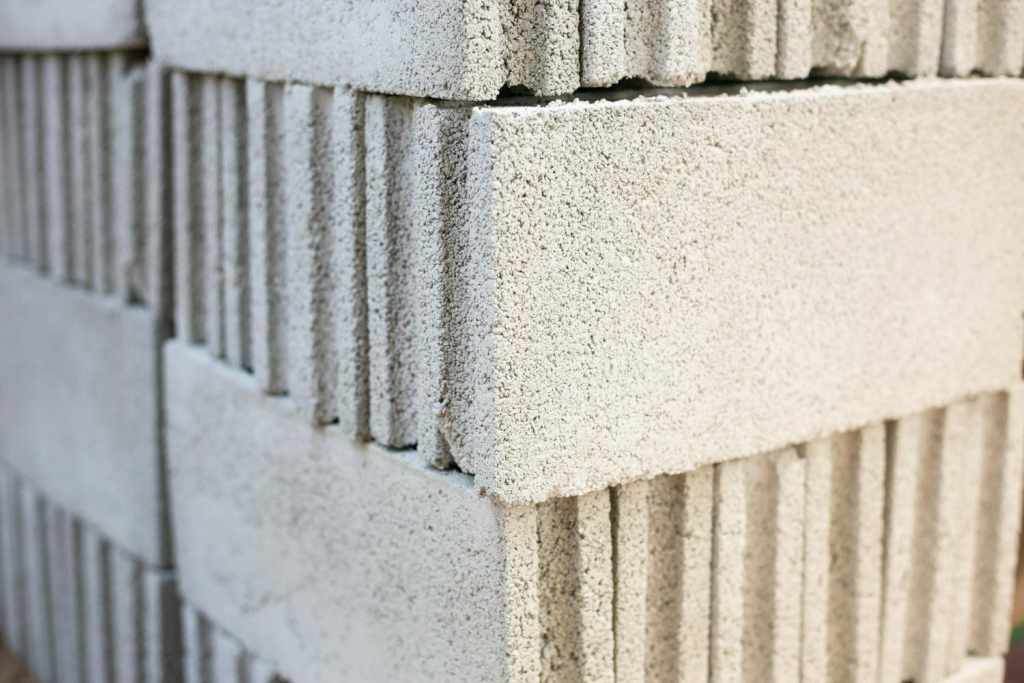
Image source: nipol | Magnific
3. Choose Quality and Durable Materials
A future-proof home or building should be built to withstand daily use. Investing in quality materials from the beginning can reduce maintenance needs and the cost of replacing worn-out finishes or fixtures later.
Choose flooring, countertops, roofing, doors, and fittings based on durability as well as appearance. In the Philippines, materials should also be suitable for local conditions, including heat, humidity, and heavy rainfall. Proper waterproofing, effective drainage, and weather-resistant finishes can help protect your home over the long run.
Regular maintenance matters, too. Inspect windows and doors, address leaks promptly, and check electrical and plumbing systems as needed. Small repairs can prevent more expensive problems from developing.
Before undertaking major building work, seek expert advice from qualified professionals. Their recommendations can help you balance upfront costs, safety, design, and long-term performance.
4. Improve Energy Efficiency and Reduce Energy Costs
Energy efficiency is another important consideration when you future-proof your home. As household needs change and energy costs rise, reducing unnecessary energy consumption can help you save money over time.
Start with practical improvements. Energy-efficient lighting, such as LED bulbs, uses less electricity than traditional lighting. Properly shaded windows, good ventilation, and suitable insulation can also help keep indoor spaces comfortable without relying excessively on air conditioning.
Choose energy-efficient and eco-friendly appliances when replacing older units, and switch off lights and equipment when they’re not needed. These habits can lower energy bills while reducing your household’s carbon footprint.
If your budget allows, consider installing solar panels. Depending on your roof, electricity use, installation costs, and local utility arrangements, solar panels may help reduce grid electricity consumption. Battery storage can provide additional flexibility, although the upfront investment and potential savings should be evaluated carefully.
An energy-efficient home doesn’t need every available upgrade at once. Prioritize improvements that suit your budget and offer practical benefits for your household.
5. Use Smart Technology Thoughtfully
Smart home technology can make a home more convenient, efficient, and adaptable. Smart technology devices such as programmable thermostats where compatible, smart lighting controls, motion sensors, video doorbells, and security systems can help homeowners manage daily tasks more easily.
For instance, automated lighting can illuminate hallways at night, while smart security devices can allow you to check your home remotely. Energy-monitoring systems can also help you understand where electricity is being used and identify opportunities to reduce consumption.
However, technology should support your lifestyle rather than complicate it. Choose devices that are easy to operate, compatible with one another, and supported by reliable updates. Keep manual controls available where possible, especially for essential functions that family members need to use independently.
You don’t need to install every piece of smart tech immediately. Planning for future wiring, outlets, and connectivity during construction or renovation can make upgrades easier later.
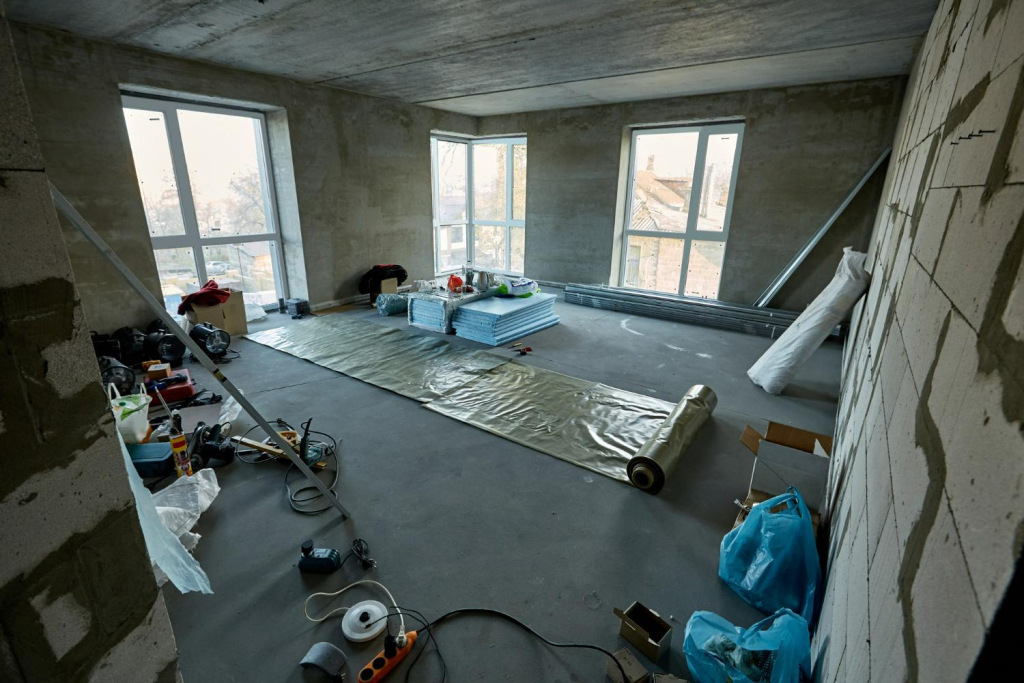
6. Plan for Changing Family Needs
Your idea of a forever home may change as your life does. A couple may eventually need space for children, while a family with grown children may want a more accessible layout for retirement. A home that supports these transitions can help you avoid moving simply because your needs have changed.
Consider how extra space might be used in the future. A garage could provide storage or a hobby area, while a spare room might become a study, guest room, or bedroom for a relative. Ensure that any conversion follows applicable building and safety requirements.
It’s also worth talking with family members about their long-term plans. Discussing privacy, shared spaces, accessibility, and household responsibilities can help everyone understand what the home needs to accommodate.
Future-proofing isn’t just about physical changes. It means preparing your house to support your family’s evolving lifestyle while maintaining a sense of comfort and belonging.
7. Think About Long-Term Value
A future-proof home is an investment in both daily comfort and long-term flexibility. Although certain improvements require an upfront cost, thoughtful decisions can reduce future renovation expenses, improve energy efficiency, and make the property more appealing to potential buyers.
Focus on features that provide lasting practical value: a flexible layout, durable materials, accessible bathrooms, efficient lighting, and good ventilation. Avoid spending money on technology or design trends that don’t serve a clear purpose.
If you’re buying a new home, consider the layout, construction quality, available space, and potential for future modifications before making a decision. A home ready for different stages of life may offer greater value than one designed around only your current circumstances.
Create a Home That Grows With You at Camella
Learning how to future-proof your home starts with a clear vision of the life you want to build. By planning flexible spaces, improving accessibility, choosing durable materials, and investing in energy efficiency and useful technology, you can create a home that remains comfortable as your needs evolve.
Camella offers house and lot communities designed for Filipino families seeking comfortable homes and thoughtfully planned neighborhoods. With a range of home options and community amenities, Camella provides a starting point for buyers looking for a space that can support their family’s needs over time.
Whether you’re choosing a new home or improving your current one, planning can help you create a place where comfort, convenience, and independence remain part of everyday life for years to come. Learn more about Camella communities by checking their website, social media pages or visiting an office nearest you, where a Marketing Manager will help you go through your homebuying journey.