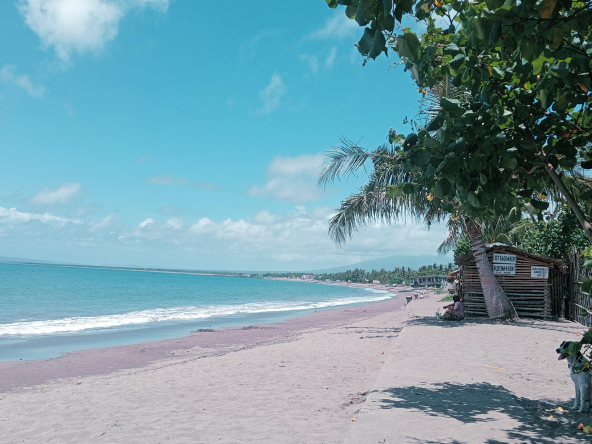




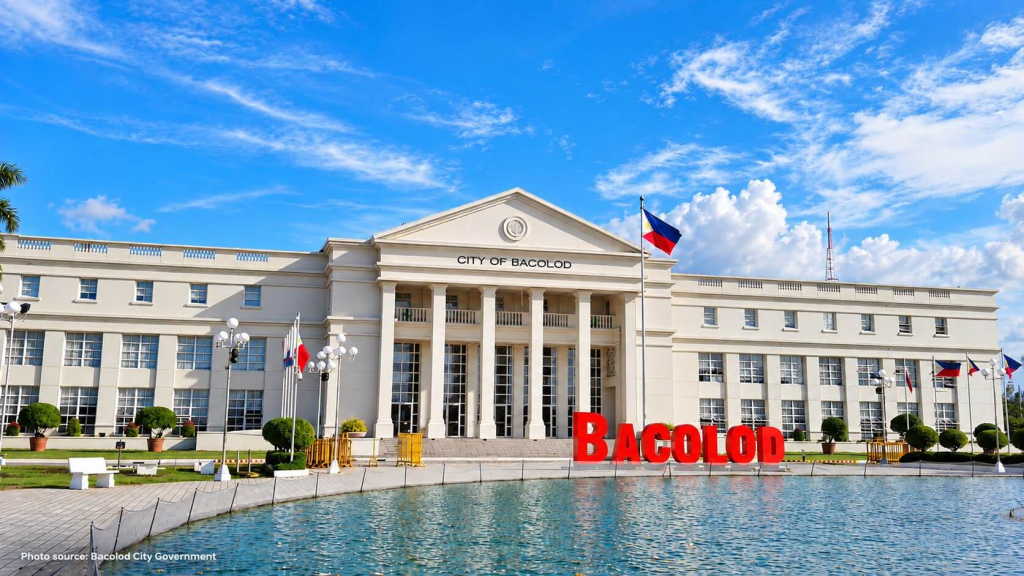
Bacolod has long built value from its inheritance: fertile lands, an established economy, distinctive architecture, celebrated cuisine, and a culture that turned resilience into an identity recognized across the country. Today, the City of Smiles is translating these foundations into a broader proposition, where enterprise expands beyond traditional sectors, visitor flows open fresh markets, infrastructure improves mobility, and residential developments respond to growing urbanization.
Its history remains integral to this progression.
Bacolod developed alongside the sugar industry, which shaped much of Negros Occidental for more than a century. Ancestral houses, agricultural estates, heritage landmarks, and longstanding enterprises reflect how commerce shaped the provincial capital’s physical and social character. Meanwhile, cultural expressions such as the MassKara Festival demonstrate the capacity to turn challenges into creativity, tourism receipts, and entrepreneurial opportunities.
That legacy remains economically relevant. Bacolod cuisine, including its signature chicken inasal and sugared delicacies, supports restaurants, retailers, and hospitality ventures, while cultural events stimulate accommodation, transportation, entertainment, and ancillary services. Rather than standing apart from modernization, these inherited strengths now shape the city’s commercial identity and appeal.

Beyond established segments
Bacolod’s economic structure now reflects how far it has diversified from its origins. According to the Philippine Statistics Authority, the city recorded 7.70 percent growth in 2024, bringing gross domestic product (GDP) to approximately PHP 157.37 billion at constant 2018 prices. Its performance exceeded the national GDP growth rate of 5.70 percent that same year and placed it among the Philippines 10 fastest-growing highly urbanized cities.
Services accounted for 76.60 percent of local output, underscoring the growing role of professional services, finance, education, hospitality, and consumer-oriented sectors. Human health and social work grew by 14.70 percent, followed by construction at 12.40 percent and by wholesale and retail trade and motor vehicle repair at 11.24 percent.
These figures indicate multiple engines of expansion. Building activity points to ongoing capital formation; retail reflects a widening consumer base; medical and social services respond to urban needs; and other tertiary segments generate jobs linked to workplaces, institutions, and business districts.
The addressable market is also substantial: the 2024 Census of Population recorded Bacolod with 624,787 residents, up from 600,783 in 2020 and 561,875 in 2015. A larger population deepens the labor pool, sustains purchasing power, and increases demand for housing, education, mobility, recreation, and everyday necessities.
Creating commercial currents
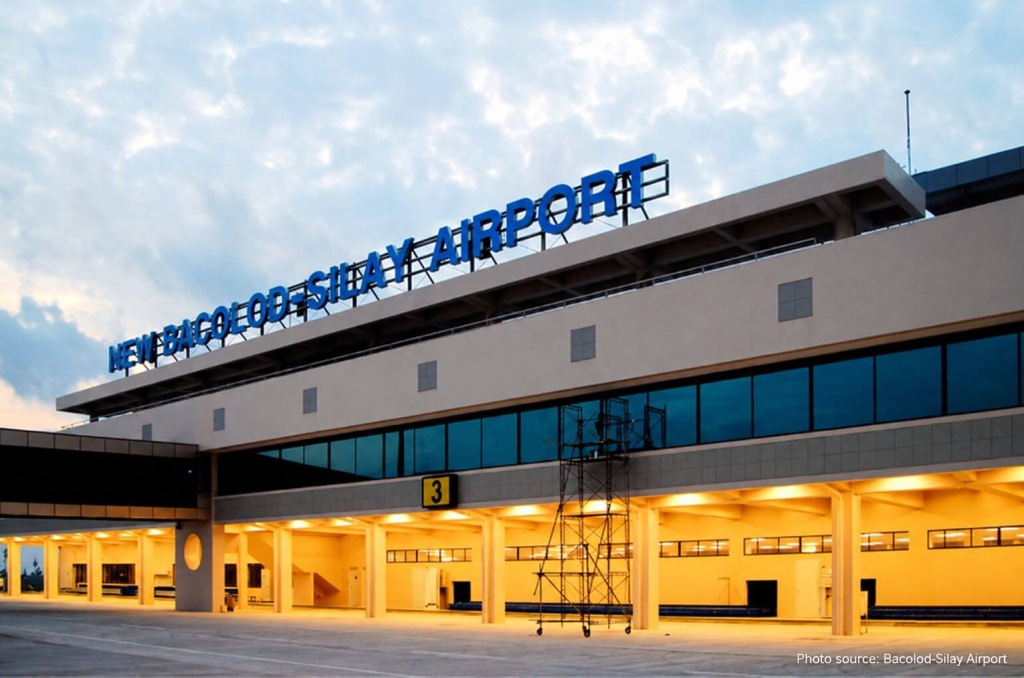
Tourism adds another dimension to this transition: the Bacolod City Tourism Office recorded 873,573 domestic and international visitors in 2025, up from 833,345 the previous year. Receipts exceeded PHP 6.55 billion, and attendance at meetings, incentives, conventions, and exhibitions (MICE) reached 279,200, a 77 percent increase from 2024.
These arrivals drive spending across several industries. Hotels gain room nights, restaurants receive diners, transport operators move passengers, stores capture discretionary purchases, and major events create additional business for local producers and suppliers.
At the same time, the destination continues to enhance the cultural assets that define its profile. Public investments in the Bacolod City Public Plaza and the Bacolod City Government Center Heritage Plaza demonstrate how preservation, placemaking, and public-space enhancement can strengthen development.
Converting movement into momentum
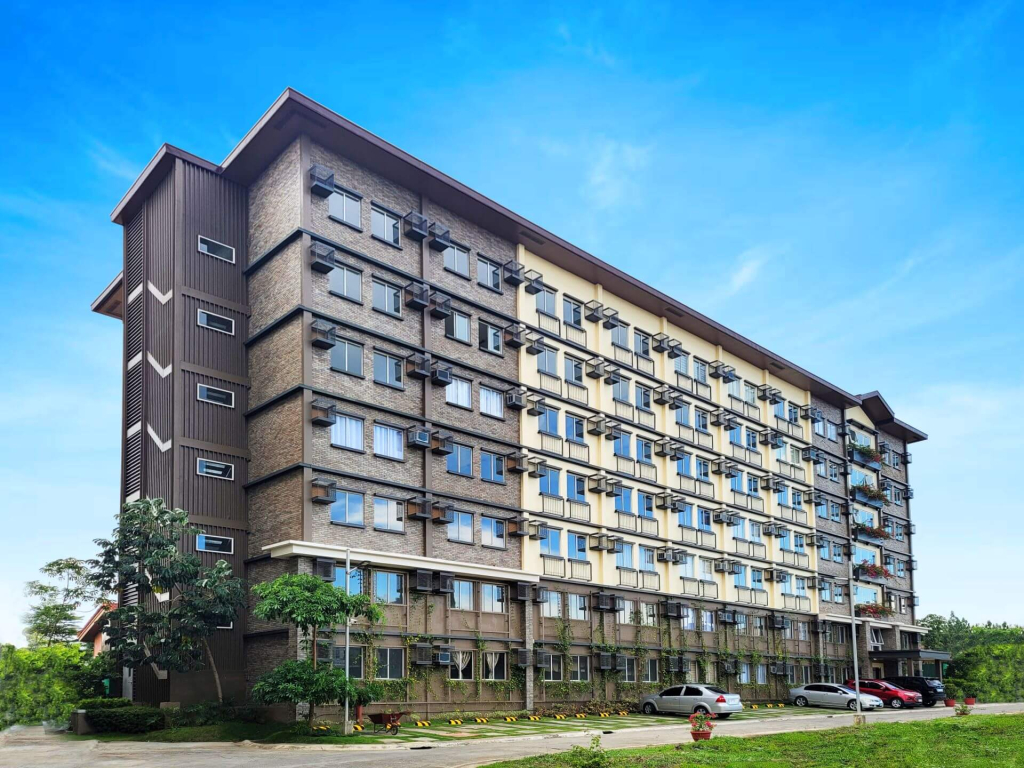
Bacolod-Silay Airport secures direct air service for Negros Occidental, linking residents, tourists, and commerce to major domestic markets. Continuous upgrades to passenger bridges, elevators, and airfield infrastructure protect the gateway’s operational capacity.
Complementing this, the Bacolod North Road expands regional reach toward Talisay, Silay, and Victorias, while southern routes extend transport corridors toward Murcia. Integrated with regional maritime networks, these combined infrastructure assets allow Bacolod to thrive beyond its borders—giving businesses broad market access, expanding workforce mobility toward key employment centers, and providing households with greater residential flexibility across Western Visayas.
Producing new property
Bacolod is therefore advancing on several interconnected fronts: cultural assets sustain identity, various sectors generate livelihoods, visitor spending stimulates commerce, and transport investment enlarges geographic reach. These conditions carry direct implications for real estate.
As the population grows, housing demand rises, and new industries create earning opportunities. Retail establishments bring necessities closer to consumers as improved routes extend the practical radius of daily travel. Together, these shifts influence where households and investors perceive long-term value.
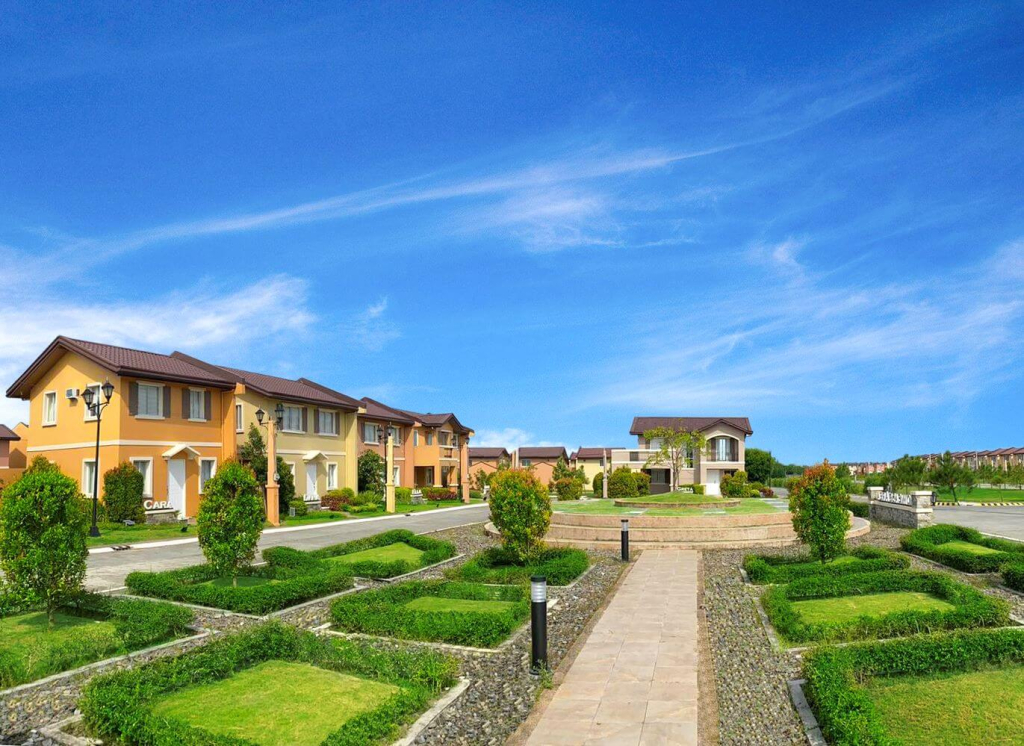
For homebuyers, location is increasingly nuanced. Proximity to schools, workplaces, lifestyle destinations, hospitals, and key thoroughfares can enhance everyday utility, while secure surroundings and suburban amenities support livability. For investors, market depth, accessibility, and urban activity sustain the case for strategically positioned residential developments.
Within this evolving landscape, Camella has continued to build.
Growing with the City of Smiles
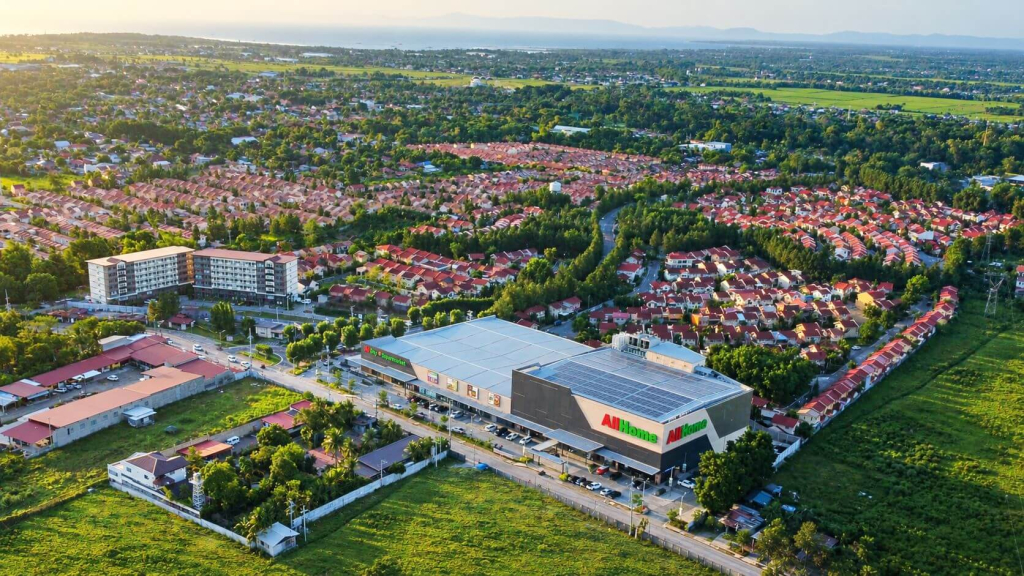
Camella has driven Bacolod’s residential transformation since 2008, earning the Best Housing Developer in Visayas and Mindanao recognition at the Dot Property and Lamudi Philippines Real Estate Awards 2026. Its master planned developments meet evolving housing demands with landscaped surroundings, resort-style lifestyle amenities, and strategic proximity to schools, vital road networks, and key commercial hubs.
These prime locations connect families to established business districts and emerging corridors across Negros Occidental. For buyers and investors, Camella establishes a high-value home base within a diversifying regional economy. As Bacolod expands its economic horizons, Camella continues to grow alongside the City of Smiles—turning accessible housing into long-term wealth and generational value.
To know more about Camella communities across the islands, visit www.camella.com.ph, follow @CamellaOfficial, or call 0977 077 6874.