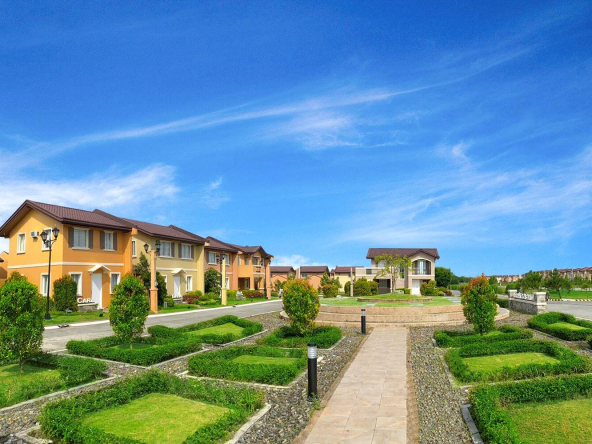





Image source: Magnefic
A home shapes how people spend their days, from the way they exercise and relax to how they connect with others. In the Philippines, this makes amenities that improve quality of life an increasingly useful consideration when comparing residential properties. Well-planned real estate amenities can bring recreation, green spaces, social areas, and everyday convenience closer to home.
The value of residential amenities comes from how well they support actual routines. For buyers, factors that directly impact one’s daily life, such as location, accessibility, safety, nearby schools, commercial establishments, and community facilities can be as important as the house or building itself.
Why Amenities That Improve Quality of Life Matter in Everyday Living
Many communities are designed with shared amenities that provide residents with opportunities to exercise, socialize, or spend time outdoors. Depending on the development, these may range from practical community facilities to luxury amenities designed around recreation and leisure. When the design foundation of these amenities is planned around the needs of residents, these features can promote healthier routines and make the residential site a more engaging place to explore.
These features can contribute to overall quality of life while giving homeowners more value from the spaces surrounding their property. In denser cities, having useful amenities within a residential development can also reduce the need to travel for simple daily activities.
Green Spaces That Support Physical Health
Access to green areas gives residents room to move, rest, and spend time outside. Parks, walking trails, walking paths, and landscaped areas can encourage physical activity while creating a more pleasant residential environment.
These features can benefit physical health for people across different stages of life. A short walk through a landscaped area, for example, can become part of a daily routine without requiring residents to leave the property. Accessible green spaces can also create opportunities for casual interaction between neighbors.
Active mobility infrastructure can further encourage walking and cycling as part of everyday routines. Jogging paths and bicycle lanes give residents additional ways to stay active, supporting physical health while making short trips and outdoor exercise more accessible.
Spaces That Bring Neighbors Together
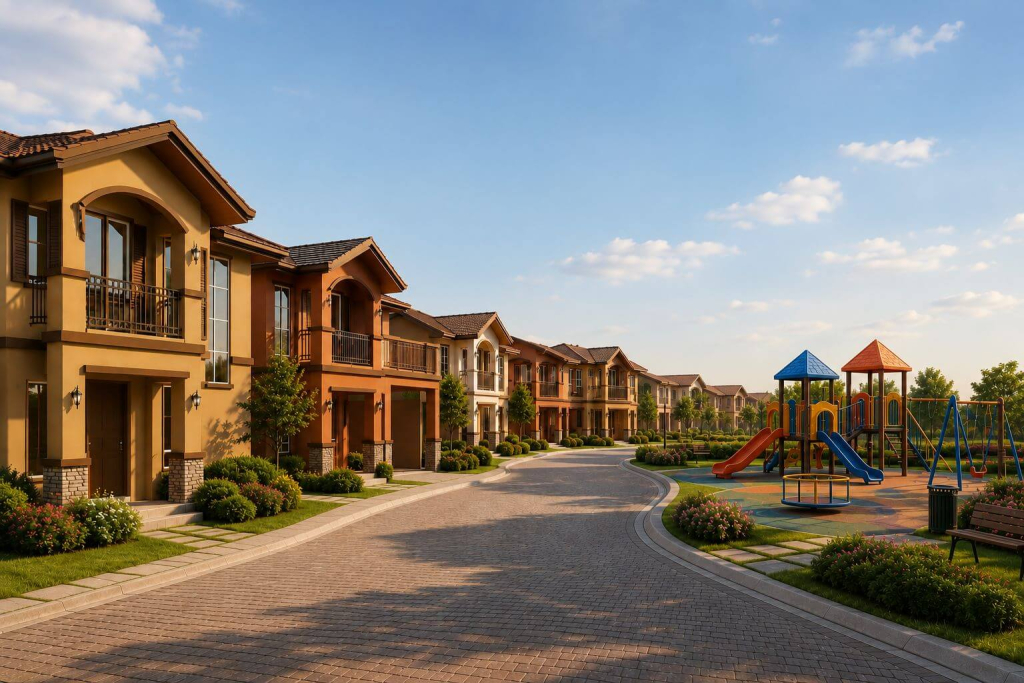
A residential community also needs places where people can gather. Clubhouses, lounges, multipurpose rooms, and other shared facilities can encourage social interaction by giving residents natural settings for conversations, celebrations, and community activities.
Simple activities such as game nights can help residents meet friends and neighbors, while shared outdoor areas can encourage families to spend more time within the community. These spaces can strengthen a neighborhood’s social connections and contribute to a greater sense of belonging.
How Fitness Centers Support Physical Health
and Daily Wellness
Health-focused amenities can make active living easier to incorporate into a busy routine. Access to fitness centers, like the gym, close to home reduces the need for additional travel and can make regular activity more convenient.
This is where fitness centers can become useful residential features. While individual developments offer different facilities, the broader principle is the same: amenities can support wellness when they make healthy activities easier to access.
Swimming pools can support recreation, exercise, and family time. A shared pool can also function as a social space where residents interact outside their homes.
For families, these options can make it easier to build movement into everyday routines. Communities that combine exercise facilities with outdoor areas can support physical health and well-being without making fitness dependent on a separate destination.

How Amenities Support Mental Health and Social Connection
Residential design affects more than physical activity. Access to nature, recreation, and social spaces can also support mental health by giving people opportunities to relax, interact, and step away from the demands of daily routines.
Green infrastructure can encourage outdoor activity, while community hubs create opportunities for connection. Together, these features can contribute to general well-being and a healthier residential environment.
Designing for Different Stages of Life
Amenity needs can change with age and lifestyle. Young families may prioritize playgrounds, parks, and proximity to schools, while working adults may value fitness facilities, retail access, and transportation. Seniors may place greater importance on accessibility, walking areas, social spaces, and nearby services.
The idea of a senior living community also shows why residential planning needs to account for different needs. Dedicated senior living developments may provide specialized support that conventional communities do not. For most condominium buyers, the more relevant consideration is whether the surrounding area makes healthcare and essential services easy to reach.
What Senior Living Communities Can Offer Beyond Housing
Housing needs can evolve as people grow older. A senior living environment may combine residential space with services and the right amenities designed to support independence, social connection, and everyday health.
For conventional residential properties, this does not mean providing specialized care onsite. Instead, buyers can consider whether a community’s location, accessibility, and surrounding infrastructure make important services easier to reach as household needs change.

Proximity to Healthcare and Essential Services
Proximity to hospitals, clinics, pharmacies, and other healthcare services can make a property’s location more practical, particularly for seniors, families, and residents managing an illness.
Convenient access can also make medication management easier by reducing the distance residents need to travel for medical consultations, prescriptions, and pharmacy visits. These services remain external to the condominium, but their proximity can still affect everyday convenience, safety, and well-being.
For families choosing a home for a loved one, access to nearby healthcare can be an important consideration alongside the property’s amenities, transportation options, and accessibility.
Accessibility, Safety, and Everyday Convenience
In vertical communities, accessibility and security can strongly influence the everyday experience. Elevators, accessible common areas, controlled entry points, security personnel, and reliable infrastructure can help residents move around their community with greater ease. Proximity to commercial establishments, restaurants, schools, healthcare providers, and public transportation can also simplify routines.
Where available, on-site markets can make everyday errands even more convenient by allowing residents to purchase household essentials closer to home, reducing the need for additional travel. These factors reduce unnecessary travel and can make a property’s location more practical for residents and their families.
How Amenities Add Value to a Property and Its Community
Residents should consider whether a property’s amenities fit their actual lifestyle rather than choosing based on the number of features alone. A facility becomes more meaningful when it is accessible, well-maintained, and likely to be used regularly.
Camella Bacolod provides a relevant example of how Camella Homes approaches residential living. The development is positioned in Bacolod City and offers condominium units alongside shared amenities intended for recreation and community living. Its location also places residents within reach of established commercial areas and other urban conveniences, giving buyers another factor to consider beyond the unit itself.
For a house and lot property, the surrounding neighborhoods, transportation options, commercial establishments, and essential services can complement the amenities within the development. Together, these elements can influence the property’s practical value and appeal to potential homeowners.