




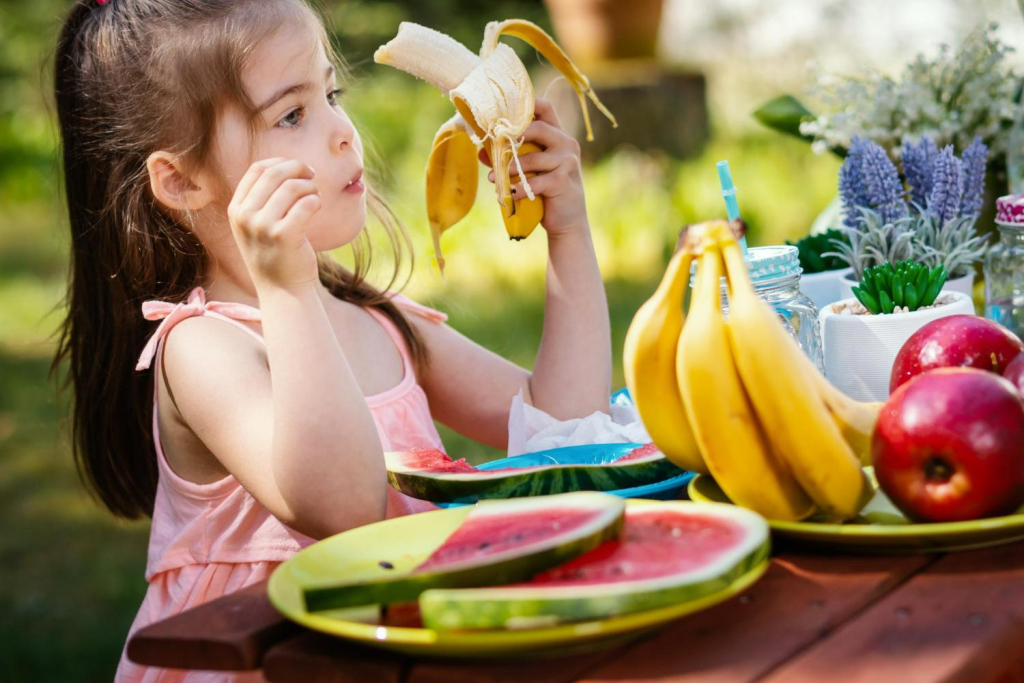
Every parent wants their children to grow up strong, confident, and full of energy. One of the best gifts you can give them is a lifelong appreciation for healthy eating. However, teaching kids healthy food choices can feel like an uphill battle, especially when sugary treats, fast food, and processed snacks are everywhere.
The good news is that developing healthy eating habits doesn’t require perfection.
Small, consistent changes can help encourage children to enjoy nutritious meals, explore new foods, and build a positive relationship with food that lasts well into adulthood.
Teaching Kids Healthy Food Choices
Here’s how Filipino families can make healthy eating a natural part of everyday life.
Encourage healthy eating habits from an early age
Children experience rapid growth, making proper nutrition essential during their early years. A healthy diet supplies the nutrients they need for brain development, stronger bones, a healthy immune system, and sustained energy throughout the day.
Good eating habits established during childhood are more likely to continue into adulthood.
In contrast, diets high in added sugars, saturated fat, and processed food can increase the risk of obesity, diabetes, heart disease, high blood pressure, and other chronic diseases later in life.
By teaching kids healthy food choices early, parents help their children achieve a healthy weight while building habits that support lifelong wellness.
Make healthy eating a family affair
Children learn by watching the people around them. If adults regularly choose healthy foods, kids are more likely to do the same.
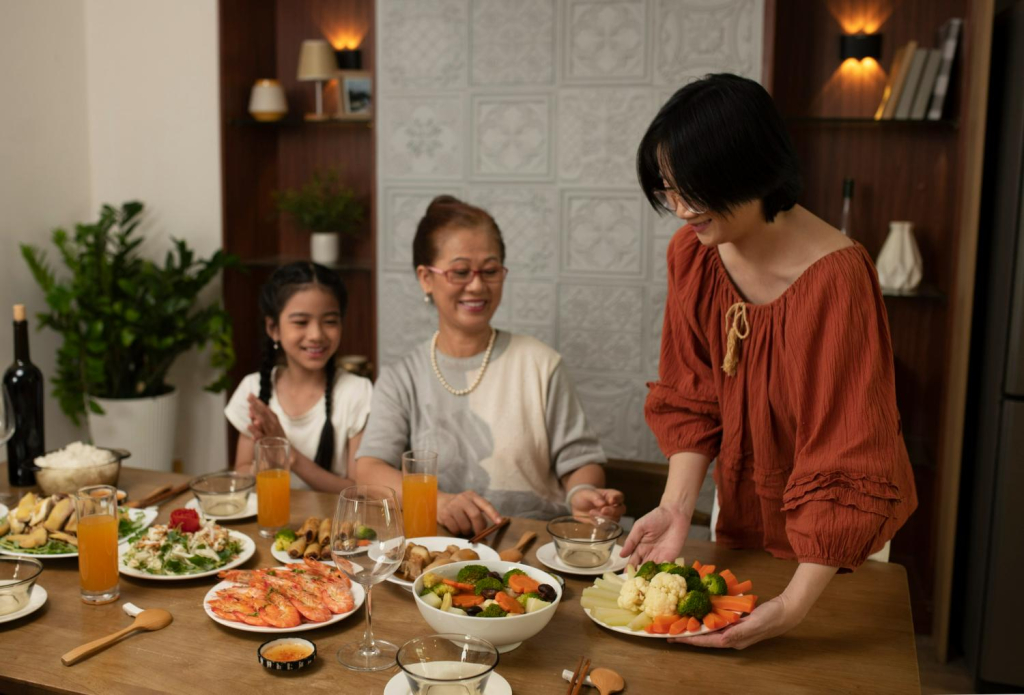
Prioritize a daily family meal whenever possible. Sitting together at the dinner table allows everyone to slow down, enjoy conversation, and model positive eating habits.
Rather than preparing separate meals for picky eaters, serve one balanced meal that everyone enjoys. This helps encourage kids to become more adventurous and to have fun while making mealtimes less stressful.
Fill every plate with balanced food groups
A balanced diet includes a variety of food groups, each providing different nutrients that support healthy growth.
Aim to include:
- Plenty of colorful fruits and vegetables
- Whole grains like brown rice, oats, and whole wheat bread
- Lean protein sources such as lean meat, fish, eggs, tofu, and beans
- Low fat dairy products like yogurt, cheese, and milk
- Healthy fats in moderation
Instead of relying on white rice or white bread alone, gradually introduce whole wheat alternatives and other grains that contain more fiber and nutrients.
Offering colorful produce, from leafy vegetables to red apples and tropical fruit, makes meals more visually appealing and fun while providing essential vitamins.
Introduce new foods to your child’s diet without pressure
Many younger children naturally hesitate when faced with unfamiliar meals. That’s completely normal.
Rather than forcing them to finish something they dislike, simply continue offering new foods alongside familiar favorite meals and snacks. Research shows children often need multiple exposures before accepting a food.
Allow your child to decide how much to eat. This supports their ability to become self-regulating, helping them recognize hunger and fullness cues naturally.
As older children become more independent, continue introducing variety and discussing why different foods benefit their bodies.
Involve kids in grocery shopping and cooking
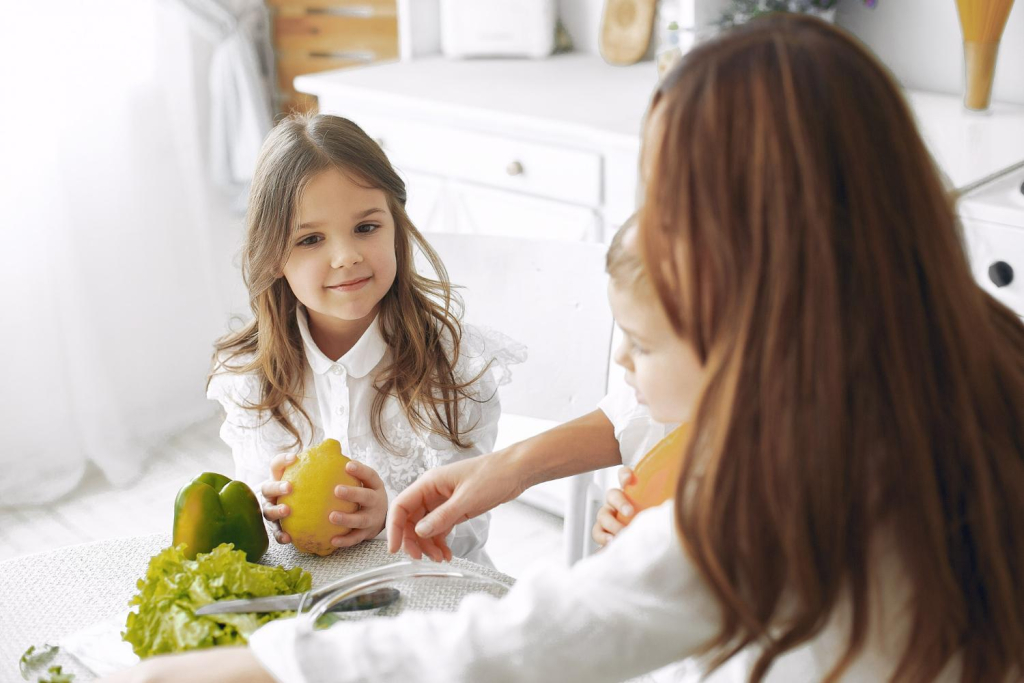
One of the most effective ways to encourage children to enjoy nutritious meals is to involve kids in the process.
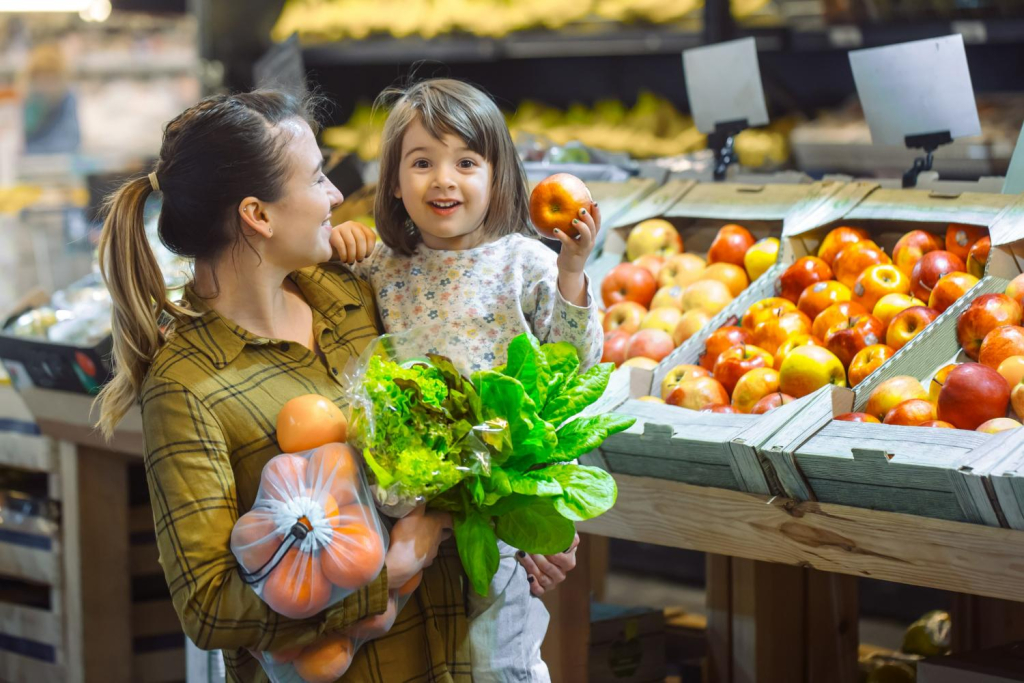
Bring them grocery shopping and ask them to choose colorful produce or compare different types of fruit, veggies, or whole grains.
At home, let them help with simple cooking tasks such as:
- Washing vegetables
- Stirring ingredients
- Measuring portions
- Preparing meal prep containers
- Setting the table
Children are often more excited to try and eat meals they’ve helped create.
Teach children how to make healthy choices beyond family meals
Instead of labeling foods as “good” or “bad,” help teach children about balance instead. After all, healthy eating habits shouldn’t be restrictive.
Explain that some food choices help them run faster, think better, and grow stronger, while certain foods are better enjoyed occasionally.
Show kids how to read nutrition labels by checking:
- Added sugars
- Sodium
- Fiber
- Protein
- Serving size
Learning these skills early empowers children to make healthy choices as they grow older.
Replace sugary drinks with healthier options
Beverages can contribute a surprising amount of extra calories and added sugars.
Instead of offering soft drinks, sports drinks, or other sugary drinks, encourage children to drink water throughout the day.
Other nutritious beverages include:
- Plain milk
- Unsweetened fresh fruit smoothies
- Water infused with fruits and vegetables
Reserve sweetened beverages for occasional celebrations rather than daily consumption.
Make snack time count
Growing children often need meals and snacks to fuel busy days.
Transform snack time into a fun opportunity for better nutrition by offering combinations from different healthy food groups, such as:
- Apple slices and peanut butter
- Yogurt made from low-fat dairy products
- Fresh fruit
- Carrot sticks and hummus
- Cheese with whole wheat crackers
- Boiled eggs
- Roasted beans
Swap highly processed options like French fries with baked sweet potato wedges or homemade vegetable chips whenever possible.
Choosing a low sugar cereal paired with milk also makes a quick breakfast or afternoon snack.
Encourage movement alongside healthy eating
Nutrition and physical activity go hand in hand, and this goes for both kids and adults. Beyond the food they eat, kids can also maintain their overall well-being with regular physical activity.
Support active children by encouraging outdoor play, bike rides, sports, dancing, or simply walking around the neighborhood together.
When children stay active while following a healthy diet, they’re more likely to avoid unwanted weight gain and develop strong muscles and bones.
An active lifestyle also complements good nutrition, helping children build confidence and positive routines.
Consider every child’s unique needs
Every child is different.
Some may have food allergies, while others have medical conditions that require specific dietary adjustments. Always consult your pediatrician or a registered dietitian if you have concerns about your child’s diet.
Parents should also avoid comparing siblings or other children. Every child’s appetite, activity level, and pace of development are unique.
The goal of healthy eating habits isn’t perfection. Remember, it’s about creating sustainable healthy habits that support lifelong wellness.
Building healthy families starts at home with Camella
The journey toward healthy eating habits doesn’t happen overnight. Every positive decision helps shape healthier futures, whether choosing brown rice instead of white rice, serving more fruits and vegetables, replacing soft drinks with water, or preparing nutritious meals together.
By encouraging kids to explore wholesome ingredients, participate in meal prep, and enjoy regular family meal experiences, parents lay the foundation for better health, stronger relationships, and happier homes.
At Camella, building thriving communities goes beyond creating beautiful houses. It means designing neighborhoods where families can live healthier, happier lives.
With walkable communities, open green spaces, parks, playgrounds, and amenities that encourage recreation and connection, Camella supports the health and well-being of every resident. Combined with homes that provide the perfect setting for shared meals, family bonding, and physical activities, Camella helps Filipino families create the healthy routines that allow every generation to grow, flourish, and stay healthy together.