




Image source: Magnefic
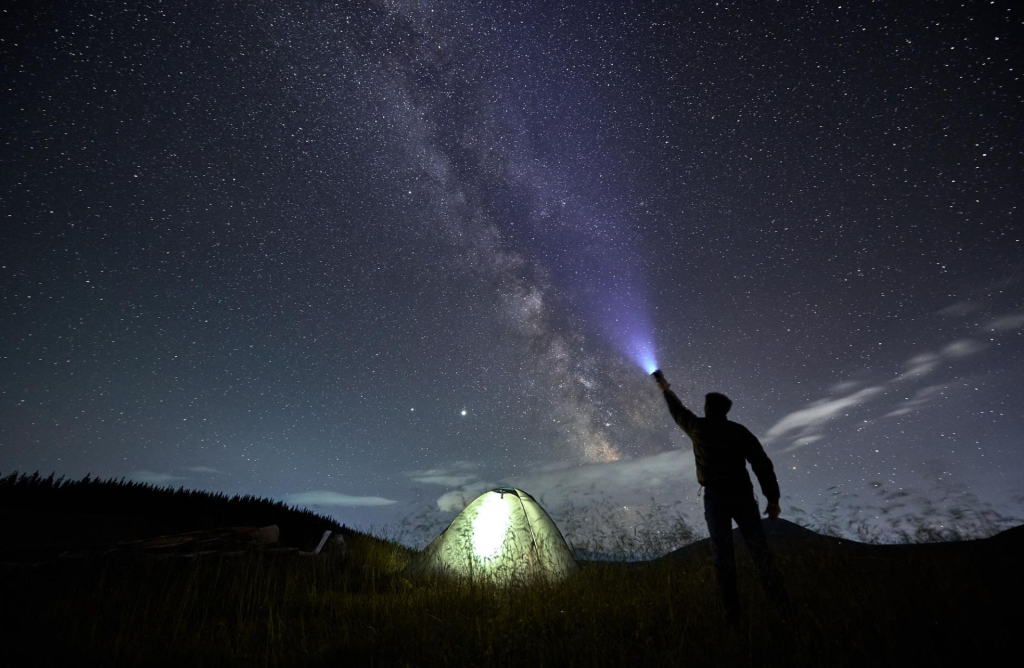
Across the globe, a remarkable travel evolution is unfolding as modern adventurers intentionally turn away from neon-drenched metropolises to gaze upward into pristine nocturnal horizons. This burgeoning global trend reflects a growing human desire to reconnect with nature, ground oneself within the vast universe, and experience the unfiltered majesty of our planet Earth. Over the past decade, as urban expansion accelerates, artificial illumination has increasingly obscured our view of the heavens. In response, eco-conscious travelers are embracing astrotourism: a specialized form of travel focused on experiencing the night sky, observing deep-space wonders, and escaping the pervasive light pollution that dominates contemporary city life.
Why More Travelers Are Chasing the Night Sky
This shifting travel preference has created a surge of interest among astronomy enthusiasts and curious wanderers alike. Rather than settling for crowded daytime tourist corridors, night sky travelers actively track cosmic events, from dramatic planetary alignments to annual meteor showers. Astronomy organizations across the country routinely publish schedules for these celestial spectacles, encouraging people to step outside and appreciate the fundamental science governing our solar system. By journeying to remote locations where the sun sets into true darkness, visitors reclaim a profound sense of awe, recognizing how central the cosmos has been to human history and wonder.
1. PAGASA Observatory in Quezon City: Urban Gateways to Observational Science
Before embarking on expeditions to far-flung island sanctuaries, many stargazers begin their journey within accessible urban educational hubs. Located in Quezon City, the PAGASA Astronomical Observatory serves as the primary public astronomical observatory in the Philippines, playing a pivotal role in democratizing space science for domestic travelers. These urban science facilities prove that even within a bustling region, structured educational programs can ignite a lifelong passion for exploring the night sky.
Educational Telescoping Sessions and Public Astronomy Lectures
Urban facilities offer essential foundational knowledge, allowing astronomy enthusiasts to understand complex celestial mechanics before traveling to dark sky parks. Resident professionals manage regular public lectures, teaching visitors the basic rules of celestial navigation and night sky observation. During these interactive course sessions, guests can confirm their booking, submit a formal request for observation time, and look through high-powered telescopes to view distant lunar craters and planetary rings firsthand.
Tracking Solar Cycles and Celestial Events in the Capital
Educational centers also monitor dynamic solar activities and scheduled cosmic events throughout the calendar year. Many Philippine astronomy organizations also schedule annual meteor shower observation events, giving enthusiasts opportunities to witness major celestial displays throughout the year. Visitors can expect updated event calendars to be shared through official websites and social media pages, making it easy to Google schedules or follow a direct link for announcements before planning a trip.
While urban light pollution limits deep-space visibility, observatories provide a controlled space where visitors can track the sun during daytime solar viewings or wait for rare planetary transits. These complete educational programs ensure that high school groups, families, and solo travelers arrive with realistic expectations and a heightened appreciation for nocturnal science.
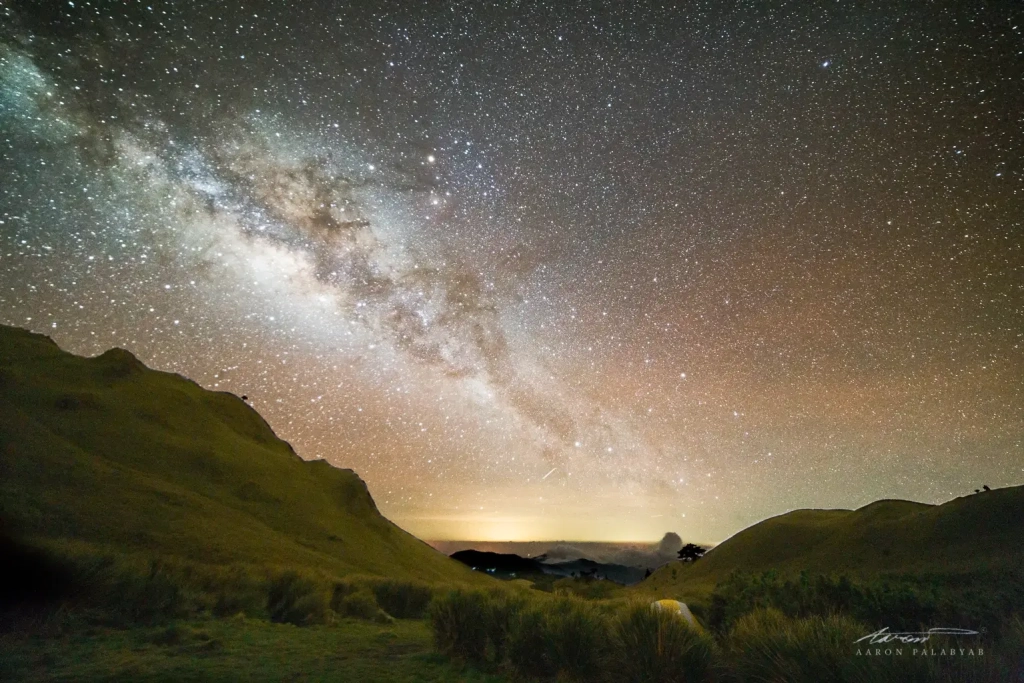
Image source: https://www.aaronpalabyab.com/blog/2016/10/21/mt-pulag-akiki-trail-astrophotography
2. Mount Pulag National Park: High-Altitude Sanctuary with Minimal Light Pollution
When seeking ideal stargazing conditions, elevation acts as a natural barrier against atmospheric hazes and city glow. Mount Pulag, the highest peak in Luzon, stands out as one of the premier astrotourism destinations in the Philippines. Famous for its high elevation and minimal light pollution, this protected mountain park offers outdoor enthusiasts an extraordinary platform where low light pollution enhances stargazing opportunities beyond measure.
Camping Above the Clouds for Peak Constellation Visibility
Trekkers who scale the mountain’s grassland summits are rewarded with an overwhelming panorama of the night sky. Rising above the sea of clouds, campers experience dark skies where famous stellar formations, such as Orion’s belt and sweeping seasonal constellations, glow with striking brilliance. Surrounded by untouched wilderness, visitors gain a renewed sense of connection to the broader universe, realizing how preserving dark sky environments protects both ecological biodiversity and cultural heritage.
Seasonal Logistics for Dry Season Mountain Expeditions
Planning a mountain stargazing trip requires careful attention to seasonal weather patterns. In the Philippines, the dry season spanning from November through April generally offers the clearest skies for stargazing, making months like January an optimal window to catch clear atmospheric conditions. Adventurers who have decided to take on this journey must coordinate with local tour agencies, secure permits, and arrive at the site before sunset to set up camp and maintain safety standards along high-altitude trails.
Travelers should also verify accommodation availability, prepare enough money for park fees and local transportation, pack sufficient food and emergency supplies, and keep the contact number of the park management or local tourism department readily available for travel updates and assistance.
3. Siquijor Island: Cosmic Wonders Under Pristine Dark Skies
In the Visayan region, Siquijor Island has emerged as a tranquil haven for travelers seeking pristine nighttime environments. Renowned for its calm coastal stretches and minimal municipal lighting, Siquijor has some of the darkest skies in the Philippines, making it one of the country’s premier destinations for astrotourism and uninterrupted night sky observation. The island demonstrates how eco-tourism and night sky preservation can harmoniously co-exist, attracting global travelers eager to explore unspoiled natural wonders.
Observing the Luminous Milky Way Above Coastal Waters
On clear, moonless nights, Siquijor’s dark skies reveal the intricate details of the galactic core. The arching arm of the Milky Way is easily visible in Siquijor’s night sky, casting a soft, otherworldly glow over quiet beaches. Because dark sky reserves and unpolluted island sanctuaries are ideal for observing celestial events, visitors can spend entire evenings identifying distant star clusters and tracking passing satellites with the naked eye.
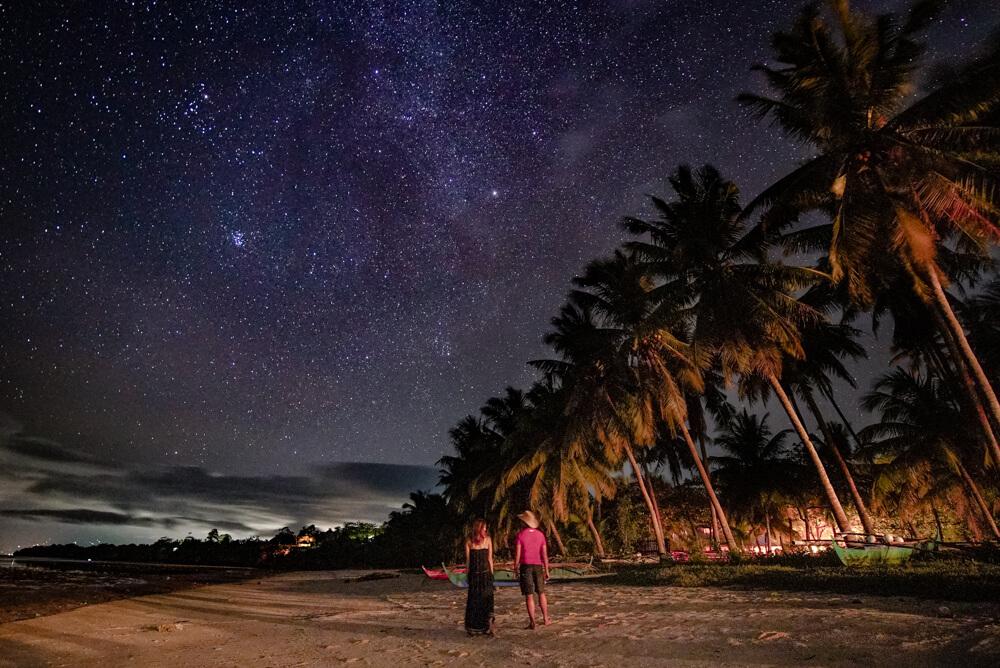
Image source: https://www.bemytravelmuse.com/siquijor-island-tourist-spots/
Maritime Transit Lines and Visayan Residential Gateways
Reaching Siquijor is seamless due to well-established regional transit networks. Siquijor is accessible by ferry from Dumaguete and Cebu, allowing travelers to combine comfortable urban staycations with overnight island excursions. For those seeking a permanent home base connected to these Visayan gateways, premier master-planned communities like Camella Dumaguete provide an ideal residential sanctuary. Located just a short drive from ferry terminals and regional car rental services, such developments allow homeowners to enjoy modern urban conveniences while putting themselves within easy reach of world-class stargazing adventures.
4. Batanes Archipelago: Remote Frontiers for Celestial Night Sky Photography
Situated at the northernmost edge of the Philippine archipelago, Batanes represents the ultimate frontier for astrophotographers and wilderness travelers. Islet chains framed by dramatic sea cliffs and rolling hills offer zero industrial glare, making Batanes widely considered one of the darkest places in the Philippines.
Mastering Technical Camera Settings for Astrophotography
Capturing the beauty of northern dark skies requires deliberate technical preparation. Photographers visiting the island for the first time should pack a sturdy tripod for long exposure shots to prevent camera shake caused by coastal winds. To achieve crisp imagery, photographers should set their aperture to the lowest f-stop possible, use a shutter speed of at least 10 seconds, and set the ISO to 1600 for night sky photography. Photographing during clear nights yields breathtaking results, translating raw cosmic beauty into permanent artistic imagery.
Navigating Moonlight Cycles for Optimal Astrophotography Exposure
Beyond camera gear, timing your observation around lunar phases is critical for capturing deep-space objects. Stargazers and photographers should plan trips during new moon nights, which are strongly recommended for minimizing moonlight during stargazing. Without bright lunar glare reflecting off atmospheric moisture, subtle celestial phenomena, including faint meteor showers, lunar eclipses, and zodiacal light, become dramatically clearer across the night sky.
5. Camiguin Island: Home to Premier Astrotourism Destinations in the Philippines
Camiguin Island has distinguished itself as a trailblazer in formalizing night sky conservation within the country’s eco-tourism sector. Nestled amidst volcanic peaks and serene shorelines, Camiguin features the country’s first dedicated astronomy park, setting a benchmark for future dark sky park initiatives across Southeast Asia.
Exploring Dedicated Astronomy Parks and Celestial Observatories
Although the Philippines does not yet have internationally designated Dark Sky Parks registered with global conservation bodies, local initiatives in Camiguin are actively bridging this gap. The island’s dedicated astronomy park integrates educational observation decks, interactive scientific exhibits, and guided night tours. Visitors can learn about space science while enjoying minimal light pollution, proving that localized development can safeguard dark skies while promoting sustainable tourism growth.
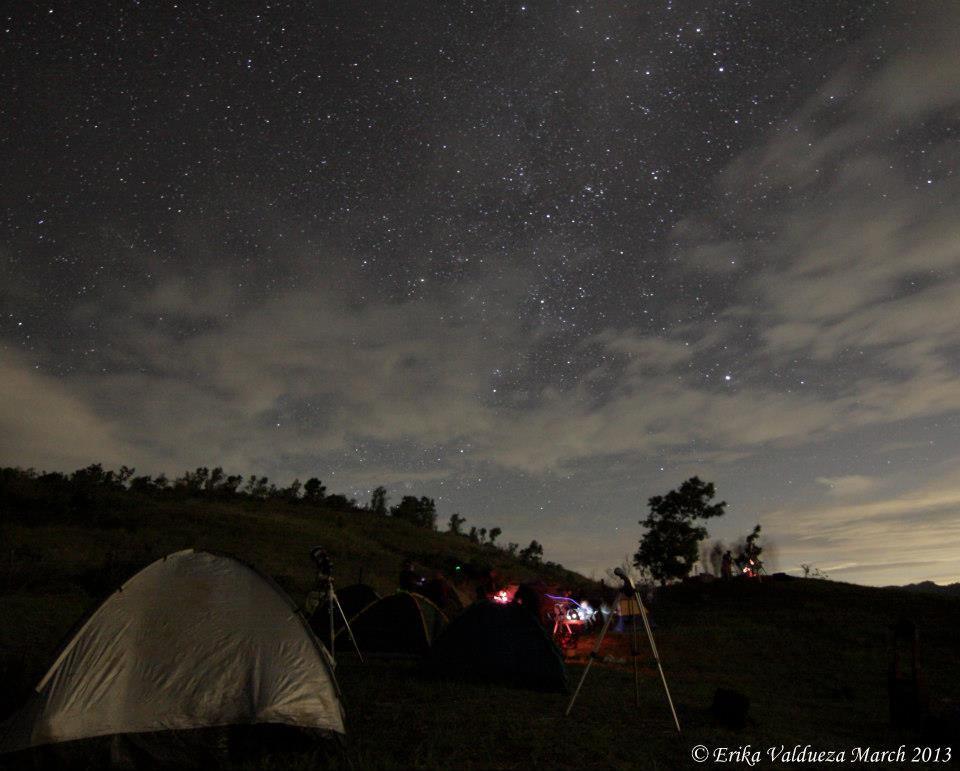
Image source: https://500px.com/photo/126921389/a-glimpse-of-the-milky-way-by-erika-rivera
6. Mount Kulis and Tanay Highlands: Accessible Stargazing Escapes Near the Capital
For city dwellers who have limited travel time or a constrained budget, the highlands of Tanay, Rizal offer a quick, accessible retreat into nature. Located just a few hours’ drive east of Metro Manila, spots like Mount Kulis provide an ideal compromise between proximity and night sky visibility.
Weekend Camping and Night Sky Viewing for City Dwellers
These highland campsites allow weekend travelers to plan quick overnight trips without booking expensive flights or complex maritime transfers. Camping under the Tanay night sky gives visitors a chance to catch a glimpse of the Milky Way, relax around outdoor bonfires, and wake up to sweeping morning views of sea-of-clouds formations. This accessibility makes mountain camping in Rizal a popular introductory experience for young Filipinos discovering astrotourism for the first time.
7. Surigao and Catanduanes Coasts: Maritime Sanctuaries for Stargazing Adventures
Along the eastern seaboard of the Philippines, the coastal stretches of Surigao and Catanduanes face the vast, open expanse of the Pacific Ocean. Free from major offshore urban centers, these coastal maritime sanctuaries offer unobstructed, horizon-to-horizon views of the night sky.
Horizon-to-Horizon Views Along Pristine Oceanic Coastlines
Stargazing along eastern ocean beaches reveals a dense tapestry of stars rising directly out of the sea. With minimal light pollution coming from the water, observers can track constellations as they ascend across the heavens throughout the night. Whether listening to gentle waves while identifying planets or searching online resources for upcoming celestial events, travelers along these coasts experience the serene, timeless wonder of our universe.
Conclusion: Embracing the Cosmos Beyond the Bright City Lights
The rise of astrotourism in the Philippines represents a profound shift in how we approach leisure, travel, and environmental conservation. From educational observatories in urban centers to the dark sky sanctuaries of Batanes, Siquijor, and high-altitude mountain peaks, seeking out minimal light pollution allows travelers to experience the cosmos in its rawest form. As interest in nighttime eco-adventures continues to grow, protecting our night sky becomes a collective responsibility, ensuring that future generations can always look up, escape city lights, and marvel at the endless wonders of the universe.