




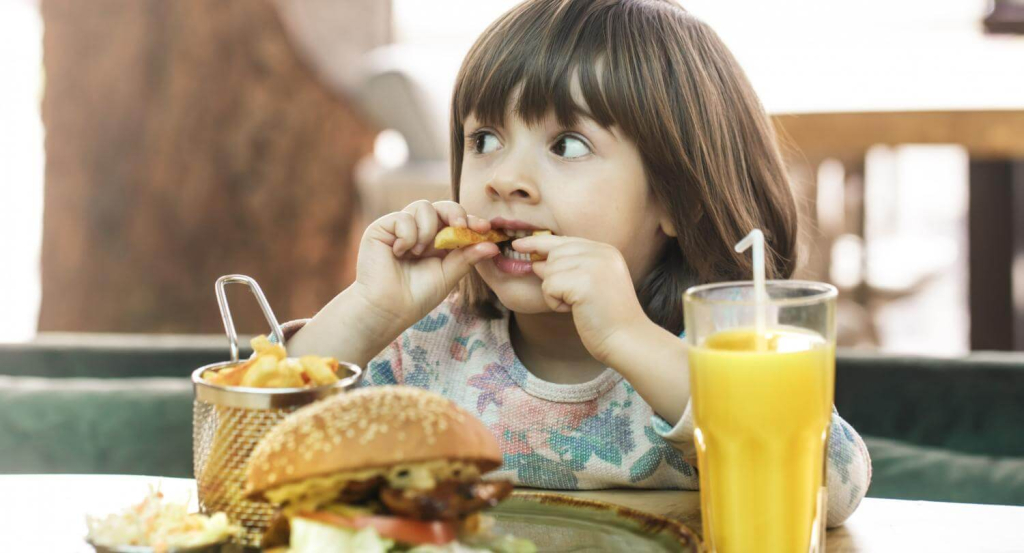
Image source: https://www.magnific.com/free-photo/little-girl-eats-fast-food-cafe_9435201.htm
Every parent wants the best for their child’s health, but in today’s busy world, reducing junk food for kids can feel like an uphill battle.
From eye-catching advertisements to convenient takeout meals, junk food is everywhere, making it easy for children to develop unhealthy preferences at a young age.
The good news is that helping your child build better, healthier eating habits doesn’t require eliminating too many foods or every treat.
Instead, it’s about creating a balanced approach that supports your child’s diet, encourages healthy food choices, and teaches lifelong habits that benefit the whole family. Here’s a practical guide to reducing junk food while making nutritious meals enjoyable for your children.
Why is Junk Food a Concern for Growing Children?
Many popular snacks and convenience meals are considered “processed foods,” with some classified as ultra-processed food because they undergo extensive manufacturing and contain numerous additives.
These unhealthy foods are often high in added sugar, sodium, unhealthy fats, and even trans fats, while offering very little nutritional value.
Regular consumption of ultra-processed products can negatively affect a child’s body, increasing the risk of health issues, including weight gain, tooth decay, high blood pressure, heart disease, and other long-term health problems. Poor nutrition may also contribute to a depleted immune system, mental health concerns, lower concentration, and reduced academic performance.
More importantly, children need essential nutrients from a variety of food groups to support growth, immunity, and development.
A balanced child’s diet filled with nutritious meals fuels the child’s energy, strengthens the immune system, and lays the foundation for lifelong wellness from an early age.
Understand What Counts as Junk Food
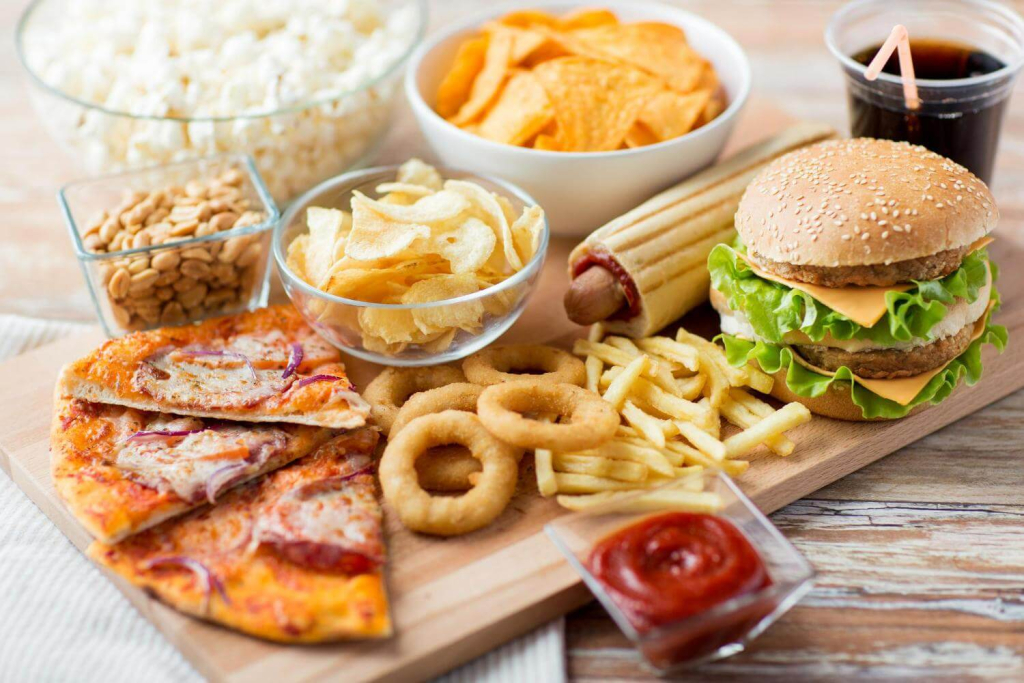
Not every convenience food is equally unhealthy, but it’s helpful to recognize common examples of junk food and processed foods that should be limited.
These unhealthy foods often include:
- Fast food meals
- Potato chips
- Candy and chocolate bars
- Cookies and pastries
- Sugary breakfast cereals
- Soft drinks
- Sugar drinks
- Instant noodles
- Highly salted packaged snacks
These unhealthy foods typically contain excess calories while lacking the important nutrients children need for healthy development. However, junk foods like the ones listed above are not inherently harmful to a child’s diet in moderation.
8 Tips for Reducing Junk Food for Kids
There’s a host of benefits for your child’s health when you cut down on junk food and fast food. A child’s body needs healthy meals with high nutritional value.
Here are some practical ways you can help improve your child’s diet:
1. Build a Balanced Diet Around the Five Food Groups
Instead of focusing only on removing junk food, emphasize adding nutritious ones and incorporating healthier options.
A balanced diet includes foods from the five food groups, ensuring children receive all the nutrients they need.
Aim to include:
- Plenty of fruits and vegetables, including fresh fruit, whole fruit, fresh vegetables, and fresh veggies
- Whole grains such as oats, brown rice, and whole wheat bread
- Protein sources like lean meat, fish, eggs, beans, and canned tuna
- Dairy products or suitable dairy alternatives
- Healthy fats from foods like nuts, seeds, avocado, and olive oil
Choosing foods from these food groups regularly helps children develop stronger bodies and lessen the risk of health issues while reducing cravings for less nutritious options.
2. Introduce Healthier Food Without Making Food a Battle
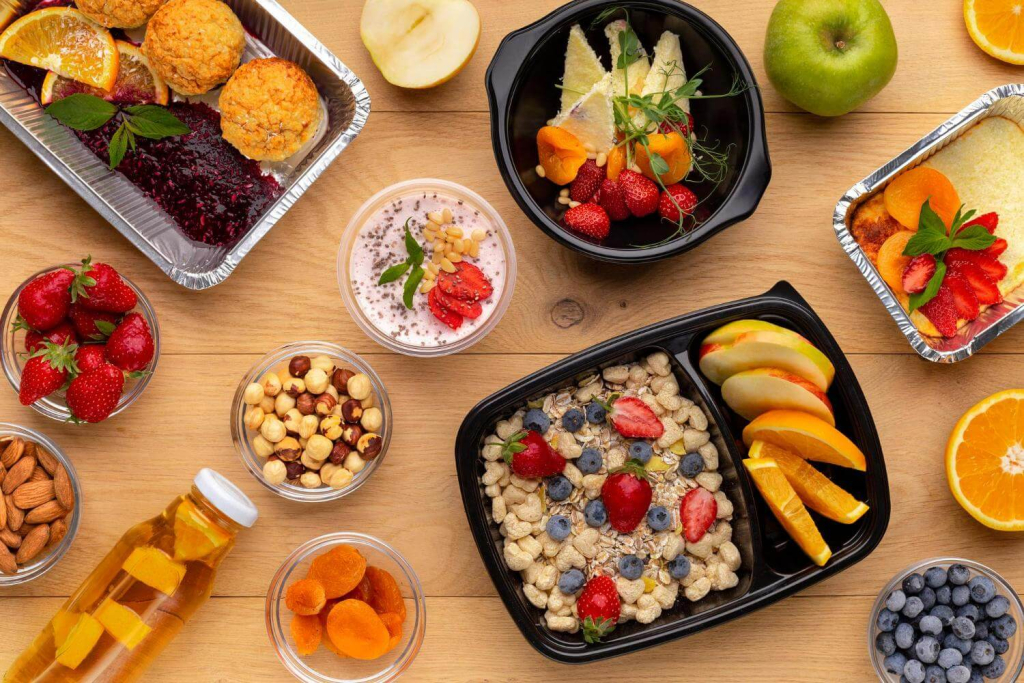
Children naturally resist sudden changes. Rather than banning favorite snacks and junk food overnight, gradually replace them with healthier alternatives and healthier versions of familiar favorites.
For example, you can replace potato chips with air-popped popcorn or whole-grain crackers. You can also swap out instant noodles for healthier alternatives like wheat or buckwheat pasta. Similarly, you can serve baked chicken instead of fried fast food.
If your kids are at a younger age and crave sweet junk food, offer yogurt topped with fresh fruit instead of ice cream. Swap sugary desserts for fruit sweetened with a small drizzle of maple syrup.
Small changes are often more successful because children have time to adjust their taste buds without feeling deprived of junk food.
3. Make Healthy Snacks Easy to Grab
Busy families often reach for convenience foods because they’re accessible. Keeping healthy snacks within easy reach encourages better food choices throughout the day, not only for the kids but also for the whole family.
Some excellent homemade snacks and healthier options include:
- Apple slices with peanut butter
- Vegetable sticks with hummus
- Cheese cubes and grain crackers
- Greek yogurt with berries
- Homemade trail mix
- Sliced bananas
- Hard-boiled eggs
- Whole-grain muffins made with less sugar
Preparing snacks in advance helps reduce reliance on packaged snacks while making healthier eating more convenient.
4. Rethink Drinks as Well
Many parents overlook beverages when thinking about “junk food,” but drinks can contribute significant amounts of added sugar and unhealthy fats.
Instead of soft drinks, sports beverages, or other sugar drinks, encourage children to drink water most of the time. While fruit juice can contain vitamins, it should still be limited because it often contains concentrated natural sugars without the fiber found in whole fruit.
Serving water alongside meals is one of the simplest ways to improve your child’s health.

5. Create Positive Eating Habits at Home
Children learn by watching adults. Developing positive eating habits begins at home.
Try these strategies:
- Eat together during regular family mealtimes.
- Minimize distractions at the dinner table by putting away gadgets.
- Allow children to help prepare meals.
- Introduce one new food alongside familiar favorites.
- Avoid using desserts as rewards.
Parents who consistently model healthy choices become a good example, making children more likely to adopt those behaviors themselves. Additionally, physical activity should be part of your family’s routine to support your child’s health beyond just their diet.
6. Plan Better School Lunches
A nutritious school lunch helps children stay focused and energized throughout the day.
A balanced lunch might include:
- A sandwich on whole-grain bread
- A side of vegetables
- Sliced fresh produce
- Cheese or yogurt
- A piece of whole fruit
- Water instead of sugary beverages
Packing lunches also allows parents to manage fast food intake while ensuring children receive more essential nutrients.
7. Don’t Completely Ban Treats From Your Child’s Diet
Completely forbidding sweets or favorite snacks can sometimes make children want junk food even more. Instead, teach moderation.
It’s perfectly acceptable to enjoy junk food occasionally as part of an overall healthy lifestyle. Birthdays, celebrations, vacations, and special family outings are opportunities to enjoy treats without guilt.
The goal isn’t perfection but creating consistent, healthy eating patterns where nutritious meals make up the majority of a child’s diet.

Image source: https://www.magnific.com/free-photo/full-shot-adult-kid-holding-dumbbells_12781477.htm
8. Support Healthy Living Beyond Food
Nutrition works best alongside other healthy habits. Encourage daily physical activity, adequate sleep, and outdoor play to support both physical and emotional well-being.
Whether it’s riding bikes, swimming, playing sports, or simply walking around the neighborhood, active children often develop healthier lifestyles that continue into adulthood.
Remember that every child develops differently. Some older children may need larger portions, while younger kids may require more encouragement to try certain foods apart from junk food. Patience and consistency go a long way.
Likewise, families with different dietary preferences, including vegetarian households or those limiting animal products, can still create nutritious meals by carefully selecting protein-rich foods and fortified alternatives.
Building Healthy Eating Habits Starts at Home in Camella
Helping your child eat better isn’t about striving for perfection or eliminating every piece of junk food. It’s about making thoughtful food choices, offering healthy foods more often than other foods, and creating an environment where nutritious eating feels normal.
By choosing fresh produce, preparing meals at home, and encouraging balanced nutrition, parents can reduce unhealthy eating habits while giving children the nutrients they need to thrive. These daily choices support better growth, stronger immunity, improved learning, and a healthier future.
Just as healthy habits begin at home, so do happy family memories. In thoughtfully designed communities like Camella, families enjoy spaces that encourage active lifestyles, outdoor play, and meaningful moments together.
With parks, open spaces, and family-friendly amenities that promote wellness and connection, Camella provides an ideal environment where parents can nurture healthy routines, and children can grow up surrounded by opportunities for better living.