



Friendship plays a meaningful role in every stage of life. For children, learning how to build healthy friendships can shape emotional development, strengthen confidence, and improve communication skills that last into adulthood. Teaching kids the value of friendship helps them understand kindness, empathy, respect, and cooperation while giving them the emotional skills needed to connect with others in positive ways.
For parents, teachers, and caregivers, friendship lessons do not need to feel overly formal. Children learn best through everyday experiences, conversations, role play, stories, and positive interactions with peers. Whether at school, at home, during playdates, or while joining sports teams, children begin discovering how relationships work through observation and practice.
This guide explores practical ways of teaching children about friendship while helping them build healthy relationships that support emotional resilience and lasting social connections.
Why friendship is important in childhood
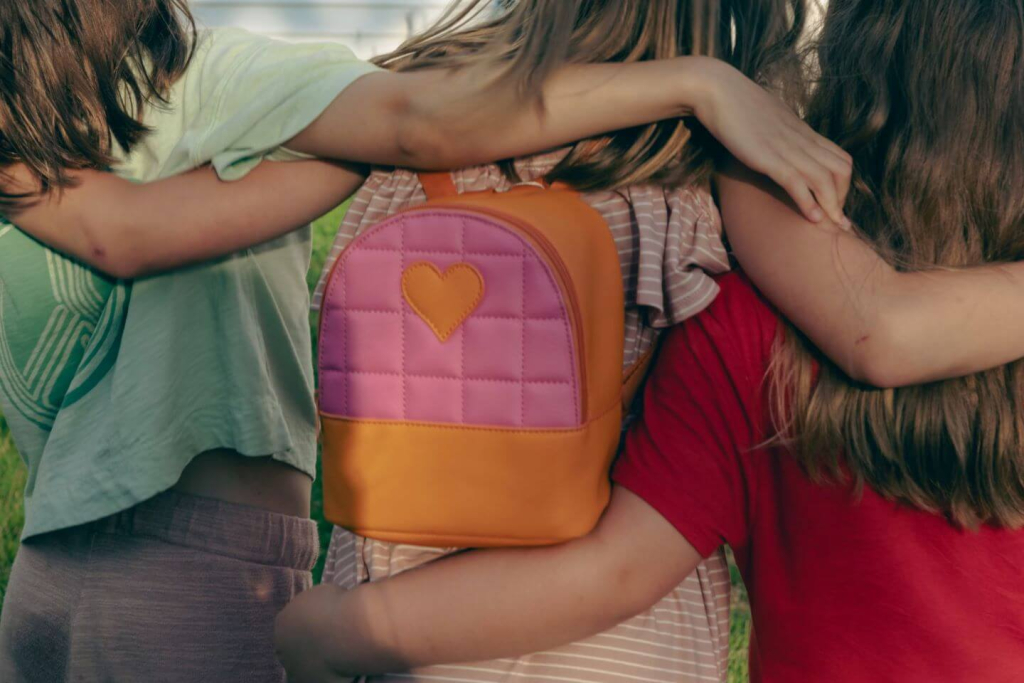
Friendship plays an important role in childhood because healthy friendships help children feel supported, valued, and understood while also teaching kids essential life skills like listening, sharing, cooperation, and problem-solving.
As kids grow and are exposed to the adult world, the friendships they form can shape confidence, emotional well-being, and behavior, helping children develop strong social skills that allow them to handle group situations and friendship problems with greater maturity.
Through healthy relationships, children also learn to develop empathy and emotional awareness, build confidence in social settings, practice communication and listening skills, and understand respect, cooperation, and healthy boundaries.
These connections also help kids discover how to manage hurt feelings while experiencing joy, encouragement, and a sense of belonging through meaningful friendships. When parents and teachers prioritize teaching children friendship skills at an early age, children are more likely to create positive relationships that support emotional growth and long-term well-being.
What helps children develop strong friendship skills
Children need guidance to develop the skills needed for healthy and lasting friendships. While some children have the gift of connecting immediately and naturally with peers, others benefit from direct support and practice.
Empathy and understanding
Empathy is one thing that helps children recognize how others feel. Teaching kids to notice body language, tone of voice, and emotions encourages more thoughtful behavior.
Parents can nurture empathy by asking reflective questions such as:
- “How do you think your friend felt?”
- “What could you do to help?”
- “What would make you feel better in that situation?”
Teachers can encourage imagination and also use role-play activities where children practice responding kindly during common social situations.
Communication and listening
Good friendships depend on communication, and kids learn valuable listening skills when adults model respectful conversations in everyday interactions. Telling and encouraging children to wait for their turn to talk, maintain eye contact, listen without interrupting, use kind words, and express emotions calmly can help strengthen positive interactions with peers. These habits also encourage children to build respectful and supportive friendships through better communication and understanding.
Cooperation and sharing
Group activities, games, and sports teams provide opportunities for children to practice teamwork. Kids begin learning fairness, patience, and compromise through shared experiences. Even simple activities like board games, reading children’s books, or collaborative art projects can teach cooperation while keeping learning fun.
Recognize positive and supportive friendships
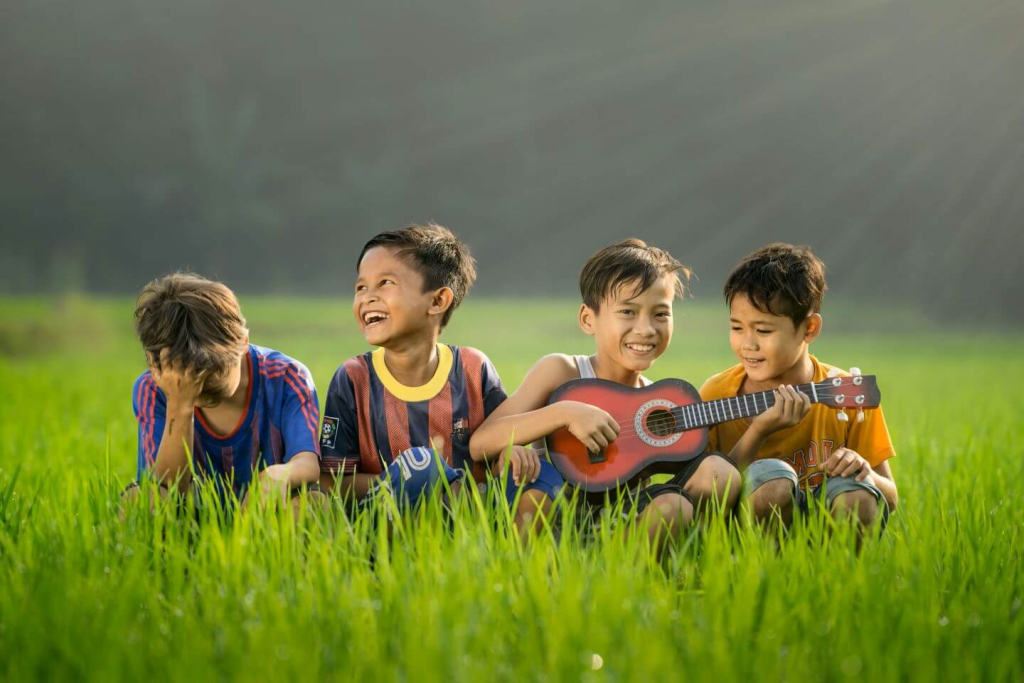
Part of teaching kids the value of friendship involves helping them recognize what true friendship looks like. They have to understand that a good friend shows respect, includes others, listens and offers support, and resolves disagreements fairly.
Children should also learn to recognize unhealthy behavior such as exclusion, teasing, controlling actions, or repeated dishonesty. Helping children identify supportive relationships can protect emotional well-being and encourage healthy boundaries as they grow older.
Help kids understand healthy boundaries
Healthy boundaries help children feel safe, respected, and confident in relationships while teaching children that they can express comfort levels respectfully and that friendship does not mean accepting hurtful behavior. Children can learn healthy boundaries by respecting personal space, saying no politely, asking permission before borrowing items, speaking kindly during disagreements, and recognizing when someone feels uncomfortable.
Role play activities give children the opportunity to practice healthy boundaries in a safe environment through situations that encourage respectful behavior, calm responses, and positive communication. These exercises also help children build confidence while strengthening friendship skills and emotional awareness.
Support children through social experiences
As children grow, they begin forming their own friendships independently. Adults can guide decision-making without controlling every interaction.
Parents and teachers can encourage children to reflect on:
- How friends make them feel
- Whether relationships feel supportive
- How conflicts are handled
- What qualities they value in a friend
Build confidence through small group activities
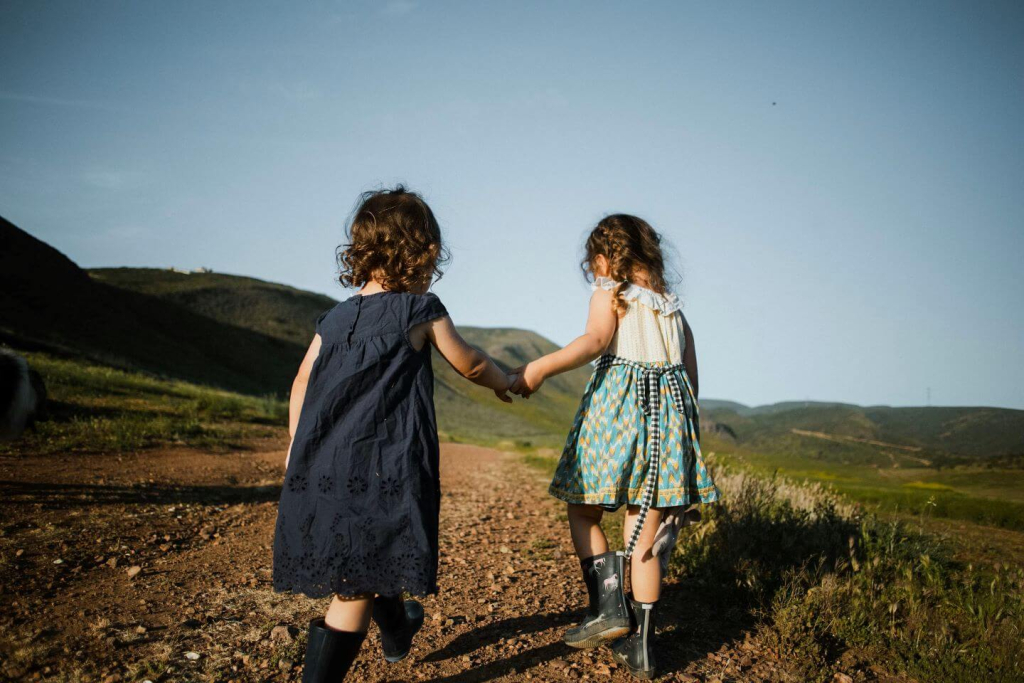
Small group activities create comfortable opportunities for children to practice friendship skills. Parents may organize short playdates, outdoor games, reading circles, and other simple group projects.
During these interactions, adults can supervise briefly before stepping back to allow children to practice problem-solving and cooperation independently. Children often build confidence more easily in smaller groups before participating in larger social environments.
Learn teamwork through group activities
Sports teams and extracurricular activities provide excellent opportunities for children to practice teamwork and respect.
Adults can teach the concept of fair play, encouragement for teammates, respecting coaches and peers, and managing competition positively. Discussing sportsmanship after games can help children reflect on behavior, emotions, and teamwork.
Group activities also teach children how to handle different personalities and work together toward shared goals. Whether children participate in school clubs, music classes, art workshops, or community events, they learn the importance of patience, cooperation, and encouragement.
Children who regularly join group activities often become more comfortable expressing ideas, listening to others, and solving small conflicts respectfully. These experiences can strengthen confidence while helping children build healthy friendships through shared interests and positive interaction.
Use stories to teach friendship values
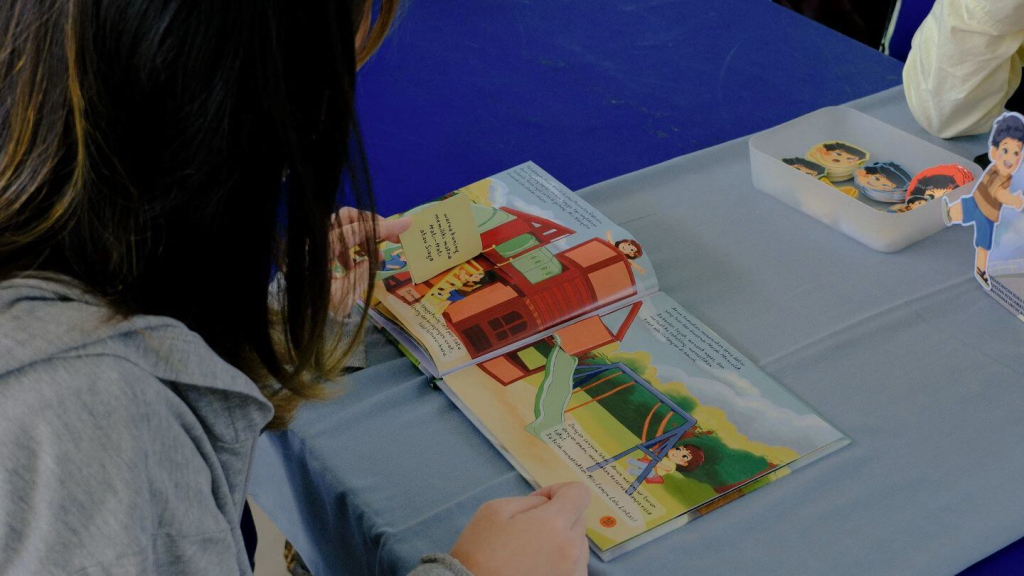
Allow them to read books with stories that help children understand kindness and empathy while making friendship skills easier to learn through active experiences. Parents and teachers can focus on character traits like kindness, patience, respect, honesty, cooperation, and encouragement through stories, simple games, and engaging activities. Reflection activities that encourage children to think about how they felt, what they noticed, how others responded, and what behavior created a positive impact can help strengthen emotional awareness and social understanding.
Show positive friendship through example
Children learn a great deal by watching grown-ups, so parents and teachers who model healthy relationships can teach valuable friendship lessons naturally. Adults can speak respectfully about friends, show appreciation openly, resolve disagreements calmly, and maintain supportive relationships. Parents may also invite children to small gatherings with trusted friends to help children better understand the importance of positive friendships.
Create meaningful family and community traditions
Strong social connections often grow through consistent interaction, and families can create traditions like weekly family game nights, community activities, offline social time, shared meals with friends, and volunteer opportunities to encourage meaningful relationships. These traditions help children associate friendship with joy, belonging, and positive experiences while giving them opportunities to practice communication, cooperation, and respect through everyday play and interaction. Supportive spaces for safe and meaningful social interaction can also strengthen family relationships and build children’s confidence in social settings.
Encourage healthy digital habits
As children grow older, digital interactions may begin influencing friendships and self-esteem. Parents and teachers should guide children in understanding healthy device habits, respectful communication, and the emotional effects of online comparison. Families may establish clear rules for screen time while encouraging face-to-face interaction whenever possible.
Help children handle conflict and forgiveness
Even healthy friendships experience conflict, so teaching children how to repair relationships can help build emotional resilience and stronger friendship skills. Adults can guide children through apology steps by encouraging them to acknowledge the mistake, express sincere regret, ask how to make things better, and change their behavior moving forward.
Role play activities also help children practice resolving friendship problems respectfully while understanding that forgiveness does not mean accepting repeated hurtful behavior and that healthy boundaries still matter.
Creating a positive friendship culture starts at home
A child’s understanding of friendship often begins at home. Families who create supportive environments help children feel secure, respected, and emotionally connected. These routines teach children the importance of listening, empathy, and emotional connection.
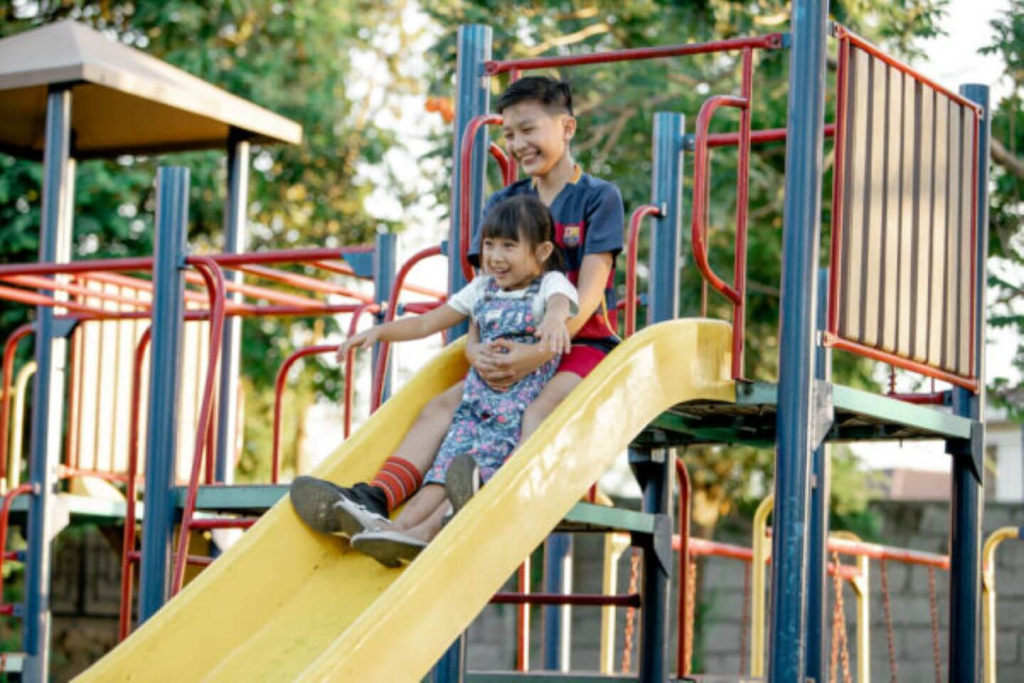
In communities where children have safe spaces to play and connect, friendships often grow more naturally. Neighborhood activities, shared amenities, and outdoor spaces give children opportunities to spend time with peers, practice teamwork, and build confidence through positive interactions.
For many families, environments that encourage connection can make a meaningful difference in a child’s emotional and social development. Communities like Camella provide family-friendly spaces where children can enjoy play, interaction, and shared experiences that support healthy relationships.