



Every June 12, the Philippines moves through familiar scenes that repeat across cities, towns, and barangays. School children carry small Philippine flag cutouts under the morning sun. Roads in Manila close for an Independence Day parade.
Community halls prepare cultural shows while families gather for lunch after attending a flag-raising ceremony. Unlike some national holidays built around commercial events, Philippine Independence Day often remains closely tied to family routines, civic activities, and local traditions.
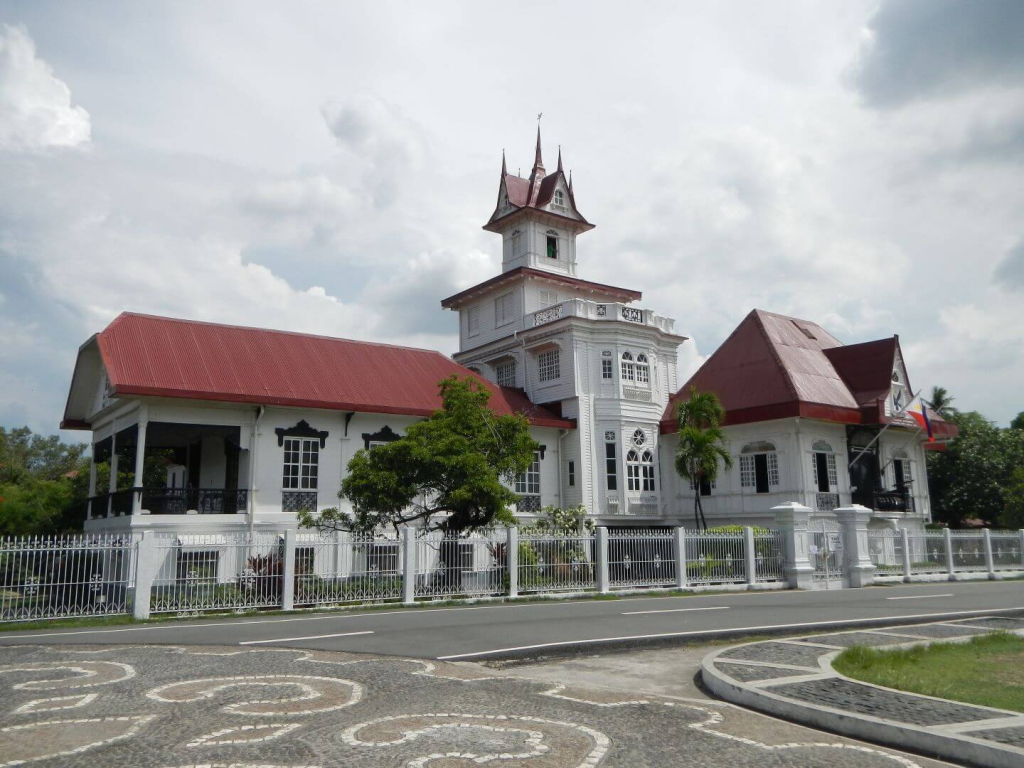
The holiday commemorates the country’s declaration of independence from Spain on June 12, 1898, led by Emilio Aguinaldo in Kawit, Cavite. Although the country’s freedom would later face challenges under the Spanish-American War and the American forces, the date continues to hold symbolic importance for the Filipino culture. It marks a defining moment in the country’s history and remains one of the most widely observed celebrations in the Philippines.
The meaning of the June 12 Philippine independence
The story of Philippine independence is a story of freedom from centuries of Spanish rule and a direct result of the growing nationalist movement in the country during the late nineteenth century. Filipino reformists, helmed by figures like Dr. Jose Rizal, considered by Spain as a rebel leader, helped shape political awareness during the final years of the Spanish colonial rule, while revolutionary groups pushed for separation from the Spanish government.
On June 12, 1898, Aguinaldo proclaimed the country’s declaration of independence in Cavite. The event also introduced the Philippine flag and the national anthem to the public. The establishment of the first Philippine Republic soon followed, although conflict with the United States complicated the country’s path toward becoming an independent nation.
Ironically, it was within Independence Hall in Philadelphia, U.S.A., that the founding fathers of America debated and ultimately signed the U.S. Declaration of Independence, following the 1898 Spanish-American War, in which the U.S. chose to colonize the Philippines.
Filipino diplomats, supported by anti-imperialist groups in America, engaged in heated debates about the control of the Philippines without the consent of the governed, which is against the core freedom principles that Independence Hall stands for, citing principles from famous authors like Thomas Jefferson, who famously declared that all men are created equal.”
Aside from June 12, July 4th was also once celebrated as the country’s Independence Day to commemorate the date when Americans officially recognized Philippine sovereignty. In 1962, however, Diosdado Macapagal moved the national holiday back to June 12, placing focus on the original declaration led by Filipino revolutionaries.
For nearly two decades, the Philippines celebrated its Independence Day on July 4, the date on which the United States formally recognized the country’s independence. However, in 1962, then-President Diosdado Macapagal issued a presidential proclamation announcing June 12 as a special public holiday. The late president vehemently asserted that a nation’s recognition of its own freedom should not be dictated or consented to by another country. The shift from July 4 to June 12 became permanent when Republic Act No. 4166 was ratified by congress and signed into law in 1964. July 4 thus became the Philippine Republic Day or Filipino-American Friendship Day.
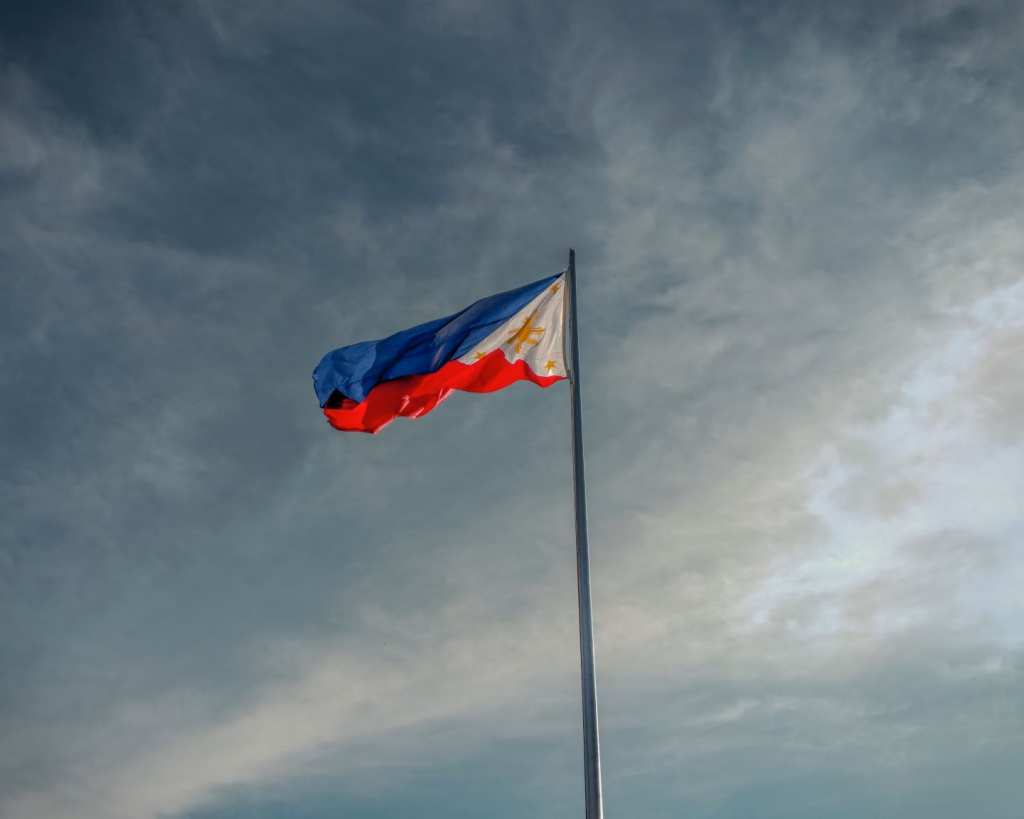
Today, the Philippine flag remains the strongest symbol associated with that original declaration. Its blue and red fields represent peace and courage, while the sun and stars honor liberty and regional unity.
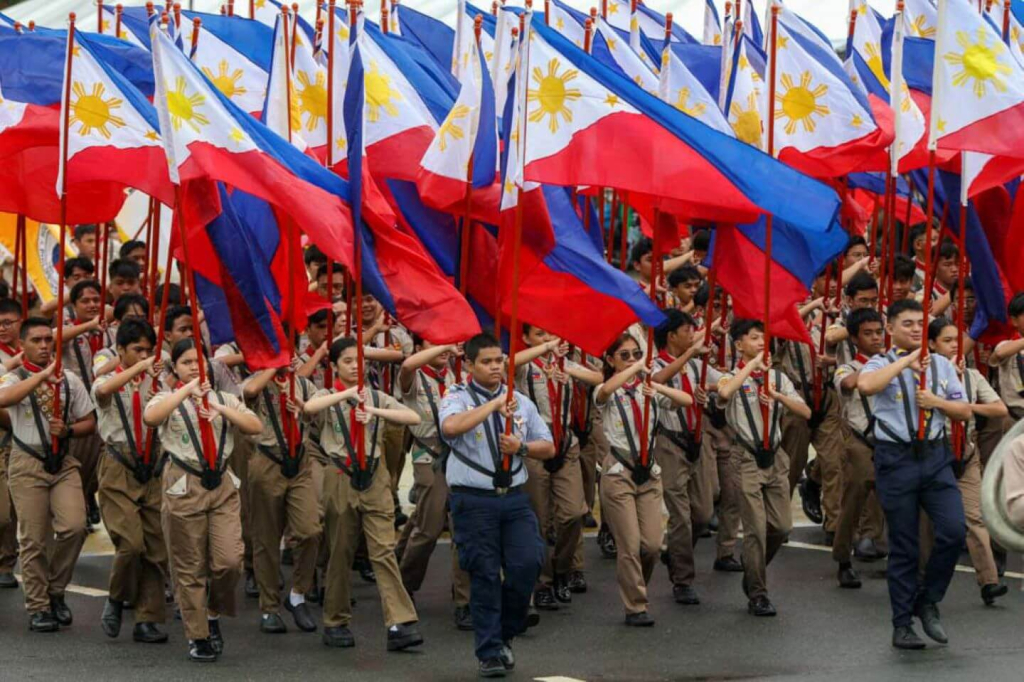
Image from ABS-CBN News
Local Independence Day events and ceremonies
Public events remain among the most visible ways to celebrate Independence Day in the Philippines. Cities and municipalities usually organize ceremonies early in the morning, especially before the midday heat becomes difficult for crowds.
Local government events
A flag-raising ceremony often begins shortly after sunrise. Local government offices, schools, and national parks may hold synchronized programs featuring the national anthem, speeches, and wreath-laying activities. Families attending these events usually arrive early to secure parking and avoid heavy traffic caused by road closures.
Independence Day parades
Large urban centers such as Manila commonly host an Independence Day parade featuring marching bands, students, military units, civic organizations, and cultural performers. Organizers typically coordinate permits weeks in advance, particularly when major roads are involved. Public-address systems, medical stations, and traffic rerouting plans are also important for large-scale celebrations.
Historical reenactments
Historical reenactments have also become common in several provinces. Some communities stage short performances depicting the revolutionary war, the declaration, and other important moments when Filipinos fought during the transition from Spanish to American control. These events give younger audiences a clearer picture of how the country reached independence.
Families attending crowded celebrations should prepare carefully. Bringing water, umbrellas, small first-aid kits, and portable fans can make outdoor events more manageable during June weather conditions.
Family-friendly ways to celebrate independence at home
Not every Independence Day celebration needs to involve large public gatherings. Many Filipino households prefer smaller activities that allow the whole family to spend time together throughout the holiday.
Crafts and games for children
Simple activities can help children connect with the Philippine history in practical ways. Parents can prepare paper Philippine flag crafts, organize poster-making contests, or create a timeline activity covering major historical events from the Spanish colonial rule to the formation of the Philippine Republic.
A history-themed trivia game also works well for family gatherings. Some households organize a backyard mini-parade where children dress as national heroes or carry handmade banners celebrating freedom and patriotism.
Filipino food traditions during the holiday
Food remains central to many Philippine celebrations. Independence Day meals often include familiar dishes shared across generations, from pancit and barbecue to regional specialties prepared for larger family gatherings.
This family-centered approach is one reason Philippine Independence Day maintains strong participation across age groups. The holiday is not limited to formal ceremonies; it also becomes a day for reconnecting with relatives and community traditions.
Teach Philippine history in engaging ways
One of the better ways to celebrate independence involves helping younger Filipinos understand why the holiday matters beyond being a day off from work or school.
Teaching kids about the Declaration of Independence can provide useful context, especially for the younger ones learning about the event for the first time. Parents and teachers may highlight phrases connected to liberty, sovereignty, and self-government while explaining how Filipinos resisted foreign control.
The broader historical context also matters. The Spanish-American War changed political conditions throughout the region and complicated the Philippines’ transition toward self-rule. Although Filipino revolutionaries declared independence in 1898, conflict involving the United States continued afterward.
For older students, discussions can explore how the country pursued international recognition and why debates about independence remained important throughout the twentieth century. Comparing Philippine history with other movements against British rule or other colonial governments may also help place the country’s experience within a wider global context.
Museums and historical sites provide additional learning opportunities during June celebrations. Aguinaldo Shrine remains one of the country’s most visited Independence Day destinations because it served as the site of the original declaration.
Community activities that build patriotic spirit
Community-centered celebrations continue to shape how many Filipinos observe the holiday. Barangays, schools, and civic groups frequently organize activities that combine entertainment with civic participation.
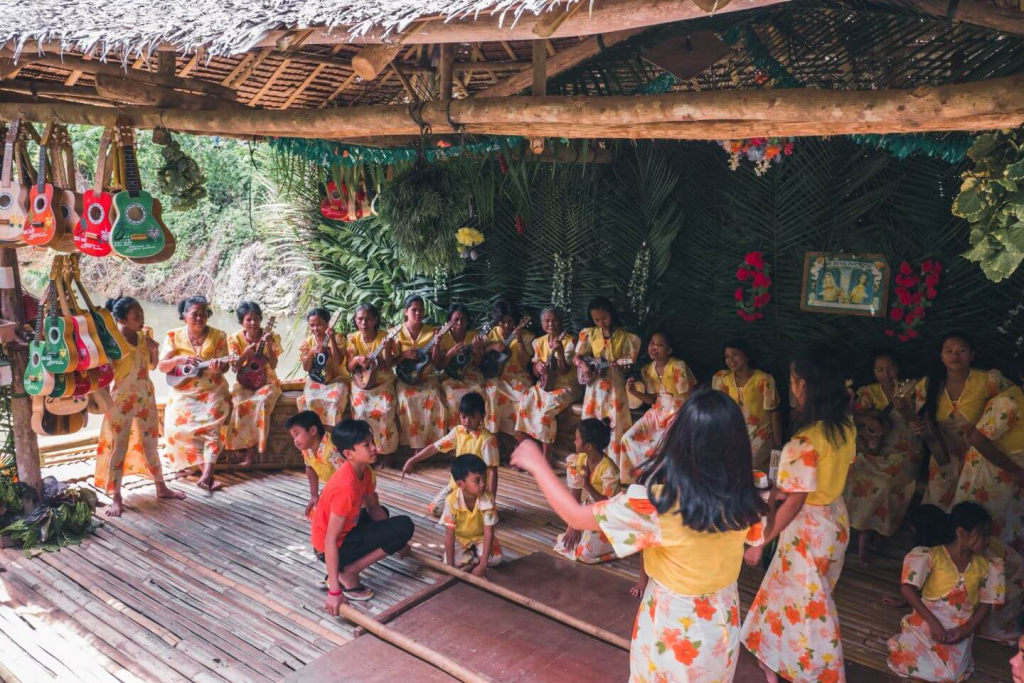
Cultural performances remain especially popular during June events. Folk dance groups, marching bands, choirs, and theater organizations often perform during town programs or mall-sponsored celebrations. Historical skits depicting the declaration or the lives of revolutionary figures help make history more accessible to younger audiences.
Food fairs featuring regional Filipino cuisine are also common. These events allow local businesses and home cooks to participate while showcasing different traditions from across the country.
Some communities focus on service-oriented programs instead. Neighborhood cleanups, tree-planting activities, and civic education workshops encourage residents to connect patriotism with public responsibility. Veteran appreciation events also continue in several provinces, particularly in areas with strong military history.
These smaller gatherings often create stronger local participation than large national productions. When Filipinos gather for barangay activities, school events, or local celebrations, the holiday becomes less about spectacle and more about shared responsibility within one country.
Keeping Independence Day meaningful in modern Filipino life
As modern celebrations become increasingly influenced by social media trends and commercial events, many Filipinos continue searching for a better way to celebrate independence with substance and relevance.
For some families, this means teaching children about the country’s declaration instead of limiting the holiday to online greetings. For others, it means supporting community activities, visiting historical landmarks, or spending time discussing the country’s progress and continuing challenges.
Philippine Independence Day continues to carry meaning because it connects personal memory with national history. It reminds Filipinos that freedom was shaped by sacrifice, political struggle, and collective participation across generations.