




Image source: Freepik
Introduction
Finding the right cooling solution at home is not as simple as picking the cheapest unit in the store. In a country where heat and humidity are part of daily life, choosing the right system affects comfort, electricity bills, and even long-term property value. This guide to buying a home air conditioner focuses on practical decisions Filipino homeowners face, from space constraints to energy costs. Whether you are upgrading an old air conditioner or planning to install a new air conditioner in a newly built home, understanding how different air conditioning units perform in real conditions makes all the difference.
Choose Based on Installation Constraints
Most homeowners begin with a basic limitation: what can actually be installed in their space. The structure of your home often determines which types of air conditioners are even possible.
When Window Units or Window-Type AC Are Structurally Required
For older homes or rooms with pre-existing openings, window units remain a straightforward option. A window-type AC is installed directly into a wall or window frame, making it ideal for compact areas where installing separate indoor and outdoor units is not feasible.
These AC units are self-contained, meaning all the components are housed in a single body. While convenient, they can be noisier due to the outdoor compressor being integrated into the same unit. They also require proper placement along an exterior wall to vent hot air efficiently.
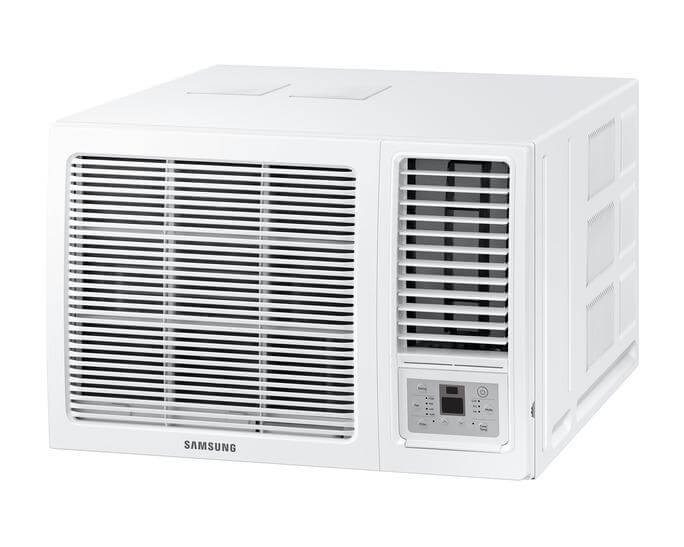
Image source: https://www.samsung.com/ph/business/air-conditioners/wall-mount/air-conditioner-window-type-inverter-aw12ayhgawkntc/
When Wall-Mounted Units or Split Air Conditioners Are Feasible
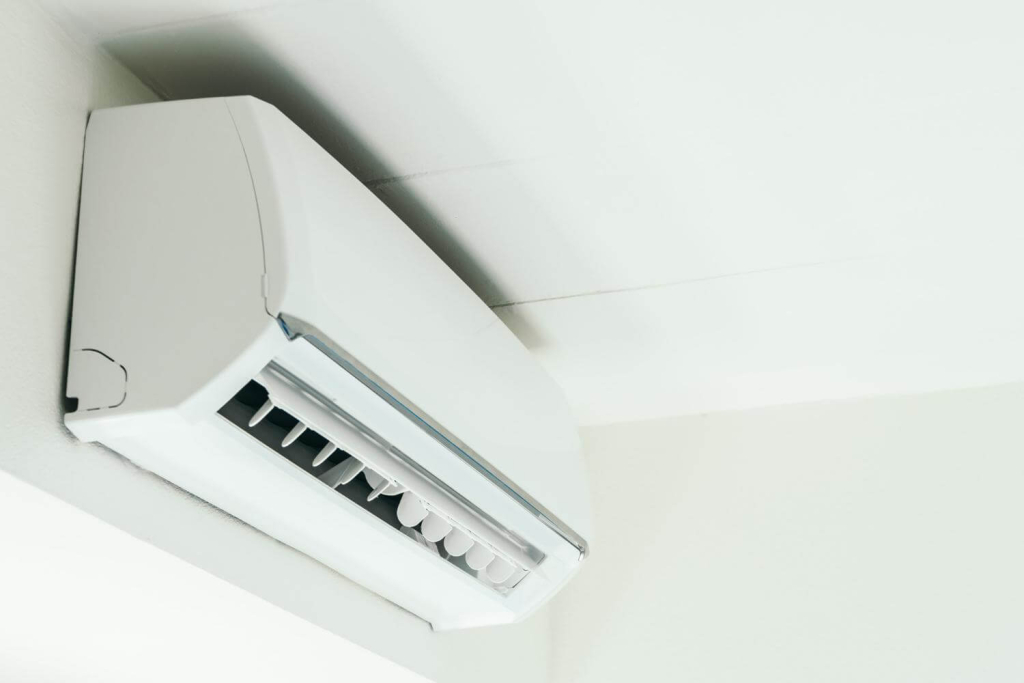
Modern homes increasingly favor split air conditioners. These systems consist of an indoor unit and an outdoor unit, connected by refrigerant lines. The indoor unit distributes cool air, while the outside unit handles heat exchange.
Wall-mounted units are popular because they offer better quiet operation and improved indoor air quality compared to window units. Since the outdoor unit is placed outside, noise levels indoors are significantly reduced. However, installation requires space for both indoor and outdoor units, including access to an exterior wall.
When Portable Air Conditioners or Portable Units Are the Only Practical Option
In cases where permanent installation is not possible, portable air conditioners offer flexibility. These portable units can be moved between rooms and require minimal setup. They are suitable for renters or temporary living arrangements where structural modifications are not allowed.
Still, portable air comes with trade-offs. These systems typically have lower cooling power and require floor space. They also need a way to vent hot air, usually through a window. While convenient, they are rarely the perfect air conditioner for long-term residential use.
Select an Air Conditioner Based on Room Coverage
Once installation constraints are clear, the next decision revolves around how much of your home you want to cool.
Single Split System for One Room with Dedicated AC Units
A single split system is designed to cool one room using one indoor unit paired with one outdoor unit. This setup is ideal for bedrooms or small living areas where independent temperature control is preferred. Many residential AC units fall under this category.
Homes in master-planned communities, such as those in areas like Camella Evia, sometimes consider this system when designing long-term comfort solutions. It offers a balance between performance and cost, especially for households that do not require full-house cooling.
Multi-Split System Using One Outdoor Unit Connected to Multiple Indoor Units
A multi-split system allows multiple indoor units to connect to just one outdoor unit. This is useful for homes with several rooms but limited outdoor space. With one outdoor unit connected to different rooms, homeowners can reduce clutter outside. In some configurations, just one outdoor unit can support two units or more indoors. This setup is common in townhouse developments where exterior space is restricted.
Central Air or Ducted Air Conditioning for the Entire House
For larger properties, central air or ducted air conditioning provides uniform cooling across the entire house. These systems distribute cool air through ducts installed in ceilings or walls. Central air conditioning offers consistent temperature control but requires higher upfront costs and more complex installation. It is often planned during construction rather than added later.
Calculate Total Air Volume in Your Space
After choosing the system type, the next step is determining how much cooling your space actually needs.
- Ceiling height: Cooling requirements are based on room size, but square footage alone is not enough. Ceiling height must also be considered to calculate total air volume. A room with high ceilings requires more cooling capacity than a standard one. Ignoring this leads to underpowered units that struggle to maintain the desired temperature.
- Rooms with direct sunlight: Rooms with an exterior wall exposed to direct sunlight absorb more heat throughout the day. A heavily shaded room, on the other hand, may require less cooling power.
- Philippine climate: Local climate also plays a role. In areas with intense humidity, air conditioning systems need to work harder not only to cool but also to manage moisture. This directly affects energy usage and system performance.
Match Cooling Capacity to Real Daily Usage Patterns
Cooling needs are not static. They change depending on how a space is used throughout the day. Cooling capacity should reflect how often the room is used and how many people occupy it. For instance, a living room that hosts family gatherings will require more cooling power than a bedroom used only at night.
Understanding how air conditioners work helps here. They remove heat from indoor air and release it outside. If the unit is undersized, it will run continuously without reaching the desired temperature, increasing energy consumption.
Adjust Settings Based on Desired Temperature and Time of Use
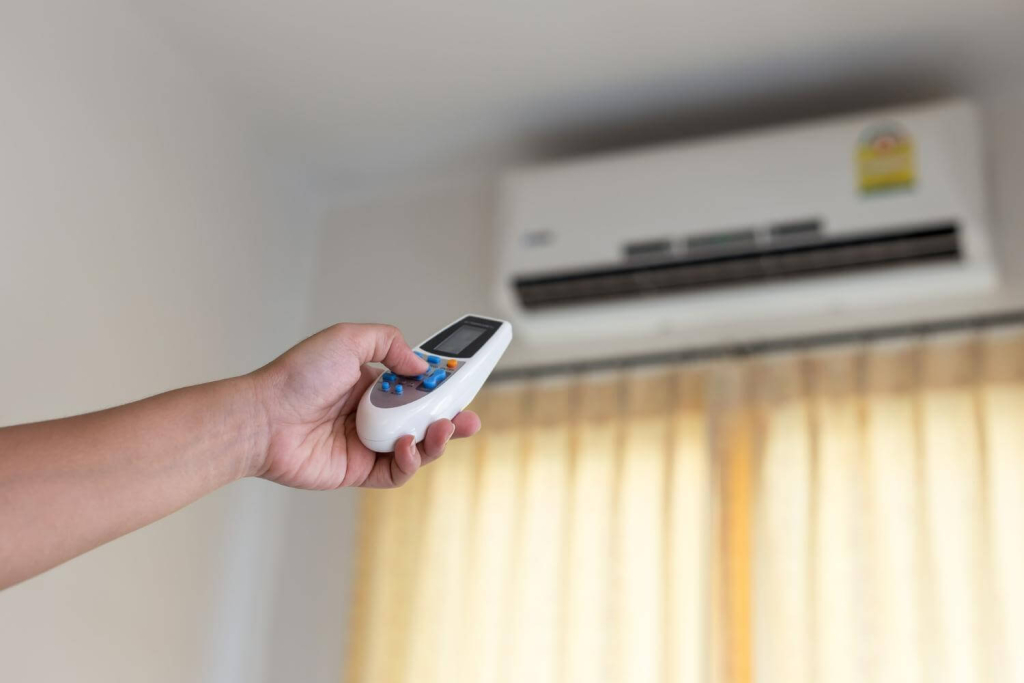
Setting the desired temperature too low does not cool a room faster. It only increases electricity consumption. Smart use of settings helps balance comfort and efficiency. Many systems now include an energy-saving setting that adjusts cooling output based on room conditions. This reduces unnecessary energy usage while maintaining comfort.
Evaluate Energy Efficiency Rating
Energy performance plays a major role in long-term costs, especially in households where air conditioning runs daily. The energy efficiency ratio and energy efficiency rating indicate how effectively a unit converts electricity into cooling. Higher values mean better performance and lower energy consumption. Choosing energy-efficient units helps reduce the energy bill over time, even if initial costs are slightly higher.
Inverter Technology
An inverter air conditioner uses inverter technology to adjust compressor speed based on cooling demand. This allows the system to operate at variable speeds instead of turning on and off repeatedly. A non-inverter AC, on the other hand, runs at a fixed speed, which leads to higher electricity consumption.
Inverter models use less energy and provide more consistent cooling, making them ideal for long operating hours. Many newer models also incorporate energy-saving technology that optimizes compressor performance and airflow, helping reduce electricity consumption without sacrificing comfort.
Maintenance, Durability, and System Lifespan
The purchase price is only one part of the equation. Long-term expenses often outweigh initial savings. Lower upfront costs may seem appealing, but they often come with higher electricity consumption. Over time, this leads to a higher electric bill.
Investing in a more efficient unit reduces the energy bill and overall energy usage, making it more cost-effective in the long run. Regular maintenance also ensures that all the components function properly. Systems with durable parts and reliable performance reduce repair costs over time.
Assess How It Will Affect Indoor Air Quality and Control
Air conditioner features go beyond convenience. They directly impact comfort and air quality. Here are a few things to check out before you purchase a unit:
- Improve Indoor Air Quality: Modern systems include filters that improve indoor air quality by removing dust and pollutants. This is especially important in urban areas where outside air may carry contaminants. Proper airflow also ensures that cool air circulates evenly, preventing hot spots within the room.
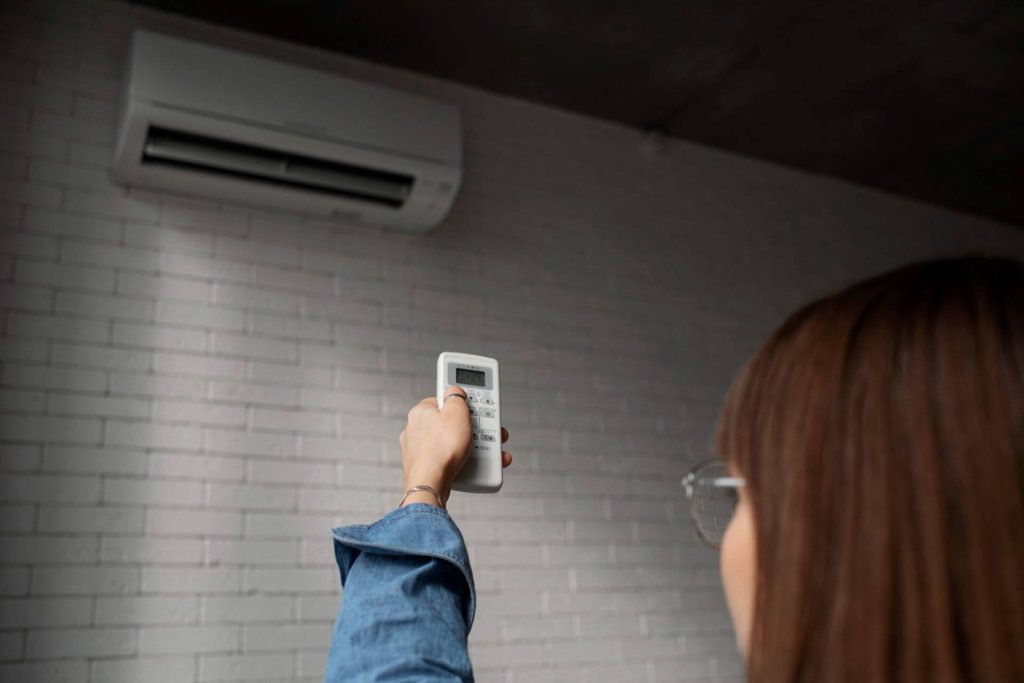
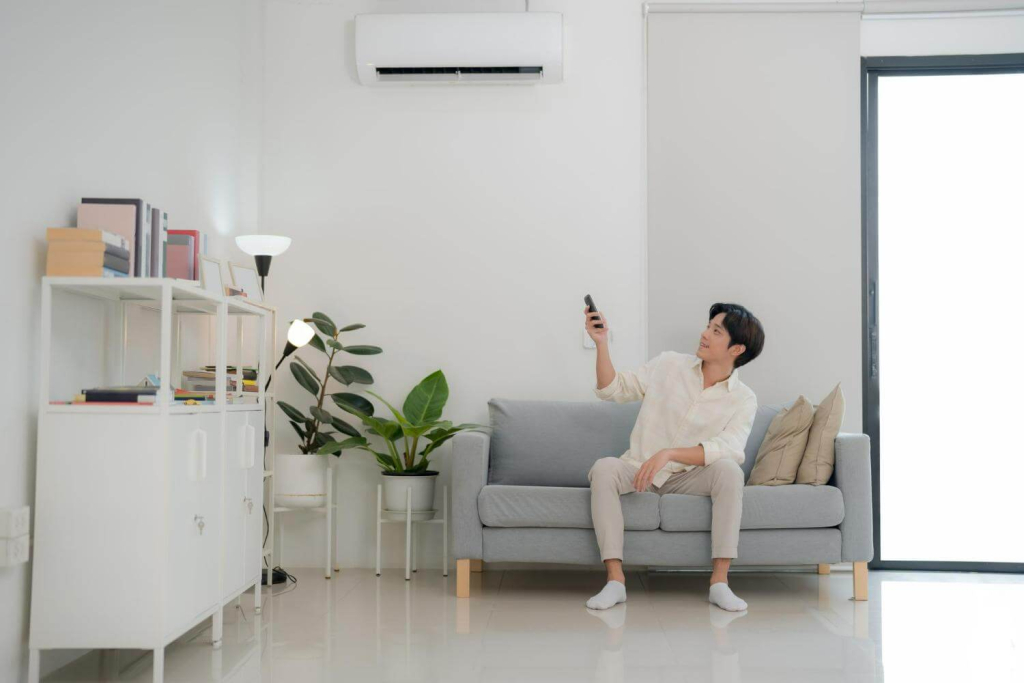
- Smart Controls: Features such as remote control and digital displays allow users to adjust settings easily. These controls help maintain consistent comfort without manual adjustments.
- Adjustable Louvers and Variable Speeds: Adjustable louvers direct airflow where it is needed, while variable speeds allow the system to adapt to changing conditions. These features improve both comfort and energy efficiency.
Compare Final Models Based on Verified Specifications
At this stage, the decision shifts from general categories to specific models. The final decision often comes down to practical trade-offs with each air conditioner. Choosing an air conditioner at this stage should reflect actual performance, not just brand preference or price. Here’s a rundown of what you should look out for:
- Review technical specifications carefully. Cooling capacity should match room requirements, while the energy efficiency rating indicates long-term performance.
- Energy consumption. Figures help estimate monthly operating costs, giving a clearer picture of total expenses.
- Not all air conditioners offer the same durability or features. Comparing build quality, materials, and included functions helps narrow down the best option.
- Check the over all system of the unit. Look for systems with reliable outdoor compressor performance, efficient cooling system design, and consistent airflow. The right air conditioner balances performance, durability, and cost without unnecessary complexity.
Conclusion
Choosing an air conditioning system requires a clear understanding of space, usage, efficiency, and long-term costs. From deciding between window-type AC and split system options to evaluating inverter technology and energy efficiency rating, each step shapes the final outcome. Using this structured air conditioner buying guide ensures that decisions are based on real needs rather than guesswork. With careful planning, homeowners can find air conditioners that deliver reliable cooling, manageable electricity consumption, and lasting comfort suited to the Philippine climate.