



In many Filipino homes, the arrival of Holy Week is felt before it is explained. Roads grow less crowded, television programs change, church bells seem to carry farther in the warm air, workers assigned elsewhere, and students pursuing education in cities come home to their respective provinces. Children notice these differences. They sense that something important is happening, even if they do not yet understand the full meaning of the sacred season.
For parents and grandparents, this becomes an opportunity. Through intentional Filipino Lenten activities for kids, families can help children understand not only what happened during Lent, but why these days continue to matter in everyday life.
How to make children understand the importance of the Lenten season
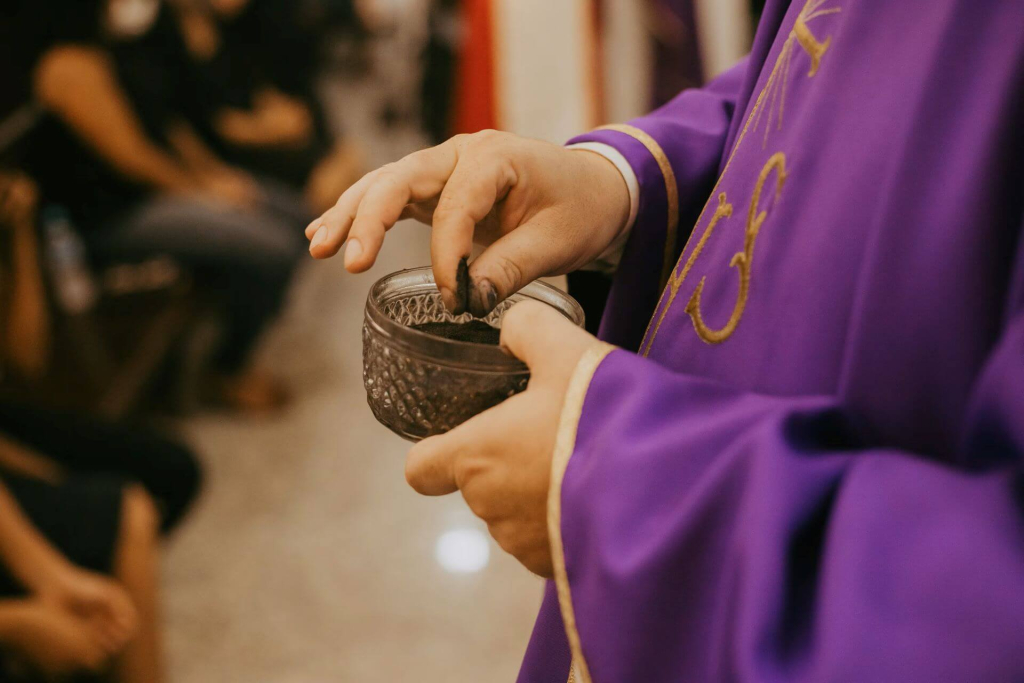
Before planning engaging activities, it helps to ground children in the story behind it. Make them understand the Lenten season is not simply a long break from school or a change in routine. Emphasize that it is a period of reflection, prayer, and preparation that begins on Ash Wednesday and culminates on Easter Sunday.
By walking through these key events together, families can make the week coherent and meaningful for the young ones.
Tell the story of the season
Young children and kids learn best through narrative. Retelling the Bible story of Jesus Christ in age-appropriate language allows them to see the flow of the week. For example, you can gather Holy Week resources and break down the days like this:
- Ash Wednesday: A reminder that we are called to renew our relationship with God through humility and self-discipline.
- Palm Sunday: The day people welcomed Jesus into Jerusalem, waving palms as a sign of hope.
- Holy Thursday: The last supper, when Jesus shared a final supper with His disciples and taught them about service and love.
- Good Friday: The day of the cross, when Jesus accepted sacrifice.
- Black Saturday: A day of waiting and silence, remembering what happened and allowing space to reflect.
- Easter Sunday: The resurrection, a celebration of new life and renewed faith.
Rather than overwhelming them with theology, focus on how to teach kids the proper way so they understand Jesus’ journey as a story of love, courage, and trust. Ask simple questions: Why did people welcome Him? Why did He choose to forgive? What does sacrifice mean in our own family? When children see the sequence, they begin to grasp the importance and significance of each day within the larger week.
Use a Lenten calendar to guide reflection
A practical tool is a Lenten calendar that assigns small daily Lent activities. This gives structure to the forty days and helps children participate consistently. Families can:
- Add one small act of kindness each day
- Set aside a few minutes to pray together
- Write one sentence about gratitude on notebook pages
- Encourage children to write a short reflection on what they learned
These simple acts build effort and the necessary discipline. They show that even small gestures matter in nurturing faith. Over time, children see that Lenten activities is more about commitment rather than grand gestures.
Filipino Lenten activities for kids at home
While community traditions are central in the Philippines, the home remains the first place of teaching. Parents can create engaging and even fun ways to deepen kids’ understanding of Lent without making it feel forced.
1. Bible-based storytelling and reflection time
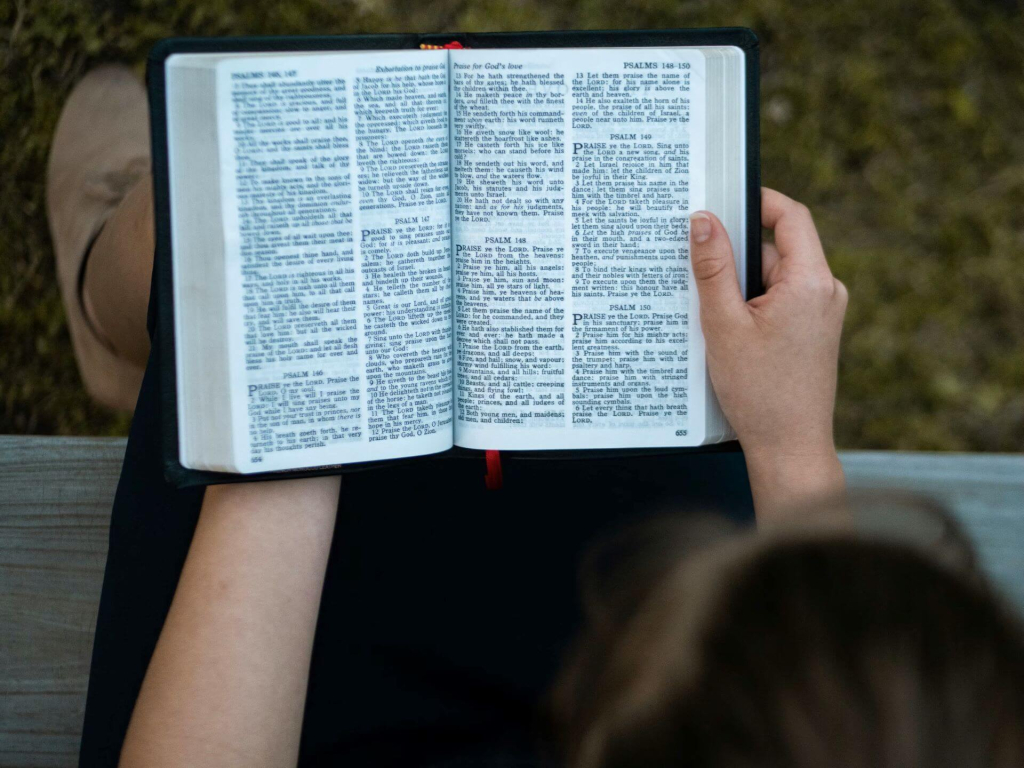
Setting aside one evening each week for a focused bible session can anchor the experience. Choose one Bible story connected to the week’s theme, like the entry into Jerusalem, the washing of feet, or the empty tomb.
After reading, invite children to:
- Draw their version of the scene
- Retell the story in their own words
- Share one lesson they learned
Older kids may write a short paragraph describing how the story connects to their ownlivese. Younger kids might simply describe how they think the characters felt. The goal here is to help children understand that these events are personal and relational.
2. Craft ideas that teach meaning
Hands-on craft ideas make abstract ideas more concrete. Through simple crafts, children can create reminders of what they are learning. Some thoughtful options include:
- Making a paper cross decorated with written prayers
- Designing resurrection-themed eggs that symbolize new life
- Using colored jelly beans to explain aspects of the story, with each color representing a part of the journey from sacrifice to joy
Parents can explain that even small objects carry meaning. For example, an egg becomes more than a decoration when connected to the idea of the resurrection. In this way, fun remains present, but the activity stays grounded in the deeper message.
3. Encourage small sacrifices and self-discipline
Children often associate sacrifice with giving up sweets or screen time. While these are valid, it helps to frame them as intentional choices that strengthen character.
Encourage kids to:
- Skip one treat and offer that moment in prayer
- Help a sibling without being asked
- Avoid complaining for an entire day
These practices cultivate self-discipline and show that Lent is about shaping the heart. Over time, children begin to see that these efforts strengthen their relationship with God and with one another.
Participating in church and community traditions
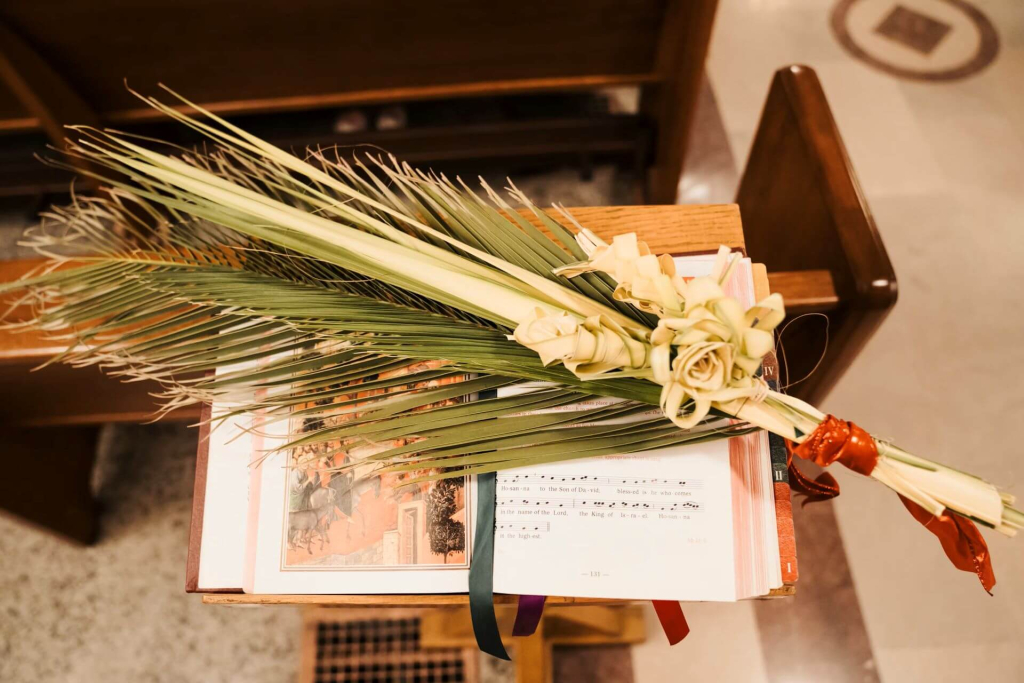
In the Philippines, church traditions remain central during holy week. The community dimension reinforces that faith is shared instead of an individual pursuit. When children actively participate, they learn that their presence matters.
Church visits and prayer walks
Many Filipino families observe Visita Iglesia or attend Stations of the Cross. Turning these into a gentle walk of guided reflection helps children stay attentive.vBefore going, explain what will happen. During the visit, pause to light a candle, offer a short prayer, and ask the children what part stood out to them.
Through repetition, traditions become familiar. Children see how generations before them kept these practices alive and they begin to associate the solemn atmosphere with reverence rather than restriction.
Supporting meaningful acts in the community
Lent also encourages outward-looking acts. Families can support simple initiatives such as donating goods, preparing food for someone in need, or assisting in parish activities.
Explain to children that these actions help the people around them as much as they are tangible expressions of faith and solidarity. When kids realize their small contribution can support others, they understand that goodness is active.
These shared efforts reinforce that what we do during Lent continues to shape our daily life beyond the season.
Preparing children to celebrate Easter
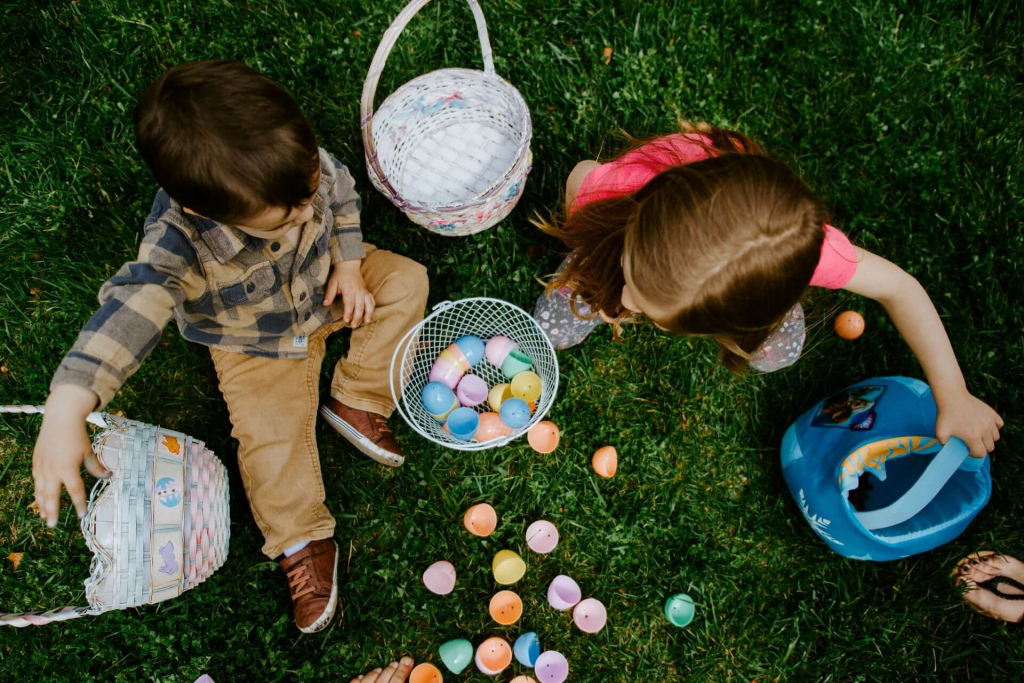
After the solemn days of Good Friday and Black Saturday, the tone changes. Yet Easter is not merely festive. It is the culmination of everything learned throughout the Lenten season. Helping children bridge that transition is essential.
Talking about new life and resurrection
Sit together on the evening before easter sunday and revisit the story. Ask: What happened after the tomb was found empty? Why is the resurrection important?
Emphasize that new life is not only about springtime images, but about hope renewed. Children can share one habit they want to continue beyond Lent, perhaps daily prayer or regular acts of kindness.
When they see Easter as fulfillment rather than interruption, celebration becomes richer.
Making Easter Sunday intentional, not just festive
Filipino families often gather to eat, exchange greetings, and sometimes host egg hunts. These moments can remain joyful while still meaningful.
Before festivities begin, gather everyone for a short prayer. Acknowledge the journey from Ash Wednesday to Easter Sunday. Remind children of the meaning behind the eggs, the meals, and the laughter.
Finally, encourage them to share one thing they learned. This closes the loop of the season and reinforces its importance.
Traditions start at home
Through thoughtful Filipino Lenten activities for kids, families transform routine observances into formative experiences. By explaining the story of Lent, encouraging reflection, practicing small sacrifices, and joining community traditions, parents help children see the coherence of the season.
In time, what remains are not only memories of rituals, but habits of prayer, generosity, and shared faith. These moments—reflective conversations, shared walks to church, simple crafts at the table—shape how children carry the story of Jesus Christ into their own lives.
Discover homes at Camella where family traditions, faith-centered gatherings, and shared community spaces nurture meaningful moments that celebrate Filipino values and togetherness.