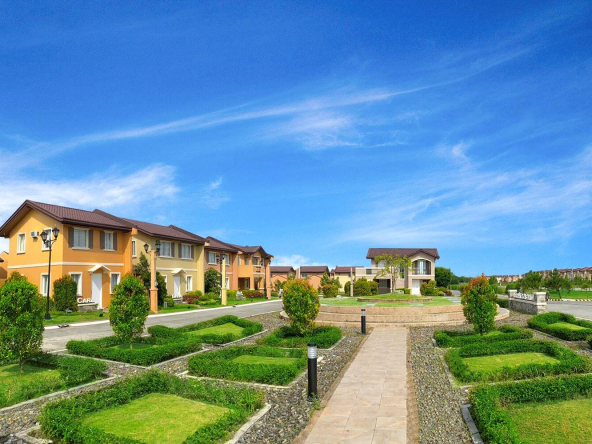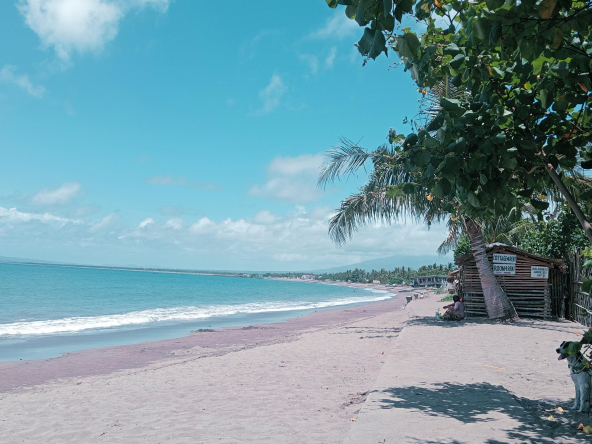




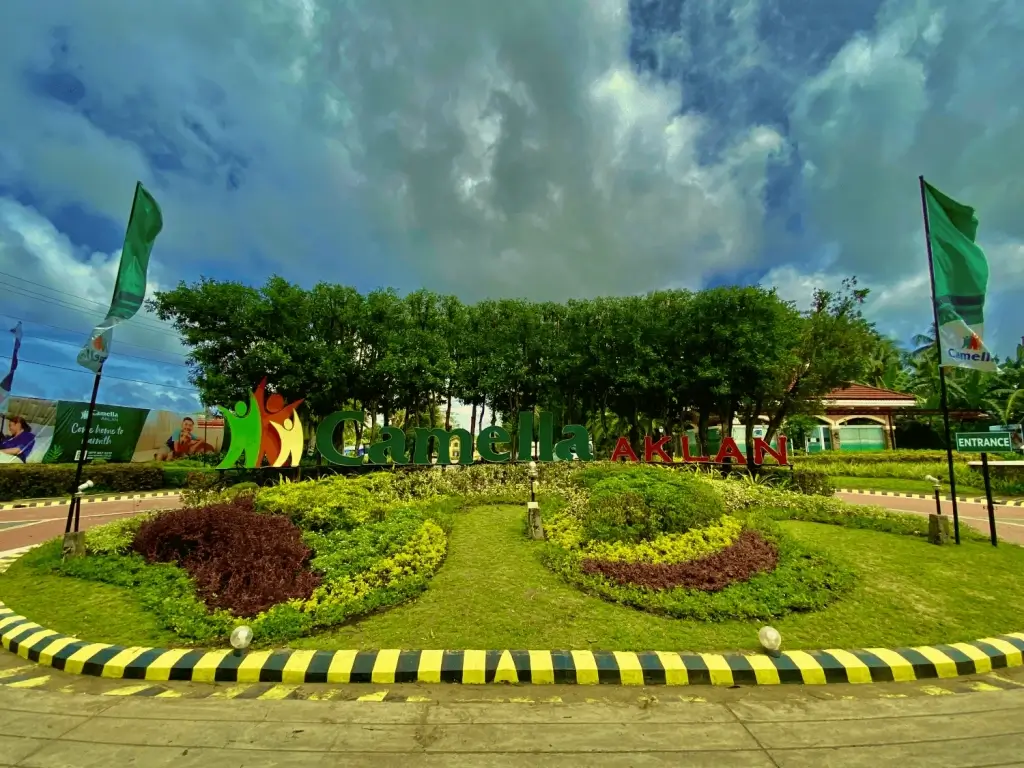
Image source: Camella Aklan
Introduction
Panay Island occupies a strategic position within the Western Visayas region, serving as both a geographic connector and an economic anchor in the broader Visayas. Bounded by major sea lanes and supported by expanding air and land transport networks, the island has long served as a center for trade, migration, and settlement. Today, those same fundamentals are shaping a more structured and diversified real estate market that reflects shifting investment patterns across the country.
Unlike destinations driven solely by tourism or extractive industries, Panay Island’s real estate landscape is anchored by sustained economic growth, expanding urban centers, and a growing base of end-users and investors. As infrastructure development continues and regional economies mature, the island is increasingly evaluated not as an alternative market, but as a primary location for long-term property investment grounded in measurable fundamentals.
Panay Island
Panay Island sits at the center of inter-island movement in the Visayas region, linking key shipping routes between Luzon and Mindanao. Its ports, highways, and airports support the movement of goods, labor, and services across provinces, reinforcing the island’s role in regional economic activity. This strategic location has allowed multiple urban centers to develop simultaneously, rather than concentrating growth in a single city.
The island’s spatial layout supports a network of key cities rather than a dominant metropolitan core. This structure distributes risk and creates varied entry points for real estate investors with different objectives, whether focused on residential properties, commercial spaces, or mixed-use developments. As a result, Panay Island offers a more balanced real estate market compared to regions where growth is concentrated in one urban corridor.
Investing in Panay Island Property
Investing in Panay Island property has gained attention as investors reassess risk, pricing, and long-term returns across Philippine real estate markets. Rising purchase price levels in highly saturated locations have pushed many investors to evaluate regional markets where infrastructure projects and economic expansion are still unfolding.
Panay Island’s appeal lies in its combination of scale and diversity. The presence of multiple urban centers, expanding job opportunities, and steady population growth supports a real estate investment environment that is less vulnerable to single-sector downturns. This has attracted both domestic and foreign investors seeking assets aligned with sustainable growth rather than short-term speculation.
Economic Growth and Regional Stability
Western Visayas presents consistent economic stability driven by services, trade, agriculture, and manufacturing. This diversified base supports a robust economy that continues to absorb labor and attract capital. Panay Island, as the region’s economic core, benefits directly from this resilience.
Robust economic growth across the island translates into rising purchasing power and expanding demand for housing, retail, and office space. These conditions create a supportive environment for property investment decisions grounded in actual market absorption rather than projected demand alone.
Infrastructure Projects as Investment Multipliers
Infrastructure development plays a central role in shaping property value across Panay Island. Ongoing infrastructure projects, including road expansions, port upgrades, and airport improvements, are reducing travel times between provinces and strengthening connections to national markets.
These investments enhance accessibility to major cities and secondary growth areas alike. For real estate investors, infrastructure development functions as a multiplier, increasing land usability, supporting urban development, and improving the long-term growth rate of surrounding properties.
Property Types
The real estate market on Panay Island is defined by a diverse range of property types shaped by geography, income distribution, and urban planning policies. This diversity allows investors and end-users to match asset selection with specific financial and lifestyle objectives.
Residential offerings include traditional house-and-lot developments, townhouse formats, and low- to mid-rise residential buildings. In urban centers, compact studio unit configurations are increasingly common, responding to workforce housing needs and affordability considerations. These units are typically designed with efficient square meter allocations and functional layouts that include a defined dining area.
Residential Properties and End-User Demand
Residential properties across Panay Island are largely driven by end-user demand rather than speculative trading. Growing job opportunities, rising purchasing power, and internal migration from rural areas to urban centers support consistent housing absorption.
This demand profile contributes to market stability, as pricing and inventory levels are anchored to actual household formation rather than short-term investor sentiment. For property owners, this environment supports long-term occupancy and predictable cash flow.
Vacation Homes and Secondary Markets
Vacation homes represent a smaller but distinct segment of the island’s property landscape. Demand for these assets is concentrated near transport gateways and tourism corridors rather than remote coastal areas. Proximity to Boracay Island has influenced this segment, but spillover demand remains selective and regulated.
Rather than driving speculative spikes, vacation homes on Panay Island that boasts natural beauty and rich cultural heritage, function as hybrid assets that balance personal use with rental income potential during peak travel periods.
Commercial Real Estate
Commercial real estate on Panay Island has expanded in response to structural economic activity rather than speculative demand. Office buildings, retail centers, and service-oriented commercial spaces have followed employment growth, population movement, and the decentralization of business functions from larger metropolitan areas.
In Iloilo City and Roxas City, commercial real estate demand is closely tied to professional services, healthcare, education, logistics, and retail. These uses support daily economic activity and generate stable occupancy, creating conditions that appeal to real estate investors seeking predictable rental income rather than volatile capital appreciation alone.
Commercial Spaces and Business Expansion
Commercial spaces across Panay Island are increasingly designed to support small and mid-sized enterprises rather than large-scale corporate headquarters. This reflects the structure of the local economy, where business hubs cater to regional firms, outsourcing operations, and service providers.
As business process outsourcing operations expand beyond Metro Manila, demand for flexible office layouts and support facilities has grown. This shift reinforces the role of commercial real estate as a long-term asset class supported by job creation and regional competitiveness.
Rental Yields and Market Segments
Rental yields in Panay Island’s commercial sector vary by location, access, and tenant profile. Properties located near transport corridors, central business districts, and mixed-use developments generally benefit from high demand and stronger lease retention.
Distinct market segments have emerged, ranging from neighborhood retail serving local communities to office developments aligned with professional and technology-driven services. These segments allow property owners to position assets according to risk tolerance and income expectations.
Growth Rate and Market Fundamentals
The growth rate of property values across Panay Island has remained aligned with income expansion and regional economic output. This correlation supports sustainable growth and reduces the likelihood of price corrections driven by overextension.
A robust economy anchored in services, trade, and manufacturing provides a stable foundation for continued appreciation, particularly in areas experiencing steady infrastructure development rather than sudden land conversion.
Demand Dynamics and Market Absorption
Growing demand has been observed across both rental and ownership markets, particularly in cities with expanding employment bases. Rental income prospects are strengthened by workforce mobility, while ownership demand reflects long-term settlement patterns rather than transient migration.
These demand dynamics contribute to market resilience, allowing the real estate market to absorb new supply without destabilizing prices.
Master Planned Communities
Master planned communities have become a defining feature of urban expansion across Panay Island. These developments reflect a shift in how real estate developers respond to infrastructure development, land availability, and long-term sustainability goals.
Rather than fragmented subdivisions, master planned communities integrate residential, commercial, and institutional uses within a unified framework. This approach supports efficient land use and aligns with public infrastructure planning.
In Roxas City, the presence of Pueblo de Panay Township has reinforced structured growth in northern Panay Island. These developments contribute to organized urban development and reduce pressure on older city centers.
Major Cities
Key Cities Anchoring the Island’s Economy
Panay Island’s real estate market is structured around several major cities, each with a defined economic function. Iloilo City serves as the island’s primary service and commercial center, while Roxas City anchors northern Panay Island as a logistics and agri-trade hub. Other major cities across the island support manufacturing, education, and regional governance.
This multi-nodal structure creates varied market segments, allowing property investment strategies to align with local economic drivers rather than relying on a single urban economy.
Northern Panay Island and Regional Balance
Northern Panay Island plays a stabilizing role in the island’s overall economic structure. Roxas City, known as the seafood capital, supports fisheries, processing, and port-related industries that generate steady economic activity. This base sustains demand for residential properties and commercial real estate tied to trade and logistics. In Roxas City, residential expansion reflects both traditional subdivision growth and emerging mid-rise formats that serve a diversifying workforce.
Developments such as Camella Capiz in Brgy. Sibaguan, Roxas City, Capiz, responds to housing demand within established trade corridors, while Camella Manors Maurea in Roxas City, Capiz, is still soon to rise, signalling gradual expansion into vertical residential options within the city’s evolving urban footprint.
Iloilo City
Iloilo City as a Business and Employment Hub
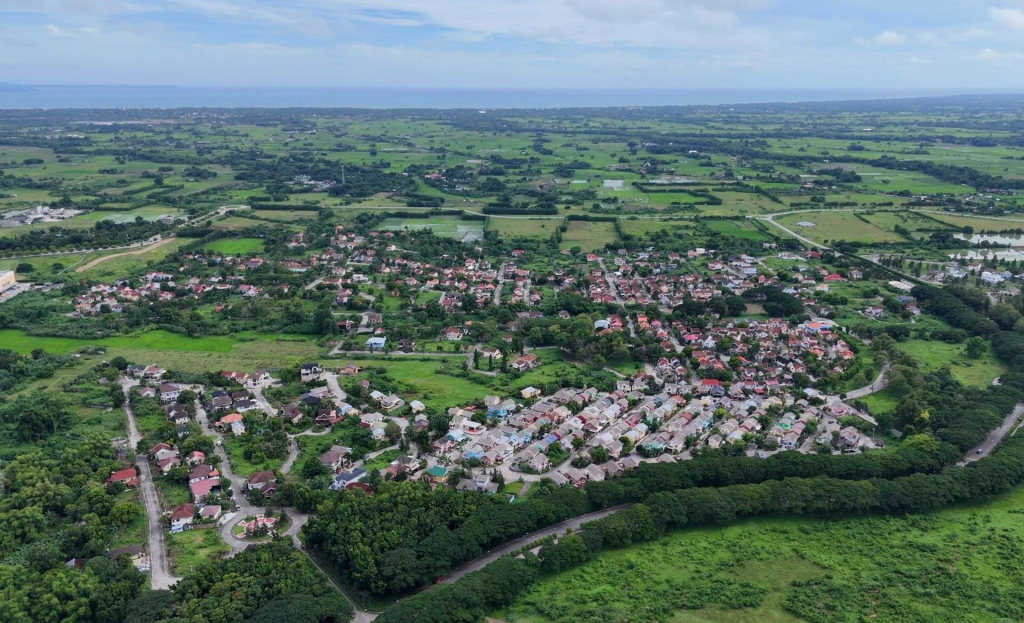
Iloilo City stands as the most diversified urban economy on Panay Island. Its growth has been driven by business process outsourcing, education, healthcare, and professional services. The expansion of business districts and business hubs has generated sustained job opportunities, attracting workers from surrounding provinces.
This employment-driven growth supports strong demand for urban living arrangements, particularly among professionals seeking proximity to workplaces and essential services. As a result, the city’s real estate market reflects end-user demand rather than speculative turnover.
Connectivity Through Iloilo International Airport
Iloilo International Airport strengthens the city’s role as a regional gateway. Improved air connectivity supports investment opportunities by facilitating business travel, tourism, and labor mobility. The airport’s accessibility also enhances links to Metro Manila and Cebu City, positioning Iloilo as a practical alternative for investors evaluating regional markets.
This connectivity has contributed to a tourism boom without overwhelming the city’s infrastructure, allowing tourism-related demand to complement rather than distort the local real estate market.
Urban Development and Residential Expansion
Urban development in Iloilo City has been characterized by planned growth rather than vertical congestion. Master planned communities, integrated transport corridors, and access to modern amenities have shaped residential expansion across the city. Developments in areas such as Mandurriao reflect a preference for organized neighborhoods that balance density with livability.
Local real estate experts point to consistent absorption rates across various property types, from house-and-lot offerings to studio unit configurations with functional layouts that include defined dining area spaces. These trends indicate a market driven by actual housing needs rather than speculative flipping.
Metro Manila
Metro Manila continues to function as the country’s primary capital and financial center, but its influence on provincial real estate markets has become increasingly indirect. Escalating land costs, congestion, and limited inventory have pushed many investors to reassess where long-term property investment makes sense.
For Panay Island, this shift has translated into sustained interest rather than speculative inflows. Many investors based in Metro Manila now evaluate provincial markets through a lens of stability, pricing logic, and income potential rather than rapid appreciation. This recalibration has helped moderate volatility and reinforce fundamentals across the local real estate market.
Capital Movement and Regional Redistribution
Capital movement from Metro Manila toward regional centers reflects broader decentralization trends supported by national policy and private sector expansion. As firms distribute operations across the country, residential and commercial demand follows employment rather than prestige addresses.
Panay Island benefits from this redistribution because its urban centers can absorb demand without replicating the cost structures seen in the capital. This dynamic has also made the island attractive to foreign investors seeking exposure to Philippine real estate without the pricing pressure associated with Metro Manila.
Queen City
Cebu City, often referred to as the Queen City, serves as a useful benchmark for understanding Panay Island’s position within the central Philippine economy. Cebu City’s long-standing role as a commercial and logistics hub has demonstrated how regional cities can sustain growth independent of the capital.
Connectivity through Mactan Cebu International Airport and major infrastructure such as the Cebu Cordova Link Expressway has reinforced Cebu’s regional dominance. For Panay Island, these developments provide a reference point rather than direct competition, illustrating how infrastructure investment and economic diversification shape mature provincial markets over time.
The comparison highlights Panay Island’s earlier stage of urban consolidation, where growth remains measured and aligned with demand rather than accelerated by speculative pressures.
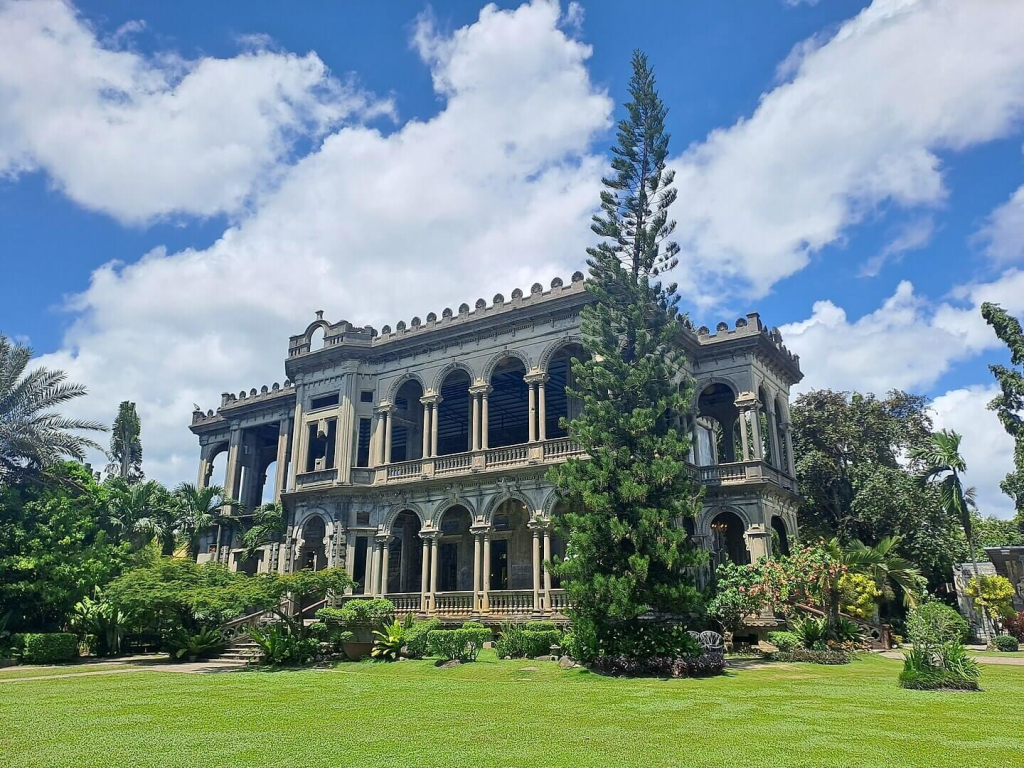
Bacolod City
Bacolod City plays a complementary role in the Western Visayas economic structure. As a service and cultural center, it supports labor mobility, education, and trade across Negros and nearby islands. Its presence strengthens regional balance and reinforces the idea that Western Visayas functions as a network of cities rather than a single dominant core.
From a real estate perspective, Bacolod City contributes to cross-regional demand patterns that affect Panay Island, particularly in professional services and education-related housing. This interaction supports broader economic activity and reinforces inter-island linkages within Western Visayas.
Eco-Tourism
Eco-tourism has emerged as a regulated yet influential factor in Panay Island’s development trajectory. Rather than driving unchecked construction, eco-tourism initiatives are designed to align environmental protection with economic participation. This approach has limited overbuilding while still supporting targeted investment opportunities. Boracay Island’s global profile continues to generate spillover interest, but development controls ensure that surrounding markets remain grounded in local demand.
In Aklan province, municipalities such as Numancia have experienced measured residential growth linked to tourism-driven employment rather than speculative acquisition. Developments like Camella Aklan in Brgy. Joyao-joyao, Numancia, Aklan, are positioned to serve long-term residents and workers connected to the province’s tourism and service sectors while remaining integrated with local infrastructure networks.
The island’s proximity to a world-famous island adds visibility, yet property performance remains tied to infrastructure access, employment, and urban services rather than seasonal visitor volume alone.
Tourism, Stability, and Long-Term Viability
The tourism boom has supported service-sector employment and small business growth, contributing to household income without overwhelming housing supply. This balance is critical to maintaining economic stability and protecting residential markets from volatility driven by short-term rental saturation.
Eco-tourism strategies also reinforce sustainable growth by prioritizing infrastructure development that benefits residents and businesses year-round. These policies support offering investors a clearer risk profile grounded in long-term fundamentals rather than cyclical demand spikes.
Conclusion
Panay Island’s real estate landscape reflects a market shaped by structure rather than hype. Its strategic location, distributed urban centers, and diversified economy have created conditions where property value is supported by actual use, employment, and infrastructure investment. Across residential, commercial, and mixed-use segments, growth remains aligned with purchasing power and demographic trends.
For real estate investors, the island presents a setting where strategic decision-making matters more than timing short-term cycles. Selecting the right property requires attention to location, market segments, and long-term economic potential rather than speculative narratives. Panay Island offers a real estate environment where disciplined property investment aligns with measurable fundamentals, reinforcing resilience across market cycles.