



Image source: GMA News
Music Capital Roots and the Musikahan Festival Legacy in Tagum City
Even outside festival season, Tagum City’s reputation as the music capital continues to influence how people gather and interact. The Musikahan Festival, typically held in February and March, leaves a lasting imprint on public spaces, feedback on performance culture, and how local audiences respond to live sound. While the stages may be gone, the city’s comfort with large-scale cultural programming remains visible in how events are managed and how crowds move through central areas.
Seeing Tagum City Beyond the Festival Season
When people talk about Mindanao travel, the conversation usually jumps straight to beaches or mountains. Tagum City, the capital of Davao del Norte, often gets reduced to a stopover during the Musikahan Festival or tagged simply as the music capital of the country. That shortcut misses the bigger picture. Beyond the festival season, Tagum City functions as a well-organized regional center with public landmarks, faith-based institutions, cultural spaces, and leisure areas that shape daily life for thousands of people.
This guide focuses on grounded, year-round things to do in Tagum City once the stages are packed up and the banners come down. These are places you can actually visit, understand, and enjoy at your own pace, whether you are planning a short trip, a longer stay, or a return visit within the Philippines.
Freedom Park as Tagum City’s Central Civic Landmark
Freedom Park sits at the heart of the city and works as Tagum’s most recognizable public space. It is where official event programs, commemorations, and community gatherings usually take place. For first-time visitors, this is the easiest location to get oriented because major roads, government offices, and transport routes converge nearby.
The park’s open layout makes it a perfect spot for a slow walk, casual people-watching, or a short rest during a busy day. Local families often treat it as an extension of their home, especially in the late afternoon. While it may not be flashy, Freedom Park reflects the city’s practical approach to public spaces. It is designed to be accessible, functional, and open to everyone, free of charge.
During major holidays or public festival periods, the area can draw thousands. Outside those times, it becomes a calm starting point where you can simply enjoy the rhythm of the city before moving on.
On certain weekends, activity around the park increases due to nearby venues such as Davao del Norte Sports and Tourism Complex, especially during inter-school or regional meets. While not the main reason to visit, these gatherings help explain why the area can feel more animated on specific days and quieter on others.
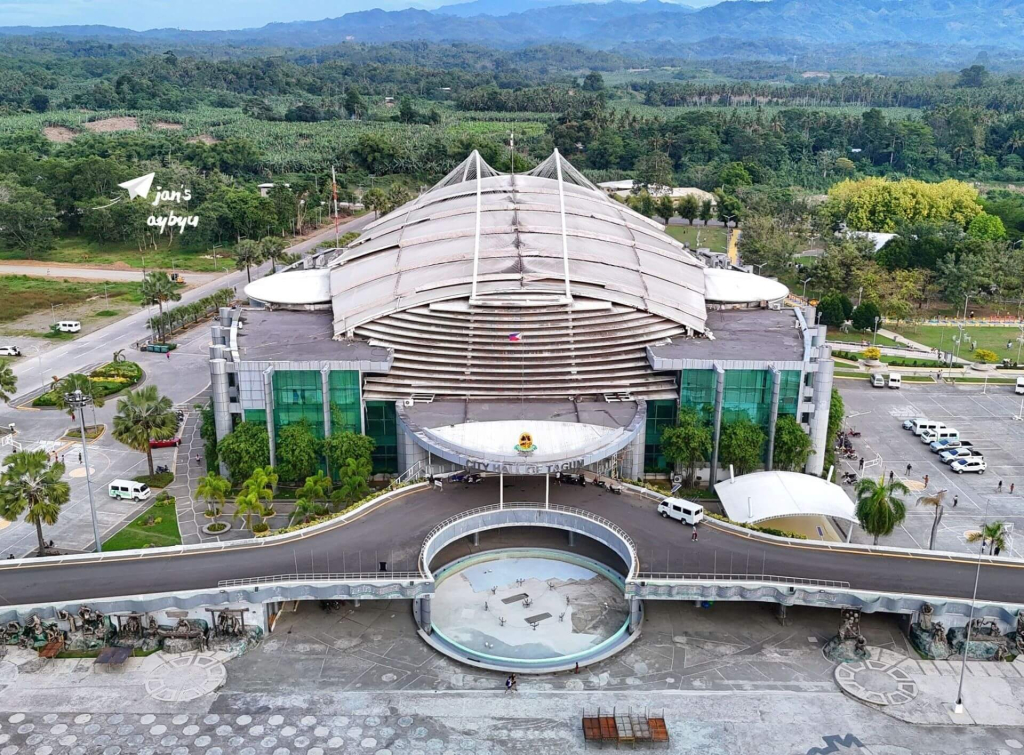
Image source: https://www.facebook.com/profile.php?id=100076244404990
Tagum City Hall Complex
A few minutes away from Freedom Park brings you to the Tagum City Hall complex. This area is not just administrative. It houses the official historical marker that outlines how Tagum evolved from a rural settlement into a chartered city. The landscaped grounds are also used during public ceremonies and press-covered announcements, making the complex part of the city’s civic culture. It is a practical stop that adds meaning to the rest of your trip.
San Agustin Parish Cathedral in Tagum City, Davao del Norte
San Agustin Parish Cathedral is one of the most important religious landmarks in the city. This specific cathedral has long served as a spiritual anchor for local communities.
Catholic traditions here shape the city calendar, from regular Sunday services to major observances in March, February, and December. Visitors are welcome to enter quietly and observe, as long as proper decorum is followed.
Even if you are not religious, the cathedral provides insight into Tagum’s social fabric. It reflects how culture, faith, and community life intersect in a provincial capital that continues to grow without losing its roots.
What stands out to many guests is the kind and respectful atmosphere maintained by parish volunteers and regular churchgoers. Even brief visits tend to leave a nice impression, and some travelers mention in passing that this quiet order is one of the reasons they grow to love slower stops like Tagum.
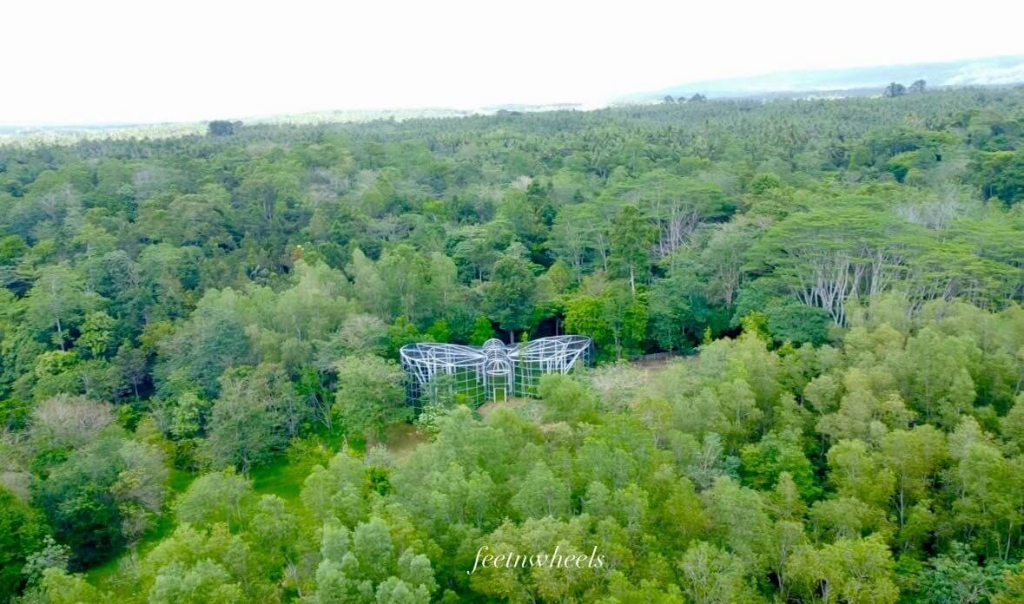
Image source: https://www.facebook.com/profile.php?id=100093561794691
San Agustin Botanical Park Within the Cathedral Grounds
Within the same compound is the San Agustin Botanical Park. This small but well-kept green space offers a quieter counterpoint to the busier streets nearby.
The park is not designed as a large destination park. Instead, it works as a reflective area where visitors can pause, sit, or walk briefly before continuing to other places. It is especially appreciated by those who want a calm break without leaving the city center.
For travelers managing a tight schedule, this park is easy to enter, easy to leave, and close to key landmarks. It shows how Tagum integrates modest green spaces into its urban layout rather than relying on large-scale developments.
Christ the King Cathedral and Public Art by Kublai Millan
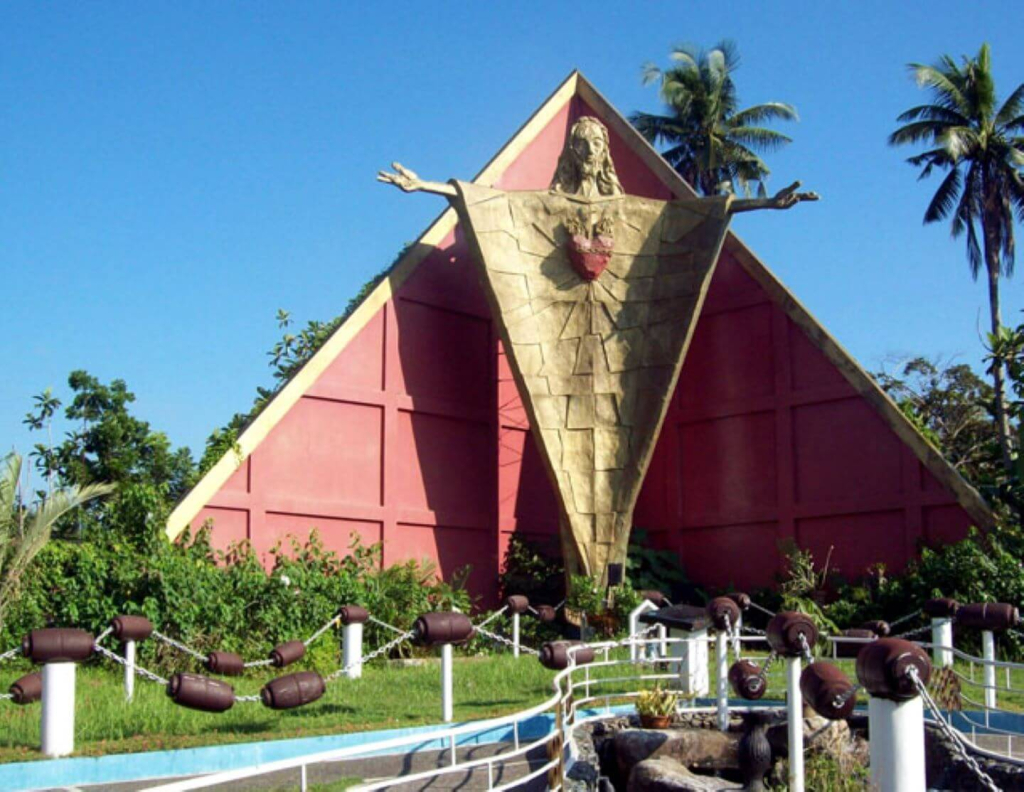
Within the grounds of Christ the King Cathedral stands the sculpture of local artist Kublai Millan. What is considered The World’s Largest Rosary, it is Tagum City’s most distinctive religious landmarks. Measuring about 85.5 meters, the rosary is made of oversized, linked beads that trace a pathway leading to a large bronze statue of the Risen Christ.
The monument’s scale and layout encourage a slow, deliberate walk, turning the space into a place of quiet reflection rather than a simple visual display. Beyond its physical form, the rosary holds deep devotional meaning. It serves as a pilgrimage site for Catholics from Davao del Norte and nearby areas, symbolizing the enduring faith of people in Mindanao.
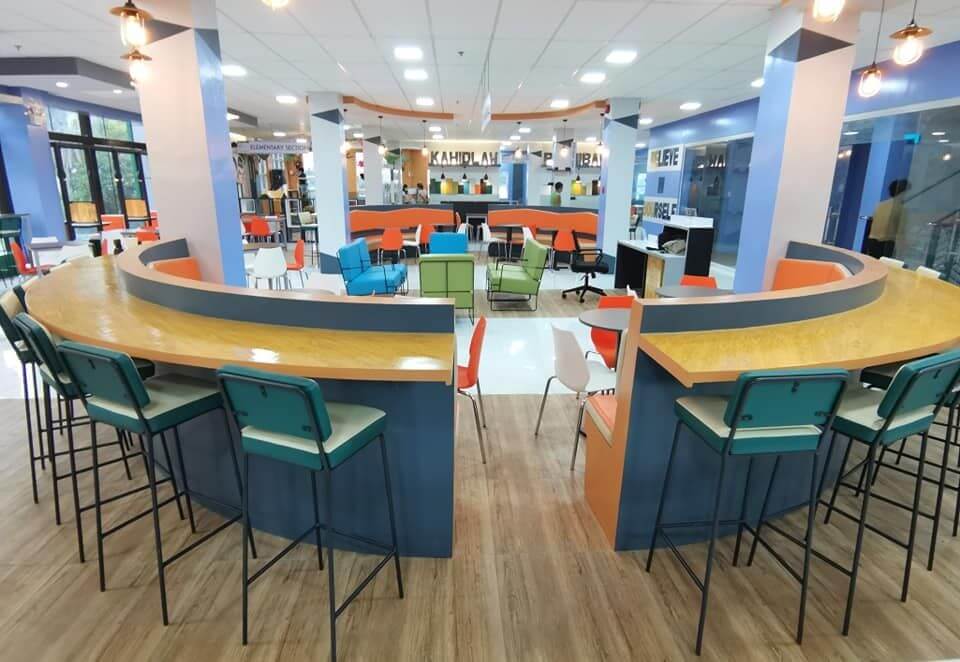
Image source: https://www.facebook.com/tagumcity
Tagum City Library and Learning Commons
Tagum City Library and Learning Commons is one of the more understated cultural institutions in the city. Designed to support students, researchers, and the general public, it provides access to reading materials, local records, and digital resources.
For travelers, the library may seem like an unusual stop. Yet it offers insight into how the city invests in education and information access. The space is often used by school groups and independent learners, and it reflects Tagum’s emphasis on long-term community development.
Visitors looking a quiet work time or local references may find this place unexpectedly useful. It is also a good example of how public institutions here aim to improve the quality of life rather than impress tourists.
Gaisano Mall of Tagum as a Modern City Landmark
Gaisano Mall of Tagum functions as one of the city’s main commercial reference points. While malls are not unique to Tagum, this one plays a clear role in daily urban life.
Many guests pass through for window shopping, basic errands, or casual dining. It is also where you will find a mix of national brands and local shops, offering a useful comparison to retail experiences in larger cities.
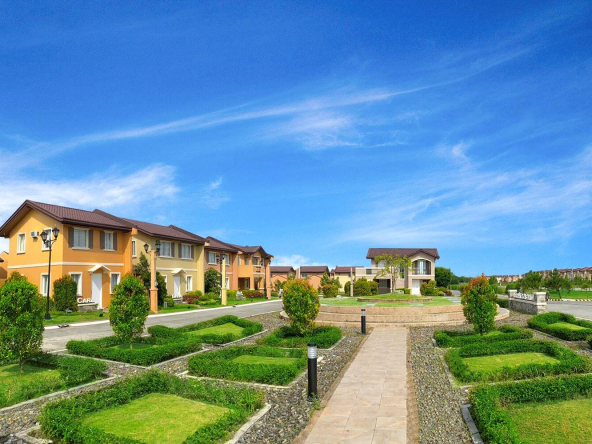
The mall is located near key routes, making it convenient during a trip. For those staying nearby, including residential developments such as Camella Tagum in the surrounding areas, it often becomes part of the regular routine for groceries, dining, or quick purchases. The mall’s central location makes it a practical place to pause, plan, and adjust a schedule before continuing with other things around the city.
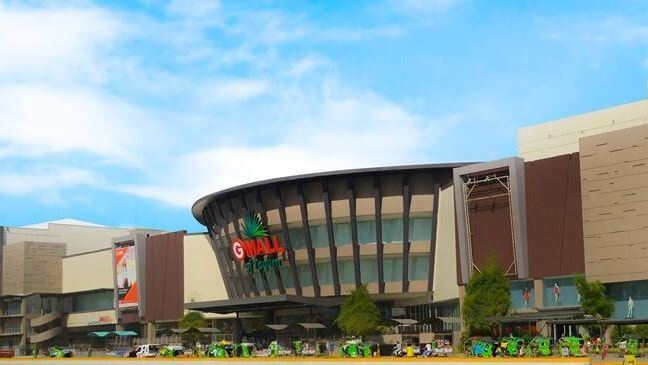
Image source: https://tagumcityguide.home.blog/2019/05/19/shopping-malls-2/
Tagum Night Market and Evening Street Culture
As the night sets in, the Tagum Night Market becomes one of the most active parts of the city. Rows of stalls offer grilled items, snacks, and local foodstuffs at prices that are generally affordable.
This is where you see how people unwind after work. Families, students, and office workers gather, creating a lively but manageable atmosphere. The market is a good place to find casual meals, observe local tastes, and simply enjoy the city after dark.
Just a few blocks away, Sobrecary Street often comes up in casual conversation as another reference point for night activity. It is not a formal attraction, but visitors may notice it while moving between food areas or asking locals for directions. This part of the city reflects how Tagum’s night culture spreads organically, with small pockets forming at each street corner rather than concentrating everything in one place.
Banana Beach at Hijo Resorts Davao in Tagum City
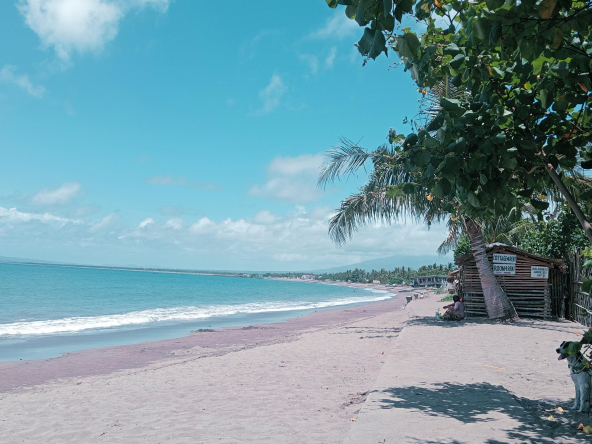
Banana Beach at Hijo Resorts Davao offers a coastal option within city limits. The beach is part of a larger resort area and provides a change of scenery from the urban core. This area highlights how Tagum connects leisure with its agricultural background. Visitors can select between day-use access or short stays, depending on availability. For those planning accommodations nearby, some hotels in the area offer packages that include free breakfast, which helps save on daily expenses while exploring.
Additionally, moving toward the coast helps reset expectations after time spent in the city center. The transition from urban blocks to open shoreline is gradual rather than abrupt, which suits travelers who prefer steady pacing. Lastly, this shift highlights how Tagum balances city functions with leisure spaces without forcing separation.
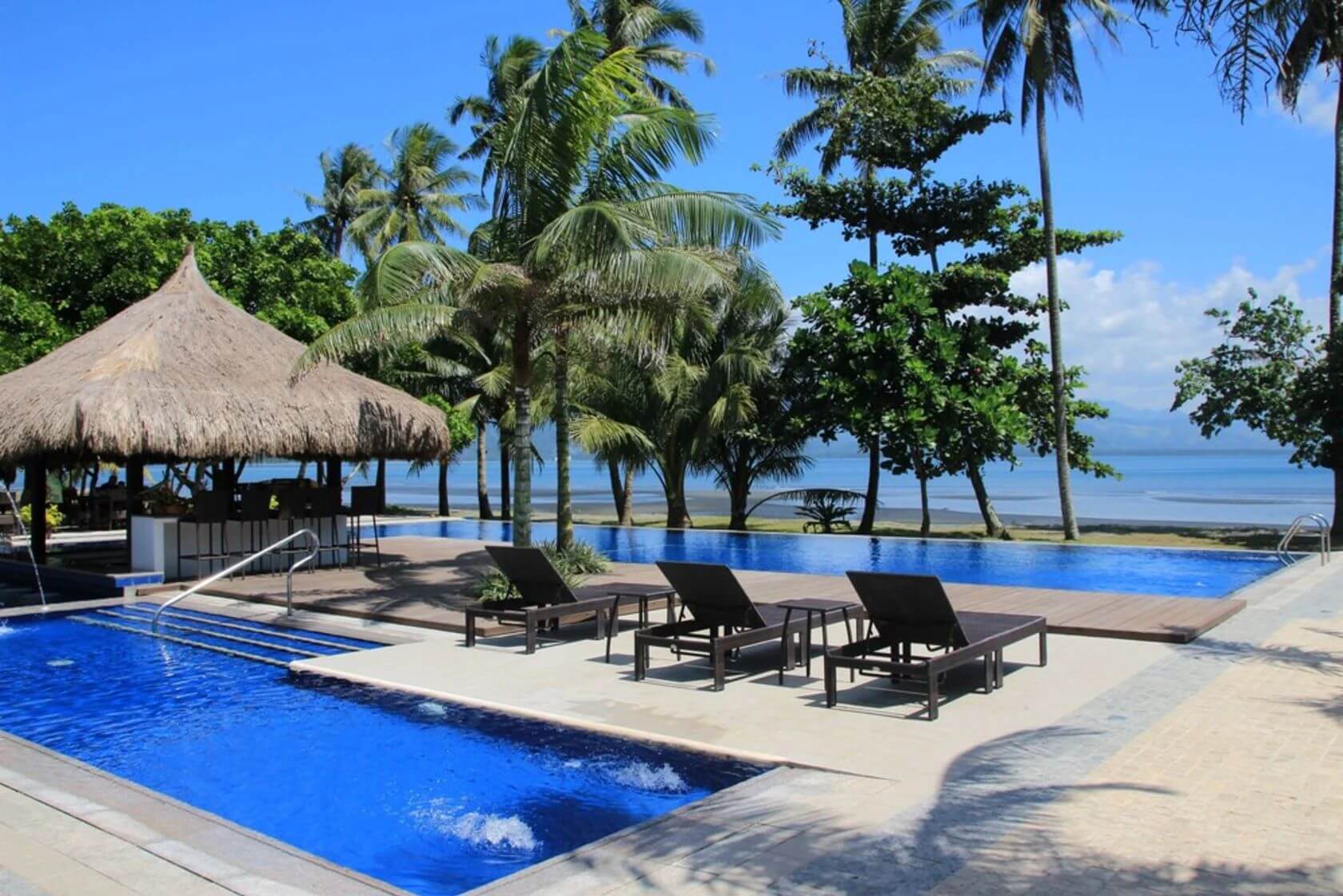
Image source: https://www.klook.com/en-PH/hotels/detail/48615-hijo-resorts-davao/
Hijo Plantation in Barangay Madaum
Hijo Plantation represents one of the most historically significant sites connected to Tagum’s agricultural identity. The plantation has played a major role in the banana export industry, influencing employment and land use patterns.
Although access is controlled, the surrounding area offers context for understanding how agriculture continues to shape the local economy. This site ties together the city’s past and present, from rural roots to its current status as a regional hub.
Seeing this side of Tagum helps balance the picture. It shows that beyond malls, parks, and events, the city’s growth has been built on consistent production and long-term planning.
From an economic standpoint, sites like this excel at showing how long-term planning works on the ground. Visitors who pay close attention will notice how agricultural data, land use, and infrastructure decisions connect directly to employment and city growth.
Conclusion
Tagum City rewards travelers who look beyond the obvious. Once the Musikahan Festival ends and the stages are dismantled, what remains is a city defined by functional public spaces, faith-based landmarks, educational institutions, food hubs, and historically grounded industries. These things may not always make headlines, but they are what sustain the city throughout the year.
For travelers planning ahead, using the Travel Philippines app to search for updated routes, nearby stops, and reference contents can help turn a short visit into a more informed and flexible experience. Whether you come to explore civic landmarks, enjoy local food, or understand how agriculture and culture intersect in this part of the country, Tagum offers a grounded experience. Take your time, bring curiosity, and allow the city to reveal itself through the places people use every day.