




Image source: Freepik
Introduction
The moment the holidays come to a close and the year ends, many homes feel heavier than usual. Decorations, gifts, and disrupted routines leave behind clutter that affects both space and focus. A crowded physical space often leads to mental clutter, making everyday life feel harder than it needs to be.
Choosing to declutter home and mind for new year is about restoring balance. It creates a clean slate, supports mental health, and brings clarity into the year ahead. With manageable steps, decluttering becomes a practical reset rather than an overwhelming task.
Step 1: Setting a Clutter Free Criteria for the New Year
Before moving anything, decide what your home needs to support in the new year. This step prevents random organizing and keeps decisions consistent.
Think about what created stress during the past year. Slow mornings, cluttered surfaces, or constant tidying are common examples. Choose three clear criteria such as easier cleaning, better focus, or calmer evenings. These guide what stays and what you rid.
This creates direction for the process and helps you decide quickly. When every item is measured against real needs, decluttering feels controlled instead of emotional, setting a strong foundation for the year ahead.
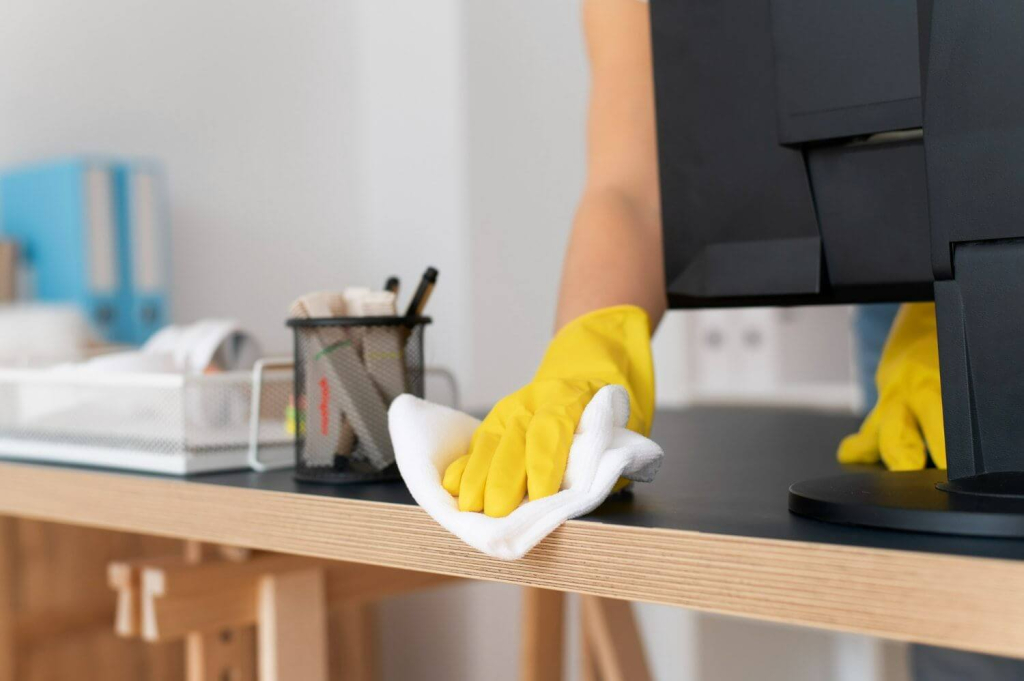
Image source: https://www.freepik.com/premium-photo/person-taking-care-office-cleaning_25219798.htm
Step 2: Prepare Tools and Decluttering Zones
Put on cleaning gloves and prepare four zones: keep, donate, trash, and relocate. These zones create order before the work begins.
Having clear destinations prevents piles from forming and reduces anxiety during decluttering. Items move once and land where they belong. This keeps physical clutter from spreading across rooms and helps maintain momentum.
A structured setup makes the environment feel calmer immediately. It also supports mental clarity by turning decluttering into a step-by-step process rather than a chaotic cleanout.
Step 3: Remove Trash, Expired Food, and Broken Items First
Start with items that no longer serve any purpose. Walk through the house and remove trash, expired food, and broken items.
Expired food in the pantry, damaged containers, and unusable household items take up space and add to stress. Clearing them first delivers visible progress and renewed energy.
This step reduces overwhelm early and shows how quickly a space can change. Removing obvious clutter sets the tone for deeper decluttering and makes the house feel lighter right away.
Step 4: Eliminate Paper Clutter in One Sitting
Paper clutter quietly fuels chaos. Bills, manuals, school papers, and receipts often spread across multiple rooms.
Gather all papers into one place and deal with them in one sitting. Keep only what must exist physically. Digitize documents that no longer serve as paper copies. Dispose of the rest immediately.
This restores control and creates a cleaner environment. Once paper clutter is gone, surfaces feel calmer, and the home gains a clearer mind and a stronger sense of order.
Step 5: Declutter Clothes Based on Real Use
Clothes affect daily routines more than most items because they are handled every day. Go through your wardrobe honestly and remove clothes that no longer fit, no longer suit your current life, or remain unused week after week. If an item creates hesitation every time you see it, that is already a decision waiting to be made.
Donate items in good condition and discard those that are stained, stretched, or worn out. Keeping excess clothes increases visual clutter and slows decision-making each morning, adding unnecessary stress before the day even begins. When drawers and closets are overcrowded, clothes are harder to maintain and easier to forget.
A streamlined wardrobe supports an organized home and reduces anxiety. It creates room for new, improves focus during daily routines, and makes getting dressed a simpler, more intentional part of everyday life.

Step 6: Decide What to Do With Sentimental Items
Sentimental items often carry emotional weight that makes them harder to release than ordinary stuff. Handle these items separately from everyday belongings so they do not interrupt practical decision-making in other areas of the house. This separation allows you to slow down without stalling the entire process.
Keep only items that still bring a genuine sense of meaning or connection. Photograph items you are ready to let go of, then donate or discard them without delay. This approach preserves memories while preventing objects from occupying space out of obligation.
This step creates emotional clarity and prevents the past from dominating space meant for the future. Letting go here restores a renewed sense of control and helps the home feel calmer, lighter, and more aligned with the life you are living now.
Step 7: Reset One Room Completely
Choose one room and finish it fully before moving on. Clear surfaces, return items to their proper place, wipe down areas, and remove what does not belong. Completing one room makes a big difference. It provides visible proof that the process works and restores confidence. Completing one room also helps when you feel overwhelmed by the scale of decluttering.
Instead of thinking about the entire house, your attention stays on one thing that is already done. This shift matters mentally because progress becomes visible and contained. A finished room gives your future self a reference point for how order should feel and proves that the process works when taken one space at a time.
In communities like Camella Cerritos, where homes are designed with defined functional spaces, completing one room highlights how thoughtful layouts support calm, tidy living and reduce everyday stress.
Step 8: Reassign Storage Based on Actual Use
Store items where they are used, not where they were originally placed. Everyday items should be easy to reach, while seasonal items can be stored farther away or grouped together. This small adjustment reduces unnecessary movement and prevents items from being set down wherever space is available.
When storage matches real behavior, organizing becomes more intuitive and less mentally taxing. You are no longer forcing habits that do not fit how the house is actually used. Over time, this setup helps habits form naturally and keeps clutter from rebuilding.
A home arranged this way supports focus, calm, and long-term clarity. It removes friction from daily routines and allows the environment to work quietly in the background, without requiring constant effort to maintain order.
Step 9: Remove Duplicates and Excess Items
Duplicates quietly fill cabinets and drawers. Line up similar items and keep only what you actually use. Excess items take up space and contribute to anxiety. Removing them creates room for new opportunities and simplifies maintenance.
This is also the perfect time to pause and reflect on how much is truly necessary. Duplicates often exist because items were bought without awareness of what was already there. Removing them creates a clearer sense of control and opens room for new opportunities without adding more stuff. What stays should support how you actually live, not habits that no longer apply.
Step 10: Leave Intentional Space Instead of Filling Everything
Avoid filling every shelf and drawer. Leaving intentional gaps is a perfect opportunity to let the home adapt as the year offers changes. Empty space allows flexibility for new routines, new needs, and unexpected shifts without triggering stress.
Instead of reacting to clutter later, the home is already prepared to absorb what comes next with calm. These spaces act as buffers for future needs and prevent clutter from rebuilding. They also make cleaning faster and less stressful.
Intentional space brings calm and reinforces the idea that a clean and organized home does not need to be full to feel complete.
Step 11: Donate or Dispose of Items Immediately
Once decisions are made, act on them the same day. Load donations into the car or schedule a pickup, especially for items still in good condition. Take trash out of the house right away, including bags left from earlier steps. Delays create room for doubt, and that hesitation is often how clutter finds its way back inside.
Immediate action protects your progress and reinforces discipline. It also reduces the mental clutter that comes from unfinished decisions lingering in the background. Letting items leave the house fully completes the decluttering process, restores a sense of control, and strengthens the clean slate you are creating as the new year moves ahead.
Step 12: Maintain Order With a Weekly Reset
Choose one fixed day each week for a short reset. Ten minutes is enough. This weekly reset keeps you aligned with what you want your future self to inherit: a home that supports calm instead of chaos. When order is maintained consistently, the benefits compound mentally, making it easier to stay focused and present as the weeks move forward. Return misplaced items, clear surfaces, and review incoming paper or gifts. This habit prevents clutter from accumulating again.
Conclusion
Decluttering is not about perfection or dramatic change. It is about creating a home that supports focus, calm, and control as the year ahead unfolds. By clearing clutter with intention, you create space for peace, inspiration, and new opportunities. As you move forward, that sense of clarity becomes part of everyday life, allowing you to step into a happier new year with confidence and a quieter mind.