




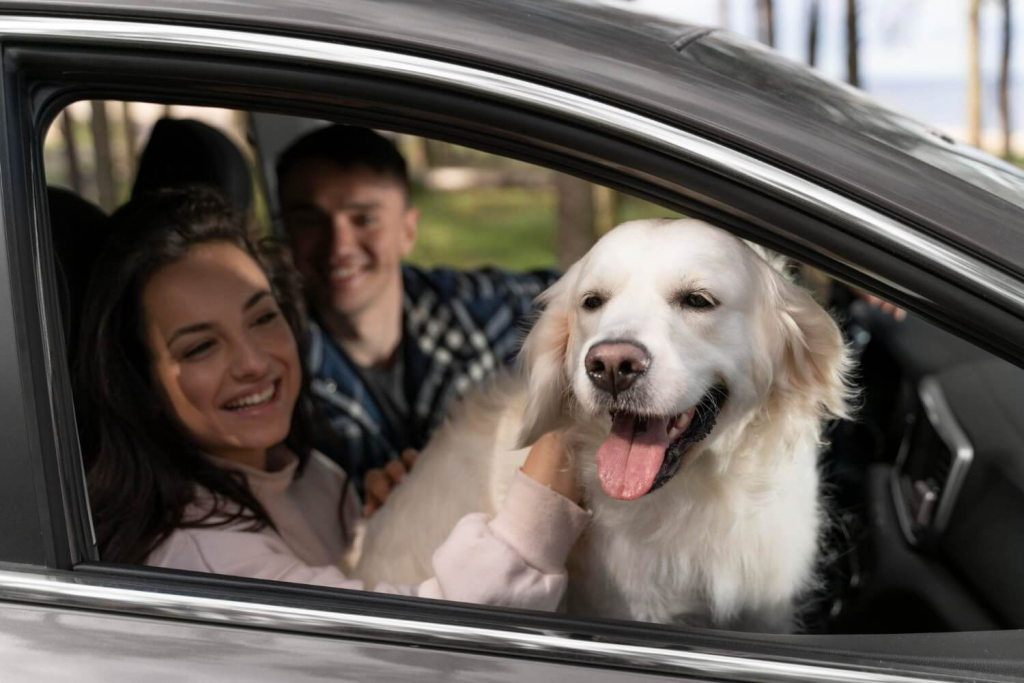
Holiday travel is one of the most anticipated times of the year for Filipino families.
For one, the holidays are a season filled with reunions, long road trips, flights departing for dream destinations, and meaningful moments spent together.
Traveling during the holidays can already be exciting, but it becomes even more special when your pet is part of the journey. For many families, pets like dogs and cats are not just animals; pets are companions, emotional support, and beloved members of the household.
That’s why traveling with pets during the holidays has become a growing trend, whether for domestic flights, international travel, or land-based adventures.
With more destinations that accept pets, better airline policies (some airlines now allow carry-on pets in the plane cabin), and increased awareness around pet travel, families now have more options than ever.
However, traveling with pets, especially dogs and cats, requires careful planning, detailed information, and strict compliance with government regulations to ensure everyone’s safety and comfort.
The Benefits of Traveling with Pets
Traveling with pets offers emotional comfort, especially during busy holidays.
Pets help reduce stress, provide companionship, and make trips feel more like home. For families with service dogs or service animals, traveling together is not just a preference but a necessity. Additionally, avoiding separation means you don’t need to rely on a pet sitter or unfamiliar kennel facilities, which may not always meet your pet’s needs.
Most importantly, shared experiences strengthen the bond between dogs and cats, their owners, and the entire family.

A Complete Guide to Family Holiday Travel with Pets
Holiday pet travel requires careful planning.
Here’s a practical guide, covering everything from pet safety to documents required for pet air transport:
Part 1: Land Travel with Pets
Land travel is often the easiest and least stressful option for pets. Plus, most land transportation companies have a ‘pets allowed’ policy nowadays, so you can travel easily with pets and other live animals with few entry requirements.
Whether you’re driving to a nearby town or embarking on a long road trip, preparation matters for you and your pets.
Prioritize Pet Safety
Start with your pet’s comfort and safety.
Make sure your pet’s collar has updated identification and a current photo.
Use a secure pet cage, pet carrier, or soft-sided carriers that allow your dogs and cats to sit in a natural position without restricting any body part. For small pets, pet strollers can be useful during stopovers.
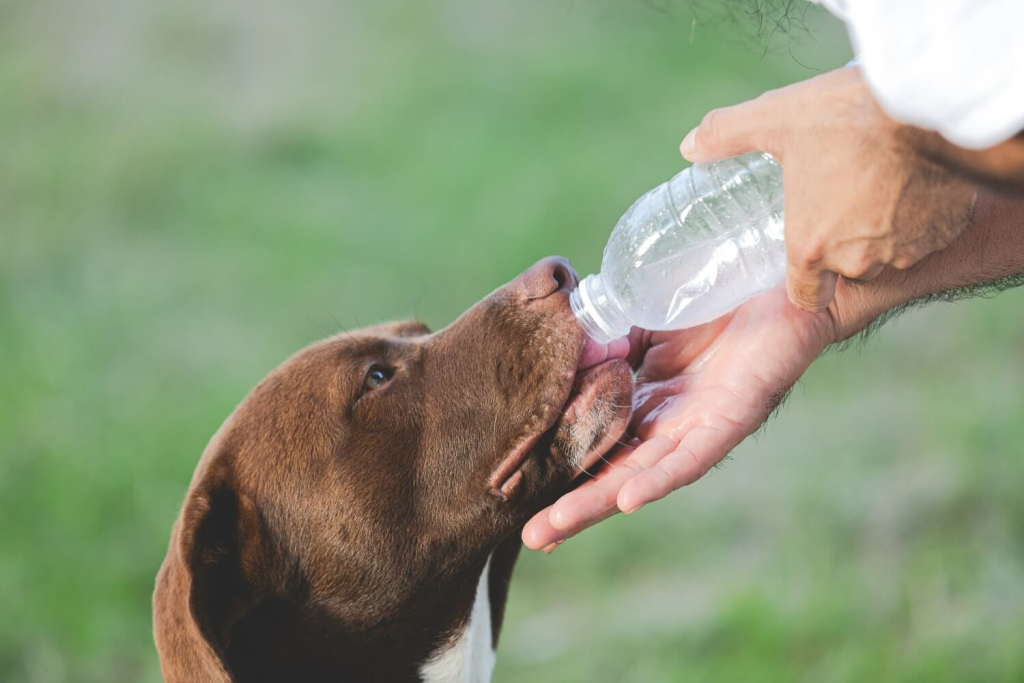
Keep Your Dogs and Cats Hydrated
Hydration is crucial.
Bring a water bowl, food, and medications for your pets to prevent dehydration and heat stroke, especially during long drives. Avoid leaving pets in vehicles with poor ventilation, as this creates a high risk of overheating.
Regularly Check in on Your Pets in Their Pet Carrier
For families who transport dogs, especially large dog breeds or cross-breeds, plan regular stops and ensure the total weight capacity of your pet cage or carriers is appropriate.
Always check local rules at your destination, as some areas have ‘animals allowed’ policies that vary depending on location.
Part 2: Air Travel with Pets
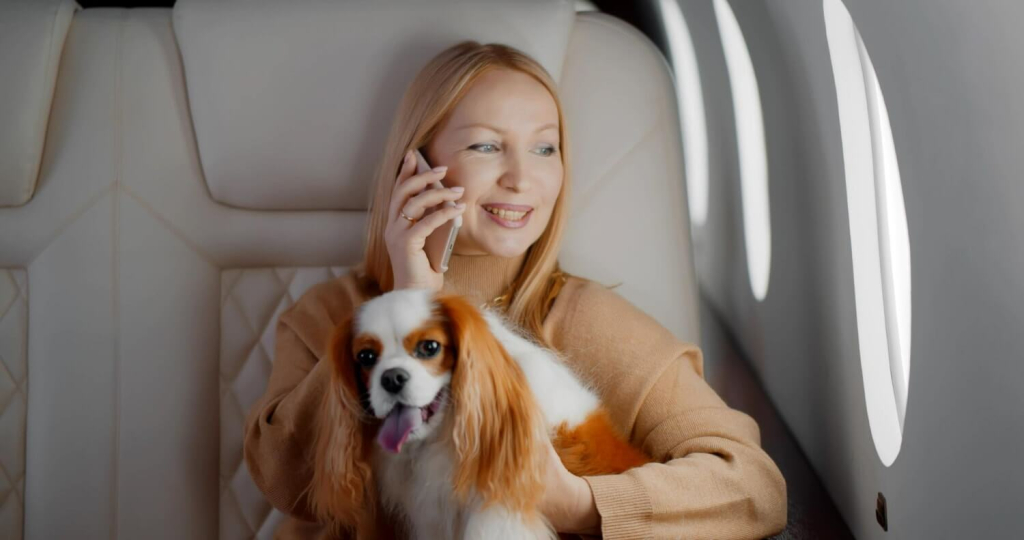
Air travel requires more detailed preparation, especially if you’re flying internationally or you’re planning on booking tickets for carry-on pets.
While many airlines now allow carry-on pets, pet check-in policies vary depending on the airline, route, and cabin type.
Before Booking the Flight
While most airlines allow pets on most flights, there are still a number that don’t—and some permit only dogs or cats.
Before you book a flight, it’s best to read through the airline’s policies first.
Confirm if pets can travel in the cabin or under the passenger seat as carry-on pets (note that some dog breeds, like snub-nosed dogs, may not be allowed to board flights).
If your flight isn’t a pet-allowed flight, confirm how the check-in process is for cargo on the same flight. Additionally, check where the cargo area is, since it’s usually not in the same terminal as where you check in for your flight.
Pets traveling as live animals via air transport may be handled by a cargo agent. This is especially beneficial for international flights where IATA regulations may be more stringent.
Choose direct flights when possible to reduce stress, limit increased risk, and avoid long layovers. Confirm with other airlines if you’re on connecting routes, as rules may differ.
Health and Documentation for Pet Travel
Airlines require proof of your pet’s health leading up to travel.
In the Philippines, the Bureau of Animal Industry (BAI) is the authority for the movement of pets. The agency’s National Veterinary Quarantine Services Division is responsible for establishing and administering a quarantine inspection system for the local and international movement of animals and pets, and for issuing the necessary permits.
Secure a veterinary-issued health certificate, updated rabies vaccination, and comply with government regulations and CDC requirements. If you must travel with a service animal or service dog, you may also need to present your health certificate.
For dogs entering certain countries, they must come from a rabies-free area and meet strict disease control standards.
Always check pet entry requirements well before your departure date, as documents required may differ for international travel versus domestic flights.

At the Airport on the Departure Date
Arrive early for check-in at the ticket counter, where airline staff will verify documents. Some airlines include pets under free baggage allowance, while others charge separately.
Pets traveling in cargo must be in an airline-approved crate or kennel that allows standing, turning, and lying down comfortably. The crate must have proper airflow to avoid respiratory issues, especially for snub-nosed dogs such as the French bulldog, which face a higher risk during flights.
Pets in the cabin should remain inside their pet carrier throughout the flight, unless allowed otherwise by the flight attendant. For service animals and service dogs, airlines typically permit travel in the cabin at no extra cost, subject to documentation.
During the Flight
Monitor your pet’s comfort, especially on long flights departing at odd hours or with extended departure time delays.
Avoid feeding your pet right before boarding to reduce discomfort. Calm reassurance from passengers traveling with their animal helps ease anxiety in unfamiliar environments like an air cabin.
Coming Home to a Pet-Friendly Sanctuary
After navigating busy airports, long drives, and packed schedules with your pets, there’s nothing more comforting than returning to a home that truly welcomes every family member, including cats and dogs.
Camella understands that pets are family.
Its thoughtfully planned communities provide open spaces, walkable neighborhoods, and secure environments perfect for dogs, cats, and other pets.
Whether you’re unwinding after international flights, returning from holiday road trips, or settling back in after festive adventures, Camella offers a pet-friendly home where comfort, safety, and family life come together.
This holiday season and beyond, enjoy the freedom of traveling with pets knowing that a warm, welcoming Camella home is waiting for you and your beloved animal at the end of every journey.