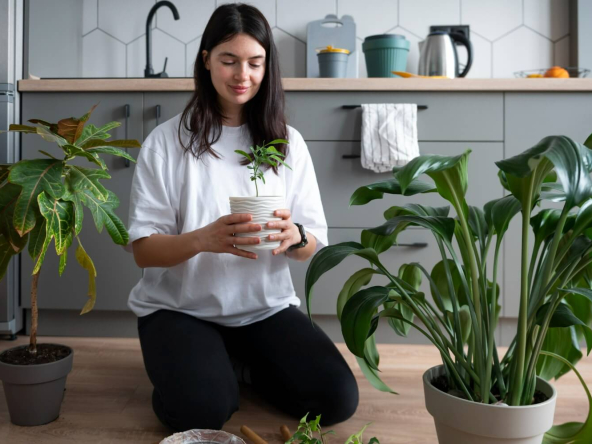




Does your kitchen fill up with snack wrappers, empty water bottles, and paper from school projects by the end of a typical weekday afternoon? What looks like ordinary household rubbish can become an opening for teaching kids about recycling. In many Filipino homes, lessons about responsibility start with simple daily routines. By involving children in sorting waste properly and caring for the environment, parents can turn everyday clean-up into a practical learning experience.
Parents teaching kids about recycling go beyond just managing trash. By extension, they are also helping children understand how small actions can have a domino effect on the planet. These early conversations will eventually set the foundation for the next generation’s views on resources, waste, and their role in protecting the earth.
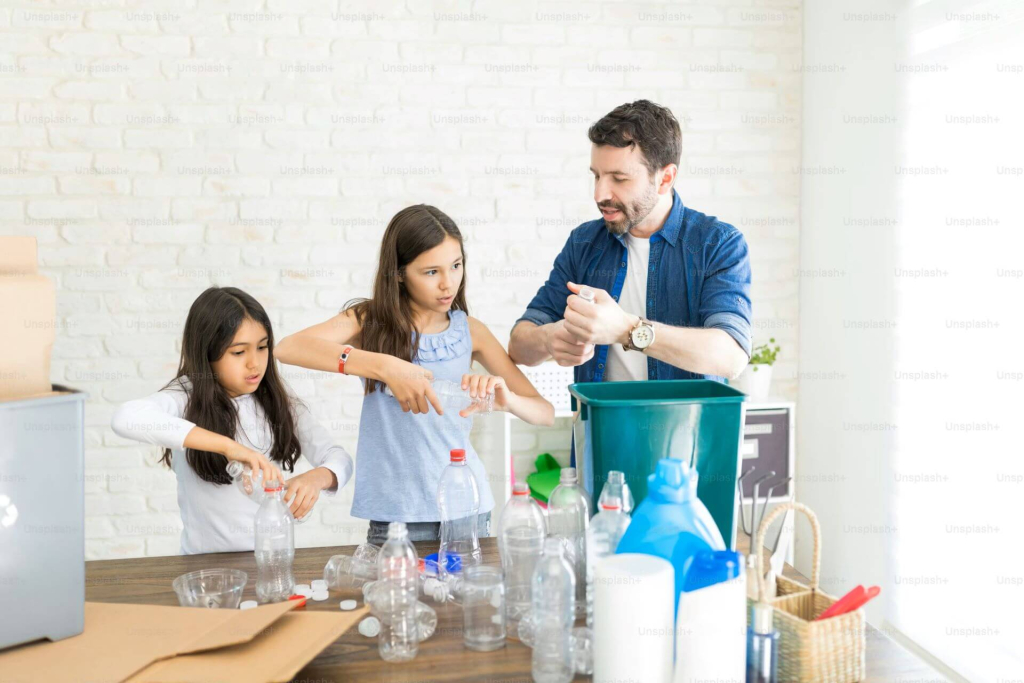
Why start recycling conversations at home
Children learn by watching. The way adults handle garbage, reuse bags, or talk about food waste becomes their example. That is why introducing kids to recycling at home builds awareness long before they encounter formal lessons in school.
The importance of recycling boils down to responsible waste management. Every plastic bottle or piece of cardboard that ends up in landfills takes years to break down. Kids need to understand that by practicing sustainable waste management, they can help reduce waste and lessen the strain on natural resources.
Explaining this does not require complex terms either. Parents can say that recycling waste helps save raw materials and energy. Producing items from recycled materials often saves energy compared to creating new ones from scratch. Over time, these simple practices contribute to a circular economy, where materials are reused instead of discarded.
For young people, understanding this connection gives their actions meaning. Throwing trash into the correct bins becomes less of a rule and more of an active way to care for the world they will inherit. These small changes will eventually compound and create a significant impact when practiced consistently across a generation.
Start with simple sorting systems at home
Before children can understand broader environmental issues, they need clear and practical steps. This is where setting up a visible system at home makes it easier for kids to make recycling part of daily life.
Set up clearly labeled recycling bins
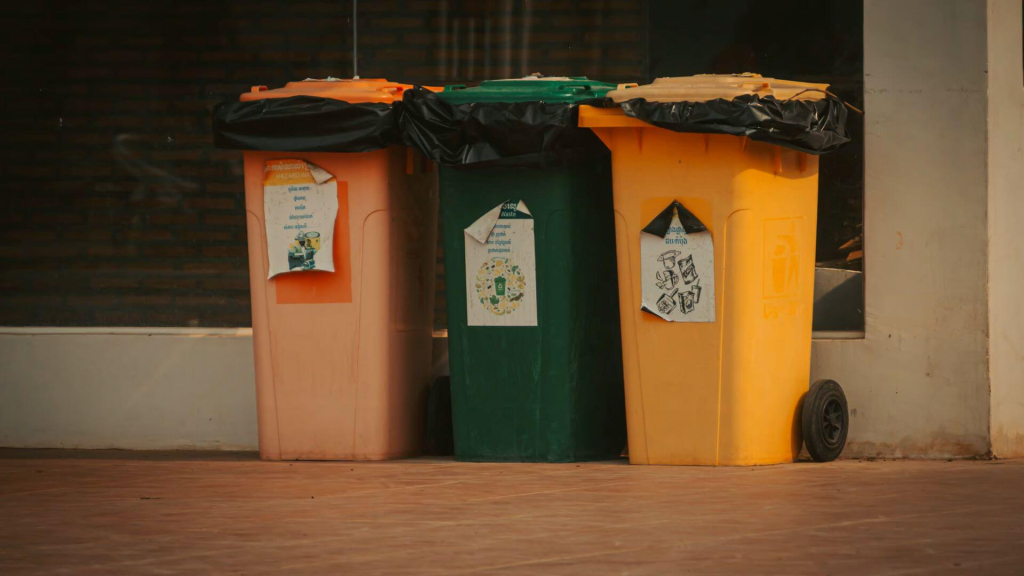
Begin with separate recycling bins for common household materials. Label different bins for plastic, paper, and glass. Keep them accessible so children can participate easily.
Point out everyday items such as plastic bottles, glass bottles, packaging from snacks, and old magazines. Show them which bins these belong in. Over time, they will recognize recyclable materials on their own.
Explain different types of recyclable materials
Children benefit from understanding why segregating waste is important since these explain the impact of their actions. Talk about different types of materials and how each goes through a different process of decomposition.
For example, paper and cardboard can be turned into new paper products. Glass bottles can be melted down and reshaped. Plastic bottles can be transformed into new packaging or other useful items. This explanation helps children see that recycling waste is not abstract, but a practical system that reuses resources.
Turn sorting into a daily habit
Consistency builds understanding. Encourage children to check items before throwing them into the trash. Ask simple questions: “Can this be reused?” “Does this belong in the recycling bins?”
These small pauses help reduce waste. They also cultivate responsibility. Over time, children begin to think before discarding items, a habit that can shape their choices well into adult life.
Make learning about recycling fun and hands-on
While structure is important, children also learn best when activities feel engaging. You can make this an opportunity to turn lessons into shared experiences makes them memorable.
Organize a recycling scavenger hunt
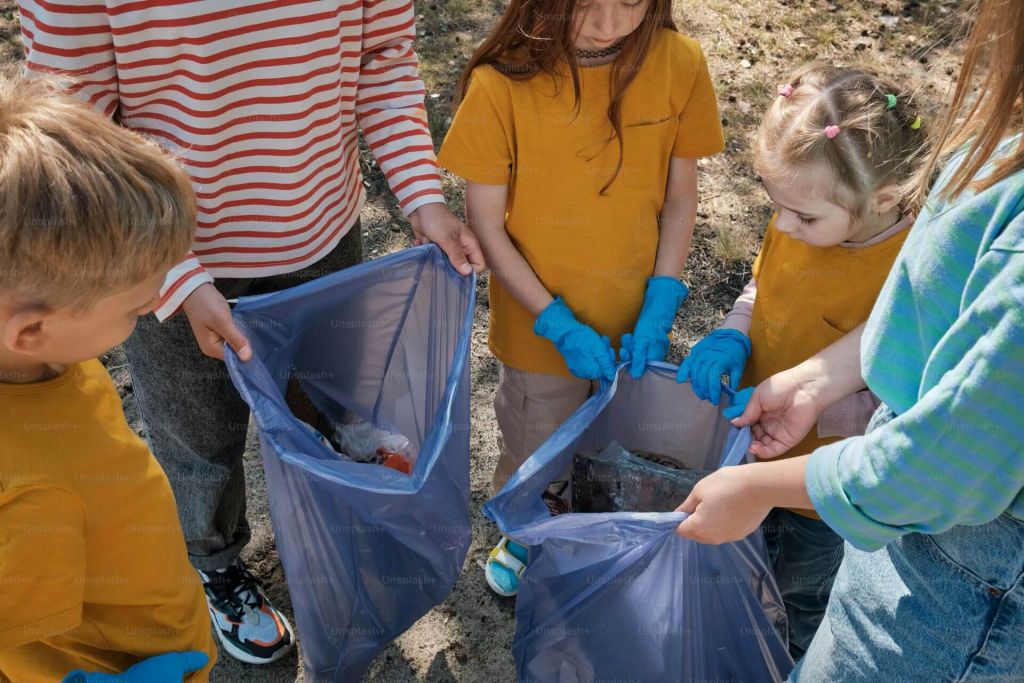
A recycling scavenger hunt can transform an ordinary afternoon into a learning activity. This is pretty simple, just ask kids to look around the house for recyclable materials.
Have them sort their findings into the appropriate bins. This fun approach encourages collecting and reinforces recognition of different types of materials. In a classroom setting, teachers can adapt the same activity for students, making recycling part of school life.
Such activities help educate children about recycling without making it feel like a lecture.
Create art from recycled materials
Another way to teach children about recycling is through art. Gather safe items like cardboard, paper, magazines, and clean plastic packaging. Encourage kids to create crafts, school projects, or decorations.
This activity shows them that reuse is possible before something becomes waste. It also sparks creativity and gives them a better idea of how materials can have more than one life.
Teachers can integrate these projects into the classroom, combining environmental awareness with artistic expression. When students proudly display their creations, the lesson becomes personal and tangible.
Start composting food waste together
Food waste is another opportunity for learning. Instead of discarding vegetable peels and fruit scraps, families can try composting. Explain that composting turns organic waste into nutrient-rich material that helps plants grow.
This simple process connects children to nature. They see how waste can return to the soil and support new life. It also introduces a broader understanding of waste management and how not all garbage belongs in landfills.
By participating in composting, children experience the cycle of materials firsthand.
Extend recycling lessons beyond the house
Once children are comfortable with recycling at home, expanding their perspective helps deepen their understanding.
Visit recycling centres and join a recycling program
Consider arranging field trips to local recycling centres if available. Seeing how recyclables are sorted and processed makes the system real.
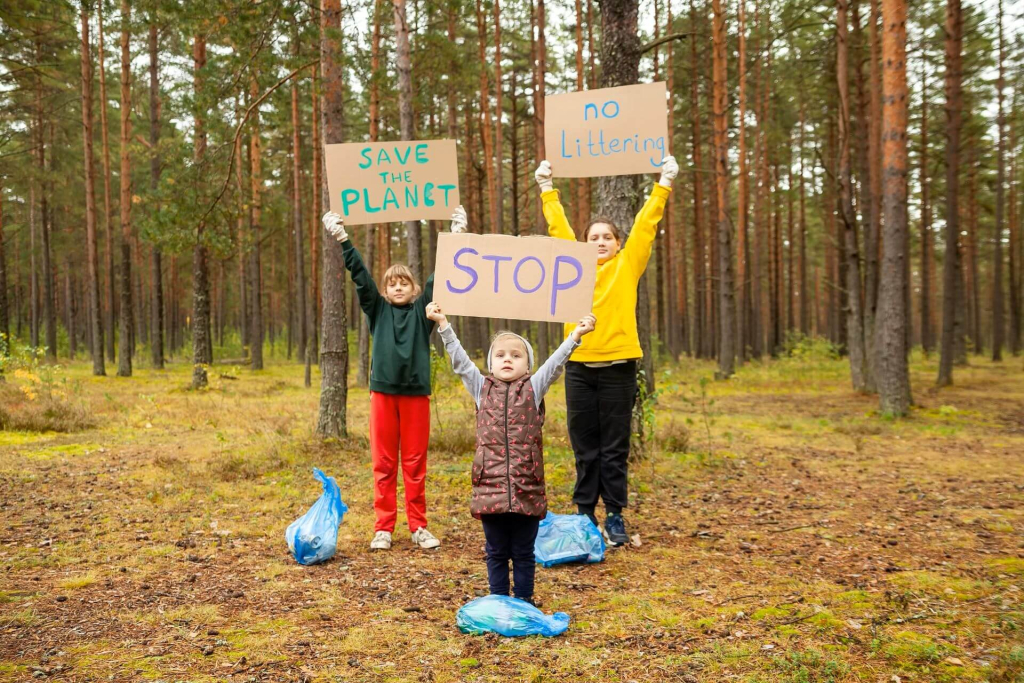
Schools can also organize a recycling programme to collect paper, plastic, or batteries. Parents and teachers can collaborate to encourage participation. These shared efforts show children that sustainable waste management is a community responsibility.
Such exposure builds awareness of the larger process beyond household bins.
Turn recyclables into opportunities to raise money
Collecting recyclables can also help raise money for school activities or community projects. Students can gather plastic bottles, paper, or cardboard and exchange them through approved recycling programmes.
This approach teaches children that responsible waste practices can have practical benefits. It connects environmental care with community goals. When young people see that their efforts support a cause, they become more motivated to participate.
Connect recycling to climate action discussions
As children grow older, parents can gradually introduce conversations about climate action. Explain that reducing waste, reusing materials, and recycling contribute to protecting the environment.
Keep explanations age-appropriate. Focus on the idea that caring for the earth ensures clean air, water, and resources for everyone. Encourage questions and open dialogue.
By framing recycling as part of a broader effort to care for the planet, families help children see their place in the world.
Raising responsible kids starts at home
Teaching kids about recycling does not require elaborate systems or complex explanations. It begins with simple habits: sorting rubbish into the right bins, reusing materials when possible, and understanding the importance of recycling in everyday life.
When parents and teachers work together to educate children about recycling, they help build a generation that understands the process, respects the place they exist in, and recognizes that even small actions can create meaningful change.
Build a nurturing home where responsible habits grow naturally. Discover family-friendly communities with Camella, designed to support everyday living and meaningful moments that shape your children’s future.