




When the school year ends, many Filipino families face the same question: how to make the most of the summer break without letting routines fall apart. With more free time at home, children often turn to screens or idle hours, while parents look for ways to keep kids busy in a way that still feels like a break.
This season presents a great opportunity to combine rest with growth. Thoughtfully chosen productive summer activities for children can help build skills, strengthen relationships with family members, and support a child’s overall well-being. The goal is not to fill every hour, but to create a balance where children can play, explore, and gradually develop new interests.

Set the tone for a productive summer
Before planning activities, it helps to define what a productive summer looks like for your household. For some families, it may mean improving reading habits. For others, it could involve encouraging outdoor movement or creative expression.
A practical approach is to align activities with three simple goals:
- Build skills that support school learning or everyday life
- Create moments to spend quality time as a family
- Encourage independence and boost a child’s confidence
Not every day needs a full schedule. In fact, leaving space for unstructured play allows children to think creatively and manage their own time. The key is to guide rather than control how they spend time during the summer months.
Top picks for summer activities
The suggestions below are based on practical considerations that fit everyday family life. Each activity aims to support a child’s development, whether cognitive, social, or physical. They also use accessible materials or nearby spaces, example, a park or garden. Most importantly, they can be adjusted for different ages and group sizes.
There is also a balance between solo activities and those that involve friends or family that allows children to build independence while still enjoying shared experiences.
1. Summer camp options
A summer camp remains one of the most structured ways to keep children engaged during the break. Camps vary widely, from sports and arts to academic enrichment. It is the perfect time for kids to meet new friends, exposure to new interests such as music, science, or sports, and a routine that keeps kids active.
When choosing a camp, it’s important to review schedules, safety measures, and the location. Short-term programs lasting a few hours each day can be easier to manage while still keeping kids engaged throughout the long summer period.

2. At-home book club for kids
A home-based book club is a simple way to maintain reading habits after school. Parents can select age-appropriate books and set a weekly discussion time. To keep children engaged:
- Let each child help decide the next book
- Use simple prompts like “What part of the story stood out?”
- Track completed books with a chart in their room
This activity builds comprehension while creating regular quality time with family members.
3. Creative writing projects
Writing activities help children express ideas beyond structured lessons. Encourage them to create short stories, comics, or even journal entries about their day. Parents can introduce:
- Story prompts based on everyday experiences
- Journaling during the summer long break
- A mini “publish” project, such as a printed story or digital file
Setting light deadlines helps children stay focused while still enjoying the process. Over time, children gain confidence in communication while strengthening imagination and narrative skills.
4. Backyard obstacle course build
For a more physical challenge, an obstacle course can turn any outdoor space into an exciting activity zone. Using simple materials found around the house, families can:
- Design a course with different stations
- Add timing or scoring rules
- Encourage children to modify the course themselves
This is a great activity for physical health and problem-solving, especially for high-energy kids.
5. DIY science and kitchen experiments
Science becomes more engaging when children can see it in action. Parents can introduce easy experiments using common materials. Consider:
- Mixing ingredients to observe reactions
- Exploring water behavior and density
- Observing simple changes during cooking
Do not forget safety and supervision – but these activities offer a hands-on way to develop interest in science and everyday learning.
6. Cook and bake to keep kids busy
The kitchen offers a natural setting to teach useful life skills. Children can watch and learn by helping with measuring ingredients, mixing, or simple food preparation.
Cooking teaches responsibility, introduces basic math, and helps children understand nutrition. It also creates opportunities for family members to spend time together while teaching independence.
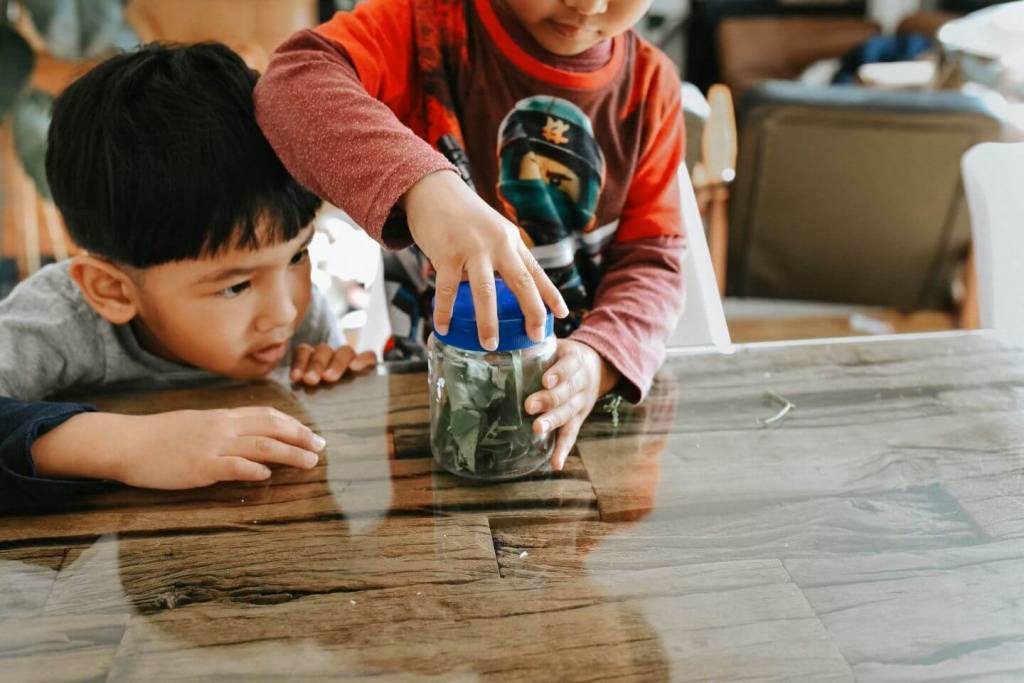
7. Gardening and nature projects
Starting a small garden—even with pots or recycled containers—gives children a daily responsibility. They can water plants, observe growth, and record changes. Families can:
- Plant herbs or vegetables
- Assign daily watering tasks
- Track plant growth over time
Spending time outdoors, whether in a backyard or a nearby park, helps children connect with the natural environment. Occasional day trips to green spaces or even national parks can further expand this experience.
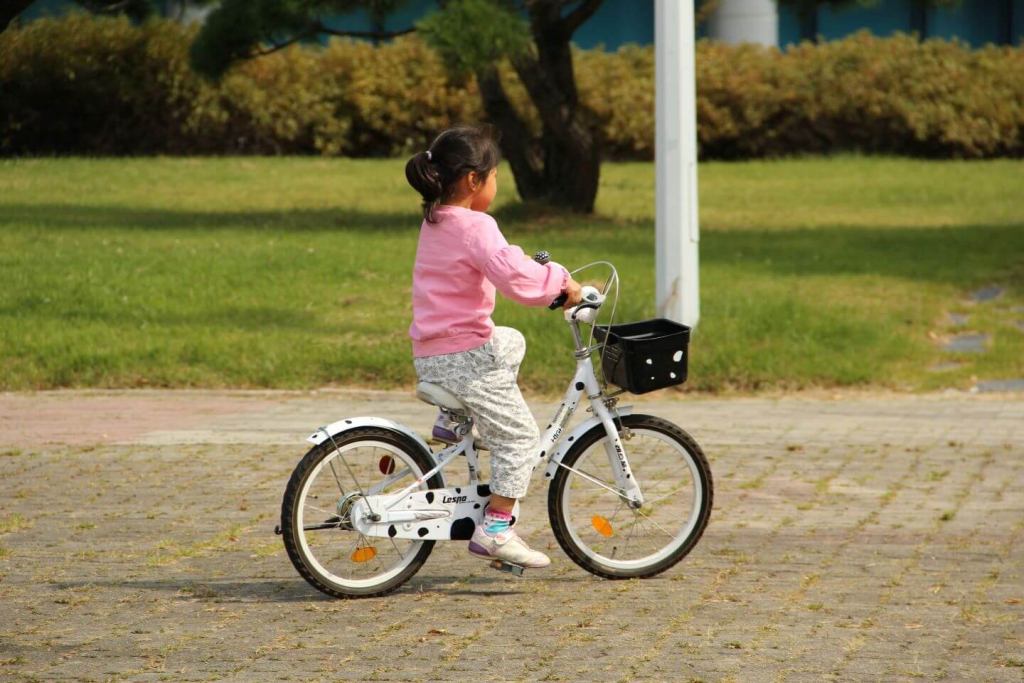
8. Active games and physical health routines
Daily movement is essential, especially during long breaks from school. Simple routines may include:
- Morning stretches or short exercise sessions
- Afternoon games like tag or ball sports
- Weekend activities, such as a bike ride
These habits support physical health and overall well-being, while also helping children maintain energy and focus.
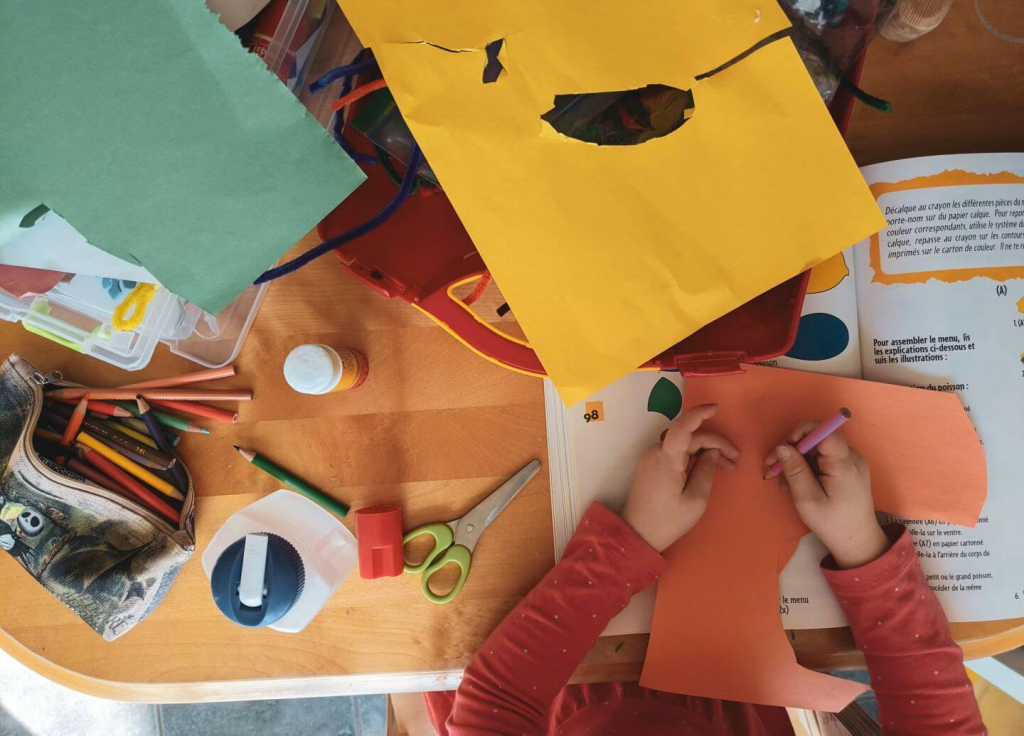
9. Arts, crafts, and fun activities
Creative projects provide a break from structured learning while still supporting development. Options include:
- Drawing and painting
- Crafting with recycled materials
- Music and simple performances
A child’s drawing session or craft day can easily become a weekly routine. Displaying finished work at home encourages pride and continued interest in the arts.
10. Online learning and tutoring options
While summer is a break from formal education, some structured learning can still be useful. Online classes may help reinforce subjects from school, introduce new areas of interest, and provide guided lessons in specific skills.
The key is moderation—balancing screen time with offline activities ensures that learning remains engaging.

11. Volunteering and community projects
Introducing children to community work can build awareness and empathy. Families can plan small clean-up drives, donation sorting at home, or other community-based projects. These activities teach responsibility and show children how their actions can contribute to others.
12. Long-term summer project and showcase
A longer project can give children a sense of direction throughout the summer. It could be something like creating a storybook, building a mini garden, or completing a creative or science-based project.
Breaking the project into weekly steps keeps it manageable. At the end of the summer, children can present their work to the entire family, and you can reward them for this accomplishment.
How to choose the right summer activities
Choosing the right summer activities starts with observing how a child naturally spends their time. Some prefer active play, while others lean toward creative or independent tasks. For parents, the goal is to keep kids busy in a way that supports both enjoyment and development.
Time availability often shapes decisions. Some families can commit to full-day programs like a summer camp, while others rely on shorter routines during the summer break. Planning by week and mixing indoor tasks and time to spend time outdoors helps maintain structure without making the season feel like school.
Activities can also align with specific goals. Reading and creative writing build literacy, while science projects and cooking teach practical skills. Meanwhile, sports and regular exercise support physical health. A mix of these creates a more balanced, productive summer.
Group size matters as well. Solo activities like reading or crafts encourage focus, while group options, such as camps or trips, help children interact with friends.
Ultimately, the best approach is to plan a short trial. Test a few fun activities, observe engagement, and adjust to fit the child’s interests.

Making summer work for your family
A productive summer does not require expensive tools or detailed plans. What matters is consistency and flexibility. Parents can create a simple weekly plan, rotate activities to maintain interest, and track progress with a chart or checklist.
More importantly, these activities create opportunities to spend time together. Whether it is cooking in the kitchen, playing outdoors, or working on a shared project, these moments shape both skills and relationships.
Build a nurturing environment for your children in Camella communities, where safe spaces, open areas, and family-friendly amenities support everyday play, learning, and meaningful moments throughout every season at home.