




A clean and healthy home is more than just an attractive living space. A clean home is essential for the well-being of every family member.
One of the most common household issues homeowners face is mildew and mold. What starts as an innocent enough damp spot could quickly become a serious mold problem. While they may seem like minor cosmetic concerns at first, mold growth can quickly escalate into a serious problem that affects both your property and your health.
Understanding the basics of preventing and removing mildew at home can help you maintain a comfortable indoor environment, avoid costly repairs, and protect your loved ones from potential health concerns.
This guide covers everything you need to know about identifying, preventing, and addressing mildew and mold in your home.
What Is Mildew and Why Does It Grow?
Mildew is a type of mold that commonly appears as gray, white, or black stains on damp surfaces or walls. Like other molds, it thrives in environments with excess moisture, poor ventilation, and warm temperatures.
Mold spores are naturally present in the air and can enter your home through doors, open windows, clothing, pets, and other means. When these spores land on a damp surface with sufficient moisture, mold starts growing and spreading.
Areas with high humidity, water intrusion, or poor air circulation are particularly vulnerable to mildew and mold development.
Health Problems and Risks Associated with Mold
Many homeowners underestimate the potential dangers of mold in their homes. Mold exposure can trigger a variety of health problems, especially for children, older adults, and individuals with respiratory conditions.
Common symptoms of mold exposure include:
- Runny nose
- Sneezing
- Eye irritation
- Skin irritation
- Coughing
- Trouble breathing
- Wheezing
- Headaches
For people with asthma, mold plays a harmful role, such as triggering severe reactions, including asthma attacks and other breathing problems.
Organizations such as the Environmental Protection Agency, the American Industrial Hygiene Association, and the American Conference of Governmental Industrial Hygienists have long recognized the importance of moisture control and increased circulation in reducing indoor mold risks.
Common Causes of Mold and Mildew
Understanding the root causes of mold can help you prevent mold growth before it starts.
1. Excess Moisture and Humidity
The leading cause of mold is too much moisture. Homes and even commercial buildings with elevated indoor humidity create ideal conditions for mold growth.
Experts generally recommend maintaining a relative humidity level between 30% and 50%. A humidity meter, available at many hardware stores, can help monitor moisture levels inside your home. It’s important to have measures, like increasing air circulation, in place to remove moisture and avoid potential mold and moisture problems.
2. Plumbing Issues
Hidden water leaks often create conditions where mold thrives unnoticed.
Watch for:
- Leaky pipes
- Plumbing leaks
- Damaged water lines
- Water under sinks
- Leaking appliances
- Moist walls
A small leak may be the only clue to a much larger hidden mold issue behind walls or under flooring.
3. Poor Ventilation
Rooms that generate moisture need proper airflow. You should pay extra attention to bathrooms, kitchens, basement floors, and laundry rooms. These may be where most of the mold in your home begins to grow.
Without adequate ventilation and exhaust fans, moisture accumulates and encourages mold growth.
Alternatively, having air leaks in your home could also contribute to mold growing in inconspicuous places. Air leaks could lead to wet surfaces that are hard to spot, such as on windowsills and walls hidden behind curtains.
4. Water Damage
Flooding, roof leaks, and contaminated water incidents can create serious mold issues.
Even after visible water disappears, moisture may remain trapped in insulation, flooring, or walls, creating conditions for mold growth.
5. Condensation
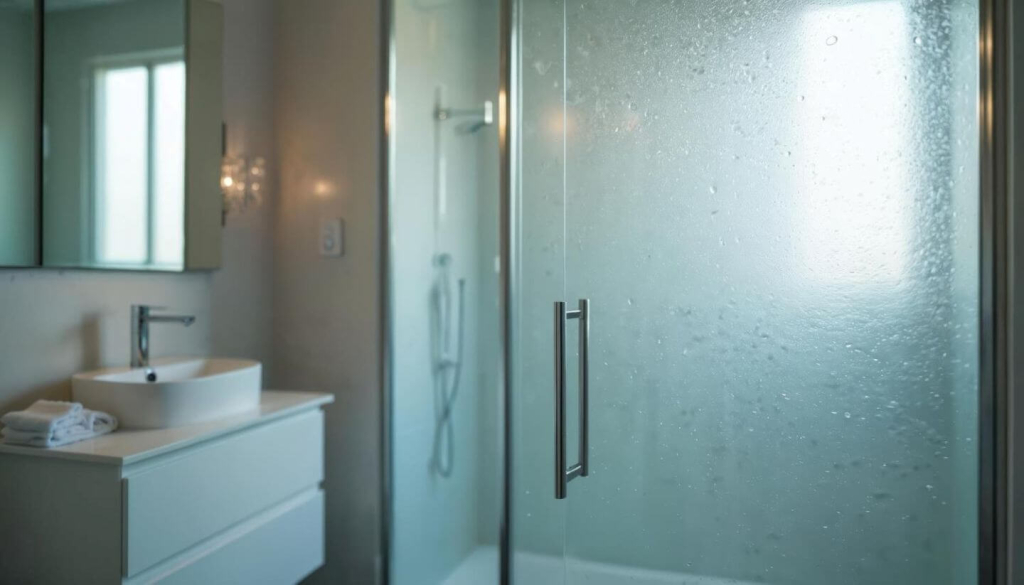
When warm, humid air meets cold surfaces, condensation forms. Over time, this can lead to mildew and mold problems.
Common problem areas include:
- Windows
- Pipes
- Exterior walls
- Air-conditioning units
How to Prevent Mold Growth in Your Home
The most effective strategy for preventing and removing mildew at home is stopping mold before it starts.
Control Indoor Moisture
The key is to control moisture throughout your home.
You can:
- Use a dehumidifier during humid months.
- Repair leaks immediately.
- Dry wet materials within 24 to 48 hours.
- Remove excess moisture after showers or cooking.
Reducing moisture is the single most important step to prevent mold.
Improve Air Circulation
Good airflow helps keep surfaces dry.
Ways to increase air circulation include:
- Using ceiling fans
- Running portable fans
- Opening doors between rooms
- Keeping furniture slightly away from walls
These practices help improve overall air circulation and reduce damp conditions.
Open Windows When Possible
Allowing fresh air into your home can help lower humidity and reduce stale air, in which mold spores thrive.
When weather conditions permit, open windows to encourage airflow and moisture removal.
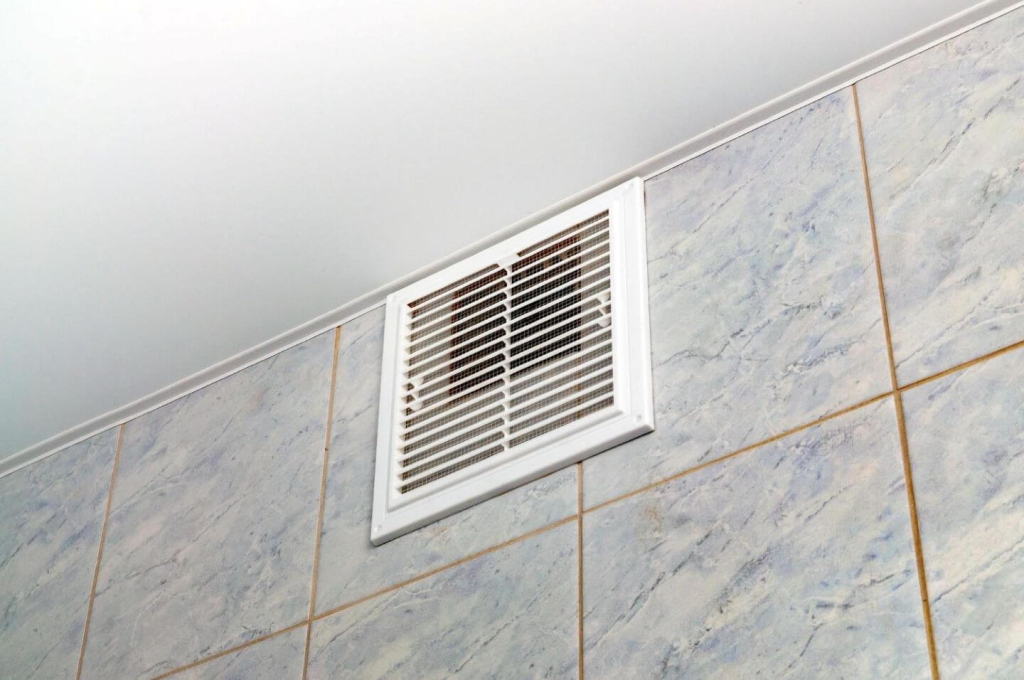
Image source: https://www.magnific.com/premium-photo/low-angle-view-building-against-sky_110504906.htm
Use Exhaust Fans
Install and regularly use exhaust fans in bathrooms, kitchens, and laundry rooms.
These fans help remove steam and reduce the increased relative humidity generated by showering, cooking, washing dishes, and running a clothes dryer.
Maintain Air Conditioning Systems
Your air conditioner plays an important role in controlling humidity.
Regular maintenance should include:
- Cleaning filters
- Inspecting drain lines
- Emptying or cleaning air conditioning drip pans
- Checking for leaks in your air conditioner hoses
A properly functioning air-conditioning system helps reduce indoor humidity and prevent mold growth.
Prevent Condensation
To prevent condensation and reduce condensation, improve insulation around windows and pipes.
This minimizes the chance that warm air will contact cold surfaces where moisture can accumulate.
Inspect Gutters and Roofs
Regularly clean clogged gutters and inspect roofing systems.
Overflowing gutters can direct water toward walls and foundations, increasing the risk of moisture and mold problems.
How to Identify Hidden Mold in Your Home
Sometimes mold isn’t visible.
You may suspect hidden mold if you notice:
- Persistent musty odors
- Unexplained allergy symptoms
- Water stains
- Warped materials
- Recurring moisture issues
Hidden mold often develops behind walls, beneath flooring, inside ceiling cavities, or under a basement floor.
Professional inspection may be necessary if you suspect a significant mold problem.

Image source: https://www.magnific.com/free-photo/white-towels-drying-clotheshorse_5172483.htm
Safe Mold Cleanup Methods
Cleaning up Moldy Areas
For small affected areas, homeowners can often handle mold cleanup themselves.
Before cleaning, make sure that you wear gloves, wear goggles and protective clothing, and avoid touching mold with bare hands.
Cleaning Non-Porous Surfaces
For light mildew on tile, glass, or metal surfaces:
- Mix warm water with a mild detergent or dish detergent.
- Scrub the affected area thoroughly.
- Rinse and dry completely.
Natural cleaning options such as lemon juice may help remove minor mildew and mold stains. However, ensure that you dilute lemon juice in water to prevent discoloration on surfaces.
Handling Moldy Surfaces
For larger moldy surfaces, additional cleaning may be necessary.
If using bleach, never mix bleach with ammonia or other cleaning products, as this can create dangerous toxic fumes.
Always ensure adequate ventilation during mold cleanup.
Dealing With Moldy Items
Some porous materials may need replacement if they’re mold-infested.
Examples include:
- Carpet padding
- Ceiling tiles
- Drywall
- Certain area rugs
Severely damaged, moldy items may not be salvageable. In fact, mold growing in these items may be very damaging to your family and could cause health problems. For clothing and fabrics, professional laundering or dry cleaning may be necessary.

When to Call a Professional
Some situations require professional mold remediation services.
Consider hiring experts if:
- Mold covers a large area
- Mold returns repeatedly
- There is significant water damage
- You discover widespread hidden mold
- Family members experience serious mold-related health effects
Professional remediation specialists have the equipment and expertise to safely remove mold and address underlying moisture issues.
Protecting Your Home for the Long Term
Preventing mold is an ongoing process. Conduct regular inspections for leaks, maintain proper ventilation, and monitor humidity levels throughout the year.
By addressing moisture problems quickly and maintaining good airflow, you can significantly reduce the likelihood of mold developing in your home.
Build a Healthier, Mold-Free Home with Camella
A healthy home starts with proper design, quality construction, and proactive maintenance. While preventing and removing mildew at home requires regular attention from homeowners, choosing a well-planned community and a well-built house can make a significant difference.
Camella homes are thoughtfully designed to support comfortable living, with layouts that promote ventilation, natural light, and functional living spaces. Proper airflow, strategically placed windows, and quality construction standards help homeowners manage moisture levels and reduce the conditions that contribute to mold growth.
Whether you’re purchasing your first home or upgrading to a larger space for your growing family, Camella provides communities designed for long-term comfort, safety, and value.
With a home built to support healthy living, you can focus less on mold and moisture-related concerns and more on creating lasting memories with the people who matter most.