



Before diving into specific dates, it helps to understand how the Philippine holiday system works. The country observes a mix of national holidays made up of regular holidays and special non-working days. Each type affects offices, pay rules, and schedules differently.
Regular vs. special holidays
Regular holidays are paid days off. Even if employees do not report to the office, they are entitled to their daily wage. These days are often tied to major historical events, religious observances, and moments that define national identity.
Special non-working holidays, on the other hand, generally follow a “no work, no pay” rule unless company policy or department guidelines state otherwise. Over the years, additional special non-working days have been added through separate proclamations signed by the president, often to create more holidays or extend long weekends.
In 2026, the calendar includes a healthy number of both types. Some dates are already announced, while others—particularly those tied to the lunar calendar—are confirmed closer to the actual day. Keeping track of these details helps avoid last-minute stress, missing documents, or confusion at work.
Regular and special holidays you should mark early
Regular holidays are the days most Filipinos plan around first because they guarantee time off and often align naturally with additional long weekends. Special holidays and special working day, on the other hand, fall into a gray area: employees may report to work for extra pay, use paid time off, or take the day off without pay.
Regular holidays in 2026
- January 1: New Year’s Day
- April 2: Maundy Thursday
- April 3: Good Friday
- April 9: Araw ng Kagitingan
- May 1: Labor Day
- June 12: Independence Day
- August 31: National Heroes Day
- November 30: Bonifacio Day
- December 25: Christmas Day
- December 30: Rizal Day
The first day of the year begins on a Thursday in 2026, which makes January 2 a Friday, the official day back to work for most employees. Holy Week remains one of the most anticipated breaks because of its length.
Maundy Thursday falls on April 2, followed by Good Friday on April 3. Many offices close early or completely during this period, and Black Saturday on April 4 further extends the pause before Easter Sunday. For many families, however, this stretch is less about travel and more about reflection and tradition.
Araw ng Kagitingan is observed on April 9, a Thursday, commemorating Filipino bravery during World War II. Meanwhile, Labor Day on May 1 lands on a Friday, which means a long weekend that you can use for quick trips or simply rest at home.
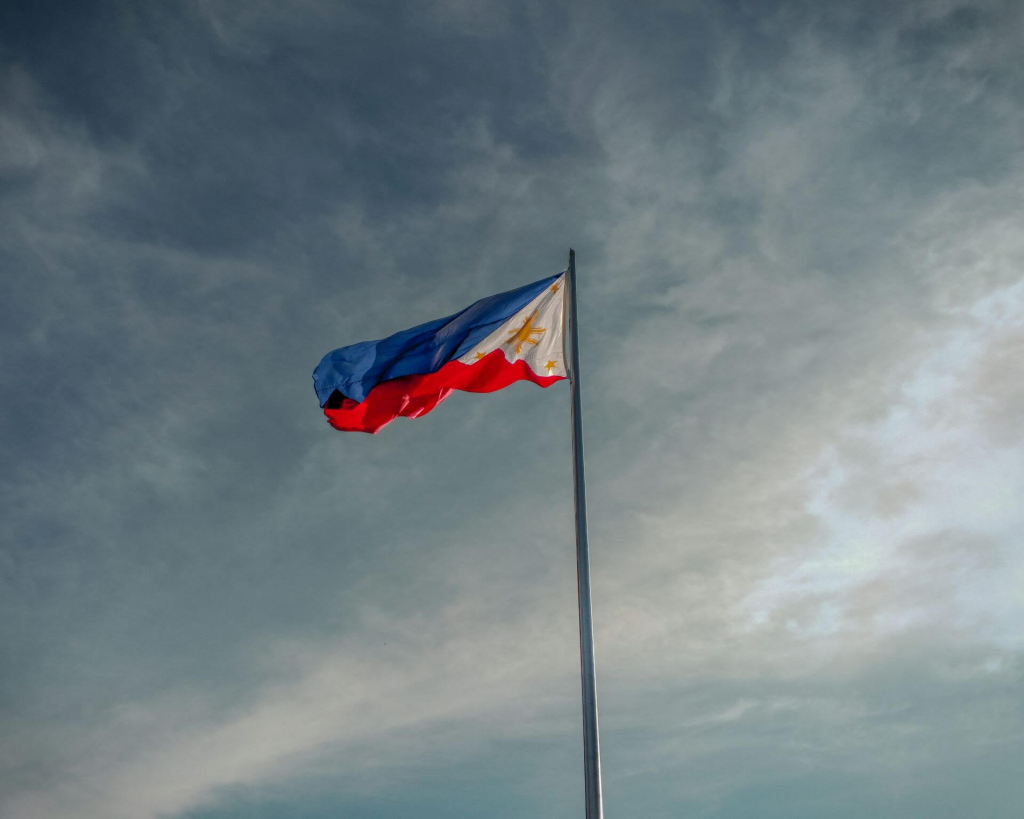
Independence Day on June 12, also a Friday, is a time to reflect and celebrate our freedom and nationhood. National Heroes Day, on the other hand, lands on August 31, which is a Monday. This holiday honors the sacrifices of our national heroes who fought for the freedom we enjoy today.
With several holidays falling close together in November and December, the final stretch of the year opens up plenty of windows for short trips, whether around the country or to nearby destinations abroad. Bonifacio Day on November 30, a Monday, and Christmas Day on December 25, a Friday, naturally lend themselves to extended weekends, while Rizal Day on December 30, a Wednesday, adds one more opportunity for a quick getaway before the year officially ends.
Special non-working days and additional observances in 2026
Aside from regular holidays, special non-working days add flexibility to the calendar. While some comments that these are not always paid, these dates often turn into opportunities for rest, travel, or family time, especially when they fall near weekends.
Cultural, historical, and faith-based holidays
- August 21: Ninoy Aquino Day
- November 1: All Saints’ Day
- November 2: All Souls’ Day
- December 8: Feast of the Immaculate Conception of Mary
- December 24: Christmas Eve
- December 31: Last Day of the Year
Ninoy Aquino Day on August 21, a Friday, commemorates a turning point in modern Philippine history. All Saints’ Day or saints day falls on November 1, a Sunday, followed closely by All Souls’ Day or souls day on November 2, a Monday. Together, they create a meaningful period of remembrance across the country.
The Feast of the Immaculate Conception of Mary on December 8, a Tuesday, is widely observed in a predominantly Catholic nation like the Philippines. Christmas Eve is a Thursday, and the last day of the year is also a Thursday to close the year with consecutive long weekends.
Lunar-based and Islamic holidays
- February 17: Chinese New Year
- March 20-22 (Predicted): Eid al-Fitr
- May 26-27 (Predicted): Eid al-Adha
Some holidays depend on the lunar calendar and are announced separately. Chinese New Year on February 17, a Tuesday, is celebrated in many Filipino communities, particularly in cities with strong Chinese heritage.
Islamic holidays, observed nationwide, are also based on lunar sightings. While dates may vary year to year, they are officially announced to ensure inclusivity and respect for diverse traditions across the Philippines.
Confirmed long weekends in the Philippines for 2026
This is where planning becomes especially rewarding. Several confirmed long weekends in 2026 make it easier to schedule trips, book destinations early, or simply enjoy extended breaks without using too many leave credits. Long weekends in 2026 are ideal for trips to the beach, visiting relatives, or quick getaways.
April 2 to 5: Holy Week break (Four days)
From Maundy Thursday on April 2 to Easter Sunday, this four-day break is ideal for reflection, family gatherings, or quiet retreats. Many Filipinos choose to stay home, while others head to nearby provinces.
May 1 to 3: Labor Day weekend (Three days)
With Labor Day on a Friday, this three-day stretch is perfect for short trips, beach days, or catching up on rest after the first quarter of the year.
June 12 to 14: Independence Day weekend (Three days)
June 12, falling on a Friday, creates another three-day break. It is a popular time for cultural tours or quick city escapes.
August 29 to 31: National Heroes Day weekend (Three days)
National Heroes Day on Monday, August 31, gives travelers a long weekend at the tail end of August, which is the perfect time for family visits off-peak season.
October 31 to November 2: All Saints’ and All Souls’ Day (Three days)
From Saturday to Monday, this three-day period is the perfect time for coming home and remembering departed loved ones. Many Filipinos travel to their hometowns, so booking tickets early is prudent.
November 28 to 30: Bonifacio Day weekend (Three days)
Bonifacio Day on November 30, a Monday, offers a timely break before the busy holiday season begins.
December 25 to 27: Christmas weekend (Three days)
Christmas Day on Friday turns the celebration into a relaxed three-day weekend, perfect for staying close to home or visiting relatives.
December 30 to January 3: Rizal Day to New Year break (Five days)
With Rizal Day (December 30) and the Last Day of the Year (December 31) falling on a Thursday and New Year’s Day following soon after, this extended break stretches into the first days of January, giving many a rare five-day pause to reset.
Planning trips around long weekends
Knowing the dates is only half the work. Planning ahead determines whether a break feels refreshing or rushed. The best time to travel depends on your chosen destinations, the season, and your priorities as a traveler.
Beach destinations remain popular during long weekends, especially in the warm and dry months. However, cultural and historical city tours are often less crowded and just as enriching. Booking flights early is highly recommended, as prices tend to rise quickly once holidays approach.
For travelers who prefer slower trips, choosing nearby locations can reduce stress and maximize actual rest time. Even a short break can feel meaningful when planned well.
Making the most of holidays, even without travel
Not every holiday needs to involve packing bags or leaving the city. Many Filipinos now see holidays as a chance to reset at home, spend time with family, or simply enjoy a quieter pace away from the office.
A planned break can mean catching up on sleep, sharing meals, or enjoying hobbies that get pushed aside during busy weeks. In a country where family ties are deeply valued, even staying home during holidays can be just as fulfilling as traveling.
Making the most of your holidays
Knowing the Philippine holidays and long weekends in 2026 helps you plan ahead, reduce stress, and create meaningful moments throughout the year. Scheduling around regular holidays and special non-working days helps you find windows of relaxation throughout the year without using up all of your leave credits