




Image source: Magnific
A home is often planned around the needs of the people living in it today. Long-term planning asks a different question: can the same home continue to support those needs as people age, develop a chronic illness, or require additional assistance? Particularly those living in middle income countries like the Philippines, that question is becoming more relevant as the population grows older.
The 2024 Census counted 11.42 million senior citizens, or 10.2% of the household population, up from 8.5% in 2020. The same census recorded 7.40 million people aged 65 and over, showing why housing and care planning are becoming increasingly relevant as the country’s population ages.
Understanding Long-Term Care in the Philippines
Long-term care covers ongoing assistance for people who need help with health, personal needs, or daily living. Unlike short-term care, which may last days or months, it can continue for years, particularly for older adults managing chronic illness, physical disabilities, or cognitive conditions.
Why Long-Term Care Matters
The aging process can gradually change the type of support a person needs. Someone who initially manages daily living independently may eventually require personal care, medication management, physical therapy, or rehabilitation services. Care plans should account for physical health, mental health, emotional well-being, and the person’s preferred level of independence.
Long-term care can take place at home, through community care, or in residential settings. The goal is to maintain quality of life and as much independence as possible while providing ongoing support.
Care Services for Different Levels of Need
Care services vary significantly according to individual needs. They can include companion care, assistance with bathing and dressing, medication administration, skilled nursing, medical care, and rehabilitation services. Home health care may involve skilled nursing care and other health services delivered by a registered nurse, physician, therapist, or other care provider, and clinical home health services may require a physician’s prescription. Regular monitoring can also help detect health changes earlier, particularly for those managing chronic conditions.
Choosing Between Home Health Care and Assisted Living Facilities
The right arrangement depends on the person’s condition, household capacity, and required level of care. Philippine law recognizes home health care as health or supportive care delivered by licensed health care professionals, including physicians, nurses, physical therapists, and caregivers.
When Home-Based Care Works Best
Assisted living facilities generally combine housing with supportive services for people who need help while retaining some independence. Assisted living communities, retirement communities, and continuing care retirement communities can offer different combinations of housing, supervision, medication support, and daily assistance. Skilled nursing facilities can provide more intensive medical care, while specialized dementia care may be necessary for people with severe dementia or intellectual disabilities. These models have expanded considerably in the U.S., where assisted living facilities house about 1 million older adults.
A nursing home is more appropriate when residents require continuous supervision or skilled nursing care. In the U.S. alone, there were approximately 17,000 nursing homes in 2005, while the average age of nursing home residents was about 84. Almost half of U.S. seniors are estimated to spend some time in a nursing home.
Though the Philippines does not currently publish a nationally comparable statistic for the total number of nursing home residents, their average age, or the proportion of seniors who will enter nursing homes, the latest Philippine data instead show that the country had 11.42 million people aged 60 and over in 2024, equivalent to 10.2% of the household population.
Assisted Living, Nursing Home, and Dementia Care
Assisted living facilities generally combine housing with supportive services for people who need help while retaining some independence. Assisted living communities and other living facilities may offer meals, supervision, medication support, and assistance with daily activities.
A nursing home is more appropriate when residents require continuous supervision or skilled nursing care. Skilled nursing facilities can provide more intensive medical care, while specialized dementia care may be necessary for people with severe dementia. Families should assess whether assisted living, nursing facilities, or other living communities can provide the appropriate level of ongoing care.
Designing a Home for Long-Term Living
Long-term home care works best when the physical environment supports changing abilities. A home designed around accessibility can reduce avoidable risks while allowing older adults to remain connected to their families and communities.
Supporting Independence and Safety
Features such as accessible bathrooms, wider circulation areas, suitable bedroom placement, adequate lighting, and fewer trip hazards can help promote independence. These considerations become particularly important for older persons with physical disabilities or reduced mobility.
A secure environment can also support people experiencing cognitive decline. For families planning elder care, adaptable spaces can accommodate equipment, visiting health professionals, or changing mobility requirements without immediately requiring relocation.
Making Room for Family and Care Providers
Space planning should also account for family caregivers and informal caregivers. A private room can provide an older family member with privacy while giving family members or licensed nurses enough room to provide care when necessary.
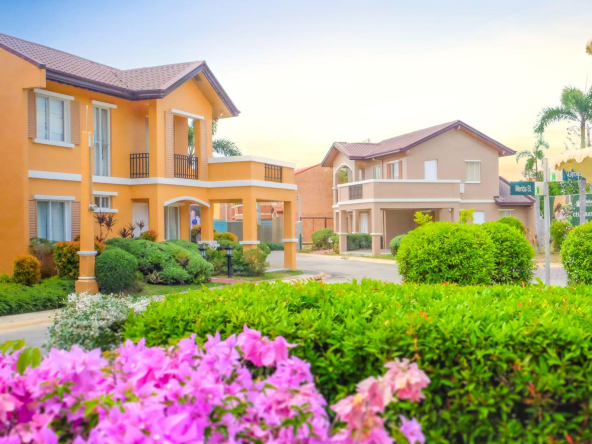
For example, families considering Grenville Residences Camella Homes Taguig can evaluate a home’s layout, accessibility, household space, and proximity to medical services and health services as part of a broader long-term living strategy. The residential setting itself cannot replace professional care, but it can influence how easily family care and supportive services are integrated into everyday life.
Paying for Long-Term Care
Payment arrangements can involve private pay, private insurance, retirement fund savings, or long-term care insurance, where suitable products are available. Life insurance policies may also form part of broader retirement and estate planning.
Long-Term Care Costs
The frequently cited U.S. nursing home average annual cost of US$102,200 in 2019 is approximately PHP 6.3 million, using an indicative exchange rate of about PHP 61.7 to US$1.
In the Philippines, published rates vary considerably by provider, location, accommodation, and level of care. For context, a Philippine nursing-home provider outside of the state government program currently lists 2026 monthly rates ranging from about PHP 39,000 for ward accommodation to PHP 49,000–80,000 for a private air-conditioned room. Services such as hospice and convalescent care may involve separate arrangements.
These are provider-specific rates, not a national average. Families should request an updated quotation based on the individual’s care requirements.

Long-Term Care Spending in the U.S.
The U.S. system illustrates how government programs can shape long-term care financing. In 2008, Medicaid and Medicare accounted for about 71% of U.S. long-term care spending, while Medicaid was the primary payment source for approximately 67% of nursing home residents.
U.S. financing also operates under federal regulations and can include veterans’ benefits for eligible individuals. Medicaid services have historically covered a substantial share of nursing home costs, while private long-term care insurance paid more than US$9.2 billion in benefits in 2017.
These figures are useful for international comparison. In the Philippines, families should instead examine PhilHealth coverage, senior citizen benefits, personal savings, insurance, and applicable government or local assistance programs.
Health-Care Spending in the Philippines
The Philippine financing picture differs from the U.S. system. The latest Philippine National Health Account shows that government schemes and compulsory contributory health-care financing accounted for 46.5% of current health expenditure in 2025, while households’ out-of-pocket payments accounted for 41.2% and voluntary health-care payment schemes accounted for 12.3%.
Total health expenditure reached PHP 1.87 trillion in 2025, equivalent to 6.7% of GDP.
These figures cover health spending broadly rather than long-term care alone. They nevertheless show why families should consider both public coverage and household resources when preparing financially for ongoing care.
Planning for Changing Expenses
Home care can be more cost-effective than institutional care in some situations, particularly when a person needs limited assistance. When appropriately coordinated, home care can also help prevent premature nursing home placement and reduce hospital readmissions. Support services can be adjusted as needs change, helping families maintain ongoing care while avoiding unnecessary transitions. Costs may still include medication, professional care, equipment, home modifications, transportation, and respite care.
Families should also distinguish medical expenses from supportive services. Planning for both helps create a more realistic budget as ongoing care requirements change.
Supporting Families Through Community Care
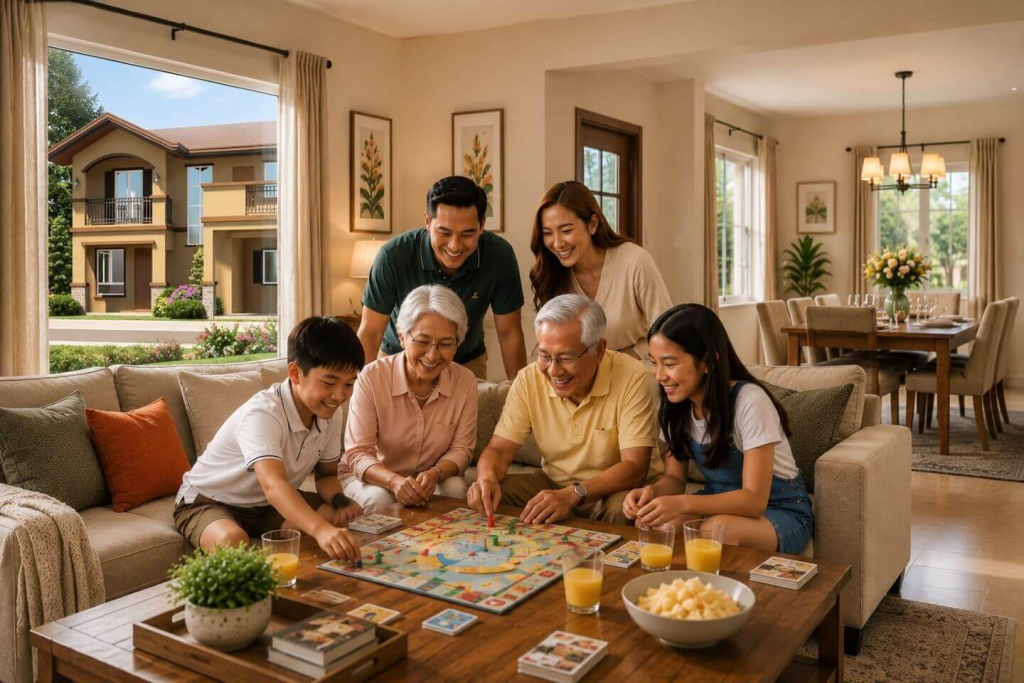
Long-term care affects the entire household. In the Philippines, family members frequently play a central role in caring for older relatives, making family support and community-based services important parts of a sustainable care arrangement.
Supporting Informal Caregivers
Family caregiving can involve significant physical and emotional demands. International research shows that around 70% of elderly individuals may receive care from family and friends, with family members providing care for an average of 4.6 years. Informal caregivers can face increased risks to their mental health and well-being, while the wider economic cost of unpaid caregiving can also be substantial, reaching an estimated £2.9 billion in England in 2015. Respite care can provide temporary relief and reduce caregiver stress. Sharing responsibilities among family caregivers can also help households balance employment, family care, and other responsibilities.
Building a Wider Care Network
Community-based services and support services can extend the support available at home. These may include senior citizens centers, health services, rehabilitation services, social workers, therapists, and local programs.
The National Commission of Senior Citizens notes that Senior Citizens Centers are intended to provide health and wellness services, social participation, and other community support. As of May 2026, DSWD reported operating 77 Centers and Residential Care Facilities nationwide, serving older persons alongside other vulnerable groups. These facilities provide residential or center-based social welfare interventions and should not be treated as a measure of the country’s total private nursing-home capacity.
Creating a Person-Centered Long-Term Care Plan
Good long-term planning starts with the individual rather than a particular facility or service. A person-centered approach considers medical needs, preferences, finances, family capacity, and the level of care required at different stages.
Care plans may begin with independent living and occasional supportive services before progressing to personal care, skilled nursing, or specialized dementia care. For individuals with serious or terminal conditions, hospice care may eventually become appropriate.
The objective is to balance medical care with dignity, emotional support, family support, and quality of life. Coordinated care teams can review changing health outcomes and adjust ongoing care when necessary.
Conclusion: Planning for Aging in Place
A home that can adapt to changing needs gives families more options as they age. Before intensive care becomes necessary, households can assess the home environment, finances, health services, care provider options, and available community care.
For many Filipino families, long-term planning means creating a practical path between independent living and more intensive care. A well-considered home can support older adults through changing stages of life while helping family caregivers provide care without carrying the entire responsibility alone.