



Image source: Magnific
Growing older does not mean giving up an active lifestyle. Staying physically active can help older adults maintain mobility, strength, balance, and confidence while supporting their overall well-being. Exercise can also contribute to better sleep, mood, and cognitive health, making regular movement an important part of healthy aging. The key is choosing activities that match your abilities and health needs rather than trying to keep up with a younger person’s routine.
For seniors in the Philippines, exercise can take many forms, from walking around the neighborhood to joining group activities or doing simple movements at home. These eight practical tips can help make regular exercise safer, more manageable, and easier to maintain.
Start With Physical Activity You Can Manage
The best exercise routine is one that you can safely maintain. If you have been inactive for a long time, start with gentle activities and slowly increase the duration and intensity as your fitness improves.
The World Health Organization recommends that adults aged 65 and older aim for at least 150 minutes of moderate-intensity physical activity each week, or an equivalent combination of moderate and vigorous-intensity activity. Older adults are also encouraged to include strength and balance activities as part of their weekly routine.
These physical activity recommendations are a target rather than a reason to push beyond your limits. People with health concerns or chronic conditions may need to modify their exercise regimen. Get medical clearance before starting an exercise program, particularly if you have existing health problems or chronic conditions. Start slowly, listen to your body, and stop if an activity causes pain.
Include Aerobic Exercises for Heart Health
Aerobic exercises are useful for building endurance and supporting cardiovascular health. They get the heart and lungs working while helping older adults remain physically active throughout the week.
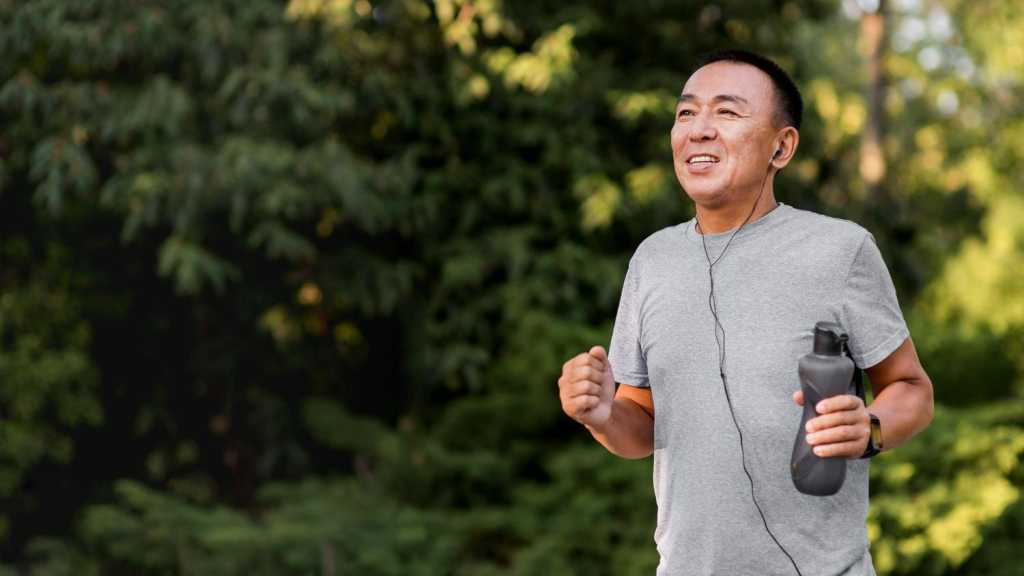
Walking is one of the easiest options to include in a daily routine. Swimming, cycling, and water aerobics can also provide cardio exercise. Water aerobics can be particularly useful for people with mobility issues because the water supports the body and reduces stress on the joints.
You do not need to exercise at vigorous intensity to gain health benefits. Moderate activities performed consistently can contribute to better heart health and energy levels. Regular movement is also associated with a lower risk of heart disease and can help manage some chronic conditions.
Staying hydrated before, during, and after exercise is also important, particularly in the Philippines’ warm and humid climate.
Build Strength and Muscle Mass for Older Adults
Maintaining strength can make everyday movement easier. Stronger muscles can support activities such as standing from a chair, carrying groceries, climbing stairs, and moving around the home.
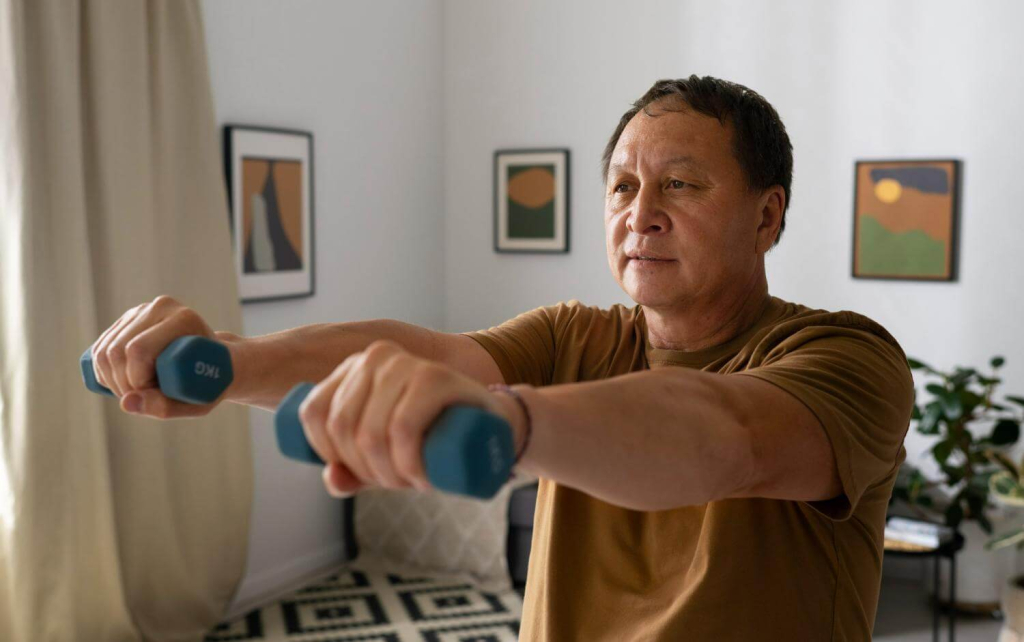
Strength training does not necessarily require a gym. Muscle strengthening activities can use resistance bands, light weights, or your own body weight. Simple strength exercises may include supported squats, seated leg raises, wall push-ups, and controlled lifting weights.
Regular strength work can help older adults preserve and build muscle mass, support bone density, and improve overall health. It also complements other forms of exercise by improving functional ability, promoting independence, and helping seniors gain confidence in everyday movement. Current guidance recommends muscle-strengthening activities involving major muscle groups at least twice a week.
The important thing is to use resistance that is appropriate for your current ability and focus on controlled movements rather than lifting as much weight as possible.
Practice Balance Exercises to Prevent Falls
Balance can become more challenging with age, which makes balance exercises an important part of a well-rounded exercise program. Better stability can help reduce fall risk and make everyday movements more secure.
Simple balance activities can include standing near a sturdy chair while shifting weight from one foot to another, practicing controlled heel-to-toe movements, or performing supported single-leg stands. Balance exercises can include yoga and tai chi, which use controlled movements to improve stability and body awareness while helping prevent falls.
Older adults, particularly those with poor mobility, are encouraged to include activities that improve balance several days each week. These exercises can complement strength training and flexibility work to help prevent falls.
Always choose a safe space for balance practice. Having a sturdy chair, countertop, or another stable support nearby can provide additional security.
Keep Your Muscles and Joints Flexible
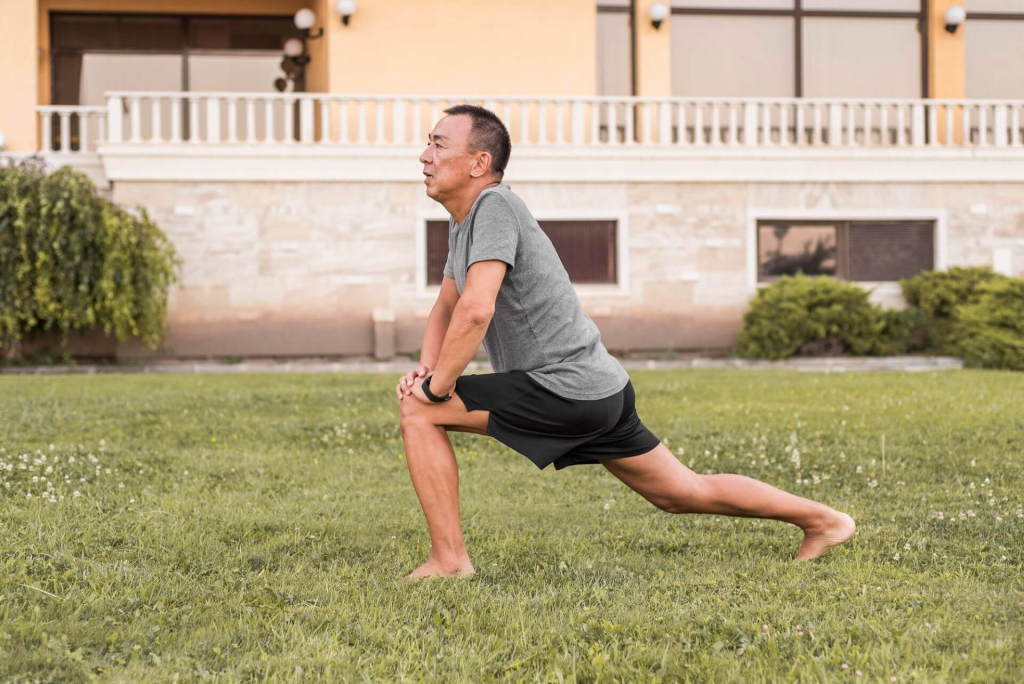
Flexibility is easy to overlook when planning an exercise regimen, but it can affect how comfortably you move throughout the day. Stretching can help maintain range of motion and make ordinary movements, such as reaching to shoulder height or turning to look behind you, more comfortable.
Before exercising, spend a few minutes preparing the body with gentle movements. Afterwards, slowly lower the intensity with gentle stretches to cool down and help prevent injury; a safe hot bath may also provide a relaxing way to recover. When you stretch muscles, avoid bouncing or forcing a joint beyond its comfortable range. The goal is controlled movement, not discomfort.
Flexibility exercises can also help reduce injury risk when combined with appropriate warm-ups and gradual progression. If a particular movement causes pain, modify it or leave it out rather than trying to force your body through it.
Exercise for Better Mental Health and Sleep
The benefits of regular exercise extend beyond physical fitness. Staying active can support physical and mental health by helping reduce anxiety and stress while contributing to better mood, self-confidence, and emotional well-being. Regular exercise may also support immune and digestive functioning, adding to the many benefits of staying active. Regular movement can also support cognitive health and may help reduce the risk of cognitive decline.
This matters as people age because staying active can support more than physical independence. Regular movement may help maintain cognitive health, while research has associated physical activity with a lower risk of dementia and cognitive decline. Exercise should be viewed as one part of broader brain-health habits rather than a treatment for Alzheimer’s disease.
Exercise can also improve sleep quality. A consistent exercise routine, combined with good sleep habits, can help older adults feel more rested and maintain better energy levels during the day. Gentle stretching or relaxing after activity may also help the body wind down.
Make Exercise Part of Your Daily Routine
Consistency becomes easier when movement feels like a normal part of life rather than another obligation. Instead of reserving exercise for long workout sessions, look for opportunities to add more physical activity throughout the day.
Walking to nearby destinations, doing household tasks, gardening, taking the stairs when appropriate, or completing a few specific exercises at home can all contribute to an active lifestyle. For those with mobility limitations, chair aerobics can provide another accessible option. Even small increases in movement can make a big difference.
The aim is to make staying healthy feel practical and sustainable, whether that means a morning walk, light stretching, or a scheduled class a few times a week.
Stay Motivated and Stay Independent
Starting an exercise routine is one thing. Maintaining it over longer periods requires habits that make movement enjoyable and realistic.
One way to stay motivated is to set short-term goals. Instead of focusing immediately on a large weekly target, you might begin by walking for 10 to 15 minutes on several days, then gradually increase the time. Keeping a simple record of your activities can also make progress easier to see. As strength, mobility, and energy levels improve, seniors may gain confidence, feel younger, and find it easier to stay active and independent.
Exercising with a good friend can make physical activity more enjoyable and provide accountability. Group fitness classes can offer a similar sense of connection. Social interaction can also make it easier to maintain a regular exercise routine. Community centers, fitness classes, and a senior center may offer opportunities for structured activities and companionship. In a residential community such as Camella Sta. Maria in Bulacan, having accessible spaces and opportunities for everyday movement can complement a senior’s exercise routine and encourage social interaction.
Most importantly, adapt when necessary. A change in energy levels, mobility, or health concerns may mean modifying your exercise program rather than abandoning it. Finding activities you can continue safely can help you stay independent and maintain confidence in your ability to manage day-to-day activities.
Conclusion
Staying active in later life can support strength, balance, mobility, cardiovascular health, sleep, and mental well-being. The most effective approach is usually a balanced one that combines aerobic activity, strength training, balance work, and flexibility according to individual abilities.
There is no single exercise regimen that works for every senior. Starting gradually, staying hydrated, adapting to health needs, and choosing activities that are enjoyable can make regular physical activity easier to sustain. With consistent movement and sensible goals, seniors can continue supporting their health, confidence, and independence as they age.