





Image source: Freepik
In the Philippines, sleep often competes with work, long commutes, extended screen time, humid evenings, and the steady hum of city life. Many Filipinos accept restless nights as normal, brushing off stiff shoulders or morning headaches as part of adulthood. Yet research in sleep science continues to show that consistent, restorative rest affects immunity, metabolism, mood regulation, and long-term cardiovascular health.
This guide walks you through materials, firmness levels, and real-world considerations in the Philippine climate so you can build a sleep setup that supports comfort, health, and lasting durability.
Understanding What Makes the Best Pillow and Mattress for Better Sleep
Before diving into materials and brands, it helps to understand how your body interacts with your bed. Your mattress supports the weight of your torso and hips. Your pillow supports the natural curve of your neck. When both are properly matched to your body and habits, they help keep your spine aligned from head to tailbone.
Why Sleep Science Matters in Choosing the Right Mattress Surface
Modern sleep science focuses heavily on alignment and pressure distribution. When lying down, your spine should remain in a straight, neutral position. If your mattress surface is too soft, your hips may sink too deeply. If it is too firm, your shoulders may not sink enough. Both scenarios create tension.
Pressure relief plays a critical role here. Areas such as the shoulders and hips carry more weight. A mattress with a responsive comfort layer distributes that weight evenly, so circulation is not restricted. This is especially important for side sleepers, whose shoulders and hips press more deeply into the mattress.
Many high-quality mattress designs now include multiple foam layers or hybrid constructions to provide contouring without excessive sinkage. The goal is not simply softness. It is balanced support that adapts to your body while maintaining structure.
How Sleep Position Influences Support
Your sleep position determines how much loft your pillow needs and how firm your mattress should feel.
Back sleepers generally require moderate cushioning with steady lumbar support. Their pillow should fill the space between the neck and mattress without pushing the head forward. Side sleepers need more height to prevent the head from tilting downward. Stomach sleepers often benefit from a thinner profile to avoid neck strain.
Combination sleepers, like back and stomach sleepers, who move through multiple positions at night require adaptable materials that respond quickly to movement. If your pillow is too rigid or your mattress too restrictive, you may wake frequently without realizing it.
Understanding your dominant sleep position is one of the simplest ways to narrow down choices when shopping for the best mattress or the best choice among many pillows.
Those with sleep issues, such as sleep apnea, may consider investing in a Coop pillow, known for its unique fill of cross-cut memory foam and microfiber, providing customizable firmness. The pillow is designed to provide optimal support for combination sleepers and help ease back and neck pains, ensuring a good night’s sleep.
Choosing the Best Pillow for Your Sleep Style
Even the most advanced mattress cannot compensate for a poorly chosen pillow. The best pillow complements your mattress and aligns your neck with the rest of your spine.
Finding the Best Pillow for Side and Back Sleepers
For side sleepers, loft matters. A firmer pillow that maintains height prevents the head from tilting downward. The goal is horizontal alignment from nose to sternum. Back sleepers, on the other hand, often prefer a medium loft that supports the neck curve without lifting the head too far forward.
Pillows tend to flatten over time, especially those made with lower-density fill. Replacing your pillow every one to two years may be necessary to maintain optimal support.
The Rise of the Adjustable Pillow
An adjustable pillow offers flexibility for changing preferences. These designs allow users to remove or add fill to achieve the desired loft. Some use shredded foam or memory foam pieces inside a zippered shell.
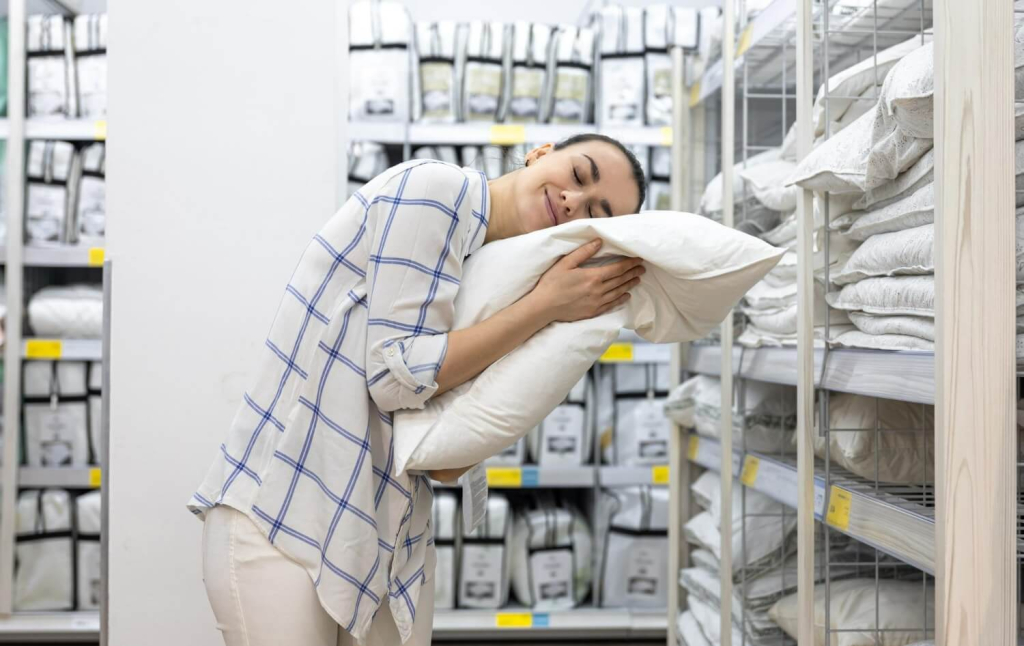
When shopping in-store, prioritize pillow testing. Lie down in your typical sleep position. Ask whether you can test pillows for several minutes to gauge comfort. The entire pillow should feel supportive, not lumpy or uneven.
Down Pillows, Cooling Pillows, and Fabric Considerations
Down pillows feel soft and compressible, though they may require frequent fluffing. Down alternative fill provides similar comfort while being easier to maintain.
For hot sleepers or those who sleep hot, cooling pillows incorporate breathable organic cotton cover materials or moisture-wicking fabrics. Some meet the global organic textile standard, ensuring responsible textile production.
Look for options that are completely machine washable, including both the cover and inner components when possible. In humid environments, washable materials help control dust mites and allergens.
Memory Foam Pillows: How It Works and Who It Benefits
Over the past two decades, memory foam has become one of the most recognized mattress and pillow materials. Originally developed for pressure-sensitive applications, it responds to heat and weight by softening and contouring around the body.
The Structure Behind Memory Foam and Foam Layers
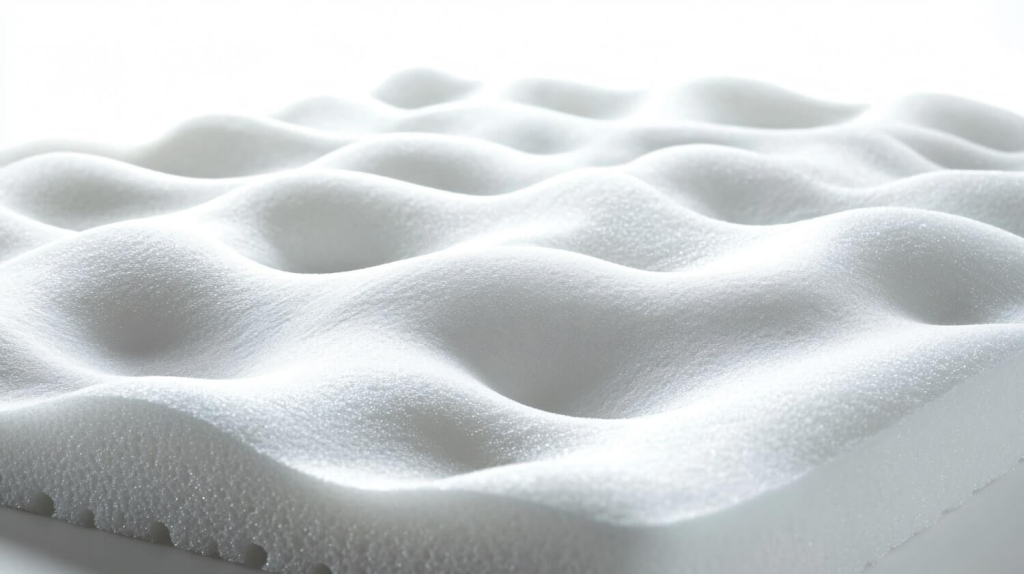
Memory foam mattresses typically contain a supportive base layer topped with a memory foam comfort layer. The upper portion molds around your curves, reducing concentrated pressure. Beneath that, thicker foam layers maintain structural integrity.
Some products use solid memory foam slabs, while others incorporate shredded memory foam pieces for improved airflow and adjustability. A well-designed foam pillow can also use shredded fill, allowing sleepers to customize loft.
The appeal of memory foam lies in its ability to cradle the body. For people experiencing joint discomfort, that contouring effect often translates into noticeable pressure relief.
Comparing Memory Foam With Latex and Other Materials
While memory foam adapts slowly and closely, latex tends to feel more responsive and springy. Natural latex pillows that meet the global organic latex standard appeal to buyers seeking eco-conscious options.
Down pillows, traditionally filled with feathers, offer softness but less structure. Some prefer down alternative fill, which mimics softness while being hypoallergenic. Each material delivers a different feel, and personal preference plays a large role.
A certified sleep science coach would often advise consumers to consider both alignment and temperature regulation. Memory foam may retain more body heat unless paired with cooling features. Latex and certain hybrid builds may offer better airflow.
From Best Value Mattress to Best Luxury Mattress
Budget influences every purchase. Fortunately, the Philippine market offers a wide range of options from entry-level to premium.
Features That Define the Best Mattress
The best mattress for you depends on firmness, durability, and construction quality. Medium firm is widely recommended for general support, especially for back sleepers. Medium soft may appeal to those who prefer a cushioned feel, while a softer mattress may suit lighter individuals.
Plush top layers provide comfort, but beneath them should be sturdy support foam layers or coils that deliver maximum support. The objective is to keep your spine aligned while minimizing pressure points.
Exploring the Best Value Mattress Options
Brands such as Uratex and Emma Sleep Philippines offer accessible price points without sacrificing core structural quality. Some international brands like Brooklyn Bedding may be available through select Philippine retailers or online platforms.
A best value mattress balances cost and durability. Check for warranty coverage and materials used. A high-quality mattress should maintain shape for years without excessive sagging.
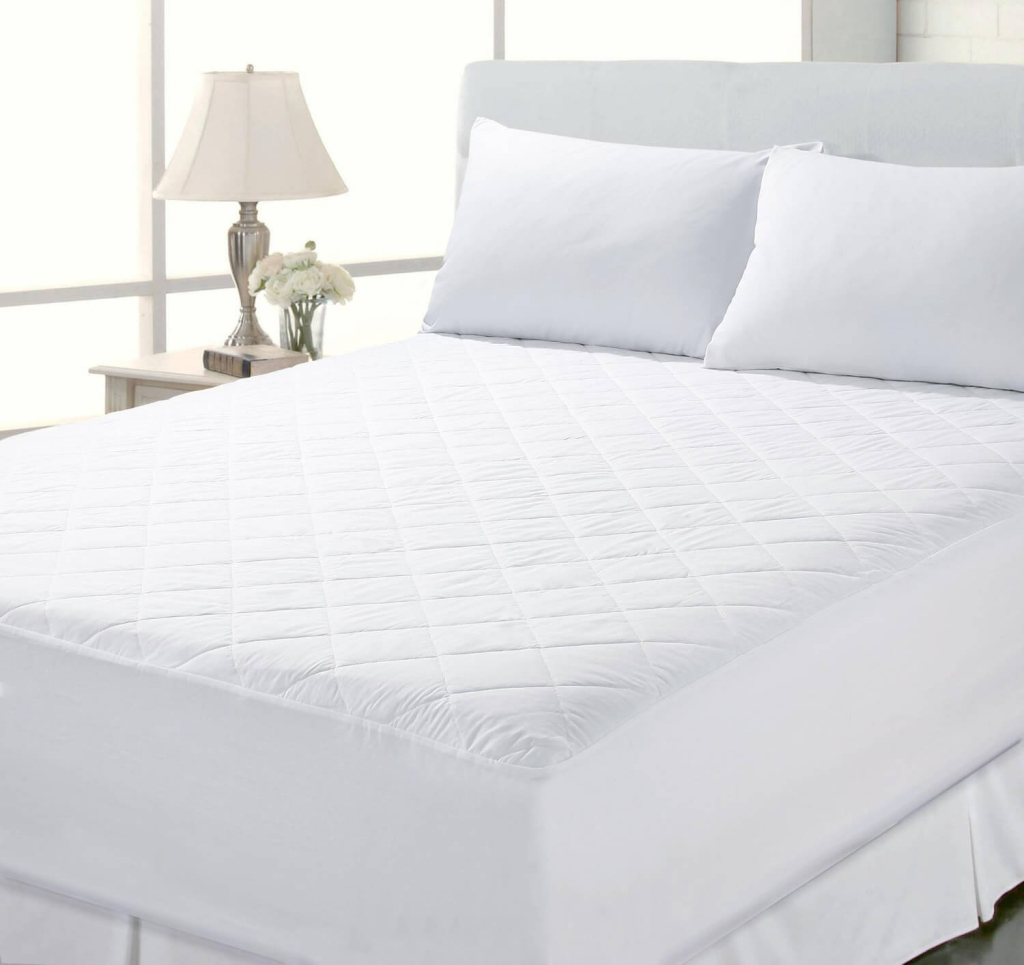
If replacing your previous mattress is not yet feasible, mattress toppers can temporarily adjust firmness. They are not permanent solutions but may extend usability.
When to Consider a Best Luxury Mattress
A best luxury mattress often features advanced cooling systems, higher-density materials, and enhanced motion isolation. For households with different sleep styles, premium models may provide tailored comfort on each side.
Investing in quality sleep pays off long-term. Reduced discomfort, fewer interruptions, and improved mood often justify the higher initial expense.
Back Sleepers, Neck Pain, and Pressure Relief
Certain sleep positions come with predictable challenges. Understanding these helps narrow your search.
Support for Back Sleepers
Back sleepers require steady lumbar reinforcement. A medium-firm mattress often works well because it prevents the hips from sinking too deeply. Pairing it with a supportive pillow that keeps the head neutral helps keep your spine aligned.
Addressing Neck Pain Through Better Support
Neck pain frequently stems from improper pillow height. A foam pillow with contouring edges may cradle the neck more effectively than overly soft alternatives.
The entire pillow should support the head evenly. If it collapses completely under weight, alignment suffers. For stomach sleepers, a thinner pillow reduces excessive arching of the neck.

Balancing Needs for Combination Sleepers
A combination sleeper may benefit from responsive materials that adjust quickly as positions change. A mattress surface that provides both contour and rebound ensures comfort across multiple sleep positions.
Testing Before You Buy
Choosing bedding requires hands-on evaluation whenever possible.
How to Evaluate in Store
When testing a mattress, lie down for at least ten minutes in your usual sleep position. Notice whether your shoulders and hips feel cushioned and whether your lower back feels supported.
Ask about mattress protector compatibility and care instructions for both the cover and internal materials. A washable cover simplifies maintenance.
Recognizing When to Replace Your Previous Mattress
Visible sagging, increased stiffness upon waking, and age beyond eight to ten years often indicate it is time for replacement. Holding onto a worn mattress can compromise sleep quality.
Designing a Home That Encourages Rest
Sleep does not exist in isolation. It reflects the environment you create.
Bedrooms with soft lighting, minimal noise, and breathable fabrics encourage restful sleep. In master planned communities like Camella Alta Silang, homeowners often invest in well-ventilated bedroom layouts that promote airflow during warm months. Quiet surroundings further support better sleep.
A thoughtfully arranged sleep space complements the effort you put into choosing the best pillow and mattress for better sleep.
Conclusion: Making Sleep a Priority
Selecting the best pillow and mattress is a personal process shaped by body type, sleep position, climate, and budget. Whether you choose memory foam, latex, or hybrid designs, focus on alignment, durability, and comfort.
The right combination provides pressure relief, supports the natural curve of your spine, and encourages consistent rest. Quality sleep influences productivity, emotional balance, and long-term health.
Invest wisely, test carefully, and treat your bedroom as a foundation for daily recovery. Better sleep begins with informed choices.