




Image source: Freepik
Introduction
Sleep in the Philippines comes with its own set of challenges. Warm nights, humid air, constant fan or air conditioner use, and sealed bedrooms all shape how the body rests. Over time, poor indoor air and fluctuating air quality can affect comfort, trigger dry throats, and disrupt a night’s rhythm. This is where bedroom plants quietly earn their place. Thoughtfully chosen indoor plants can soften the atmosphere, support bedroom air quality, and help create conditions that allow the body to slow down naturally.
The best bedroom houseplants do more than decorate a room. Many are known for their air purifying properties, supporting improving indoor air quality by managing carbon dioxide levels and reducing exposure to harmful toxins. In the right light conditions, plants for the bedroom can contribute to a calmer space that supports a better night’s sleep and encourages more consistent rest over time.
Air Purifying Plants That Improve Bedroom Air Quality
Air moves less at night, especially in enclosed bedrooms with windows shut for security or noise control. During sleep, the balance between oxygen and carbon dioxide becomes more noticeable, making air purifying plants a practical addition rather than a styling afterthought. These chosen plants are widely available in the Philippines and thrive indoors year-round.
Snake Plant as One of the Best Bedroom Plants for Night Oxygen
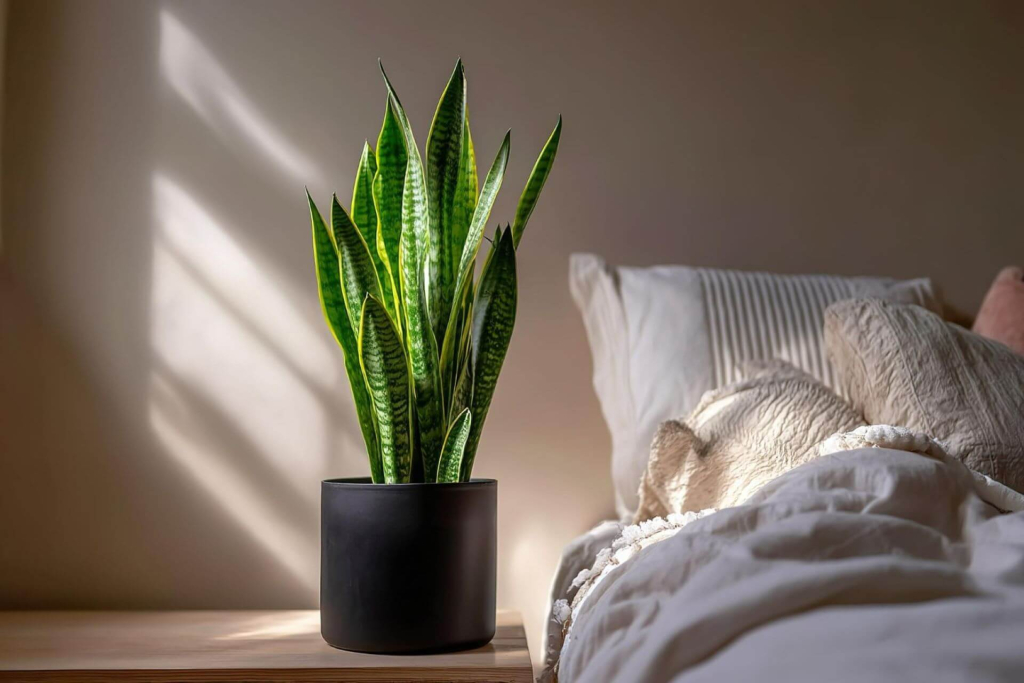
The snake plant is often cited among the best bedroom plants because it can release oxygen even at night. This ability to emit oxygen while absorbing carbon dioxide supports better airflow balance during sleep. Its upright form fits easily beside a bedside table or against a wall without crowding the bedroom.
Well adapted to low light and low light conditions, the snake plant thrives under indirect light and tolerates inconsistent watering. Its stiff green leaves add structure without visual noise, making it an ideal plant for minimalist bedrooms focused on restful sleep. As one of the best air purifying plants, it plays a quiet role in maintaining indoor air quality.
Spider Plant for Improving Indoor Air Quality
The spider plant remains one of the most reliable air-purifying plants for Filipino homes. Known for removing toxins from indoor air, it adapts well to varying humidity levels and handles both medium light and indirect light with ease. Over time, healthy spider plants produce baby spiders that trail gently from the main plant, signaling strong growth.
As a trailing plant, it works beautifully in a hanging basket or elevated on a plant stand, keeping surfaces uncluttered. The spider plant is often recommended among the easiest plants for beginners and remains one of the best indoor plants for improving indoor air quality without demanding attention.
Peace Lilies for Balanced Bedroom Air
Peace lilies are valued for their ability to support cleaner air while adding softness through decorative foliage. Their dark green foliage and elegant blooms help regulate moisture, which can be especially helpful for sleepers dealing with dry throats caused by air conditioning.
Peace lilies prefer medium light, consistent moisture, and well-drained soil. When placed thoughtfully, they contribute to better bedroom air quality and help maintain a stable indoor air environment. Among indoor houseplants, peace lilies balance function and form with ease.
Best Indoor Plants for Low Light Bedrooms
Not all bedrooms receive strong daylight. Many Filipino homes, especially in urban areas, rely on filtered sunlight or shaded windows. The best plants for these spaces are those that tolerate low light without losing vitality or visual appeal.
ZZ Plants for Minimal-Care Bedrooms
ZZ plants are widely recognized as some of the easiest houseplants available. Their thick, glossy leaves store moisture efficiently, allowing them to survive when owners water sparingly. ZZ plants thrive in low light and low light conditions, making them perfect plants for bedrooms with limited windows.
Their shiny leaves reflect ambient light softly, adding polish without overwhelming the space. For those seeking perfect bedroom plants that require minimal effort, ZZ plants consistently deliver.
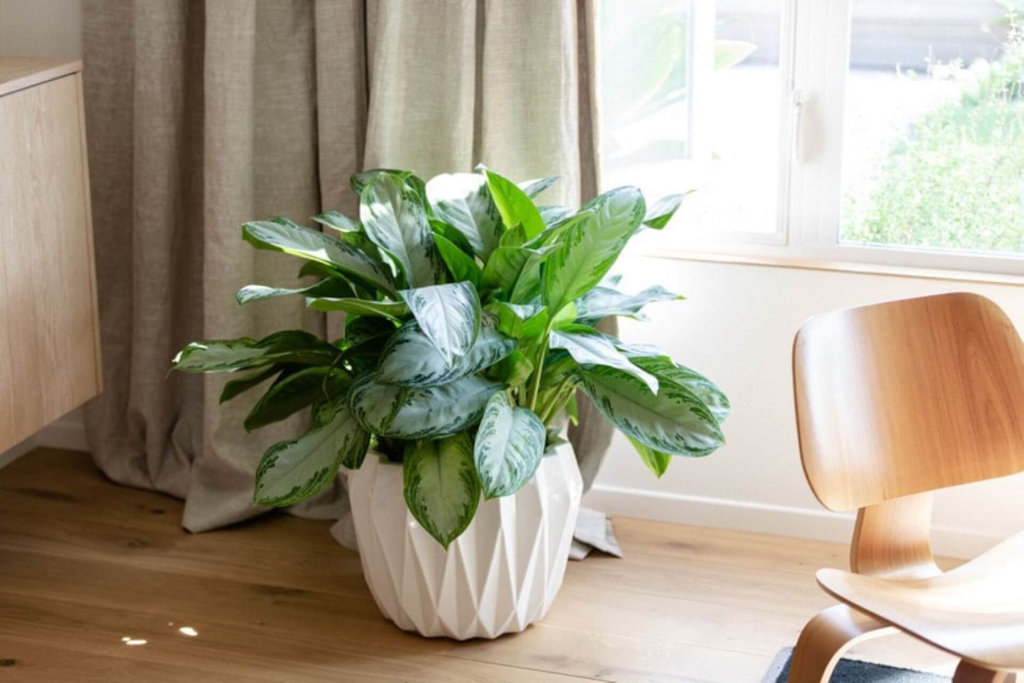
Image source: https://www.hunker.com/13770427/best-plants-buy-north-facing-windows/
Chinese Evergreen as a Reliable Bedroom Choice
Chinese evergreen is another staple among indoor plants suited for low light. Its patterned green leaves often feature living lace-like textures, giving visual depth without brightness. Chinese evergreen tolerates indirect light and uneven watering, making it ideal for busy households.
As one of the easiest plants to maintain, it remains a favorite among those building a collection of indoor houseplants. Its resilience and adaptability support stable indoor air quality throughout the growing season.
Best Bedroom Plants That Add Calm Through Decorative Foliage
Visual comfort matters just as much as air quality when aiming to improve sleep. Plants with calming forms and balanced proportions help the mind settle, encouraging a smoother transition toward rest.
Rubber Plant for a Spacious Bedroom
A rubber plant works best in a spacious bedroom where its broad leaves can breathe. Its dark green foliage anchors the room visually, creating a grounded feel that pairs well with neutral interiors. Rubber plants prefer bright light but should be shielded from direct sunlight to avoid leaf stress. Placed near a window that provides natural light, a rubber plant becomes an ideal plant for homeowners who want a strong presence without clutter. Bedrooms designed with steady natural light and proper ventilation make it easier for indoor plants to thrive without constant adjustment.
In communities like Camella Alta Silang in Cavite, where homes are planned with wider windows and calmer surroundings, residents often find that bedroom plants respond better to indirect light during the day and cooler air at night. This kind of setting supports healthier growth for air-purifying plants while keeping the bedroom comfortable enough for restful sleep, especially when larger foliage or multiple plants share the same space.
Golden Pothos as a Trailing Plant for Flexible Styling
Golden pothos is one of the most adaptable bedroom plants available locally. Its heart-shaped leaves soften sharp lines and work well in both modern and traditional bedrooms. As a trailing plant, it thrives in a hanging basket or along shelves near a bedside table.
Golden pothos tolerates indirect light and medium light, and it continues growing steadily throughout the year. Known for removing toxins from indoor air, it supports improving indoor air quality while adding warmth to the bedroom.
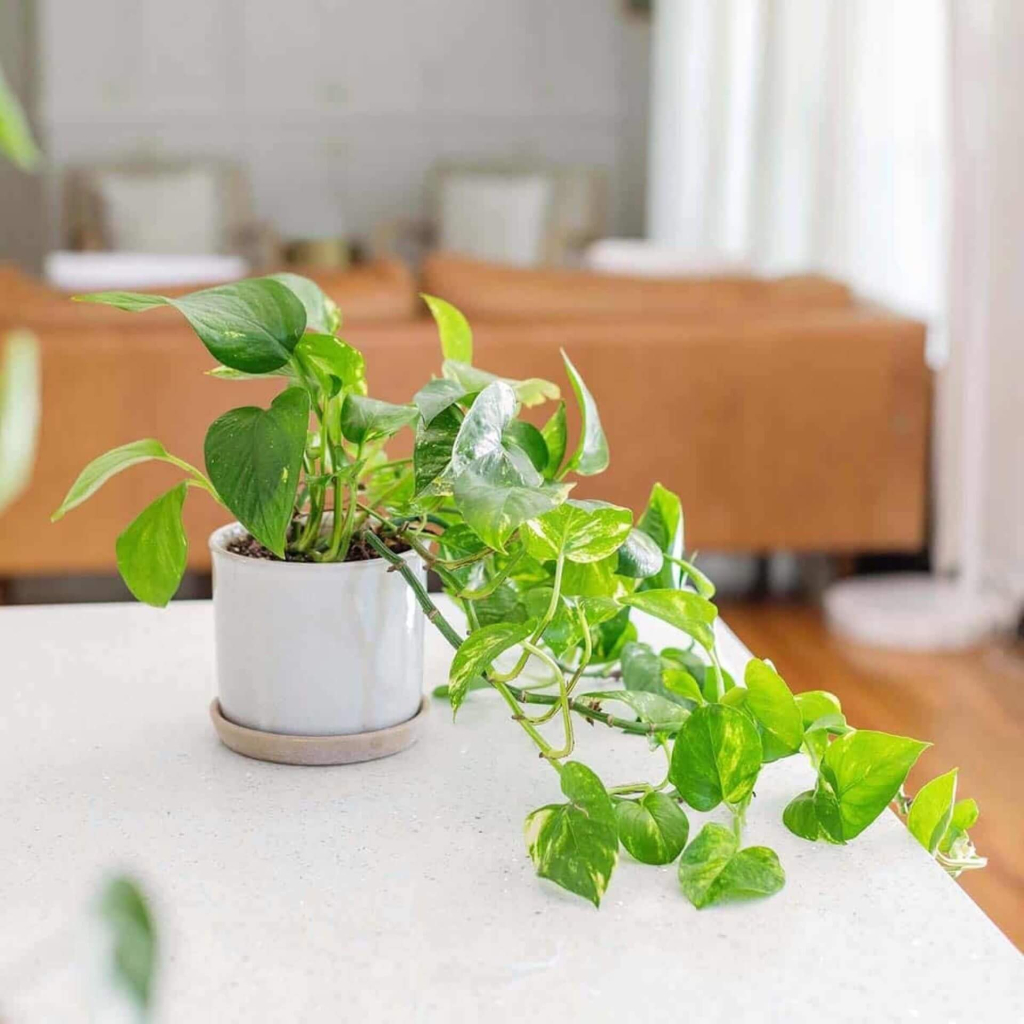
Image source: https://abeautifulmess.com/how-to-care-for-golden-pothos/
Best Plants for Bedrooms With Bright Light Exposure
Some bedrooms benefit from strong daylight, especially those positioned near a west-facing window. These spaces allow for a wider selection of plants that enjoy brighter conditions without requiring full sun exposure all day.
Areca Palm for Naturally Cleaner Indoor Air
The areca palm is widely regarded as one of the best plants for improving air quality. Its feathery green leaves help filter indoor air and contribute to a sense of openness. Areca palm performs best near a west-facing window where it receives bright light without prolonged direct sunlight.
With consistent care, it supports cleaner air and enhances bedroom air quality. Its upright form works well on the floor or beside a plant stand in larger rooms.
Butterfly Palm for Air Quality and Visual Ease
Butterfly palm is another tropical favorite that supports air-purifying functions indoors. Known for helping manage air quality and indoor air circulation, it thrives in bright light while avoiding full sun.
Its soft fronds add movement without visual clutter, making it suitable for bedrooms designed for restful sleep. Among the best plants for brighter rooms, the butterfly palm remains a dependable choice.
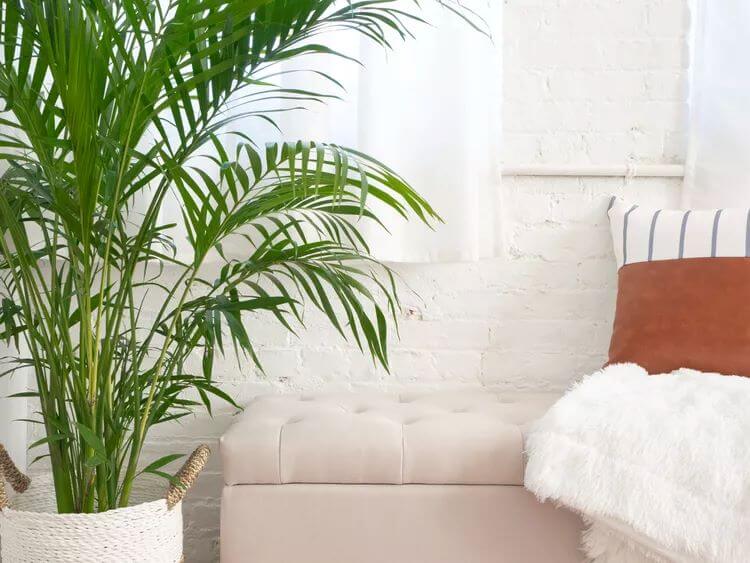
Image source: https://www.thespruce.com/grow-areca-palms-indoors-1902876
Plants for Restful Sleep
Some plants align naturally with nighttime routines and wellness habits, reinforcing the bedroom as a place of recovery and calm.
Aloe Vera for the Best Bedroom Environment
Aloe vera has earned its reputation as one of the best bedroom houseplants due to its ability to emit oxygen at night. This trait supports a more balanced sleep environment and contributes to better bedroom air quality.
Aloe vera prefers bright light, well-drained soil, and minimal watering. It adapts well to Philippine conditions and complements nighttime rituals that include essential oil use or quiet winding down. Many homeowners associate aloe vera with sweet dreams and a more comfortable night’s sleep.
Jade Plants for Sunny Bedroom Corners
Jade plants thrive in a sunny spot and handle direct sunlight or even short periods of full sun. Their structured growth makes them a strong visual anchor for calm spaces. As one of the best indoor plants for stability, jade plants are often associated with longevity and balance.
They perform well near windows with natural light and remain low-maintenance when watered sparingly. For those curating perfect plants for long-term bedroom use, jade plants are a reliable option.
Conclusion
The best bedroom houseplants are those that match the realities of Filipino homes, from light conditions to humidity and daily routines. When selected thoughtfully, bedroom plants support air quality, promote cleaner air, and help create an environment that encourages restful sleep. From snake plant and spider plant to aloe vera and areca palm, these indoor plants prove that comfort and care can coexist naturally. Over time, the right plants can quietly support better sleep, gentler mornings, and a bedroom that feels genuinely restorative.