



This OFW Christmas vacation guide zeroes in on one thing: the most valuable thing an overseas Filipino worker brings home in December is time with family, and a plan for spending money keeps that time from turning into debt. The Philippines has one of the longest holiday season calendars in the world. In Filipino culture, a homecoming carries real emotional weight and real costs. Balancing the two decides whether the trip is remembered fondly or paid off for months.
For Filipinos working in Canada, Singapore, or the Gulf States, the dream trip home often happens only once a year. Life abroad leaves little room for slow visits, so every day counts. Family members have likely been counting down since September, and relatives, old friends, and neighbors all expect a visit. The excitement is genuine, and so are the requests that tend to follow it.
Why the Christmas season in the Philippines is worth the trip
The Philippines is called the Christmas capital of the world, and the title is earned on the calendar. Christmas celebrations begin as early as September, when malls start playing carols and decorated trees appear in lobbies. By December the music is a constant backdrop, from jeepney rides to grocery lines, and “Pasko na” is a greeting heard long before the day itself. Christmas is one of the longest celebrated holidays in the country, with festivities running into January.
The custom is old. Spanish records document a Christmas celebration in December 1565, and the holiday has since absorbed indigenous practices alongside Christian ones. That cultural mix gives the season its devout yet unique communal character, and it makes a visit during this stretch more than a break from work abroad.
Filipino Christmas traditions to catch while you are home
Several Filipino Christmas traditions fall within a few weeks of each other, which makes timing a flight worthwhile. The feast of Our Lady of the Immaculate Conception on December 8 is a special non-working holiday and often the unofficial start of church-centered celebrations.
Simbang Gabi is a series of nine dawn Masses held from December 16 to 24. Many churches hold the first service before sunrise, and families who attend Simbang Gabi together often end the morning with bibingka and puto bumbong outside the doors. In Cebu, the Basilica del Santo Niño hosts a Christmas Eve Mass that draws worshippers from across the city and nearby provinces.
The midnight mass on Christmas Eve leads into Noche Buena, the midnight feast that anchors the season. Tables hold hamon, pancit, fruit salad, and queso de bola, the Edam cheese ball that is a staple of the spread, sometimes paired with a bottle of wine. The parol, a star-shaped lantern, symbolizes hope and hangs in windows from city condominiums to provincial plazas. On Christmas Day, children go pamamasko, visiting relatives and godparents for greetings and small gifts, so a stack of crisp bills should be part of the packing list.
On December 25, the Metro Manila Film Festival also opens in cinemas nationwide. The 2026 edition runs until January 7, 2027, with ticket prices capped at Php 299, which makes a family movie night a manageable plan. New Year’s Eve closes the cycle with media noche and loud neighborhood countdowns.

Your OFW Christmas vacation guide to budgeting before you fly
Planning a Christmas vacation in the Philippines requires balancing emotional reunions and financial boundaries. Money is the topic most likely to strain a reunion, so settle it before departure.
Set a strict spending budget for gifts and outings before traveling home, and keep it in a separate account so holiday spending does not draw on rent, tuition, or savings abroad. Putting aside a fixed amount from every paycheck from the middle of the year helps save for the trip without strain. Plan the vacation budget by listing fixed costs first: airfare, domestic transport, accommodation, and gifts. Then assign amounts to Noche Buena contributions, outings, and pamamasko.
It also helps to communicate financial boundaries to your family before the holiday to manage expectations. A call in October or November that explains what you can contribute, and what you cannot, spares everyone from surprise requests at the dinner table. Establish a budget limit for financial assistance to relatives and decide the amount in advance. A fixed figure is easier to give than a spontaneous one.
Avoid the “one-day millionaire” mindset, the pull to cover every bill, meal, and gift because the visit is short. Generosity that empties the account in two weeks sends an OFW back to overtime hours abroad. Prioritize quality time with family over material gifts. A shared Simbang Gabi morning costs little and tends to be remembered longer than an expensive present.
Book early and prepare your documents
Avoid unnecessary stress by preparing travel documents well before departure. Confirm that the passport has at least six months of validity, check that the work permit or residence card for the host country covers the return trip, and keep copies of key papers on a phone.
December is peak travel season in the Philippines, with high flight and accommodation prices. Book international flights and domestic transport several months in advance, ideally by August or September, to secure the best rates. Ferries and regional flights to the provinces fill early. Buying pasalubong in October or November spreads the cost across several paychecks and avoids last-minute high prices at the airport. Check the airline’s baggage allowance before shopping, since excess weight fees can erase the savings from buying early. Shipping a balikbayan box by sea in September or October is another option, as delivery can take several weeks.

Pasalubong and gift ideas for family members, friends, and neighbors
Gift giving is a central part of Filipino Christmas traditions, and for returning workers the pasalubong is its most visible form. Pasalubong refers to the gifts brought by OFWs for family and friends upon returning to the Philippines. A short list per recipient keeps both the luggage and the budget under control.
Books for all ages
Books suit every age, from picture books for nieces and nephews to novels and cookbooks for parents. They pack flat and rarely duplicate what the household already owns.
Personalized items for friends
Engraved pens, custom photo frames, or a mug printed with a shared memory turn a small purchase into a heartfelt one. Friends usually remember the effort behind it more than the price.
Wine and food baskets for neighbors
A basket of chocolates, cheese, preserves, and a bottle of wine is a courteous Noche Buena gift for the neighbors who looked after the house during the year abroad.
Gadgets for tech-savvy family members
Earbuds, power banks, and tablets are popular with teenagers and younger relatives. Check warranty terms and the local availability of accessories before buying overseas.
Homeware for family members who love cooking
Quality pans, knife sets, and rice cookers suit a mother, sister, or aunt who runs the Noche Buena kitchen, and compact pieces travel well.
Island hopping and low-cost ways to spend the holidays
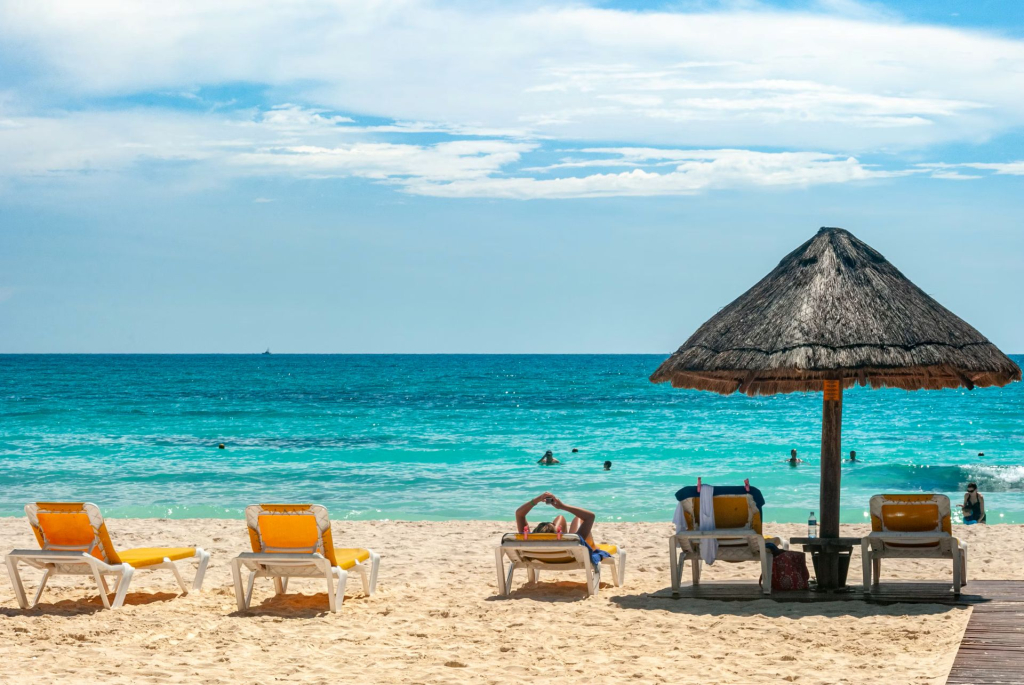
Island hopping is popular in December, and beaches fill quickly with returning families. A weekday trip costs less and leaves room to relax. Snorkeling and diving spots in Cebu, Bohol, and Palawan reward early bookings, while a local bangka ride to a sandbar makes a good day out with the whole family.
Meaningful experiences do not require high-cost holiday activities. Ormoc Mangrove Ecopark in Leyte, for instance, is a public sanctuary that has been free to enter, with boardwalks through the mangroves and guided walks available for a small fee. Day trips to nearby attractions, such as waterfalls, heritage churches, and marine reserves, show off the country’s natural beauty without the cost of a resort package. Evening strolls past decorated plazas, caroling with cousins, and parties hosted at home with potluck dishes create fun without a large bill. Ideas like these also make time for old friends, who often have fewer free days than the visiting OFW expects.
Protect your time and energy during the holiday season
The holiday season fills a calendar quickly: reunions, church obligations, parties, and visits to relatives in two provinces. Manage personal time and obligations to avoid burnout. Choose which invitations to accept, leave one open day between large gatherings, and schedule a real break to sleep and catch up on rest at home. A vacation that ends in exhaustion defeats its purpose.
The best Christmas gift is coming home, and the plan around it matters as much as the destination. Book flights early, agree on money limits with loved ones in advance, buy gifts across several months, and leave space for the traditions that make the Philippine Christmas season distinct. An OFW who returns with a clear budget and an open schedule has more of the one thing family members want most, which is time and attention.