



For families considering a move within the Philippines, Davao City offers a mix of urban services, regional opportunities, and access to nature. For families comparing major cities, its appeal depends on work, housing, schools, and everyday life. Davao City’s population is estimated at over 1.9 million. Its economy grew by 7.9% in 2024 as well, reinforcing its role as a business centre for the Davao region.
What Makes Living in Davao City an Appealing Choice for Families?
Davao is one city with a strong regional identity and the services expected of a major urban centre. This vibrant city has a population that includes indigenous communities and migrants from other parts of the country, giving the city a varied cultural life. Families considering living in Davao should compare opportunities and districts.
A Growing Urban Centre With a Strong Regional Identity
Davao’s economy recorded strong growth in 2024, with construction, transportation and storage, and other services among the sectors contributing to expansion. The figures indicate activity, though job opportunities depend on qualifications and industry. Its international airport also connects with Manila, other major cities, and selected destinations in Southeast Asia, saving many from having to go to Manila International Airport just to go abroad.
Shopping malls, supermarkets, public markets, restaurants, bars, nightlife, and night markets serve residents and tourists alike across the city. It’s good to note that Cebuano is widely spoken, while Filipino and English are also used in many schools and workplaces. Friendly locals, fresh fruits, and a varied food scene contribute to the city’s welcoming nature. Families who visit Davao experience a regional culture woven into everyday life.
The Friendly Locals and Welcoming Nature of Davao Communities
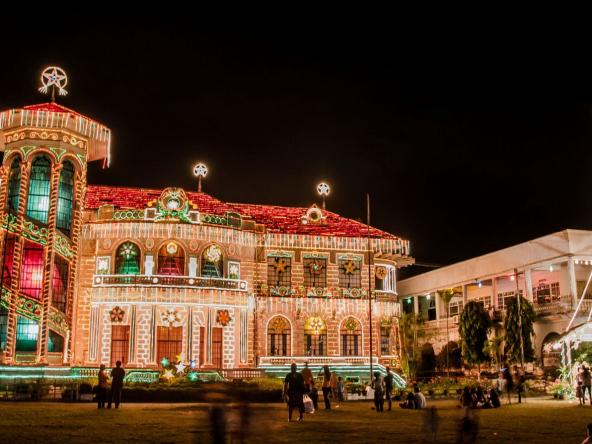
Kadayawan, the annual cultural and harvest festival, celebrates the heritage of Davao’s indigenous communities and the region’s agricultural abundance. Durian, pomelo, seafood, and local dishes are part of the food culture that anyone can enjoy during and even after the festival, whether residents eat at home or in neighbourhood restaurants. Newcomers who set foot in Davao can ease the adjustment by meeting locals and learning community customs in their town or district.
How Living in Davao Offers a Different Pace From Metro Manila
Compared with Metro Manila, Davao can offer a more relaxed atmosphere, though it remains a large city. Rush-hour congestion and distance between districts still affect travel. A slower lifestyle is easier when home, school, and work are close.
Everyday Convenience and Getting Around the City
Public transportation includes jeepneys, taxis, and bus services. Taxi drivers and other transport operators help residents reach workplaces, markets, and schools, but routes and journey times vary. Test the commute at peak hours and check easy access to clinics, supermarkets, and shopping malls. A home near the centre can still involve a long trip.
Work, Remote Employment, and Local Opportunities
Davao’s economy supports employment in trade, construction, transportation, healthcare, education, hospitality, tourism, and IT. Remote workers and digital nomads can also consider the city, with coworking spaces and home internet supporting flexible arrangements. Expats living in other cities in the Philippines and other foreigners should check visa and employment rules before relocating to Davao.
Understanding the Cost of Living in Davao and What Families Can Expect
The cost of living depends on location, household size, and spending habits. Davao is often described as having an affordable cost compared with Metro Manila and Cebu, but not every expense is low cost. Build a budget around actual needs.
Housing Choices, Rental Listings, and Property Costs
In Davao, many expats look for condos and homes for sale with complete amenities like hot water, air conditioning, internet connection and furniture already; families may prefer houses with more space. A commonly quoted one-bedroom rent is PHP 8,000 to PHP 15,000 monthly, but listings vary by district, building, and furnishings. Compare online portals, local agents, community groups and sometimes even the local newspaper before renting one out. Inspect each property and confirm what amenities are already included in the rent or sale.
A two-bedroom apartment is somewhere at around US$600 which is about 40% of US prices. Check rent, utilities, dues, and maintenance before accepting a deal.
Planning a Realistic Household Budget
Some international guides estimate US$800 monthly for a single person and about US$3 for a basic restaurant meal. These are rough estimates that may exclude insurance, specialist healthcare, schooling, or travel. Markets, seasonal produce, and local food can help manage spending; imported goods and frequent dining out raise it. Family budgets differ.
Building a Comfortable Family Life Through Safety, Healthcare, Education, and Recreation
A comfortable home depends on nearby services. Davao has safety programmes, hospitals, schools, and recreation, but access differs by district. Check facilities before choosing an area.
Community Safety and Local Governance
Davao’s local government coordinates community policing and public safety through city offices and police operations. Ordinances cover public smoking, speed limits, CCTV requirements for specified establishments, and a curfew for minors. The Public Safety and Security Command Center coordinates agencies, with a strong police presence supporting enforcement.
Davao is often called one of the safest cities in the Philippines, with relocation sources claiming a low crime rate compared to other cities. A 2024 household survey found 97.9% felt safe walking alone at night. This is a perception measure, not a crime-rate comparison or national ranking. Visit an area by day and night, check lighting, and speak with residents.
Healthcare, Schools, and Family Services
Davao has public and private hospitals and family medicine clinics such as Southern Philippines Medical Center, a government hospital offering specialised services, while Davao Doctors Hospital is a private tertiary hospital. Some residents find public healthcare access more limited than private options, but services are not simply absent: capacity, waiting times, coverage, and costs vary.
For education, compare public, private, and international schools by curriculum, fees, admission, and travel time. Remember to check nearby pharmacies, dental clinics, and emergency services too.
Nature, Recreation, and Davao’s Beautiful Beaches
Davao offers easy access to Mount Apo, the country’s highest peak, and Samal Island, known for beautiful beaches and diving. Families can visit the Philippine Eagle Center and National Museum of the Philippines – Davao, or explore parks and coastal areas for outdoor activities, a walk, or rest.
Davao has a warm tropical weather pattern and rainfall throughout the year. It is outside the main path of many typhoons, but flooding and severe weather remain possible. The water district reports compliance with drinking-water standards in its service network, and tap water is potable in several served areas; residents should still check local advisories and their own connection before drinking it.
Choosing a Home and Building Long-Term Roots in Davao
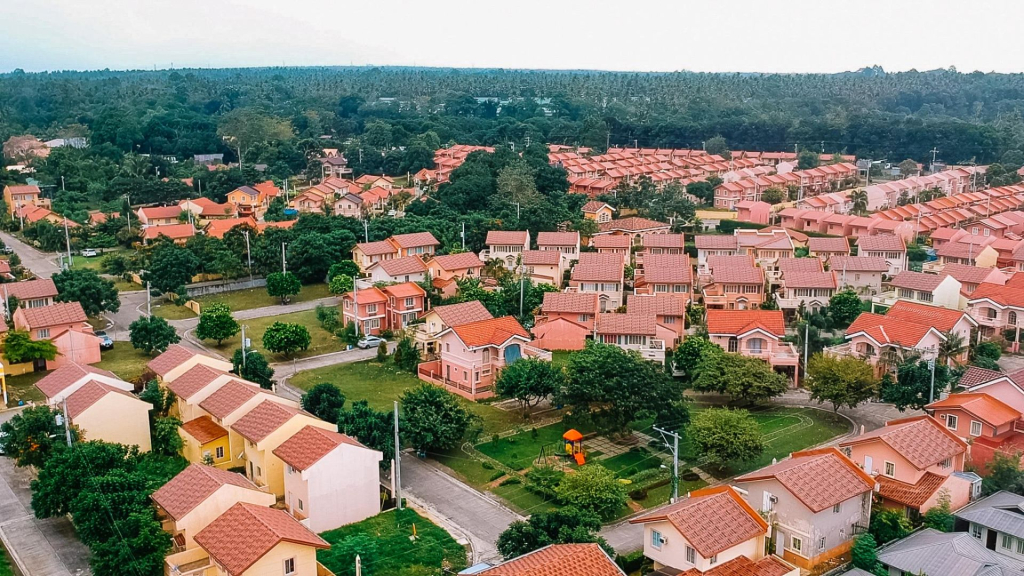
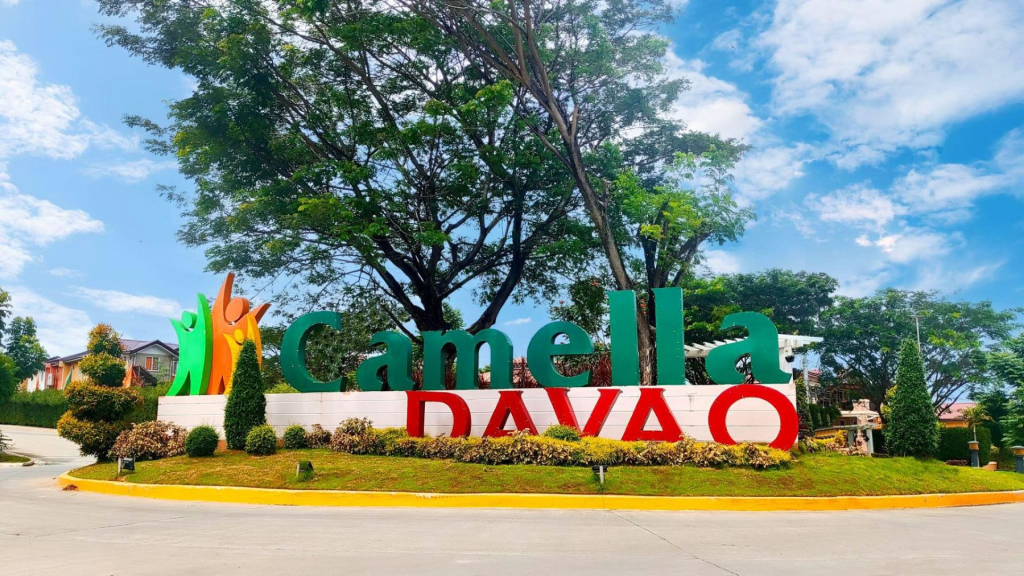
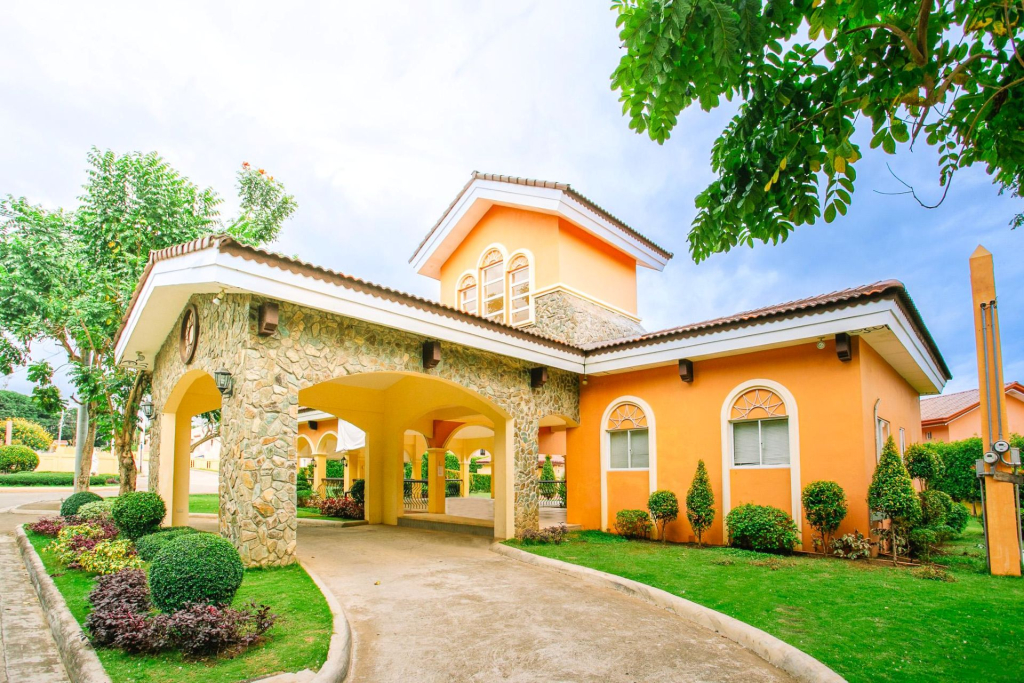
A home should support family routines over the next few years. Two properties in Davao can have very different access to work, schools, healthcare, and recreation. Some households want an urban setting; others prefer a residential community in a quieter town where they can find peace. Gated communities, such as Camella Davao and Camella Toscana, can easily accommodate a family’s changing needs: more bedrooms for a growing family, nearby healthcare for retirees, reliable internet for remote workers, and open spaces or swimming pools for children.
Spend time in the district before committing. Shop at nearby markets, travel during rush hour, and speak with residents and property managers. Check contracts, utility costs, water, internet, and property condition. People moving from Manila, elsewhere in the Philippines, or other countries should budget for relocation and settling in. Davao may be an ideal place for families seeking services, job opportunities, good food, and nature. For households whose priorities fit the city, living in Davao can provide a practical foundation for the next stage of life.