



Image Source: RDNE Stock project | Pexels
Introduction: Making Family Holidays Work for Every Generation
A holiday with grandparents, parents, and children can turn an ordinary vacation into an opportunity to share stories, discover new places, and create lasting memories. Yet multigenerational family travel requires careful planning because family members may have different budgets, interests, mobility needs, and ideas of fun.
Younger children might want time at the pool, while older generations may prefer cultural tours, scenic drives, or a quiet afternoon by the beach. Finding a balance allows everyone to enjoy the journey without feeling pressured to follow the same schedule. With a few thoughtful decisions, a family trip can bring three generations closer while giving each traveler room to enjoy the experience.
12 Tips for a Successful Multigenerational Family Vacation
Successful multigenerational trips begin with realistic expectations. Before booking flights or accommodations, discuss the group’s priorities, financial limits, and preferred pace. More than half of the planning challenge can come down to understanding what each person hopes to gain from the holiday, whether that means adventure, relaxation, cultural discovery, or quality time together. The following tips offer practical ways to coordinate travel plans while keeping the whole family comfortable.
Start With Shared Priorities for the Whole Family
Begin by asking each family member what would make the holiday meaningful. Parents may prioritize convenience, grandparents may want time with their grandchildren, and kids may look forward to swimming or outdoor adventures. Invite everyone to suggest activities, then identify shared interests before building the itinerary. This simple conversation gives the group a sense of ownership and helps prevent one person’s preferences from dominating the trip.
Choose a Special Place That Offers Something for Everyone
Look for a destination with a mix of scenery, local culture, food, and activities suited to different ages. In the Philippines, Puerto Princesa offers opportunities to explore beaches, island destinations, wildlife attractions, and the Puerto Princesa Subterranean River National Park. The city’s official tourism resources also highlight community-based experiences and cultural attractions, making it a useful starting point for families with varied interests. For families exploring residential opportunities in Palawan, Camella Puerto Princesa offers a point of reference when considering homeownership in the city.
For families considering destinations abroad, Vietnam’s Da Nang and Hoi An offer a combination of beach time and cultural exploration, while Hilton Head in South Carolina is known for its beaches and family-friendly activities.
Balance Outdoor Adventures With Relaxation
A family adventure does not need to keep everyone moving from morning to night. Combine an active outing with time to rest, giving energetic travelers opportunities to explore while others enjoy a slower pace. Depending on the destination, activities might include sea kayaking, guided nature walks, rafting, or even fly fishing for interested adults.
Of course, the best activity depends on the group’s interests and abilities, and a plethora of options means families can choose just some adventures while leaving enough time for the young ones to rest or play. A beach afternoon, a shaded picnic, or a relaxed meal can be equally enjoyable.
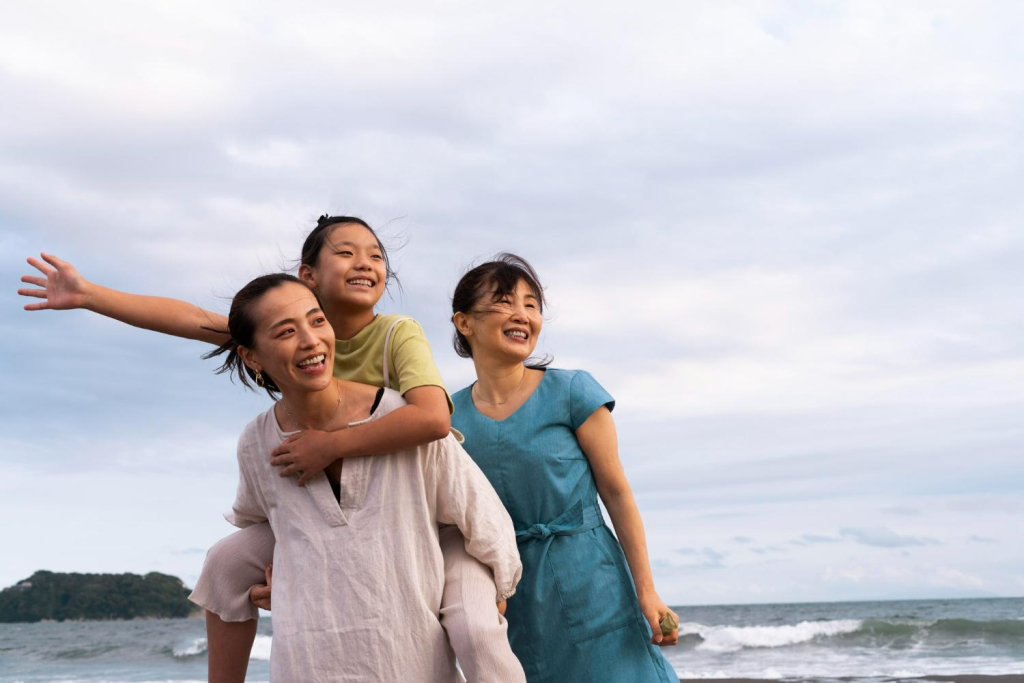
For families who enjoy the ocean, a coastal holiday can offer a balance of swimming, sightseeing, and unhurried time together, provided the chosen activities suit everyone’s comfort and swimming ability. The aim is to offer a range of possibilities without making every activity compulsory.
Explore Natural Wonders Through Wildlife and Nature Experiences
Nature experiences can offer a calming change of pace and give children a chance to learn outside the classroom. Families might visit a national park, observe birds, join a guided forest walk, or take a responsible wildlife tour. Costa Rica, for example, is known for biodiversity and guided nature experiences, including nighttime excursions to observe amphibians.
Families hoping to see giant tortoises should consider destinations where these animals naturally live, such as the Galápagos Islands. In Costa Rica, wildlife excursions can instead introduce travelers to native amphibians, birds, and other species while allowing the group to explore nature at a comfortable pace. Choose guided experiences that respect local conservation rules and accommodate the needs of both younger and older travelers.
Families seeking other outdoor experiences might consider dude ranches, which can offer activities for different age groups, or Jackson, Wyoming, where outdoor recreation is available throughout the year. Travelers looking for a more dramatic landscape could explore Iceland’s glacier excursions and whale-watching opportunities, subject to seasonal conditions and age restrictions.
Discover Local Culture Through Hands-On Experiences
Cultural activities can help generations connect through shared learning. Consider interactive museum visits, traditional craft demonstrations, food markets, or a visit to a working farm where children can see how food is grown. Cooking classes are another way for family members to work together, discover local ingredients, and bring new recipes home. When planned for different skill levels, cooking classes can engage family members of all ages, giving children, parents, and grandparents a shared task that encourages conversation and cooperation.
Depending on the destination, families might explore Filipino heritage, learn about French culture, or visit a village with a knowledgeable local guide. These experiences make room for conversation and give younger travelers a better sense of the world beyond their everyday surroundings.
Choose All-Inclusive Options That Simplify Group Travel
All-inclusive resorts can make coordination easier by combining accommodation, dining, and selected activities in one property. Some all-inclusive properties offer a kids club, supervised activities, family entertainment, or childcare options, although the available services and age limits vary. Before booking, check what the package actually includes, whether meals accommodate dietary needs, and whether quieter spaces are available for adults seeking relaxation.
Resorts in the Caribbean or family-friendly beach destinations may suit groups who prefer fewer logistical decisions. Families traveling with young children might also consider a Disney Cruise Line holiday, provided the itinerary, onboard facilities, and activities suit their ages and needs. A package is only worthwhile if its inclusions match the family’s needs and budget.
Compare Accommodations for Your Multi-Generational Group
The right accommodation gives everyone space to gather and room to recharge. Villa rentals can provide shared kitchens, dining areas, and private bedrooms, while connecting hotel rooms may offer convenience for families traveling with young children. Tuscany is another option for a family reunion, with villa rentals offering space for shared meals, group activities, and private downtime between outings.
A resort might suit travelers who want a pool and organized activities, whereas a vacation rental can provide greater flexibility for meals and schedules. Check practical details such as elevators, walk-in showers, nearby pharmacies, and bedroom arrangements before confirming a property. Comfort and accessibility matter as much as the destination itself.
Make Travel Plans That Respect Everyone’s Budget
Agree on the budget before anyone makes reservations. Discuss transportation, accommodation, food, entrance fees, and optional excursions so that adults understand their responsibilities and nobody feels obliged to pay for activities they cannot afford. Compare shared rentals with hotel rooms, check special offers carefully, and consider traveling outside peak periods when schedules allow. Families visiting South Carolina, San Diego, or other popular destinations should also account for local transportation and attraction costs. A clear spending plan keeps financial disagreements from overshadowing the holiday.
Build Flexible Itineraries for Multigenerational Travel
A good itinerary gives the group direction without scheduling every hour. Choose one main shared activity each day, then leave space for spontaneous discoveries, naps, or separate outings. Some family members may want a full day of adventures, while others prefer reading, swimming, or enjoying a leisurely meal.
Build in downtime to avoid over-scheduling the itinerary, and let the grandkids enjoy age-appropriate activities while adults choose whether to join them or take a break. If dad wants to go exploring while grandparents spend the afternoon resting, allow the group to divide into smaller parties and reunite later. This approach gives travelers independence while protecting the only time everyone has together for a shared experience.
Make Mealtimes Part of the Family Vacation
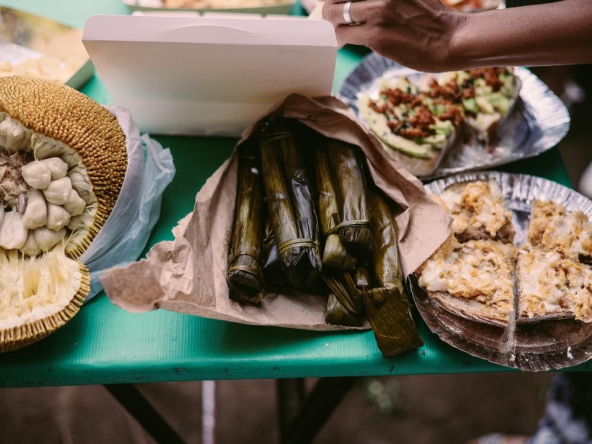
Food can become one of the most enjoyable parts of a family holiday. Try regional specialties at local markets, book a cooking class, or prepare a picnic with ingredients everyone helped choose. Interactive dining experiences, such as a raclette dinner, can encourage conversation and make a meal feel like an activity in itself. In the Philippines, sampling local seafood and regional dishes can introduce visitors to the country’s culinary traditions. Choose one main meal for the group to share each day, while keeping other meals flexible to suit different appetites, schedules, and dietary requirements.
Prepare Transportation and Accessibility for All Ages
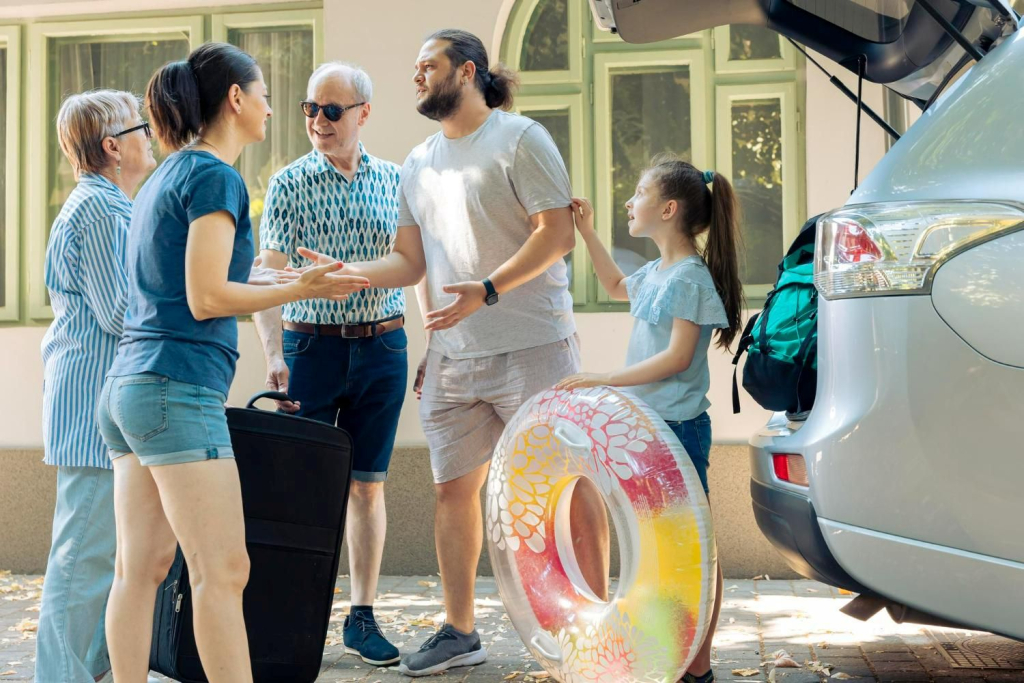
Transportation deserves special attention when multiple generations travel together. Check transfer times, luggage arrangements, walking distances, rest stops, and the availability of accessible vehicles before finalizing bookings. Japan is often considered for its extensive rail network, though families should still check station transfers, stairs, and accessible facilities along their particular route. Travelers should also review medical facilities and the availability of essential services near their accommodation. Whether the group is crossing a city or traveling between islands, a manageable journey helps everyone arrive ready to enjoy the destination.
Create Lasting Memories Through Simple Shared Rituals
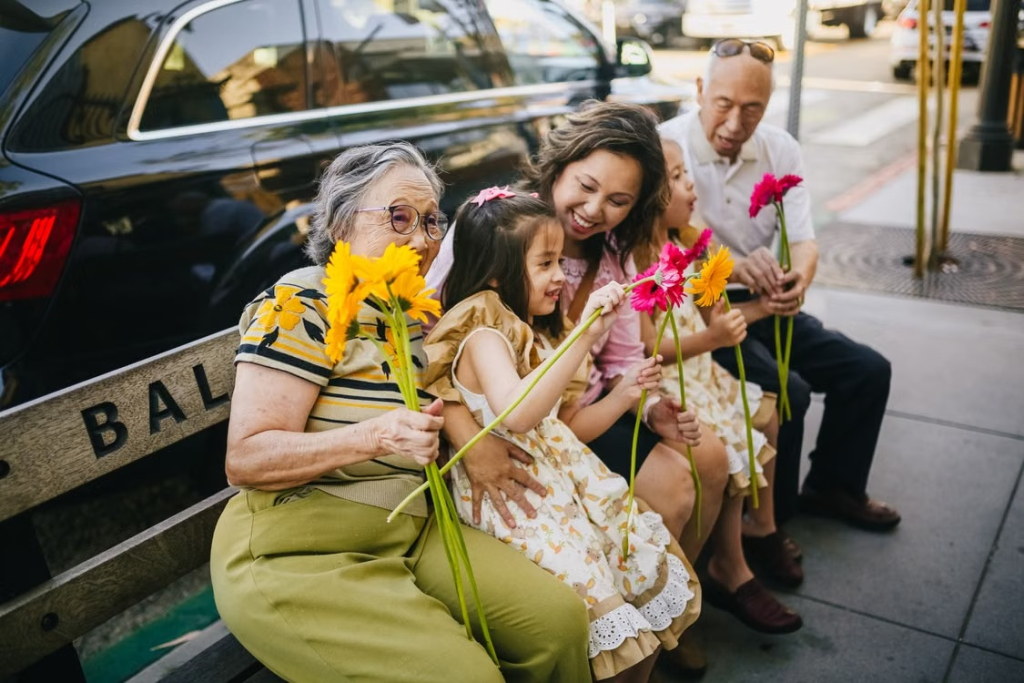
Some of the most meaningful moments happen between scheduled activities. Set aside time for family games, evening conversations, photographs, or stories about childhood and family heritage. Children can interview grandparents about their younger years, while adults can help younger family members document the trip in a shared album. These small rituals can give a multigenerational holiday a stronger sense of connection. The goal is to create experiences the group will remember long after returning home, regardless of the cost or distance traveled.
Keeping Family Connections Strong Beyond Multigenerational Trips
The value of multigenerational travel can continue after everyone returns home. Organize photographs, save favorite recipes, or create a shared record of the places and experiences the family enjoyed. These keepsakes help grandchildren remember what they learned and give older generations a way to pass on stories, traditions, and family history. Families can also discuss which activities worked well and what they would change for their next trip. Over time, these shared experiences can become traditions that bring relatives together across different stages of life.
Conclusion: Making Every Family Vacation Count
A successful family holiday comes from thoughtful preparation, open communication, and enough flexibility to accommodate different needs. Choose a destination with varied experiences, agree on a realistic budget, and leave room for both group activities and individual interests. A successful multi-generational trip can take many forms, from a quiet seaside escape to a nature-filled holiday, depending on what the family enjoys most.
Whether the plan involves a nearby beach, a cultural escape, or a longer international journey, the best trips give every generation an opportunity to participate comfortably. What matters most is the time spent together and the memories the family carries home.