




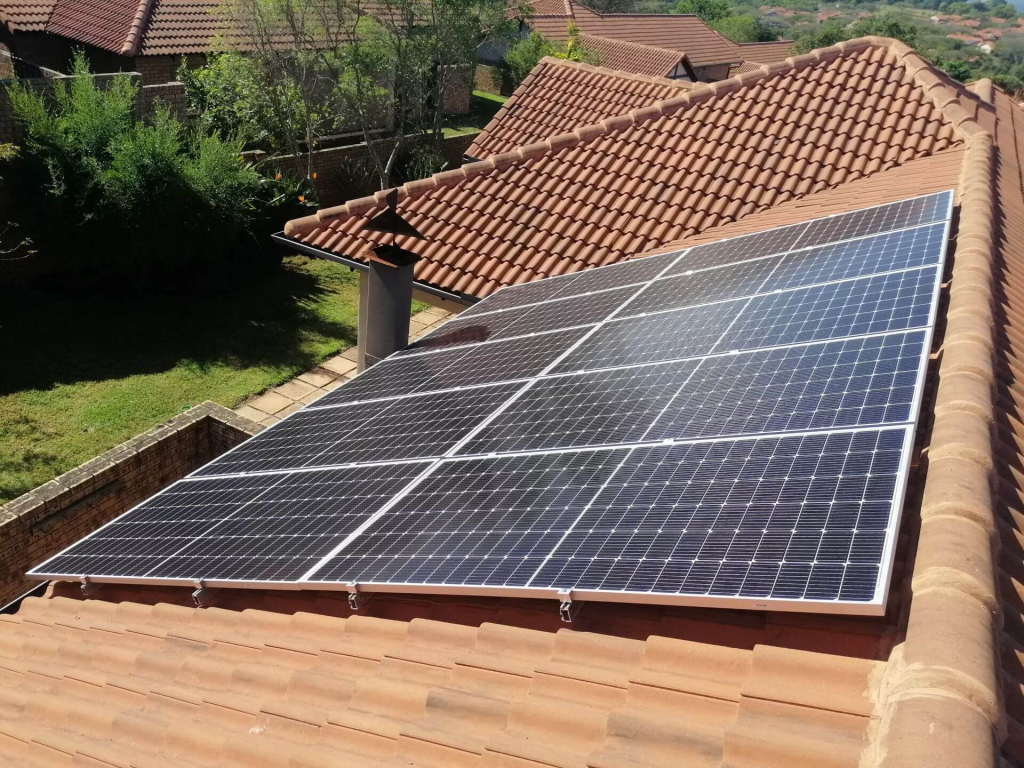
Portable solar generators matter more today than they did even five years ago, as more Filipino households look for reliable ways to keep essential devices running during power interruptions or, worse, power outage. Whether the goal is emergency backup during a brownout, a weekend of car camping when you need enough power for various electronic devices, or simply reducing reliance on the electrical grid, portable solar generators now offer a practical middle ground between a small battery pack and a full traditional generator.
Guide to portable solar generators
Solar generators consist of solar panels, solar batteries, and inverters working together as a single system. It is important to understand how solar generators work before even investing in one. Solar panels convert sunlight into electricity using photovoltaic cells, which capture sunlight and turn it into direct current, or DC electricity. That electrical energy does not go straight into your devices. It first passes through a charge controller, which regulates the flow of electricity to battery stores so they charge with enough safely without overloading.
Batteries in solar generators store energy for later use, like expansion batteries, holding onto stored energy until it’s needed, whether that’s during the day, at night, or several days after the sun has set. Because most household electronics and appliances run on alternating current, an inverter converts stored DC electricity into AC electricity before it reaches your devices. This is what allows a solar power generator to run laptops, small kitchen appliances, and lighting fixtures through standard AC power and AC outlets, much like a wall outlet at home.
How much power do you actually need for energy independence
Not all solar generators are built for the same job, and matching storage capacity to your actual energy usage is the most important step before you start looking and investing in the best solar generator. A smaller solar generator typically handles devices like phones, lights, and a few small devices such as fans or routers. These lighter units are ideal for keeping essential devices running during short outages or for basic power usage on a camping trip.
Larger solar generators can run refrigerators and medical devices, along with other electronic devices that draw a more constant power output. For sustained operation, avoid using a small unit for high-power devices such as air conditioners, since undersized systems will drain quickly and may not meet demand. Ensure the generator’s running wattage exceeds the total wattage of all devices you intend to power devices simultaneously, and account for the fact that motor-driven appliances require a temporary surge of extra power to start, even if their continuous draw is lower. Considering continuous power output and how much energy your household needs rather than just the advertised maximum, gives a more accurate picture of what a unit can actually handle day to day.
Battery capacity and storage life
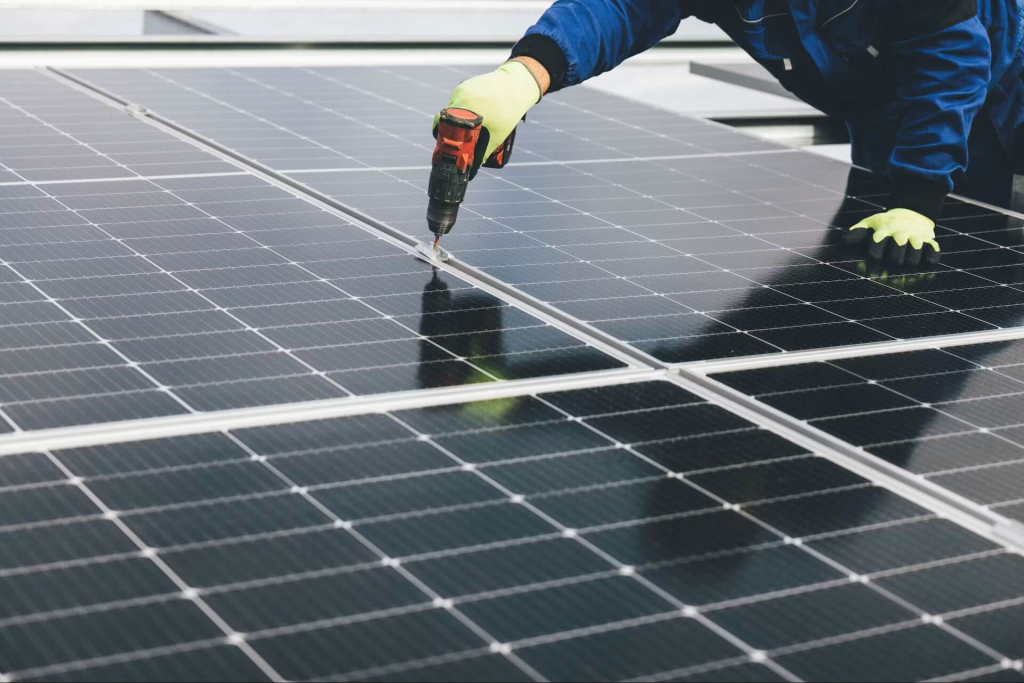
Battery capacity determines how long devices can run before the unit needs recharging, and it’s one of the clearest indicators of a solar generator’s real-world usefulness. Most modern generators now use LiFePO4 batteries, which offer significantly more charge cycles than older lithium-ion batteries, meaning less battery replacement over the life of the unit and better performance as the battery ages.
An optimal battery capacity should be higher than your actual usage needs to account for losses that naturally occur during charging, storage, and conversion. Some solar generators can be expanded with additional battery storage, allowing owners to scale up capacity later instead of purchasing a larger unit outright — a useful option for households anticipating growing power needs, such as a home office setup or additional appliances. It’s also worth noting that battery capacity drops off gradually over time and with repeated cycles, so units with excellent solar generators’ worth of headroom tend to hold their usefulness longer.
Charging speed and solar input
How quickly a solar generator recharges depends largely on its solar input capacity. The maximum solar input capacity affects how quickly a solar generator can recharge, so higher input ratings generally mean shorter downtime between uses. To get the fastest results, match your solar panel’s voltage and amperage to the power station’s built-in charge controller — pairing mismatched components can bottleneck charging speed regardless of how capable the panels themselves are.
It’s also worth remembering that solar panel output can be significantly affected by shading and angle of sunlight. Even brief afternoon shade from a nearby tree or building can noticeably slow down charging, so positioning matters as much as panel quality. Beyond solar charging, most solar generators can charge via solar panels, AC, or DC power, giving owners flexibility to top up from a wall outlet or a car’s DC outlet when sunlight isn’t available. Fast charging features, when present, can meaningfully cut down the time needed to reach full capacity, particularly useful before an approaching storm or scheduled brownout.
Comparing today’s portable solar generators and portable power stations
Solar generators vary in size from small portable units to large systems, and the differences in output power and capacity are significant enough to shape which model fits a given household.
EcoFlow DELTA Pro 3
The EcoFlow DELTA Pro 3 has a capacity of 4,096 Wh, placing it among the higher-capacity options suited for extended home backup power or running several devices simultaneously, including larger appliances.
Bluetti Elite 200 V2
The Bluetti Elite 200 V2 has a capacity of 2,073.6 Wh, offering a solid middle-tier option for households that want more than a basic backup unit without stepping up to the largest available systems.
EcoFlow DELTA 3 Plus
The EcoFlow DELTA 3 Plus can handle a maximum solar input of 1,000 W, making it a strong choice for households prioritizing fast charging over sheer battery size.
OUPES Mega 1
The OUPES Mega 1 has a maximum continuous output of 2,000 W, giving it enough headroom to support power-hungry devices without exceeding its rated capacity.
Anker SOLIX C300
The Anker SOLIX C300 has a maximum continuous output of 300 W, positioning it as a compact, lightweight option better suited to charging small devices and electronics rather than running appliances.
Why more households are choosing solar power
Solar generators provide emergency backup power during outages, which is especially relevant in areas prone to typhoons and scheduled power interruptions. They power remote locations without grid access, making them useful not just for backup power at home but also for provincial trips or properties still awaiting full electrical connections. Solar generators are popular for camping and outdoor activities as well, since they can charge mobile devices like smartphones and laptops, power lights, and run small devices through USB ports, USB-C ports, and AC outlets without the noise or fumes of a gas generator.
Beyond convenience, solar generators produce clean, renewable energy without emissions, drawing on solar cells rather than fossil fuels. They require very little maintenance compared to traditional generators, since there’s no engine, no fuel lines, and minimal moving parts to service. Traditional generators depend on a steady fuel supply, but solar generators offer energy independence from the electrical grid, which can save money over time on fuel costs while reducing exposure to fuel shortages during emergencies. This combination of clean energy, minimal maintenance, and off grid usability explains why solar generators have moved from a niche outdoor accessory to a practical household backup option.
Practical checklist before buying
A few final considerations help narrow down the right unit. Look for portable solar generators with pure sine-wave inverters for sensitive electronics, since these produce cleaner power output that won’t risk damaging devices like laptops or medical equipment. Check for multiple output ports for device compatibility, including AC outlets, DC outlets, USB ports, and USB-A ports, so several devices can draw power at once.
Evaluate charging speeds to minimize downtime, particularly if the unit will serve as a primary source of home backup power. Portability is crucial for outdoor and travel use, so weight and carrying design matter as much as capacity for anyone planning to use the unit for car camping or fieldwork. Finally, weigh the higher upfront cost of larger units against long-term savings, since a well-matched solar generator typically pays for itself through reduced fuel and electricity expenses over several years.
Preparing your home for power interruptions
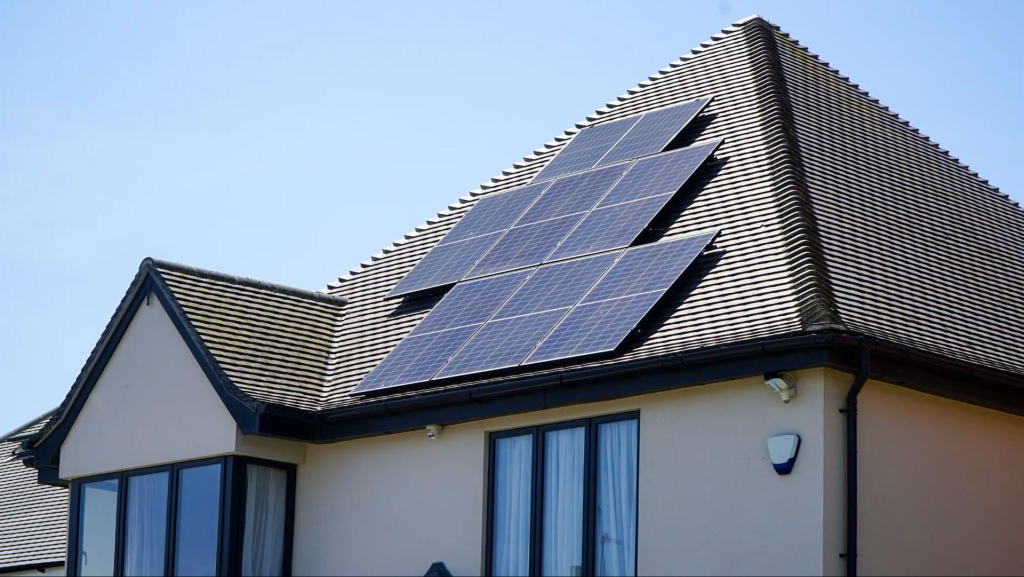
Choosing the right portable solar generator ultimately comes down to matching capacity, charging speed, and output to real household needs rather than buying the largest available unit. A well-chosen system offers dependable power lights, essential devices, and even larger appliances during outages, while requiring little upkeep and no fossil fuels to run. As more Filipino households prepare for both planned and unplanned interruptions, portable solar generators have become a sensible addition to any home’s backup plan.