




Safeguarding our homes against viral diseases remains a continuous priority for families across the Philippine archipelago. Among these environmental health threats, dengue fever stands out as a critical challenge that demands structured, proactive countermeasures. Preparing your household against this vector-borne disease requires an effective combination of medical awareness, strategic sanitation, and active community participation to maintain a truly healthy, risk-free living environment.
While mosquitoes are not considered endemic species, the viruses they carry, such as Dengue, Malaria, and Zika, are highly endemic to tropical countries like the Philippines.
Understanding the Medical Reality of the Dengue Virus
Understanding the specific mechanisms of dengue transmission is the first critical step toward securing a household. The virus cannot spread directly from person to person; it is not contagious like a standard respiratory flu or viral infection. Instead, the spread relies entirely on a biological vector. A person becomes infected only after being bitten by an infected mosquito that carries the disease. When a healthy insect draws blood from an infected individual, it absorbs the dengue virus, which multiplies inside the vector before being transmitted into the bloodstream of its next human target, initiating a cycle of dengue infection.
The Role of Vector Species in Transmission Cycles
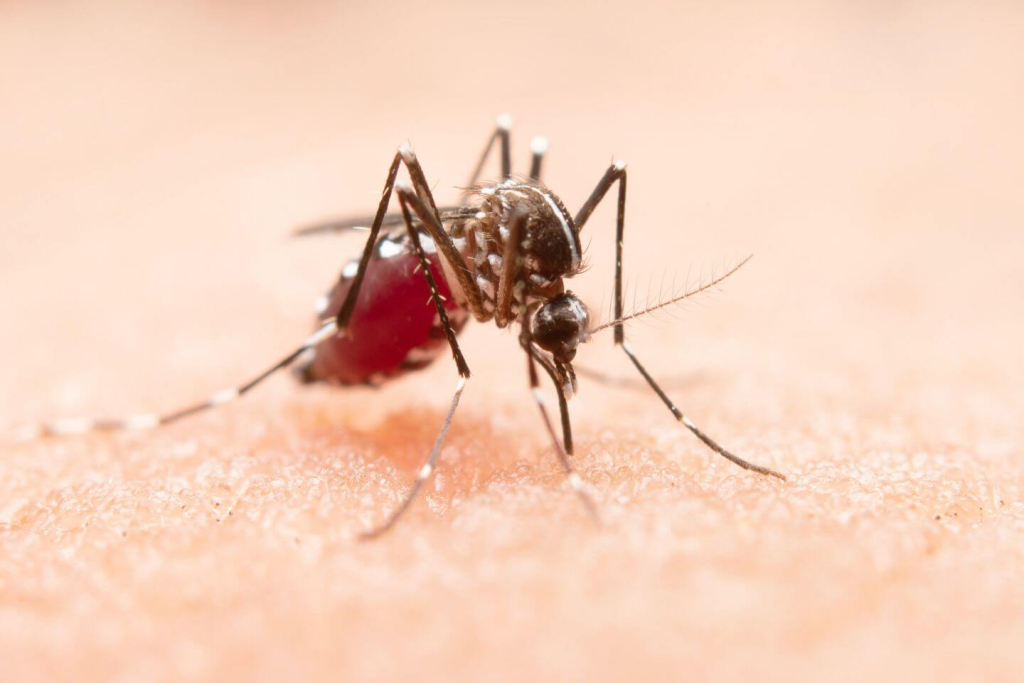
The primary driver of this cycle is the Aedes aegypti mosquito, alongside its close relative, the Aedes mosquito species. Recognizing the appearance and behavior of Aedes aegypti is essential for implementing practical mosquito control. Characterized by distinct white markings on its legs and thorax, this daytime feeder exhibits a unique biting schedule, peaking in activity during the early mornings and late afternoons. Because these mosquitoes thrive in proximity to human dwellings, families are at constant risk of dengue if these vectors are allowed to mature. A single female can deposit hundreds of eggs over her lifetime, leading to a rapid escalation in the local vector population if environmental controls are not enforced.
Recognizing Initial Symptoms and Warning Signs
When an individual contracts the virus, the initial symptoms frequently mimic an aggressive case of the standard flu, which can lead to dangerous delays in diagnosis. A sudden onset of high fever is the primary indicator, usually accompanied by intense joint and muscle pain, severe headaches, and deep pain behind the eyes.
These symptoms serve as the body’s warning signs that an infection is underway. Families must stay informed and track the timeline of these manifestations from day one. Because the early timeline of these clinical indicators can vary, keeping a detailed log of all changing dengue symptoms allows families to provide precise data to medical professionals upon arrival at a clinic.

Image source: https://www.magnific.com/free-photo/doctor-is-looking-thermometer-measuring-body-temperature-his-patient_3762443.htm
Addressing Severe Dengue and Professional Clinical Care
If left unchecked, mild cases can rapidly degenerate into severe dengue or dengue hemorrhagic fever, which represents a life-threatening medical emergency. This critical phase often manifests just as the high fever begins to subside, lulling patients into a false sense of recovery while internal complications develop. Warning indicators include persistent abdominal pain, continuous vomiting, mucosal bleeding, and a dangerous drop in blood platelets.
Furthermore, patients with underlying chronic conditions, such as high blood pressure or cardiovascular disease, face a significantly elevated risk of severe physiological strain and must be monitored with extreme vigilance.
Because there is currently no specific antiviral treatment or cure for the disease, relying on proper medical care from a certified healthcare provider is non-negotiable. Timely medical attention and professional clinical observation are the absolute most effective ways to manage the physiological strain, maintain hydration, and prevent the infection from escalating into fatal systemic failure.
Eliminating Mosquito Breeding Sites Around the Household
Developing a secure sanctuary requires a systematic approach to domestic sanitation and property management. Modern residential master-planned developments, such as Camella Trails Gensan, provide an excellent structural foundation for these preventive health measures by incorporating advanced drainage networks, professional estate maintenance, and naturally sunlit communal layouts that inherently discourage vector populations. However, individual homeowners must remain vigilant within their own properties to control mosquitoes effectively. Since mosquitoes prefer dark, humid areas to rest, keeping indoor spaces well-ventilated, clear of clutter, and brightly lit helps deter adult insects from establishing a permanent presence inside the home.
Depriving Vectors of Stagnant Water Ecosystems
The cornerstone of long-term dengue prevention involves a relentless effort to eliminate mosquito breeding sites by cutting off their reproductive cycle. Homeowners must understand that the target species do not lay their eggs in highly polluted rivers or swamps; instead, they seek out clean, stagnant water inside or immediately surrounding residential structures.

To prevent dengue, families must systematically inspect areas where standing water tends to pool unnoticed. Roof gutters must be cleaned regularly to prevent dead leaves from blocking water flow, as clogged channels create ideal, elevated breeding sites. By ensuring that rainwater drains completely away from the structure, residents deny vectors the calm environment necessary to deposit eggs.
Managing Domestic Water Storage and Common Household Objects
Furthermore, everyday utility items can inadvertently turn into dangerous breeding grounds if left unmanaged. Water storage containers, buckets, pet bowls, and even the collection trays beneath dish drainers must be scrubbed and emptied consistently at least once a week.
The resilience of the Aedes mosquito is remarkable; a female can successfully deposit eggs in as little as a teaspoon of clean water. Areas like old tires stored in backyards, discarded plastic bottles, and uncovered flower pots can collect water during a passing shower, creating an immediate hazard.
To prevent dengue fever, all functional water vessels must be tightly sealed with fitted covers after cleaning, while non-essential items capable of holding moisture must be discarded or stored face down. Applying eco-friendly larvicides to essential, unsealable water features can also disrupt the vector life cycle by safely destroying developing mosquito larvae before they can emerge as airborne threats.
Securing Daily Self-Protection Against Mosquito Bites
While eliminating environmental breeding sites reduces the overall vector population, implementing strict personal barriers remains vital to prevent mosquito bites during daily routines. Because the mosquitoes responsible for transmitting the dengue virus are active primarily during daylight hours, personal protection cannot be limited to nighttime interventions. Achieving reliable protection requires a dual approach that combines chemical repellents with physical safeguards to ensure that mosquitoes cannot reach exposed skin throughout the day.

Selecting and Applying Effective Insect Repellent
Applying a high-quality insect repellent is one of the most effective ways to shield the body from day-biting vectors. When selecting a mosquito repellent, consumers should verify the active ingredients to ensure lasting efficacy. Products containing EPA-registered compounds such as DEET, Picaridin, or IR3535 or ethyl butylacetylaminopropionate, as well as natural derivatives like oil of lemon eucalyptus or citronella, are highly recommended for application on exposed skin. These products come in diverse, accessible formats—including sprays, lotions, and wearable patches—making it simple to integrate protection into daily family life. For optimal defense, these formulas should be reapplied every few hours, particularly when spending time outdoors or during periods of increased physical exertion.
Utilizing Protective Clothing for Daily Routines
In addition to chemical repellents, wearing appropriate protective clothing serves as an invaluable physical defense to prevent mosquito bites. Households should encourage family members, especially young children, to wear long-sleeved shirts and long pants when spending time in shaded or outdoor areas. Because mosquitoes can easily bite through tight-fitting fabrics, choosing loose-fitting garments provides an extra layer of space that keeps the insect’s proboscis from reaching the skin. Complementing this wardrobe with socks adds comprehensive protection for the lower extremities, where these low-flying insects frequently strike.
Installing Structural Barriers and Indoor Defenses
Maximizing residential protection also requires fortifying the physical structure of the home to keep vectors out of indoor spaces. Installing fine-mesh screens on all windows and doors allows natural air to circulate through the home while creating an impenetrable barrier against flying pests. For added protection in bedrooms, particularly for infants who sleep during the day, utilizing a traditional mosquito net provides an undisturbed environment free from pests. While electronic zappers are generally ineffective against the Aedes species because these insects are not attracted to light, utilizing traditional mosquito coils or localized vector vaporizers in well-ventilated entryways can help repel pests from living zones.
Embracing Community Action and Public Health Initiatives
No household can completely isolate itself from environmental health factors, meaning that individual efforts must be integrated into broader community-wide strategies. Dengue prevention achieves maximum success when entire neighborhoods collaborate to maintain collective sanitation standards. Local programs, coordinated cleanup drives, and synchronized property inspections significantly reduce the overall vector population across an entire district, lowering the risk of dengue outbreaks for all residents. Engaging actively in these grassroots initiatives helps transform individual households into unified fronts against the spread of dengue infection.
Supporting the DOH 4S Campaign and Localized Fogging
A vital framework for this collective action is the Department of Health’s structured 4S Campaign, which serves as a national benchmark for disease control. This comprehensive program outlines four clear pillars:
- Search and destroy breeding sites
- Secure self-protection measures
- Seek early medical consultation at the first sign of high fever
- Support localized chemical fogging during confirmed outbreaks
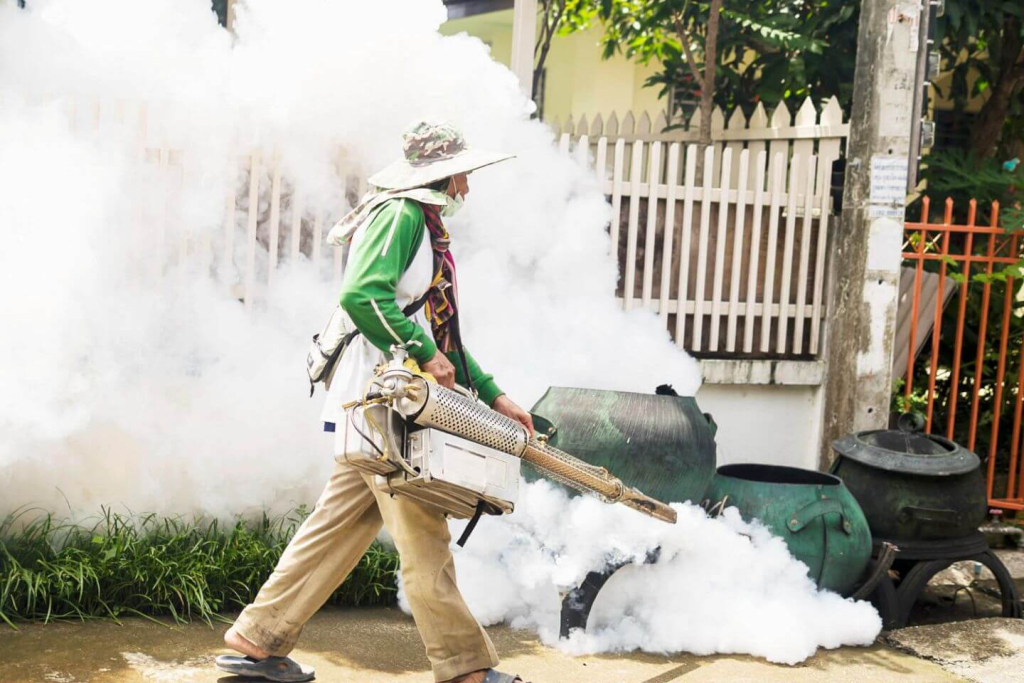
Image source: https://www.magnific.com/free-photo/man-is-using-thermal-fog-machine-protect-mosquito-spreading_3763229.htm
While spatial fogging does not eliminate hidden larvae, it remains a critical chemical vector control tool used by local governments to rapidly reduce adult mosquito populations during critical transmission windows, preventing localized cases from expanding into a severe epidemic.
Monitoring Health Warnings and Communicating with Healthcare Providers
Beyond community sanitation, staying informed about regional data and public health warnings allows families to gauge their local risk levels accurately. Government healthcare networks work continuously to track regional statistics, monitor active dengue cases, and issue public education updates to prepare neighborhoods before the peak of the rainy season. By maintaining open communication with local health centers and your primary healthcare provider, households can adapt their preventive strategies based on real-time vector activity reports in their specific municipality.
Evaluating Dengue Vaccines and Long-Term Immunological Protection
Finally, modern medical developments offer advanced layers of immunological defense that complement environmental and physical safety measures. The introduction of the dengue vaccine represents a major milestone in public health efforts to reduce severe clinical outcomes. For instance, the Qdenga vaccine is available for individuals within specific age brackets—typically from 6 to 45 years of age—and is administered in a two-dose schedule spaced three months apart to build robust immunity. Validated by global entities like the World Health Organization, vaccination plays a crucial role in preventing severe dengue and minimizing the risk of life-threatening complications, giving Filipino families peace of mind and an essential tool for long-term health management.
Conclusion: Creating a Resilient, Mosquito-Free Sanctuary
Overcoming the threat of dengue in the Philippines requires a proactive, multi-layered strategy that blends household diligence with community-wide synchronization. By understanding the timeline of viral symptoms, eliminating hidden standing water breeding grounds, and implementing physical and chemical barriers, families can successfully break the transmission cycle within their living spaces.
Ultimately, public health safety is a continuous investment. Through persistent alignment with modern health guidelines, proper clinical awareness, and neighborhood unity, every household can establish a long-term defense network that guarantees a safe, thriving, and resilient environment for generations to come.