



Image source: Freepik
Why Pools Don’t Work for Every Backyard
Before exploring creative options, it helps to understand why a traditional setup may not suit every Filipino household. A swimming pool has long been seen as a symbol of comfort, especially during hot Philippine summers, but it is no longer the only option for creating a refreshing outdoor space.
The Real Cost and Maintenance of a Traditional Swimming Pool
A traditional swimming pool demands a serious financial and time commitment. The initial installation alone can stretch a homeowner’s budget, especially for an in-ground pool that requires excavation, structural work, and waterproofing. Beyond that, costs continue in the long run due to regular maintenance, electricity, and chemical treatments.
Keeping a pool clean requires ongoing management of chlorine and other chemicals, which can affect both the environment and daily use. Homeowners must also maintain a pumping and filtration system and occasionally cover the pool to prevent debris buildup. Over time, this level of upkeep becomes a recurring responsibility that not every household wants to take on.
Space and Safety Considerations
Not every backyard has enough space for a full backyard pool, especially in urban areas where lot sizes are limited. A ground pool or in-ground design can dominate the yard, leaving little room for other uses, such as a garden or patio.
Safety is another concern, especially for households with kids. Deep water introduces risks, and not every family member may know how to swim. During the rainy season, a pool can be more difficult to manage, with overflow and debris affecting water quality.
Above-Ground Pool and In-Ground Pool: Are They Still Worth It?
Some homeowners still consider scaled-down swimming pools, but these come with trade-offs. Understanding their differences helps determine if they remain a viable alternative.
Above-Ground Pool Options for Smaller Outdoor Space
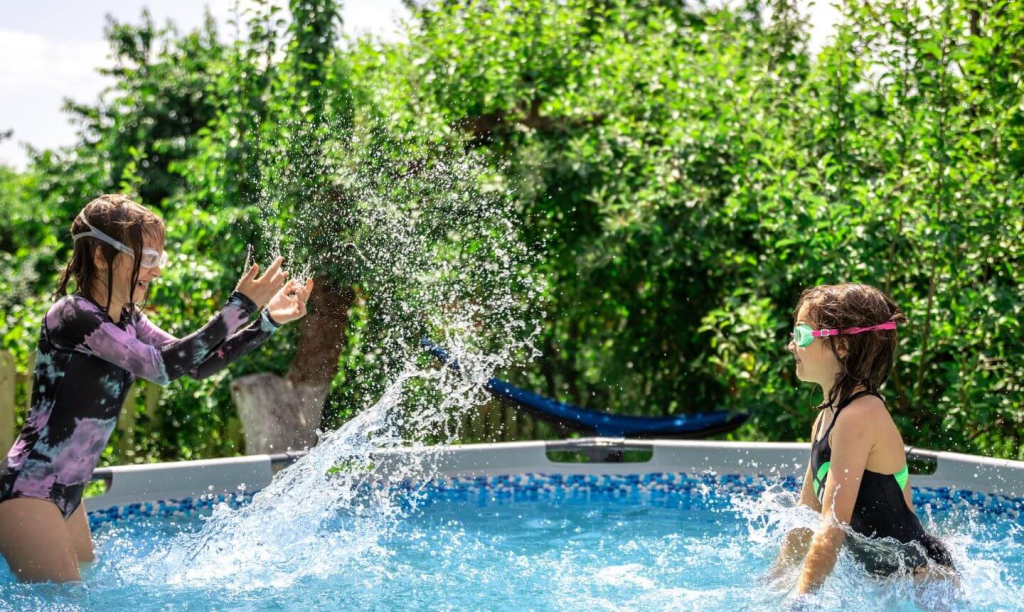
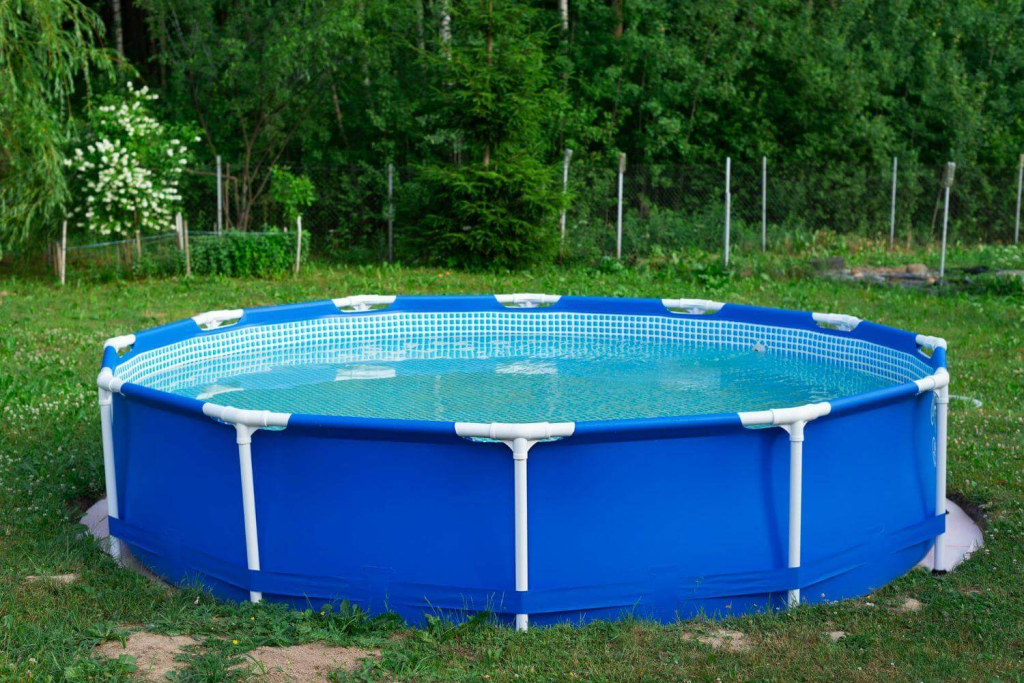
An above-ground pool is often marketed as a more affordable way to enjoy water at home. It requires less excavation and faster installation, making it appealing for those working within a limited budget.
However, it still requires regular maintenance, including cleaning, water treatment, and structural checks. While it may take up less ground space than an in-ground pool, it can still dominate the layout of a compact backyard. Over time, exposure to heat and rain may affect its durability, especially when built with lighter materials.
In-Ground Pool Designs and Their Long-Term Investment Value
An in-ground pool offers a more seamless, polished look and is often integrated with a deck or landscaped garden. It can enhance a house’s visual appeal and home value, especially when modern features are incorporated.
Still, the higher cost, longer construction timeline, and ongoing upkeep make it a long-term commitment. In some cases, homeowners realize that a full swimming pool is not the only way to achieve comfort and leisure.
A Nature-Inspired Alternative
For many Filipino families, the goal is not just to dive into water, but to create a space that supports gatherings, relaxation, and everyday living. This is where swimming pool alternatives begin to stand out. For those drawn to greenery and sustainability, a natural approach offers a distinct backyard experience. A natural swimming pond integrates water and nature, creating a calming, eco-friendly setting and a low-maintenance option
Unlike a typical swimming pool, a natural swimming pond relies on biological filtration instead of chlorine. Carefully selected plants help filter the water, while beneficial bacteria break down impurities. This system reduces reliance on chemicals and minimizes environmental impact. It also creates a more natural environment, where water feels softer and more refreshing during the summer.
Compact Pool Alternatives for Modern Homes
If you still want water features without the scale of a full pool, these options strike a balance between function and space. They offer a middle ground between a traditional swimming pool and more flexible pool alternatives.
Plunge Pool Benefits for Relaxation and Cooling Off
A plunge pool is designed for cooling off rather than active swimming. With its smaller footprint, it fits into tight spaces while still providing a refreshing escape from the heat. It is ideal for quick dips, relaxation, and even light exercise such as water stretching or standing movements. For many homeowners, this option delivers comfort without overwhelming the backyard.
Modular Pool Installation and Flexibility for Growing Families
A modular pool offers flexibility in both design and installation. Prefabricated components enable faster setup and easier customization, using durable materials. This type of pool can adapt as a family grows, making it a practical investment. It also allows homeowners to experiment with different layouts without committing to a permanent in-ground structure.
Transforming Your Backyard Without a Pool
Water isn’t the only way to create a refreshing outdoor space. Thoughtful design can redefine how your backyard feels and functions.
Designing a Sunken Patio for Social Gatherings
A sunken patio creates depth and visual interest within a flat yard. By lowering a section of the lawn, homeowners can create a cozy area for gatherings, meals, and conversations. Homeowners are also exploring other materials such as natural stone, wood composites, and textured concrete to enhance durability and visual appeal. These choices not only define the patio’s character but also help the space blend seamlessly with the surrounding garden and the house’s architectural style.
Creating a Lounge Area with a Fire Pit and Water Features
A well-planned lounge area can include a fire pit, small water features, or decorative fountains. These elements provide comfort and visual appeal without the complexity of a full pool. The combination of fire and water creates a balanced environment, making the space usable even during cooler evenings or rainy days. It supports both quiet nights and lively gatherings with friends.
Maximizing Space for Family, Friends, and Everyday Relaxation
In communities like Camella Provence, where open spaces are designed for everyday living, homeowners often choose these layouts to make their outdoor spaces more versatile without relying on a traditional swimming pool.
Without a large backyard pool, more space becomes available for multiple uses. A flexible patio can accommodate dining, play areas for kids, and even small garden corners. This approach allows the backyard to evolve with changing needs, supporting both daily routines and special occasions.
Pool Alternatives That Suit Filipino Living
Beyond common options, other ideas align with local climate, culture, and daily routines.
Blending Plants, Fish, and Water Features in a Koi Pond
A well-designed pond can include ornamental fish, aquatic plants, and even small fountains. These elements turn a simple water feature into a living ecosystem that enhances the entire garden. The presence of nature adds depth to the surroundings, making the yard feel more connected to the natural world. Instead of a sterile pool, homeowners gain a dynamic and evolving landscape.
Greenhouse and Multi-Use Outdoor Spaces
A small greenhouse can transform part of the garden into a productive area for growing herbs, vegetables, or ornamental plants. It adds both function and beauty to the outdoor space. This type of alternative supports sustainability while encouraging hands-on activities for the whole family.
Choosing the Right Alternative for Your Backyard and Future Plans
Each option offers distinct advantages, so your decision should align with both current needs and long-term goals.
Matching Your Budget, Space, and Lifestyle
The right alternative depends on your available space, financial capacity, and daily routine. Some homeowners prioritize relaxation, while others focus on functionality or aesthetics. Balancing these factors ensures that your chosen design remains practical and enjoyable.
It is also worth thinking about how you might fill the space over time. Some homeowners start with a simple layout and gradually add features such as seating, plants, or water elements as their needs evolve.
Considering Property Value and Appeal to Potential Buyers
Not all features increase property value equally. Flexible spaces often appeal more to potential buyers than highly specialized installations. A well-designed outdoor space can enhance a house’s overall appeal, making it more attractive in the real estate market.
Planning for Maintenance, Safety, and Year-Round Use
It is important to consider how each option performs year-round, especially in the Philippine climate. Designs that require minimal maintenance and offer built-in safety features tend to be more sustainable. Planning ensures that your investment continues to deliver value over time.
Conclusion
Choosing between a traditional pool and more flexible alternatives ultimately comes down to how you want to live in and enjoy your outdoor space. Many homeowners are now leaning toward designs that allow them to move freely, feel the ground beneath their feet, and use the area for more than just swimming. Spaces that accommodate shared meals, casual gatherings, and even outdoor food preparation often bring more daily value to a home.
These setups encourage a kind of fun that goes beyond occasional dips, making the backyard usable throughout the year. They also offer more freedom to adapt the space as needs change, whether for growing families or evolving lifestyles. In the end, the best choice is one that balances enjoyment, ease of maintenance, and how you envision your life at home.