





Image source: Freepik
Knowing Your Purpose Before Owning a Second Home
Owning a second home in the Philippines is no longer a niche decision. More Filipino households are moving beyond a single primary residence, driven by rising incomes, remote work flexibility, and the desire to build assets that hold value over time. Still, the biggest mistake happens early. People start searching before they define why they are buying.
From Primary Residence to Second Property
A primary home supports daily living. A second property does not. It must justify its existence.
For some, the goal is personal use. A second house becomes a weekend space where family members can gather, especially if the primary residence is in a dense urban area. For others, the goal is income. They want a property that can be rented out consistently.
The difference sounds simple, but it affects everything. A home meant for personal use can tolerate idle periods. A holiday rental property cannot. One drains money quietly. The other is expected to produce.
This is where many second homeowners get stuck. They buy based on emotion, then try to force the property to behave like an investment property later.
Long-Term Investment Property or Holiday Home
Real estate in the Philippines still holds its ground as a long-term investment. Unlike volatile investment products, property tends to move more slowly but more predictably, especially in growth areas outside Metro Manila. But calling something an investment does not make it one. A good investment requires demand in the area, realistic pricing and manageable costs for it to generate extra income.
If the numbers do not work, it becomes a holiday home or a lifestyle expense disguised as an investment. Owning a second is less about opportunity and more about discipline. Without that, even a well-located property can underperform.

Financial Readiness and True Cost Breakdown of a Second Home
Buying a second home follows the same steps as your first purchase, but the tolerance for mistakes is lower. Before committing to an additional property, buyers need to weigh several key factors that go beyond affordability. These include long-term cash flow, location demand, and how the purchase fits into existing financial obligations. Treating the decision as a structured evaluation rather than an emotional purchase leads to more sustainable outcomes.
Purchase Price, Down Payment, and Mortgage Structure
- Purchase Price: The purchase price is the most visible number, but it is rarely the most important one. What matters more is how that price translates into long-term obligations.
- Down Payment: In the Philippines, the down payment for a second home can reach 20%, especially if the buyer is seen as a higher risk. Banks and developers both act as mortgage lender options, each with different mortgage options and approval standards.
- Mortgage Structure: Interest rates fluctuate depending on economic conditions and borrower profile. A small difference in rates can significantly change total mortgage payments over time. Mortgage interest accumulates quietly. Many buyers focus on the monthly figure without realizing how much they will pay over the full term. It is also important to understand how a second home mortgage differs from the first, as lenders often apply stricter approval criteria and may require higher equity or stronger income documentation.
Income, Credit, and Financial Stress Limits
Banks will look at your monthly income and existing obligations before approving a home loan. Having a good credit score helps, but it is not the only factor. The real question is not whether you can get approved. It is whether you can sustain the payments without financial stress.
This is where discipline matters. A second home adds pressure:
- two sets of mortgage payments
- two sets of home expenses
- unexpected repairs
If your income drops or expenses increase, the second property becomes the first thing that strains your finances. This is why financial goals must guide the decision. Not the other way around.

Financial Benefits and Investment Risks
The appeal of owning a second home comes from two sources: Income and appreciation. Rental income can supplement your income and, in some cases, fully cover mortgage payments. Over time, property value can increase, especially in areas with infrastructure growth. Compared to other investment products, real estate offers something tangible. You can use it, rent it, or sell it. These financial benefits are real. But they are not automatic.
The risks are where most buyers fail. Maintenance costs increase as the property ages. Operating expenses, including cleaning, repairs, and management, reduce profit margins. Additional costs appear without warning, like appliance replacements, emergency repairs and vacancy periods.
Investment risks also include external factors. If demand in the area drops, rent decreases. If too many similar units enter the market, competition increases. A second home becomes a liability when income is overestimated, expenses are underestimated, and demand is assumed, not validated. The numbers must work on paper before they work in real life.
Income Tax, Capital Gains Tax, and Property Taxes
Taxes are often ignored until they become a problem. When dealing with a second property, the tax implications go beyond simple compliance. Each transaction, from earning rental income to selling the asset, carries specific obligations that can directly affect net returns. Understanding these tax implications early allows buyers to plan better and avoid costly surprises later on.
Income Tax and Taxable Income From Rentals
Rental income is subject to income tax. This means all earnings must be declared as taxable income. Failing to do so can lead to penalties. More importantly, it prevents proper financial tracking. A tax advisor or tax professional can help structure reporting and identify available tax benefits, especially when expenses can be deducted.
Capital Gains Tax and Selling a Second Property
When you sell a second property, capital gains tax applies. This is typically a fixed percentage based on the selling price or fair market value. Some transactions may also involve what sellers informally refer to as an offer tax, particularly when negotiating prices that differ from declared values.
While not an official category, this reflects how different rules can apply depending on how the transaction is structured and reported, reinforcing the need for proper documentation. Unlike a primary residence, a second home does not usually qualify for exemptions. This makes timing important. Selling too early or without planning can reduce actual returns.
Property Taxes, Stamp Duty, and Local Charges
Property taxes must be paid annually. These vary depending on location, but are unavoidable. During purchase, buyers also pay documentary stamp duty. This is often referred to as stamp duty in general terms. In other countries, they have what you call council tax, which applies in places like Northern Ireland. So if you’re planning to purchase properties abroad, make sure you also know the local laws that govern the real estate market. Understanding local taxes ensures you are not relying on incorrect assumptions.
Equity and Overall Home Management
Before committing to a second property, it’s essential to understand how your available equity and ongoing expenses will shape both your financing options and long-term sustainability.
How Much Equity Do You Need and Loan Viability?
Many buyers use equity from their primary home to fund a second purchase. The question is how much equity is safe to use. Having enough equity can unlock financing, but it also increases exposure. If property values shift or income drops due to the off-season, the risk compounds. Overleveraging is one of the fastest ways to turn a second home into a financial burden.
Home Insurance, Flood Insurance, and Risk Protection
Home insurance protects against structural damage and loss. In the Philippines, flood insurance is critical in certain areas, especially those prone to heavy rainfall and flooding. Skipping insurance may reduce short-term costs, but it increases long-term risk.
Managing the Property and Operating Expenses
Without professional guidance, mistakes become more expensive. A financial advisor can help align the purchase with financial goals. A tax advisor ensures compliance and helps manage taxes efficiently. A property manager can handle tenant concerns, maintenance, and bookings. This is especially useful for owners who do not live near the property. Operating expenses increase with professional management, but so does efficiency. For rental property owners, this trade-off often makes sense.
Choosing the Right Property in the Right Location
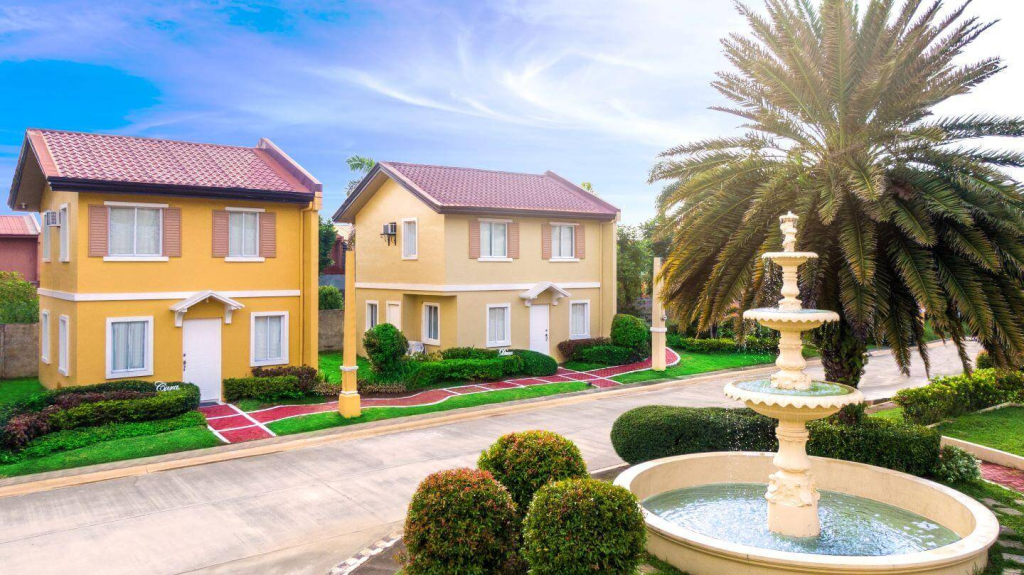
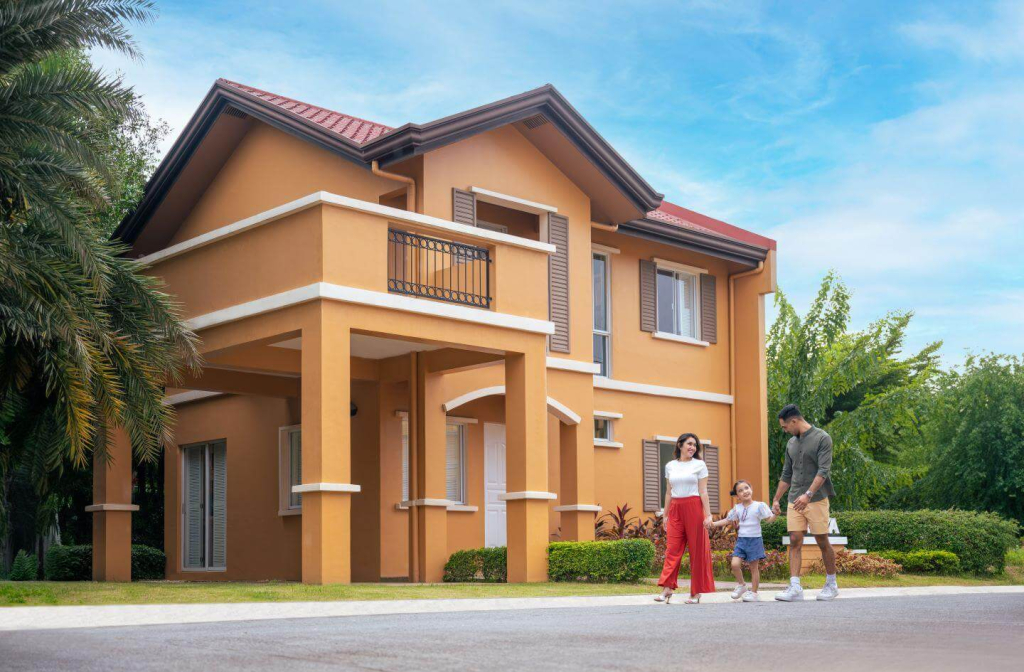
The right location determines whether the property performs. Areas with infrastructure, accessibility, and population growth tend to sustain demand. In Cavite, developments such as Camella General Trias reflect this trend. These communities attract both families and renters due to accessibility and planning.
Buyers must also decide between a fixer-upper and a new property. A fixer-upper may offer a lower purchase price but requires time and additional costs. A new property offers convenience but at a higher initial cost.
Final Thoughts
Owning a second home in the Philippines is not about following a trend. It is about making a calculated move. The process involves more than just purchasing a second home. A well-planned purchase starts with a defined purpose, whether for personal use, rental income, or long-term investment. It also demands a realistic assessment of your financial capacity beyond initial acquisition costs. Liquidity should never be sacrificed just to secure another property. Market conditions, location, and exit strategy must all be considered before making a commitment.
For those who approach it correctly, a second property can support both lifestyle and financial growth. For those who don’t, it becomes a long-term obligation that is hard to unwind. The difference comes down to one thing. Whether the decision was made with clarity or assumption.