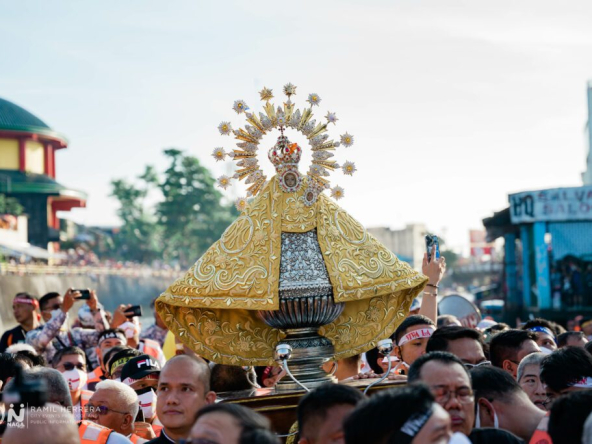





Every March, the Philippines joins the global observance of Women’s Month, anchored on International Women’s Day. For 2026, the conversation goes beyond celebration. It centers on accountability: how families, schools, communities, and institutions contribute to raising Filipino women leaders who will shape and inspire the next generation. In a country where women have reached the highest offices in government and led major industries, the challenge now is sustaining momentum and expanding opportunities for more women across sectors.
International Women’s Day and the Continuing Fight for Gender Equality
Women’s Month in the Philippines aligns with the global observance of International Women’s Day every March 8. The annual theme, guided by the United Nations, emphasizes accountability, inclusion, and measurable progress.
The Importance of International Women’s Day in the Philippines
International Women’s Day is recognized by the United Nations as a global call to action for gender equality. In the Philippines, government agencies and private organizations hold forums, policy discussions, and awareness campaigns throughout March. Activities focus on women empowerment, labor rights, political participation, and economic inclusion.
For Filipino people, the international day is not limited to symbolic gestures. It is an opportunity to evaluate gaps in representation and to assess whether laws translate into real opportunities for women across the country.
Gender Equality, Violence, and the Challenges Women Still Face
Despite legal protections, challenges persist. The Philippines ranks relatively high in the World Economic Forum’s Global Gender Gap Index compared to other Asian countries. Still, economic participation and political empowerment indicators fluctuate year to year.
Violence against women remains a pressing issue. Data from the Philippine National Police consistently report thousands of cases annually under the Anti-Violence Against Women and Their Children Act. Underreporting remains a concern.
Health access is another area requiring sustained focus. Maternal health services have improved over the decades, yet disparities remain in remote areas. Economic inequality also affects career advancement, particularly for women in informal sectors.
True gender equality requires systemic understanding. It calls for policies that protect women from violence, expand access to education, and ensure fair pay. Without addressing these structural barriers, leadership pipelines will remain limited.
Raising Filipino Women Leaders Begins at Home
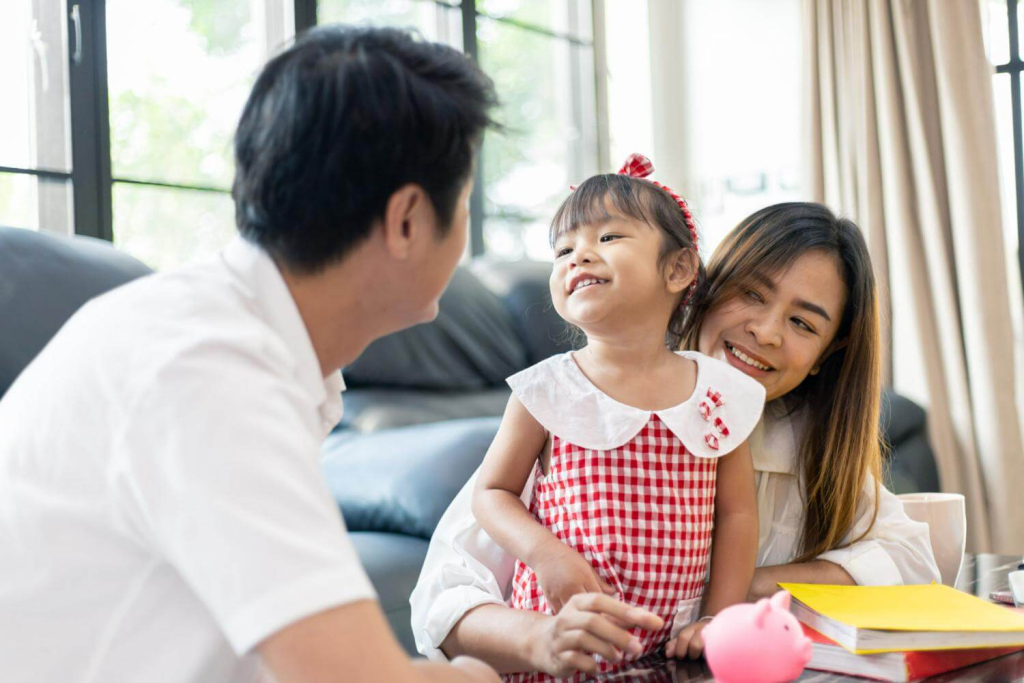
Leadership does not begin in Congress or corporate boardrooms. It begins at home. Raising Filipino women leaders starts with how girls are treated within their own families and how early they are encouraged to speak, decide, and take responsibility.
Why Raising Filipino Women Leaders Is a Shared Responsibility in Philippine Society
In the Philippines, girls often grow up in close-knit family structures. According to the Philippine Statistics Authority, women slightly outnumber males in the national population as of the 2020 Census, and they represent a majority in higher education enrollment. Yet representation in leadership still lags behind their demographic presence.
Gender equality within the household directly affects confidence and ambition. When chores, financial discussions, and decision-making are shared across sexes, children observe that leadership is not reserved for their male counterparts. Research from the Philippine Commission on Women shows that girls who are encouraged to participate in school leadership roles are more likely to pursue careers in public service and business later in life.
This makes the importance of parental support clear. A mom who models hard work and a father who treats daughters and sons equally send a strong signal about gender roles. Raising girls with courage requires consistency in daily practice, not just slogans about women empowerment during Women’s Month.
How Education and Community Shape Confident Filipino Women
Education remains one of the strongest equalizers in Philippine society. Data from the Commission on Higher Education indicates that female students continue to comprise the majority of college enrollees nationwide. In many professional courses, including health and education, women dominate.
Beyond classrooms, community environments also matter. Safe neighborhoods, youth organizations, and civic programs allow girls to lead projects, organize events, and build public speaking skills. In heritage cities like Vigan, future residential developments such as Camella Belfelice can provide secure community spaces where children can grow up with access to schools, parks, and social networks that support both academic and personal development. A stable family environment contributes to the confidence needed to pursue leadership roles later in life.
When families, schools, and community members intentionally support girls, they help create conditions where future generations of women leaders can thrive.
Filipino Women in History and the Rise of Women Leaders
Understanding the trajectory of Filipino women in public life provides context for where the country stands in 2026. Historical milestones prove that political leadership is not beyond reach.
From Two Female Presidents to Today’s Women Leaders
The Philippines remains one of the few countries in Asia to have had two female presidents: Corazon Aquino and Gloria Macapagal Arroyo. The country has also had female vice presidents, including Leni Robredo and Sara Duterte. These milestones are globally recognized, demonstrating that Filipina women can win national mandates.
Despite these achievements, women’s representation in Philippine politics remains uneven. Based on the Philippine Institute for Development Studies, women comprised roughly 24% of elected officials in the Philippines as of 2022. The percentage is higher in some local government units, but national-level representation still reflects a gap.
Female politicians continue to navigate structural challenges in politics, including funding disparities and entrenched networks dominated by males. Even so, the presence of women leaders in cabinet positions, the judiciary, and local government shows steady progress.
Breaking Barriers in Philippine Politics and Political Leadership
Political leadership in the Philippines is shaped by party structures, name recall, and campaign resources. Women often face additional scrutiny and gender-based criticism that their male counterparts do not encounter.
Participation at the grassroots level remains crucial. Barangay councils, youth councils, and civic organizations serve as training grounds for aspiring female leaders. Encouraging more women to run for office builds long-term political resilience.
Women Leaders in Business, Health, and Community Development
Outside government, women leaders play major roles in business, health, and education. According to the Philippine Statistics Authority, women account for a significant share of micro, small, and medium enterprise owners. Their business acumen is evident in sectors such as retail, food services, and professional services. In corporate settings, more companies are appointing female executives and board members. Women in health professions continue to form the majority of nurses and a growing share of physicians.
Community leadership is equally important. From nonprofit organizations to local cooperatives, women create programs that address food security, livelihood training, and public health. These leaders often balance professional careers with responsibilities to their own families, demonstrating that leadership and family life are not mutually exclusive.
Preparing Future Generations for a Better Future in a Changing World
Global mobility is now part of Filipino life. Millions of Filipinos work overseas, including large communities in Abu Dhabi and other parts of the Middle East. Exposure to international workplaces shapes aspirations for both boys and girls.
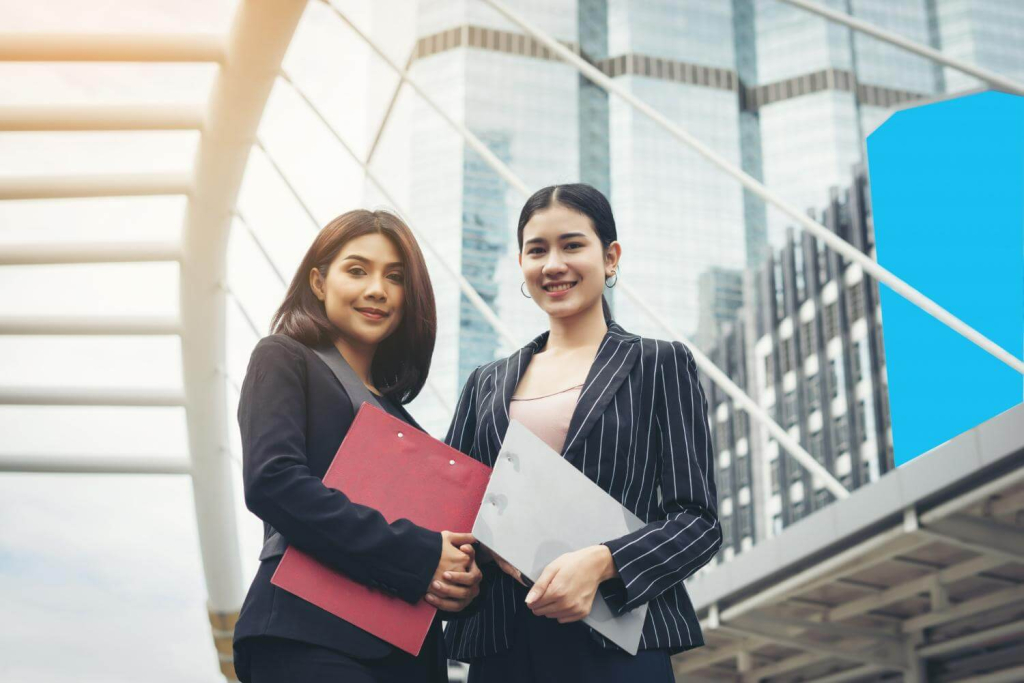
Preparing daughters for careers in science, technology, business, and public service expands the leadership pipeline. Education systems must equip students with digital skills and critical thinking to compete globally.
Families that emphasize hard work, integrity, and courage lay the groundwork for long-term success. Raising Filipino women leaders requires sustained support from childhood through early careers. When girls are taught to dream, stand firm in their goals and be proud of their achievements, they are better positioned to rise in competitive environments.
Why the Future of the Philippines Depends on More Women Leaders
Women’s Month 2026 is not merely about recognition. It is about commitment. Raising Filipino women leaders demands effort from families, schools, private companies, and the government alike. When girls grow up in environments that value their voices, when policies remove barriers, and when society treats leadership as gender-neutral, the country moves closer to genuine equality.
For the Philippines to achieve a better future, leadership pipelines must expand. That means continued investment in education, protection against violence, and deliberate efforts to increase female participation in politics and business. The next generation of women leaders is already in classrooms, communities, and homes across the nation. The responsibility now is to ensure they are prepared to lead.