





Image source: Freepik
Introduction
Parents often focus on nutrition, education, and physical activity when raising children, yet oral health plays an equally important role in a child’s overall health and well-being. Teaching kids good oral hygiene and developing strong dental routines early helps prevent tooth decay, painful cavities, and long-term dental problems. More importantly, teaching kids good oral hygiene encourages responsibility for their own health as they grow.
Dentists widely agree that teaching kids how to care for their teeth and gums at a young age can influence habits that last a lifetime. From the moment a first tooth appears to regular dental visits, every step contributes to maintaining good oral health. Parents who consistently guide their children through daily routines help build the foundation for good oral hygiene habits that protect their smile well into adulthood.
The following steps offer practical ways Filipino families can guide their kids toward good oral hygiene while making dental care a natural and positive part of everyday life.
Start Early When Your Child’s Teeth Begin to Appear
Building strong routines begins earlier than many parents expect. Even before a full set of a child’s teeth develops, early care protects the delicate structures forming inside a child’s mouth.
Caring for Your Child’s Teeth From the First Tooth
Dental experts recommend beginning oral care once the first tooth appears. A clean and gentle routine helps prevent early tooth decay and protects developing tooth enamel. Parents can use a small, soft-bristle toothbrush with soft bristles to clean the surface of the tooth and along the gum line.
At this stage, children are learning through observation. While parents handle the cleaning, they are already teaching their children that daily brushing is part of basic hygiene. Keeping the mouth clean during infancy also helps prevent early dental problems.
Scheduling the First Dental Visit by the First Birthday
Dental professionals and experts associated with the Philippine Dental Association (PDA), the country’s primary dental organization which holds deep and historical relationship with international bodies like the American Dental Association (ADA), recommend scheduling a first appointment with a dentist by a child’s first birthday. Early dental visits allow a pediatric dentist to examine the child’s mouth, monitor growth, and guide parents in taking good care of their child’s teeth and gums. These early consultations help parents understand proper dental care techniques and identify potential risks before they turn into serious cavities.
Lead by Example to Build Good Oral Hygiene Habits
Children learn behaviors by watching the adults around them. Parents who model good oral hygiene habits naturally influence
their children’s routines.
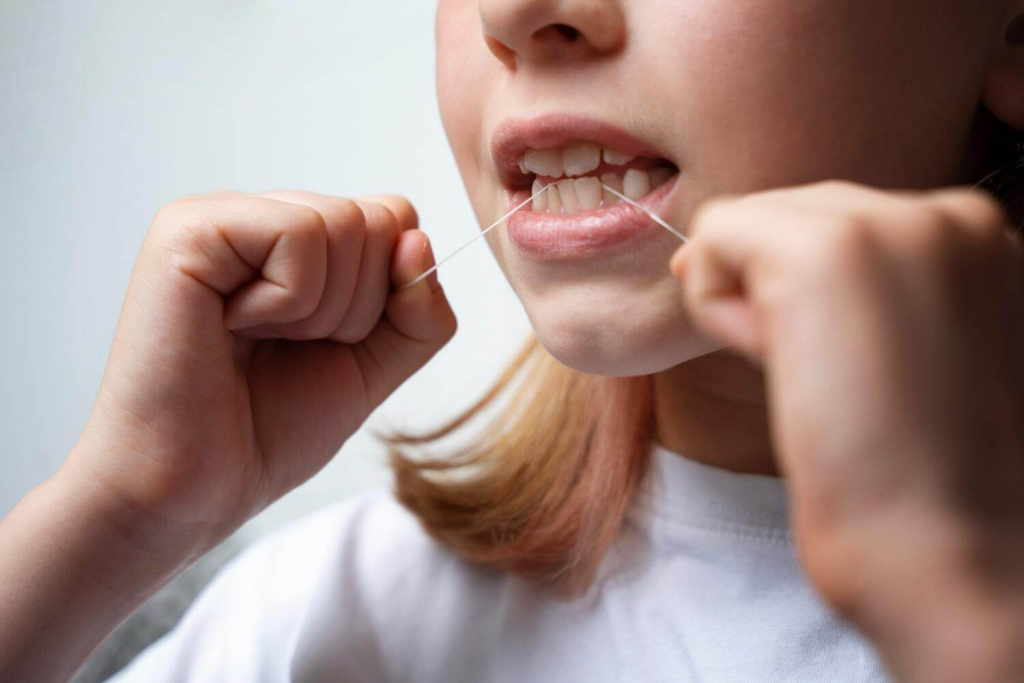
Show Proper Brushing and Flossing Every Day
One of the simplest ways to guide children is by demonstrating proper brushing and flossing techniques. When parents brush their teeth in front of their children twice a day, they show that dental care is a normal part of daily life.
Using a toothbrush and toothpaste together while explaining basic techniques helps kids understand why brushing and flossing matter for protecting their teeth and gums.
Turn Oral Care Into a Bonding Experience
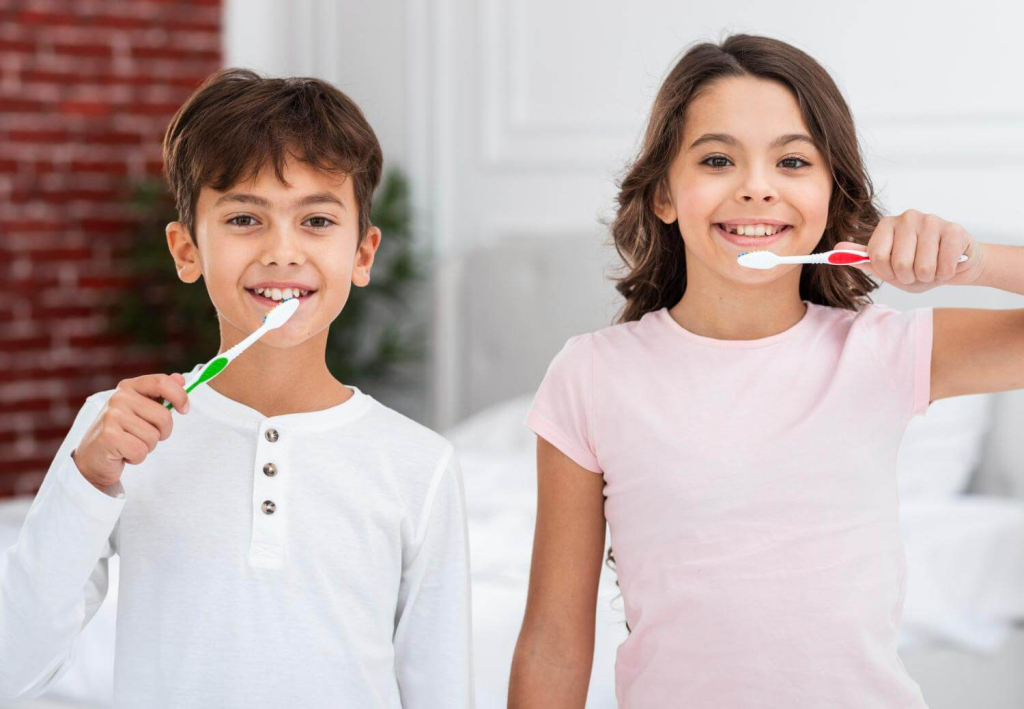
Daily routines also create opportunities for connection. Brushing together can become a meaningful bonding experience that encourages children to develop responsibility for the care of their teeth.
In family-oriented communities such as Camella Provence in Malolos, Bulacan, parents often highlight how quiet neighborhoods and safe surroundings make it easier to establish calm evening routines. Moments like brushing before bedtime become part of family life that strengthens both healthy habits and relationships.
Teach Proper Brushing and Flossing Techniques
Once children become more independent, parents can focus on teaching the proper techniques that help maintain good oral health.
Proper Brushing for a Child’s Mouth
Dentists recommend using a soft-bristled toothbrush and applying a pea-sized amount of fluoride toothpaste. The brush should gently move along the gum line, the back teeth, and the chewing surfaces where food particles often remain.
Parents should guide their children in proper brushing so that plaque does not build up around the gums or weaken the tooth enamel.
Introducing Simple Flossing Techniques
As children grow, flossing becomes equally important. Many dentists recommend introducing flossing techniques once neighboring teeth begin touching.
While most kids initially find flossing difficult, regular practice helps remove plaque between teeth and reduces the risk of gum disease.

Create a Fun Routine Kids Look Forward To
Dental routines work best when children feel excited rather than pressured. Turning daily habits into a fun routine encourages participation. A simple trick parents often use is playing a favorite song during brushing time. Since dentists recommend brushing for about two minutes, the length of a typical song provides a natural timer.
When brushing becomes associated with music and laughter, children begin to see dental care as something enjoyable rather than a chore.
Use Rewards and Encouragement
Encouragement also helps reinforce healthy dental practices. Praise and positive feedback can motivate children to keep up their daily oral care routine.
Parents who keep the atmosphere light and supportive make brushing feel fun, which helps children stay engaged in the process.
Schedule Regular Dental Visits
Daily routines at home are important, yet professional care remains essential for maintaining good oral health.
Visiting the Pediatric Dentist Every Six Months
Dental experts often recommend routine checkups every six months. These dental visits allow a pediatric dentist to examine developing teeth, check for cavities, and offer advice on improving oral hygiene routines.
Regular visits also help children feel comfortable in a dental setting.
Building Trust With Your Child’s Dental Team
During checkups, children interact with a dental team that monitors their child’s oral health. Dentists look for early signs of dental problems, offer preventive advice, and guide parents on maintaining strong dental routines at home.
Protect Your Child’s Oral Health With Preventive Care
Preventive dentistry plays a key role in protecting developing permanent teeth.
How Dental Sealants Protect Back Teeth
One preventive treatment dentists recommend is dental sealants. These thin protective coatings are applied to the chewing surfaces of back teeth, which are particularly vulnerable to food buildup.
Sealants create a barrier that helps prevent cavities, especially during the years when children are still mastering proper cleaning habits.
Prevent Cavities Before They Start
Preventive dental care helps children maintain strong good oral health. Combined with proper routines at home, these treatments reduce the risk of tooth decay and support long-term dental stability.
Help Kids Understand the Risks of Gum Disease and Cavities
Education plays an important role in building responsibility for oral health.
What Happens When Plaque Builds Up
Children should learn that plaque forms naturally in the mouth and must be removed through brushing and flossing. Without proper cleaning, plaque can irritate the gums and eventually lead to gum disease.
Explaining these risks helps children understand the importance of daily dental routines.
Preventing Cavities With Healthy Food and Habits
Food choices also influence dental health. Sugary snacks and drinks increase the risk of cavities, while balanced, healthy food supports strong teeth and gums.
Parents who encourage healthy eating patterns help reinforce healthy habits that support both oral and overall health.
Conclusion
Parents play the most important role in shaping a child’s approach to oral hygiene. By starting early, modeling strong habits, and maintaining regular dental visits, families can protect their children from common dental problems such as cavities, gum disease, and tooth decay.
Simple daily actions such as brushing, flossing, and eating balanced meals strengthen oral health and contribute to overall well-being. Over time, these routines become part of a child’s identity, helping them carry good oral hygiene habits into adulthood.
When children grow up understanding the value of taking good care of their smiles, they gain more than healthy teeth. They develop the confidence and responsibility that support lifelong health and happiness.