




Located in Central Luzon, Tarlac is steadily becoming a strategic choice for both homeowners and investors. While it has long been recognized for its agricultural roots and relaxed provincial setting, the province’s success today is driven by improved road networks, expanding industries, and master planned property developments.
With stronger connectivity to Metro Manila, nearby growth centers, and neighboring provinces, investing in Tarlac is becoming a practical move for families seeking more space and for investors looking for stable, long-term opportunities.
As development spreads beyond the capital and into key regional centers, Tarlac’s position between established cities and emerging growth corridors places it in an attractive category. It is neither overly congested nor disconnected. Instead, it offers a balance where economic progress and a laid-back lifestyle can coexist.
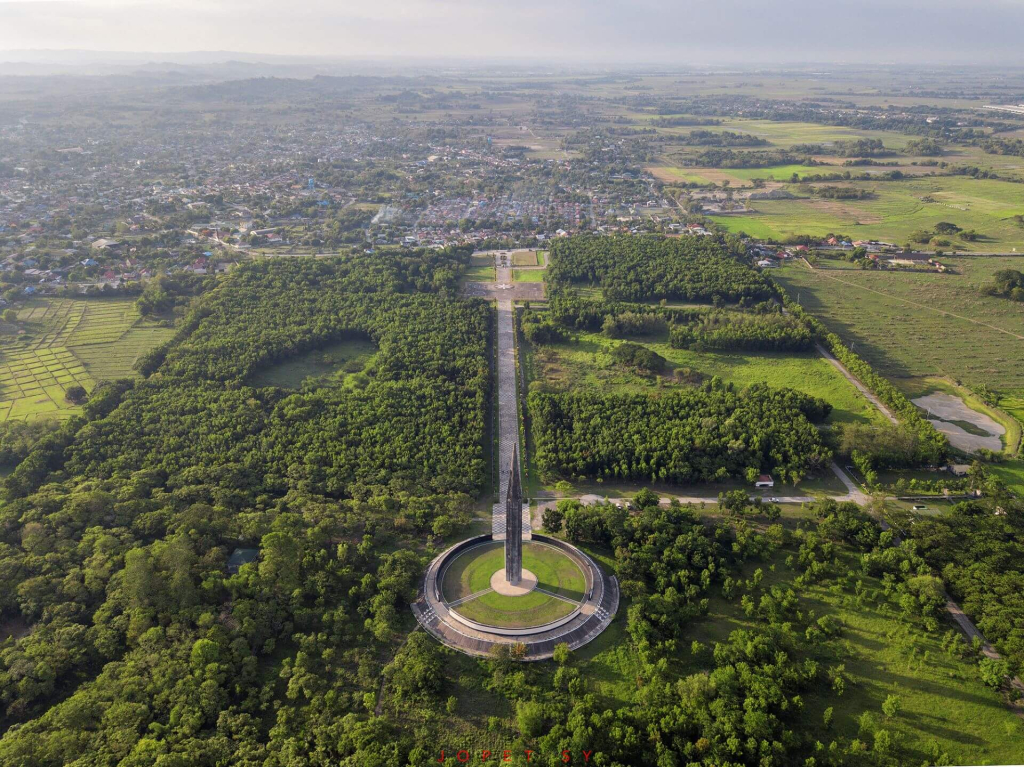
Image by By jopetsy, CC BY 2.0
Tarlac’s strategic location in Central Luzon
Tarlac’s greatest strength is in its geography. Its strategic location at the center of Central Luzon puts it within reach of both economic hubs and agricultural provinces, linking north and south through established transport networks.
Accessibility is one of the province’s clearest advantages. Major roads such as the Subic-Clark-Tarlac Expressway, MacArthur Highway, and Tarlac-Pangasinan-La Union Expressway (TPLEX) connect Tarlac to surrounding provinces and key cities. These routes shorten travel time to the growing New Clark City, while also providing direct connections to nearby Pampanga, Nueva Ecija, Pangasinan, and La Union.
For those traveling further north, access to Baguio and the rest of northern Luzon destinations becomes more convenient. At the same time, the province remains well connected to Metro Manila to the south, which makes it feasible for business owners and professionals who maintain ties to the capital.
This network of infrastructure extends beyond roads. Proximity to international airports in Clark and the presence of free ports in the region strengthen logistics and trade potential. For investors assessing location as a long-term factor, Tarlac’s easy access to transport corridors and economic zones across the country makes it a compelling choice.
Infrastructure and other major developments around Tarlac
Beyond its location, Tarlac’s progress is supported by deliberate infrastructure investments and national initiatives that are expected to drive sustained growth.
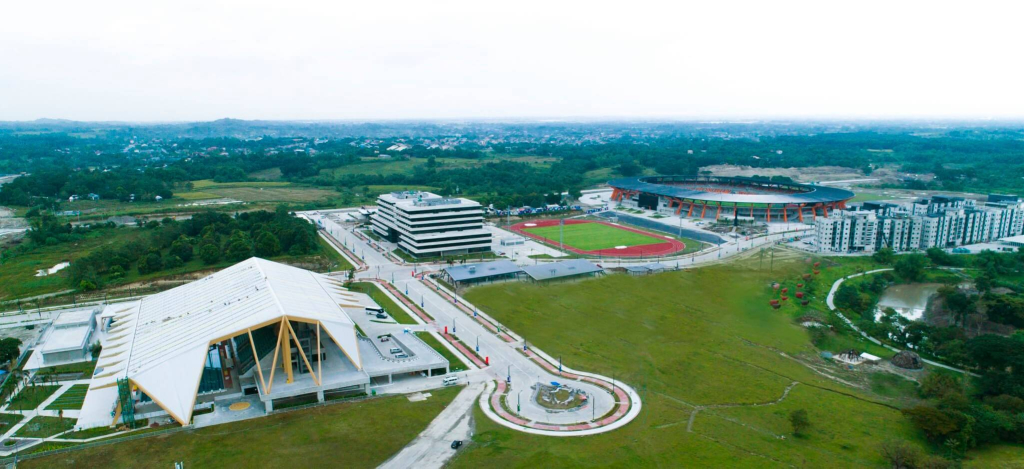
Image by Bases Conversion and Development Authority, Public Domain
New government centers
One of the most significant developments is the National Government Administrative Center in New Clark City. Envisioned as a complementary center to Metro Manila, this project encourages decentralization while supporting long-term regional planning. Its presence has encouraged additional property development, commercial activity, and public works across the province.
Industrial estates
Industrial estates also continue to expand, strengthening the industrial and manufacturing sectors in Tarlac province. These estates attract businesses engaged in processing, logistics, and light industry, contributing to job creation and economic stability. As manufacturing activity increases, related services such as warehousing, transport, and retail also gain traction.
Infrastructure developments
Major developments in commercial areas support a growing base of businesses and services. Retail centers, mixed-use properties, and small enterprise hubs respond to the daily needs of residents and workers. This layered growth, combining government projects, industry, and commercial spaces, suggests steady progress rather than abrupt expansion.
For investors, this type of growth shows an economy built on multiple sectors rather than a single driver, which translates to a more resilient foundation.
Economic drivers and rising demand
While connectivity and infrastructure lay the groundwork, it is economic activity that sustains long-term value. In Tarlac, several sectors contribute to a balanced regional economy.

Image from Goshen Resort and Hotel
Agriculture
Agriculture remains a defining feature of the province. As part of a productive region known for food production, Tarlac contributes significantly to the country’s supply of rice, sugarcane, and other crops. This agricultural base supports both local livelihoods and national food security, reinforcing the province’s role within the Philippines.
Tourism
At the same time, tourism sectors are gradually expanding. Destinations such as the Monasterio de Tarlac draw visitors seeking pilgrimage and scenic views, while surrounding towns offer cultural and heritage attractions. The province’s proximity to San Juan in La Union and to other northern destinations enhances its appeal as a stopover or residential base for those who value access to both inland and coastal experiences.
As industry, agriculture, and tourism converge, job opportunities continue to grow. More jobs in manufacturing, services, and small enterprises contribute to rising demand for properties across Tarlac City and nearby municipalities. This demand is not driven solely by speculation but by people who choose to work and settle in the area.
Such dynamics gradually position Tarlac as an emerging investment hub in Central Luzon. For those building an investment portfolio, a province supported by a diverse range of economic activities offers stability and long-term prospects.
Real estate investments and quality living in Tarlac City
As economic indicators strengthen, real estate investments in Tarlac province have also gained attention from both first-time buyers and seasoned investors. The appeal lies not only in affordability compared to Metro Manila, but also in the lifestyle that the province offers.
A good mix of property developments
In Tarlac City, property development includes residential communities, mixed-use areas, and commercial spaces that serve a growing population. Investors can choose from a diverse range of options, from land purchases for future appreciation to ready homes designed for families. Spacious homes remain one of the province’s advantages, particularly for those seeking a house within organized communities.
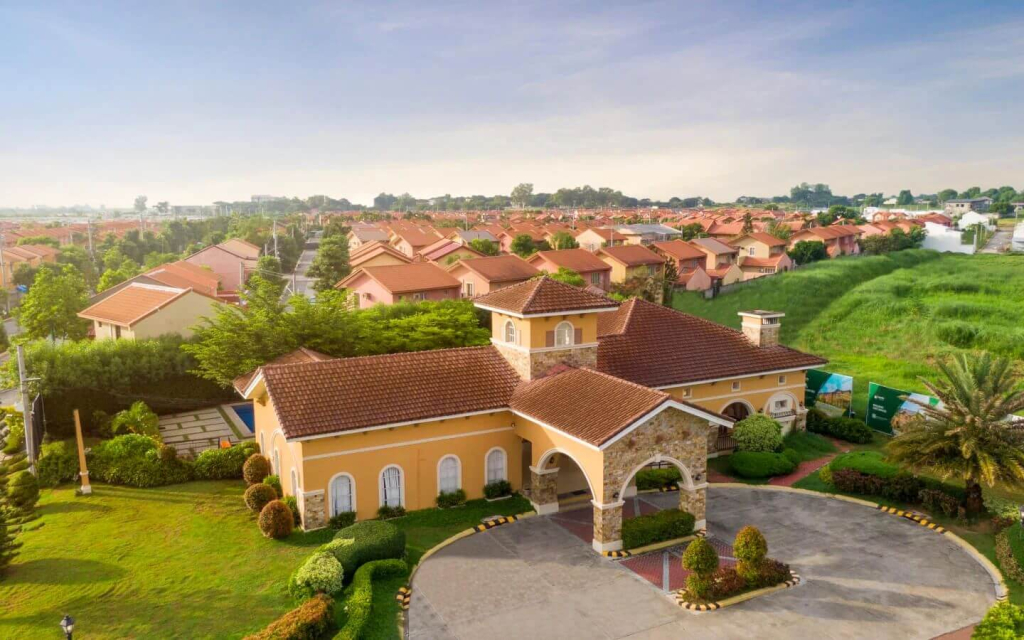
More rooms to grow
Unlike highly urbanized centers, many parts of Tarlac still provide room for expansion. This allows developers to design communities with open spaces, practical amenities, and access to essential services. For families, this translates into a daily life that is supported by nearby schools, retail establishments, and healthcare facilities without the density of larger cities.
From an investor’s perspective, the combination of infrastructure, industry, and growing communities strengthens the case to invest. As demand for properties rises alongside job growth and commercial expansion, real estate in the province becomes part of a broader economic pattern.
Importantly, Tarlac’s growth is closely tied to its regional role. Positioned between established centers like Clark and expanding northern provinces, the city benefits from spillover developments. Its location ensures that it remains relevant within Central Luzon and beyond.
An investment that makes practical sense
Tarlac’s progress is not defined by a single project or industry. Instead, it emerges from the steady alignment of infrastructure, agriculture, manufacturing, tourism, and property development. Its strategic location connects it to Clark, Metro Manila, and the wider north, while its local economy continues to contribute to regional strength.
For investors and families alike, investing in Tarlac offers more than short-term gains. It is an opportunity to participate in a province where transport networks, industrial estates, and growing communities move forward together. As demand for homes and commercial properties increases, Tarlac’s balanced growth positions it as a meaningful part of the Philippines’ regional expansion.
Explore Camella’s house and land offerings in Tarlac, where thoughtfully planned communities meet a growing province. Build your future in a location shaped by progress, connectivity, and lasting value.