





As Filipino family structures evolve, so do the demands placed on a house. What once felt like the perfect existing home may no longer provide enough living space as children grow, parents move in, or lifestyle changes reshape daily life. The question many homeowners now face is this: when you need more space, should you pursue home expansion vs buying new?
The decision between building an add on to your existing house and buying a new home is both financial and deeply personal. It affects your budget, your property value, your community ties, and your long-term vision for the future. Understanding the advantages and limitations of each option allows families to decide with clarity and confidence.
Why More Space Matters in Multigenerational Living
Multigenerational living has become more common. Grandparents, adult children, and even extended relatives often share one roof. While this strengthens the family bond, it also increases the demand for additional space, extra square footage, and a more flexible layout.
An existing space that once accommodated a smaller family may now need another bedroom, more rooms for privacy, or a larger kitchen that supports shared meals. Outdoor space also becomes more important, especially when yard space can be converted into functional outdoor living areas.
When the existing house begins to feel limited, homeowners must examine whether expanding their current home or purchasing a larger home better supports their lifestyle and long-term goals.
Home Expansion: Building on What You Already Have
For many homeowners, expanding is the first option considered. A home addition allows families to preserve their neighborhood, maintain community ties, and remain in a location they value.
The Advantages of Building an Addition
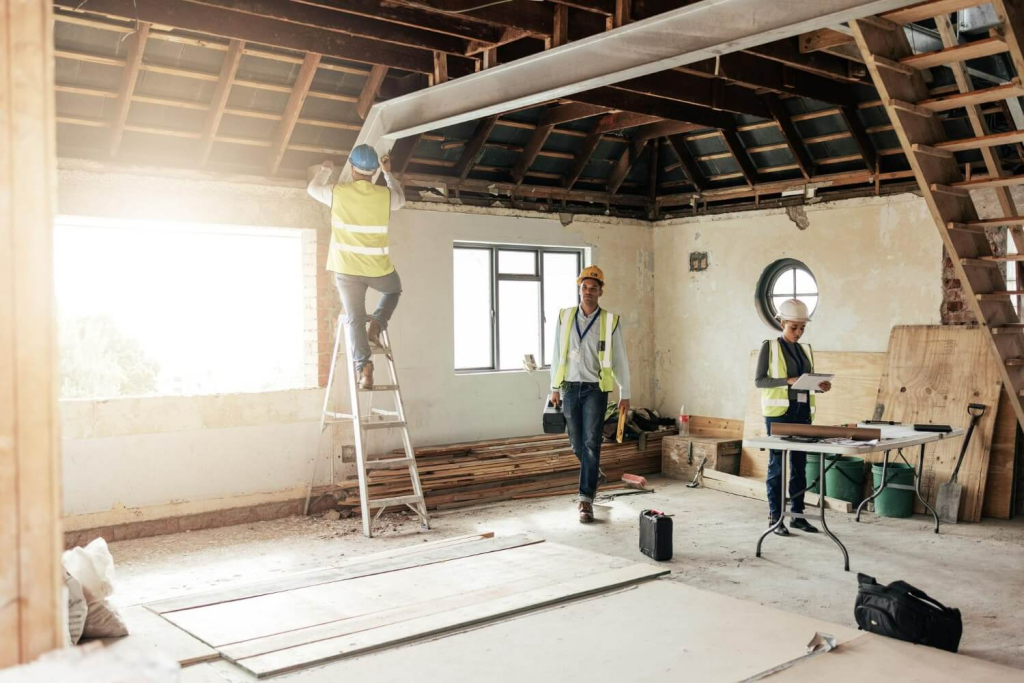
A well-planned addition project can create new space tailored to specific needs. Whether it is building an additional bedroom, constructing a sunroom, or expanding into unused space, building provides design flexibility.
Most home additions focus on increasing square meters in practical ways. For example, remodeling can create a different layout that improves traffic flow within the house. Expanding can result in more living space without the need for moving.
From a financial standpoint, expansion may appear cheaper than buying a new property, especially in a competitive market. Avoiding closing costs and sale-related expenses can make a home addition seem more cost effective at first glance.
However, true cost effectiveness depends on the condition of the existing structure. Construction must comply with local laws and building codes. Structural reinforcements may be required. Details such as plumbing extensions, electrical adjustments, and foundation work can increase the overall project cost.
In many cases, expanding takes several months. During this period, daily life may be disrupted. Noise, dust, and limited access to certain rooms can challenge family routines. Homeowners must prepare their budget not only for construction but also for temporary inconvenience.
One more thing to consider is resale value. Adding extra square meters does not always double property value. If the surrounding neighborhood features smaller homes, an oversized expansion may not align with market expectations.
Buying a New Home: Starting Fresh
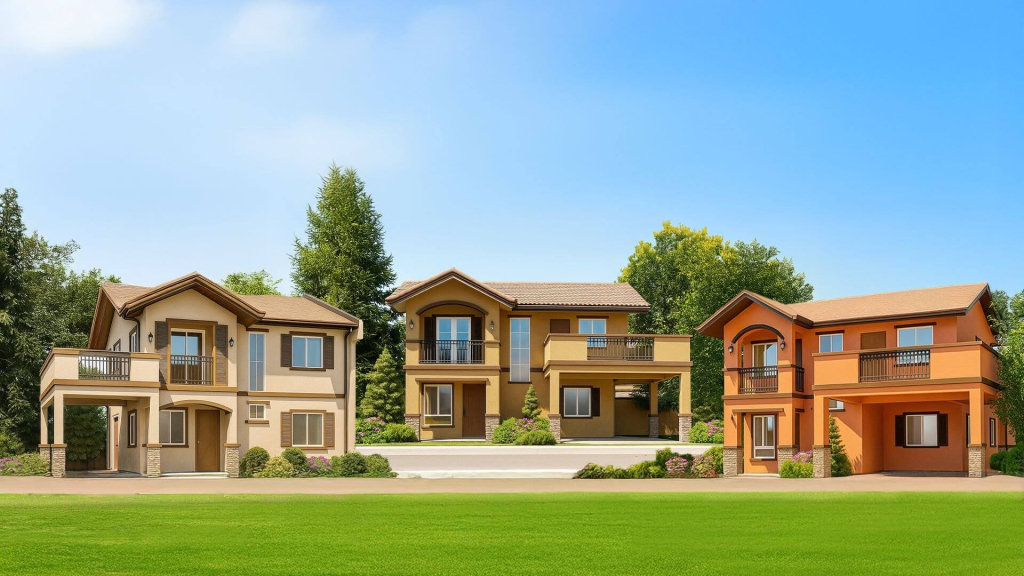
For families whose existing home cannot support meaningful expansion, buying a new home may be the better path. Purchasing a larger one offers a fresh start and often a different layout designed for modern living.
A new build typically provides open-plan living space, integrated outdoor living areas, and laid out bedrooms. Instead of retrofitting an older existing structure, families move into a new structure built to modern standards.
Home building under updated building codes ensures compliance and structural integrity. A new house may offer energy efficiency, improved insulation, and better long-term durability. These advantages can enhance property value and reduce maintenance costs over time.
Buying a new home also allows families to relocate to a better location if their current neighborhood no longer meets their needs. Proximity to tourism destinations, growth centers, and infralink projects may influence the decision to move.
However, buying a new property involves financial responsibilities. Closing costs, taxes, and other purchasing expenses increase upfront cost. Selling the current home depends on market conditions, and the sale process can take time. Moving expenses and transitional adjustments must also be factored into the overall budget.
For some families, the benefits outweigh the challenges. A larger home designed intentionally for multigenerational living may offer comfort that an expanded existing house cannot fully provide.
Cost Comparison: Home Expansion vs Buying New
When comparing home expansion vs buying new, cost must be analyzed comprehensively.
An addition project may initially appear cheaper because it avoids purchasing fees. However, hidden construction challenges within the existing house can increase expenses. Reinforcing the foundation, addressing structural limitations, and complying with local law and building codes may raise the final project total.
Meanwhile, buying a new home requires higher upfront investment. Down payments, closing costs, and transfer fees must be included in the calculation. Yet a property may appreciate more strongly in the long term, improving resale value at future sale.
For example, if a family plans to stay in the home for decades, expanding may provide adequate functionality. But if future selling is anticipated within five to ten years, purchasing a larger one in a growing market may yield stronger returns.
The decision should not be based solely on which option seems cheaper today, but which offers stronger long-term value.
Lifestyle and Layout: Designing for Daily Life
Beyond finances, lifestyle must guide the choice. Multigenerational families require layout planning. Privacy, accessibility, and shared spaces must coexist harmoniously.
In an existing home, remodeling may create a different layout to accommodate lifestyle changes. A ground-floor bedroom for elderly parents, a larger kitchen for gatherings, or flexible rooms for remote work can improve comfort significantly.
In a new build, these features are already integrated into the design plan. The advantage of buying a new house is that the space is intentionally designed rather than adapted.
Outdoor space also plays an important role. Whether through expanding into exterior space or choosing a property with generous outdoor living areas, families benefit from environments that extend beyond interior square meters.
Style and design preferences matter as well. Some homeowners prefer to renovate and personalize their current home. Others see purchasing a new one as an opportunity to align their house with a refreshed vision.

Time, Disruption, and Transition
Time is a critical but often underestimated factor. Building an addition can take several months and requires careful coordination. Construction disruptions may impact work-from-home arrangements and children’s routines.
Buying a new home involves moving, which is disruptive in its own way. However, once the purchase is finalized, the transition is often more immediate compared to extended renovations.
Families must evaluate which scenario better suits their tolerance for temporary disruption.
Making the Decision for Your Family’s Future
Ultimately, deciding between expanding and moving requires clarity of purpose. Does the existing structure allow for meaningful building without compromising integrity? Can the addition project realistically meet long-term needs? Does the neighborhood still align with your lifestyle and vision?
Or does buying a new home better support the future growth of your family?
There is no universal answer in the debate of home expansion vs buying new. Each family property, budget, and priorities are unique. Some homeowners find fulfillment in renovating and expanding the home where memories were built. Others recognize that purchasing a larger one offers greater flexibility and strategic advantage.
What matters most is intentional decision-making. Whether you choose to renovate, build, or move into a bigger one, the goal remains the same: to create a home that supports connection, comfort, and long-term value.