



Image source: Freepik
Introduction
Parents often ask how art helps brain development in practical, measurable ways. This question matters more in recent years as screens replace hands-on learning and children spend less time engaging with the physical world. Art is not decoration or downtime. It is a core pathway through which the brain learns to process visual information, regulate emotions, and build the ability to think, adapt, and create. From early childhood development through adolescence, art quietly shapes how children understand life, meaning, and their place in the world. In a fast-changing world, hands-on creative engagement is often just what children need to build focus, confidence, and cognitive strength.
How Art Strengthens Neural Connectivity Through Multi-Sensory Processing
At a young age, the brain develops fastest when multiple senses work together. Art activates sight, touch, movement, and decision-making at the same time. When kids explore shapes on paper, feel clay in their hands, or adjust pressure during drawing, the brain forms stronger neural connections. This is how art helps brain development at its most biological level.
Creating art requires the brain to interpret sensory experiences and translate them into action. Visual arts combine color, texture, and space, while the physical act of art making involves motor skills and coordination. Over time, repeated exposure strengthens pathways linked to attention, memory, and learning ability. This process builds a foundation that supports science, reading, and reasoning later in life.
Early Childhood Development Is Accelerated by Sensory-Rich Art Activities
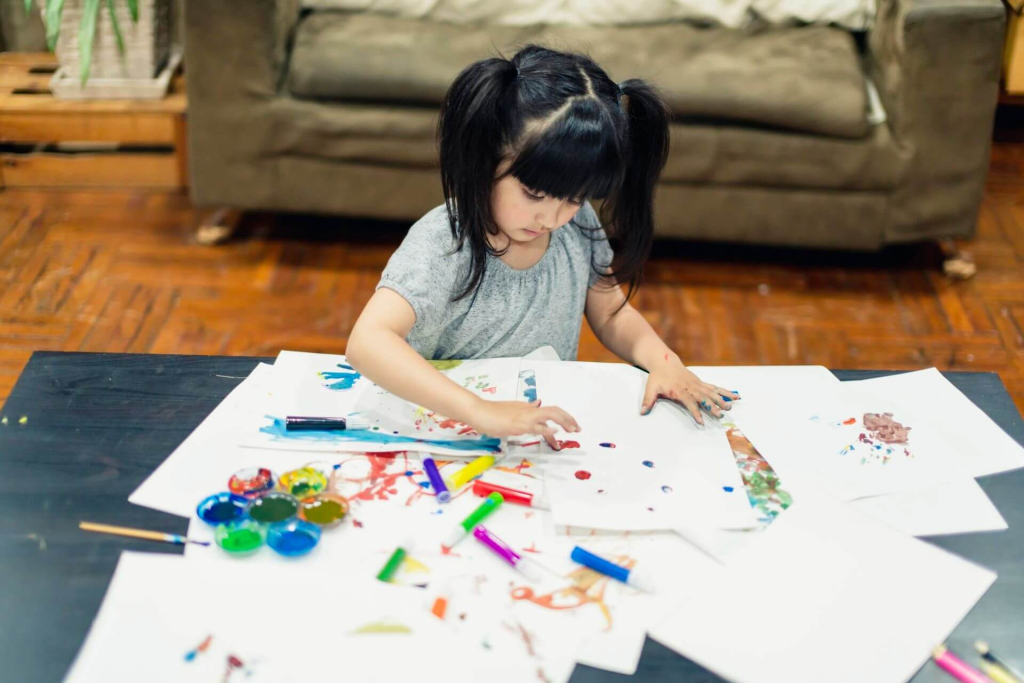
Early childhood development depends heavily on exploration. Art activities provide structured freedom, allowing children to test cause and effect without fear of failure. When kids use simple materials like paper, crayons, or paint, they absorb visual-spatial skills that help them understand size, distance, and proportion.
Sensory experiences gained through making art also shape how children process the world. Touching wet paint, rolling clay, or tearing paper builds a sense of control and awareness. These moments may seem small, but they shape how children learn to focus, explore, and engage with their surroundings at every age.
Fine Motor Skills Development Through Controlled Artistic Movements
Fine motor skills develop through repetition and precision. Artistic activities such as writing, cutting, painting, and detailed drawing strengthen small muscles in the hands and fingers. These movements improve hand-eye coordination, which is essential for school readiness and independence.
As children learn to control tools and art materials, they gain confidence in their ability to create. This control transfers to daily tasks, from tying shoes to holding utensils. Fine motor skills are not isolated abilities; they support broader development by reinforcing patience, accuracy, and persistence.
Gross Motor Skills Are Strengthened Through Large-Scale Art Making
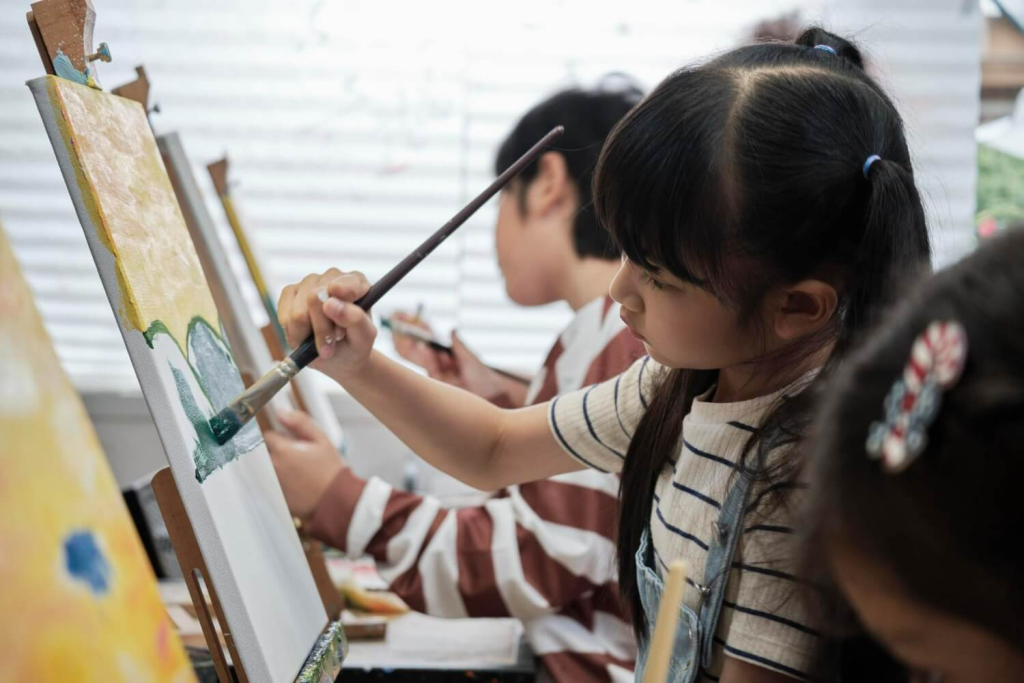
Not all art happens at a desk. Gross motor skills develop when children use their whole body to create. Large murals, standing easel painting, and crafts activities that involve stretching or lifting activate balance and coordination.
Art making at a larger scale encourages kids to move freely while staying focused on a goal. These activities strengthen motor skills that support posture, spatial awareness, and physical confidence. Movement-based art also supports health by combining creativity with physical engagement in a way that feels natural and fun.
Creating Art Builds Executive Function and Cognitive Flexibility
Executive function governs planning, attention, and decision-making. Creating art challenges children to imagine outcomes, choose materials, and adjust when ideas change. This strengthens critical thinking skills and cognitive flexibility. Structured creative choices within art activities encourage creativity by allowing children to experiment freely while still learning how to plan, evaluate outcomes, and stay focused on a goal.
During the creative process, kids learn that mistakes are part of learning. They adapt, revise, and test new ideas. This mindset supports problem-solving and builds resilience. Art teaches children that thinking is active, not fixed, and that solutions evolve through effort.
Art in Everyday Life Improves Applied Problem Solving
Art does not stay in the classroom. The habits developed through artistic activities shape everyday life decisions. Children learn to assess options, predict outcomes, and adjust their approach when challenges arise. These problem-solving skills are transferable to academics, relationships, and personal goals. A simple example can be seen when children adjust their approach mid-project after noticing that a material or technique is not producing the result they expected.
Through art, children learn that problems have more than one solution. This flexibility strengthens critical thinking and prepares kids to handle real-world situations with confidence. The ability to approach challenges creatively becomes one of the most important life skills they carry forward.
Art Education Supports Language Development and Symbolic Thinking
Art education strengthens language development by teaching children how to assign meaning to symbols. Images become stories. Colors represent emotions. When a child begins to see themselves as an artist, they gain confidence in sharing ideas, interpreting meaning, and communicating thoughts through both images and words. Shapes communicate ideas before words fully form. This symbolic thinking supports reading, writing, and comprehension.
Through self-expression, children learn to articulate thoughts they may not yet have words for. Art gives students a visual language that complements verbal communication. As kids learn to explain their work, they expand vocabulary and improve clarity of expression.
Kids Art Builds Emotional Intelligence and Self-Regulation
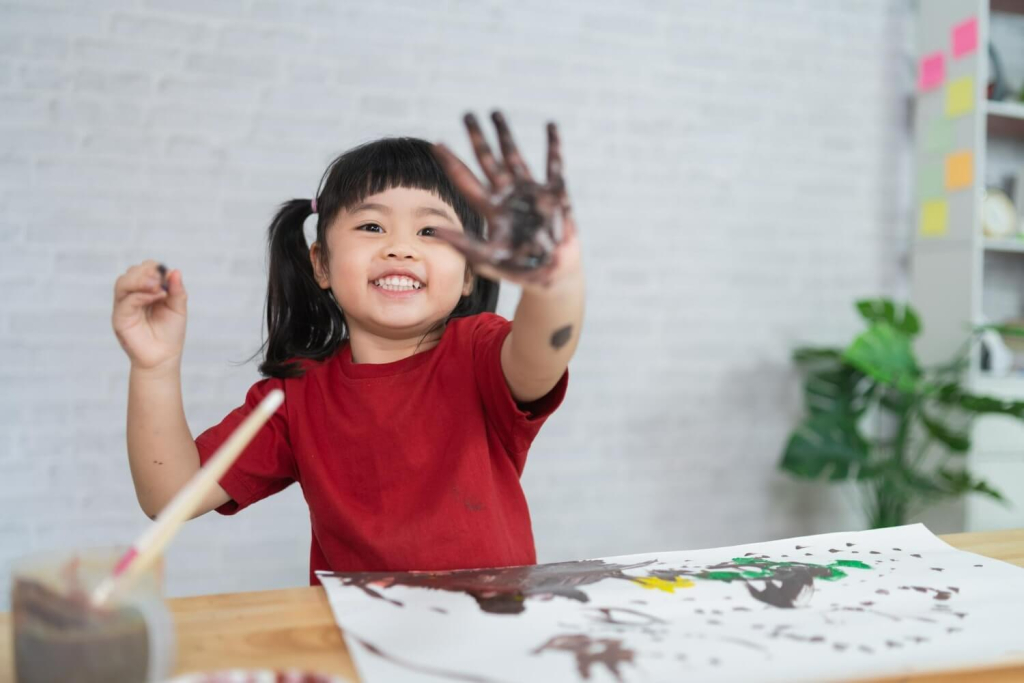
Kids’ art offers a safe space for emotions and feelings to surface. Through painting, drawing, or sculpting, children explore internal experiences without judgment. This builds emotional intelligence and supports mental health.
Art helps children recognize, name, and manage emotions. The act of creating slows the mind, supports well-being, and encourages reflection. Over time, children develop stronger self-regulation skills that improve behavior, relationships, and emotional resilience.
Art Programs Expand Cultural Awareness and Social Understanding
Art programs introduce children to perspectives beyond their own. Through shared creative activities, kids learn empathy, respect, and cooperation. Social interactions during group projects teach collaboration and communication.
Exposure to diverse artistic traditions builds cultural awareness and helps children understand the beauty of difference. In communities, schools, and neighborhoods increasingly integrate, art programs into learning spaces. Residential environments near places like Camella Balanga Heights benefit from access to schools and community initiatives that support creativity, helping kids connect art with community life and shared identity.
How Art Trains the Brain to Generate, Test, and Refine Ideas Over Time
The most lasting benefit of art lies in how it trains the brain to think over time. Art teaches children to generate ideas, test them through action, and refine them through reflection. This cycle strengthens creativity, critical thinking, and long-term learning ability.
Young people who grow up with sustained exposure to art develop adaptive thinking skills that support university studies, careers, and personal growth. Art prepares children not for one path, but for a lifetime of exploration, meaning, and growth.
Conclusion
Art shapes the brain in ways that extend far beyond childhood. Through sensory exploration, emotional expression, and creative problem solving, children learn how to think, feel, and adapt. The benefits of art ripple through education, health, and personal development, forming a strong foundation for life. When children are given space to create, they gain more than skills. They gain the ability to understand themselves, connect with others, and navigate the world with confidence and imagination.