





Image source: Freepik
Introduction
Building a healthy relationship with money does not require dramatic overhauls or extreme discipline. What it takes is consistency. Financial health is shaped quietly, month by month, through habits that bring structure, clarity, and control to everyday decisions. In the Philippines, where income streams, family responsibilities, and market conditions can shift quickly, a steady approach matters more than perfect timing.
These twelve monthly habits are designed to work together. They reflect how real households manage finances across different life stages, career paths, and financial needs. Practiced consistently, they help reduce stress, improve decision-making, and keep financial planning throughout the year grounded in reality rather than wishful thinking.
1. Track Cash Flow to Maintain Control Over Income, Expenses, and Debt
Every financial plan begins with understanding cash flow. Without knowing how money moves in and out each month, even a generous income can disappear unnoticed. Tracking cash flow creates awareness of income sources, recurring expenses, debt payments, and available cash.
This habit goes beyond listing numbers. It helps determine whether spending aligns with priorities or if money leaks into areas that no longer serve your current life situation. Many Filipinos juggle a primary job, side work, or a small business, making it essential to track irregular income alongside fixed costs.
A clear view of cash flow also supports better decisions around saving, paying debt faster, or setting aside funds in a liquid account for short-term needs. Over time, this habit strengthens financial stability and reinforces a sense of control over finances rather than reacting to them.
2. Manage Expenses by Actively Reviewing Spending Habits and Budget Leaks
Once cash flow is visible, the next step is to manage expenses deliberately. Expenses tend to grow quietly, especially when subscriptions, delivery spending, or lifestyle upgrades go unchecked. Reviewing spending habits each month keeps the budget realistic and responsive.
The general rule is simple: expenses should reflect values, not convenience. This habit encourages you to categorize spending into various categories, such as essentials, family support, savings, and personal enjoyment. The goal is not restriction, but balance.
By learning where money is going, households can pay attention to unnecessary costs and redirect funds toward more meaningful priorities. Over time, managing expenses reduces financial stress and creates room to save, invest, and prepare for future goals without feeling deprived.
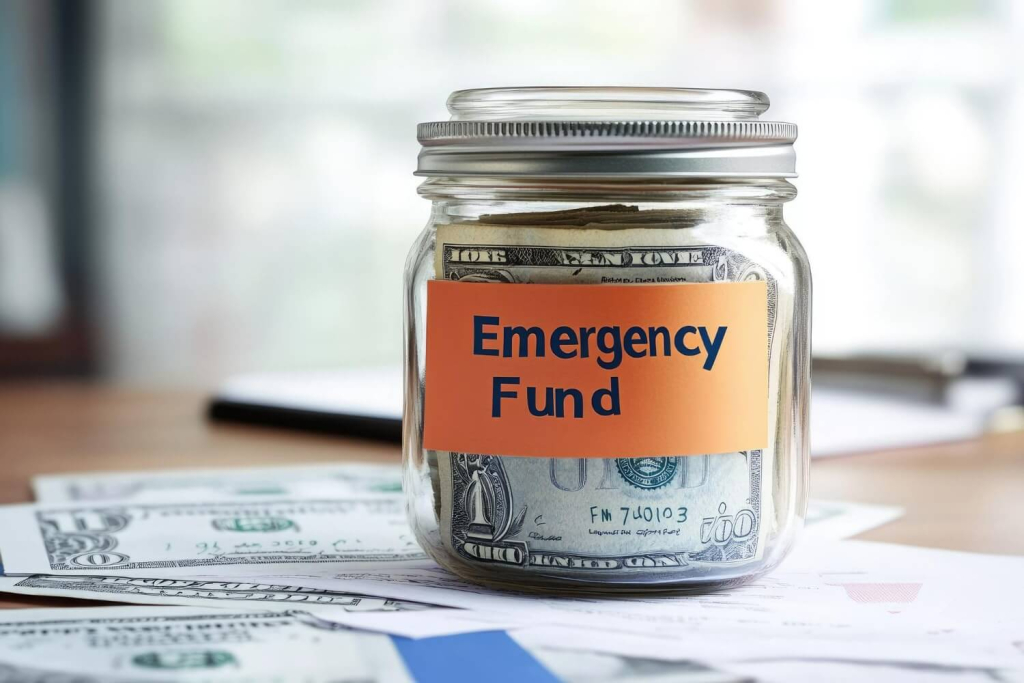
3. Build and Replenish Your Emergency Fund Until You Have Adequate Funds
An emergency fund is the foundation of financial stability. It protects against job loss, medical expenses, or urgent family needs without forcing reliance on debt. This habit involves checking the status of your emergency fund every month and topping it up when possible.
Adequate funds look different for every household. A single professional may need fewer months of coverage than a family supporting children or elderly parents. What matters is that the emergency fund is accessible, separate from daily spending, and kept in a secure bank account.
In uncertain market conditions and rising living costs, having cash set aside reduces panic-driven decisions. It allows you to protect long-term financial goals even when short-term disruptions occur.
4. Prepare for Possible Loss by Reviewing Insurance Products and Risk Exposure
Protection is often overlooked until something goes wrong. A monthly review of insurance products ensures that coverage still reflects your financial situation and responsibilities. This includes health coverage, property protection, and life insurance policies.
Possible loss can come from illness, accidents, or income disruption. Reviewing coverage helps determine whether benefits remain sufficient as assets grow, family structures change, or debt obligations increase. It also encourages smarter conversations with providers rather than rushed decisions during emergencies.
In communities where extended family support is common, insurance becomes a way to protect loved ones from sudden financial burden. This habit supports long-term wealth preservation and reduces the emotional and financial impact of unexpected events.

5. Calculate Your Net Worth to Measure Real Financial Progress
Net worth offers a clear snapshot of financial health. It is calculated by subtracting liabilities from assets, including cash, savings, investments, property, and outstanding debt. Reviewing net worth monthly may seem excessive, but it builds awareness of true progress.
This habit shifts focus away from income alone and toward wealth accumulation. A rising salary does not always mean improving finances if debt grows faster than assets. Tracking net worth highlights whether financial decisions are moving you closer to long-term goals.
For Filipino households investing in property, including those considering communities developed by Camella Homes, monitoring net worth helps place real estate decisions within the broader picture of financial planning rather than treating them as isolated achievements.
6. Review Your Financial Planning Throughout the Year and Adjust for the Year Ahead
Financial planning is not a once-a-year activity. Reviewing your plan monthly allows you to adjust assumptions and priorities before small issues become major setbacks. This habit involves reflecting on progress, identifying gaps, and preparing for the year ahead.
Economic shifts, changes in tax laws, and evolving family obligations can affect a plan quickly. Regular review keeps financial planning throughout the year flexible and realistic. It also encourages proactive decision-making rather than reactive fixes.
7. Revisit Your Financial Planning Based on Your Current Life Situation
Life changes shape finances in powerful ways. Marriage, a new job, caring for parents, or expanding a business all affect priorities and risk tolerance. Revisiting financial planning through the lens of your current life situation ensures that the plan still makes sense.
This habit encourages honest reflection. Goals set years ago may no longer apply. Income may have changed, expenses may have increased, or responsibilities may have shifted. Adjusting the plan reduces frustration and keeps expectations grounded.

8. Set and Reassess Financial Goals That Match Your Life Stages
Financial goals should evolve with life stages. What matters in your twenties will differ from priorities in mid-career or as retirement approaches. This monthly habit involves reviewing goals and confirming that they still reflect personal values and obligations.
Goals may include saving for education, growing investment accounts, purchasing assets, or preparing for a comfortable retirement. Clear goals provide focus and direction, helping families decide where to allocate resources.
Reassessing goals regularly also allows room for other goals such as travel, entrepreneurship, or community involvement. When goals align with life, financial planning feels purposeful rather than restrictive.
9. Evaluate Past Performance to Refine Your Investment Strategy
Investing requires reflection as much as action. Reviewing past performance monthly helps identify patterns, strengths, and mistakes across different investments. This habit focuses on learning rather than reacting emotionally.
Past performance should be evaluated within the context of market conditions and risk tolerance. Short-term fluctuations are normal, but consistent underperformance may signal the need to adjust asset allocation or revisit investment goals.

10. Strengthen Your Retirement Plan by Monitoring Retirement Accounts and Savings
Retirement planning benefits from steady attention. Monitoring retirement accounts monthly ensures contributions remain consistent and aligned with long-term financial goals. It also helps track retirement savings growth and identify gaps early.
For many Filipinos, retirement planning includes a mix of employer programs, personal savings, and investments. Reviewing these regularly helps determine whether current efforts support the desired retirement lifestyle.
This habit encourages early adjustments rather than last-minute sacrifices, increasing the likelihood of achieving a comfortable retirement without unnecessary stress.
11. Update Your Estate Plan After Major Life Events
An estate plan reflects responsibility, not wealth level. Reviewing it monthly is less about making changes each time and more about awareness. Major life events such as marriage, childbirth, property acquisition, or business expansion often require updates.
An estate plan ensures that assets are distributed according to wishes and that loved ones are protected. It also reduces legal and emotional complications during difficult times.
12. Schedule a Monthly Check-In With a Financial Advisor or Financial Planner
Professional guidance becomes more effective when paired with preparation. Scheduling a monthly check-in with a financial advisor or financial planner allows for focused discussions based on real data rather than vague concerns.
These sessions provide investment advice, support tax planning, and help refine strategies around savings, debt management, and asset growth. They also offer an external perspective that can challenge assumptions and improve decision-making.
Conclusion
Financial health is built through consistent habits, not dramatic gestures. These twelve monthly practices work together to create structure, clarity, and resilience across changing seasons of life. By tracking progress, reflecting regularly, and making informed decisions, individuals and families can strengthen control over their finances and move steadily toward a more secure future.
At its core, personal finance is about building systems that support real life, not chasing perfection. When these habits are practiced consistently, they help establish routines that make financial decisions clearer, steadier, and easier to sustain over time, even as priorities, responsibilities, and circumstances continue to change.