



Image source: Freepik
The Chinese New Year is one of the most important celebrations observed in the Philippines, and quite possibly in the world, especially among families influenced by Chinese culture and broader Asian culture. Unlike the regular New Year in January, this celebration follows the lunar calendar and is treated as a reset for the entire home and the year ahead.
Rooted in feng shui, an ancient Chinese practice, these traditions focus on managing energy, removing bad energy, and creating conditions for prosperity, harmony, and good fortune during the new year period. These Chinese New Year feng shui tips are widely practiced locally and as preparation for a meaningful beginning.
Chinese New Year Feng Shui Do’s
In feng shui practices, what you do before the holiday begins matters more than what you do during it. Preparation shapes the home’s energy once the Lunar New Year begins.
Rearrange Furniture So Movement Feels Easy
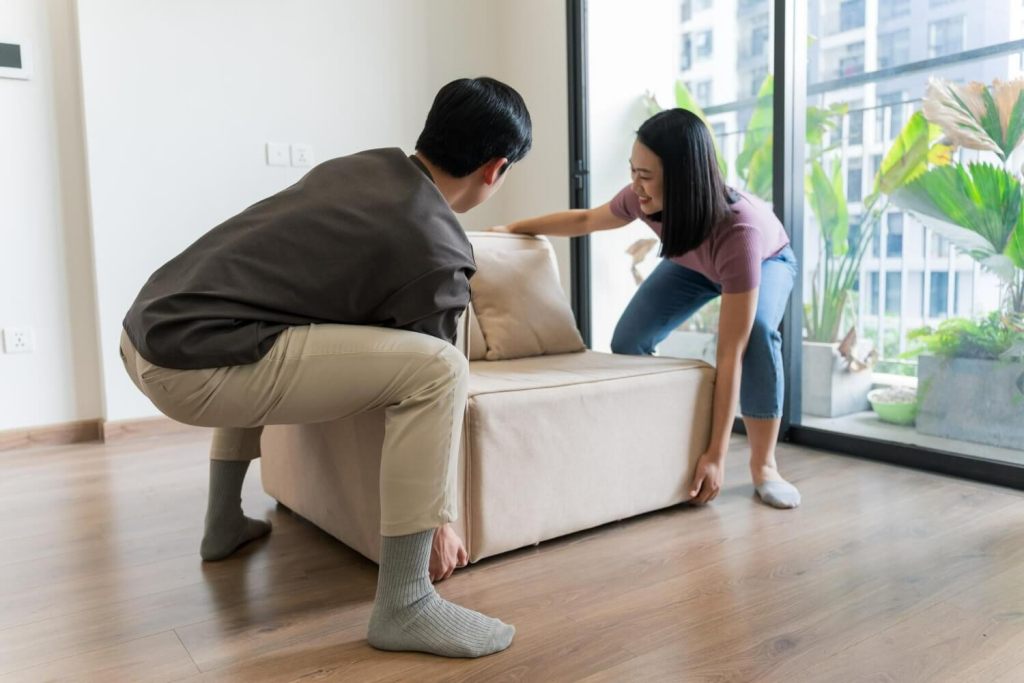
One of the most common feng shui tips taught in Filipino households is to look at how people move through the house. Feng shui involves arranging furniture in such a way that movement feels natural and uninterrupted. When walkways are blocked, energy slows down and stagnant energy prevails.
Before New Year’s Eve, families shift sofas, tables, and cabinets so the entire home feels lighter and easier to move through. This adjustment is believed to improve flow, support harmony, and help life feel less heavy as the year approaches.
This principle of allowing movement to feel natural is easier to apply in thoughtfully planned communities such as Camella Homes. In developments like Camella Cerritos Davao, open living areas and defined walkways make it simpler for homeowners to adjust furniture and keep spaces feeling light and accessible as the Chinese New Year approaches.
Refresh the Area of the Home Linked to Money
Many Filipinos believe certain areas of the house affect money and wealth. Before the holiday begins, this space is cleaned, organized, and brightened to attract wealth and more wealth in the coming year.
A feng shui expert often reminds homeowners that clutter in this area weakens prosperity. Cho explains that when this space feels active and cared for, it encourages abundance and steadier finances throughout the whole year.
Make the Front Door Easy to Open and Well-Lit
The front door plays a major role in feng shui because it is believed to be where good energy enters the house. If the door sticks, squeaks, or feels dark, opportunities are thought to struggle getting in. Filipino families fix hinges, replace bulbs, and clear the space around the door before the New Year period begins. A welcoming door supports good fortune, positive energy, and a great start to the lunar new year.
The welcoming role of the entrance becomes even more important when families co-host gatherings during the Chinese New Year. As friends and relatives arrive, many households exchange red envelopes near shared spaces as a way of offering blessings, goodwill, and support for prosperity at the start of the year.
Fix the Kitchen Before the New Year
In local feng shui teachings, the kitchen represents nourishment, savings, and daily stability. Broken appliances, leaking sinks, or cluttered counters are believed to weaken prosperity and attract negative energy.
That is why repairs are done before the holiday begins. A functional kitchen supports wealth, balance, and peace during the year ahead, allowing families to focus on growth rather than fixing problems once the new year starts.
Add Healthy Plants and Fresh Flowers
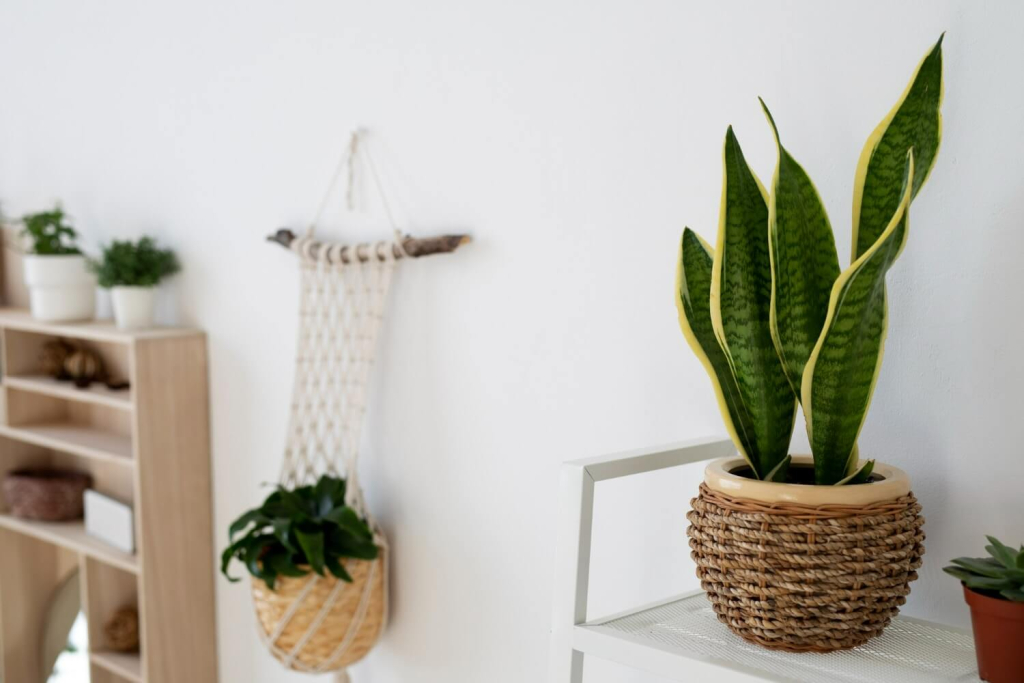
Plants symbolize spring, growth, and renewal. During the spring festival, Filipinos often place plants and fresh flowers in areas that feel quiet or neglected to rid bad energy and invite good energy.
Healthy plants are believed to help create harmony and support a year-long sense of forward movement. This practice reflects the desire to keep the home alive, active, and supportive of personal growth.
Mark the New Year With Red, Gold, and Something New
Red and gold are deeply tied to Chinese New Year traditions and especially Chinese culture. Red is associated with protection, while gold represents prosperity and good luck. Rather than overwhelming the space, Filipino households use these colors in small but meaningful ways. This signals a fresh beginning and helps attract positive energy as the lunar new year begins.
Wearing new clothes during the Chinese New Year is another widely followed practice tied to renewal and self-respect. Filipino families often prepare fresh outfits for New Year’s Day, believing that starting the year in something new reflects readiness, confidence, and intention as the next chapter begins.
Chinese New Year Feng Shui Don’ts
Once the holiday begins, timing becomes critical. Actions taken during this period are believed to affect the entire year, which is why restraint matters just as much as preparation.
Avoid Sweeping or Mopping New Year’s Day
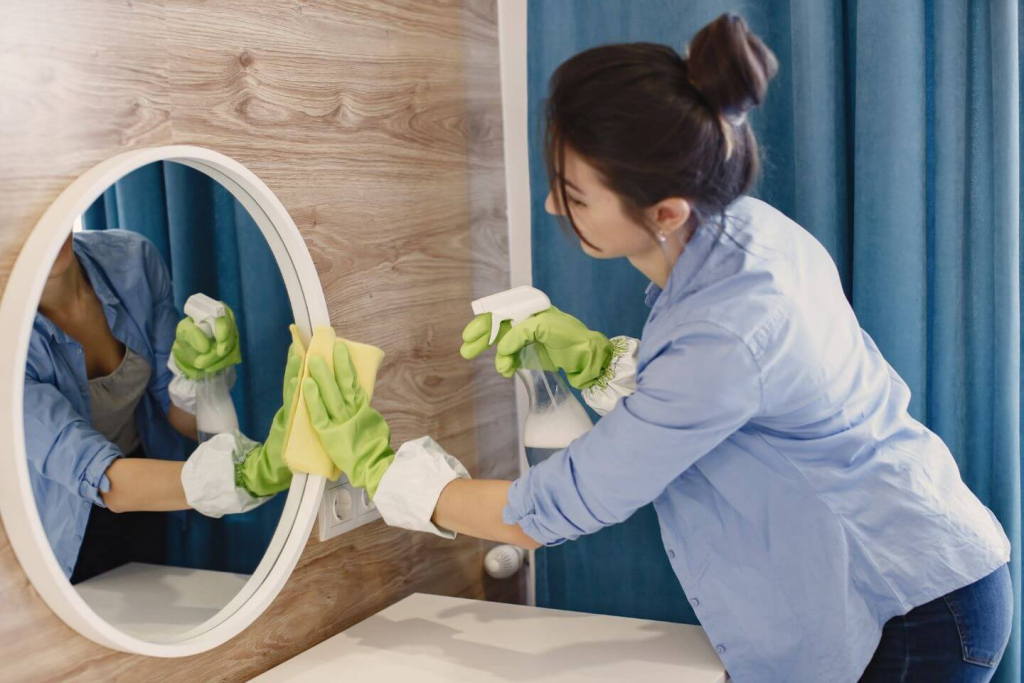
A widely followed belief is that people sweep and clean before the holiday, then stop once New Year’s Day arrives. Cleaning during this time is believed to push wealth, good fortune, and good energy out of the house.
Most Filipino families complete all cleaning on New Year’s Eve so the home is ready when the holiday begins. Chores resume only after the first day of the lunar new year has passed.
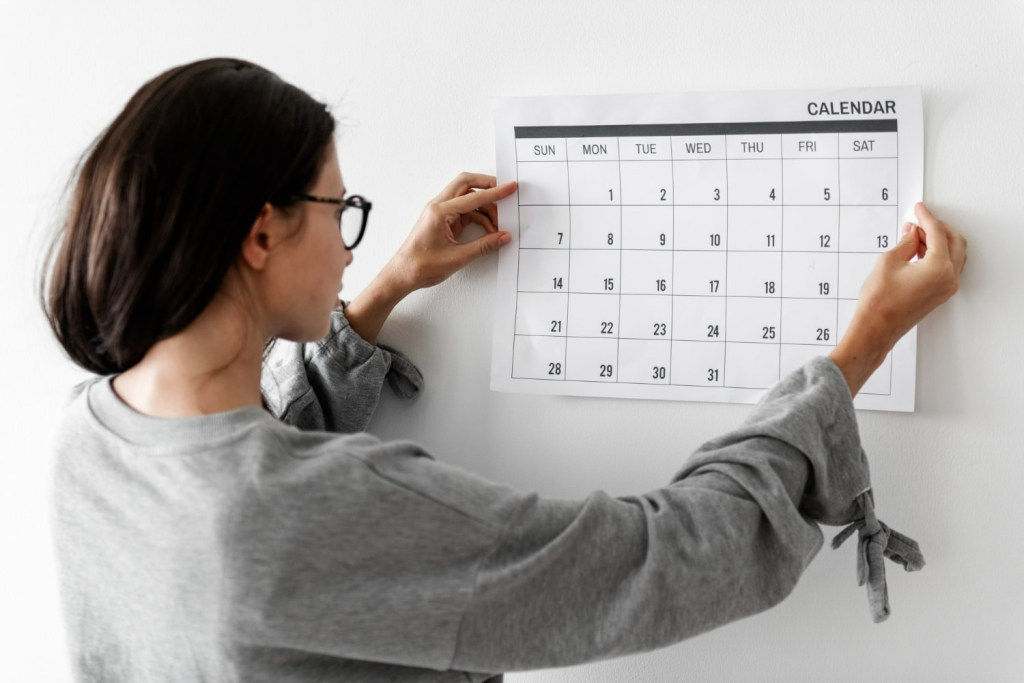
Keep Decluttering Limited to the Days Before the Holiday
Decluttering during the Chinese New Year is discouraged. Throwing items away once the new year period starts is believed to symbolically discard opportunities and prosperity.
This belief reinforces the idea that preparation should happen early. Once the holiday begins, the focus shifts to protecting abundance rather than removing things from the home.
Handle Household Items Carefully During the First Days of the New Year
Breaking plates, glasses, or decorations during the lunar new year is associated with bad luck. Locally, this is believed to represent loss, conflict, or setbacks in the year ahead.
Because of this, Filipino families are more mindful during this time, handling items carefully to protect harmony and avoid unnecessary negative energy during important celebrations.
Maintain Calm Conversations and Peaceful Interactions at Home
Words spoken during the Chinese New Year are believed to carry weight. Arguments, harsh language, or emotional outbursts are avoided because they are thought to shape relationships for the whole year.
This belief highlights that feng shui is not only about space but also about emotional energy. Maintaining peace supports harmony within the family and among loved ones.
Pause Borrowing, Lending, or Discussing Money
Money matters are treated carefully during the lunar new year. Borrowing, lending, or asking for payment is believed to set a pattern of money flowing out instead of in.
Many Filipinos avoid these conversations on New Year’s Day to protect prosperity and encourage steady wealth throughout the year ahead.
Start New Year’s Day Early Rather Than Sleeping In
Waking up early on New Year’s Day symbolizes readiness and focus. Sleeping late is believed to invite missed opportunities and a slow start to the year.
This simple habit reflects the belief that how the year begins influences how it unfolds, setting the tone for discipline, momentum, and clarity.
Conclusion
The Chinese New Year is not just a celebration but a carefully observed beginning. These thoughtful preparations are believed to help households enjoy good luck not only during the celebration itself but throughout the months that follow. Through simple feng shui practices rooted in tradition, Filipino families prepare their homes to support prosperity, harmony, and good luck for the year ahead.
By respecting timing, space, and intention, these Chinese New Year feng shui tips become less about rules and more about creating a home that supports life, family, and abundance throughout the whole year.