



Image source: Freepik
The days after Christmas and New Year move more slowly, yet Filipino kitchens rarely go quiet. Containers fill the fridge, foil trays are stacked on shelves, and familiar aromas linger long after the last guests have gone home. In many households, holiday leftovers are not a problem to solve but a reality to manage. Food is cooked generously because celebrations are meant to be shared, and what remains becomes part of daily meals.
This is where quick recipes for holiday leftovers matter. They are not about creating something fancy or unfamiliar. They are about making sure leftovers remain satisfying, tasty, and worth serving again throughout the holiday season.
Holiday Leftovers After Noche Buena and Media Noche
After long nights of eating, it is common to open the fridge and see rice, meat, vegetables, sauces, and bread stored side by side. These leftovers reflect Filipino cooking habits, where meals are prepared with family in mind, rather than adhering to strict portions.
Why Holiday Leftovers Are Common in Filipino Homes
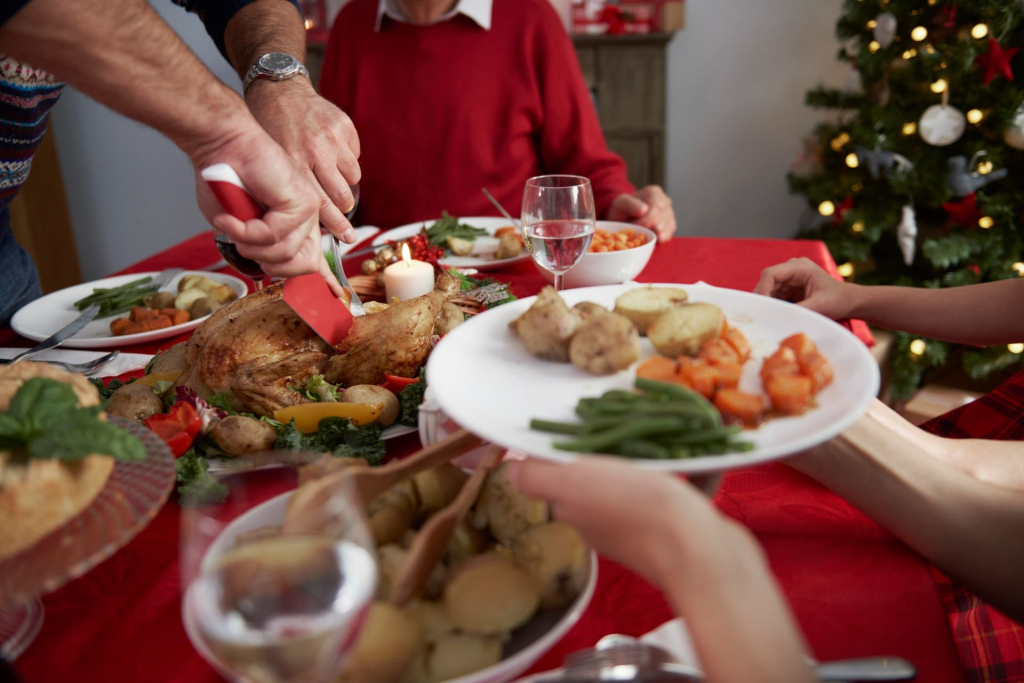
Noche Buena and Media Noche meals are meant to last. Ham is sliced thickly, chicken and pork are cooked in large trays, and rice is never measured out to the cup. This abundance ensures that everyone is fed, including relatives who arrive late and neighbors who drop by. The result is a fridge full of food that still holds value.
Resetting the Fridge Without Wasting Food
A simple reset starts with identifying what should be eaten first. Vegetables and rice are usually used early, while sauces, gravy, and cooked meat stretch across several days. This mindset allows leftovers to feel planned rather than accidental.
Christmas Ham That Carries Through the Week
Ham is one of the most recognizable Filipino Christmas dishes and often the last to disappear.
Ham with Rice and Eggs for Easy Breakfasts
Leftover ham works well for breakfast. Thinly slice it and pair it with garlic rice and eggs cooked in a pan with a little butter. It is also a great pair to an American breakfast of toast, waffle, or pancakes. A pinch of salt and cracked pepper is enough to refresh the flavor. This simple meal feels familiar and filling without much effort.
Ham Used Beyond the Breakfast Plate
Ham also fits naturally into sandwiches. Lightly toast bread, add ham, crisp lettuce, and melted cheese or a simple cheese sauce, topped with grated cheese. For heavier meals, chopped ham can be mixed with macaroni, milk, a bit of flour, and baked into a creamy casserole until the top turns golden brown.
Chicken, Pork, and When Turkey Appears
Roast chicken and pork dishes dominate Media Noche spreads, making them versatile leftovers.
Repurposing Chicken and Pork for Everyday Meals
Leftover chicken or pork can be chopped, placed in a pot, and reheated with garlic, onions, and carrots. Adding a little gravy or leftover gravy brings moisture back to the dish and keeps the meat flavorful. Serve it with rice and simple vegetables for a balanced plate.
When Leftover Turkey Is on the Table
For Filipinos abroad, some households serve turkey, often from office parties or shared gatherings inspired by Thanksgiving dinner traditions. Leftover turkey can be treated just like chicken. Shred the meat, fry it lightly with onions, and mix it with rice or vegetables. Even small portions of stuffing can be reused sparingly when balanced with familiar flavors.
Rice Dishes That Pull Holiday Leftovers Together
Rice is the backbone of Filipino meals and the easiest way to stretch leftovers.
Fried Rice from Mixed Holiday Leftovers
Fried rice is often the first meal cooked after Media Noche. Cold rice, chopped ham or chicken, eggs, peas, diced celery, and spring onions come together quickly in a pan. Adding bacon or bacon bits creates contrast, while careful seasoning keeps the dish flavorful and satisfying.
Rice Meals Built Around Sauce and Flavor
Rice bowls topped with meat, veggies, and a bit of gravy create hearty meals that feel intentional rather than repetitive. These bowls are easy to adjust based on what remains in the fridge.
Vegetables and Root Crops That Deserve a Second Look
Vegetables often take a back seat during celebrations, yet they adapt easily to new meals.
Sweet Potatoes and Leftover Vegetables Reused Simply
Sweet potatoes can be sliced, lightly seasoned, and pan-fried until crispy. Mixed vegetables can be reheated with garlic and onions for a quick side dish, such as a quick stir-fried vegetable dish sucha as chop suey. Leftover potatoes work well when combined with corned beef or canned beans. It can also be dressed lightly to form simple potato salads.
When Mashed Potatoes Appear on the Table
Mashed potatoes are not traditional in Filipino meals, but when they do appear, leftover mashed potatoes can be shaped, coated lightly, and fried. They work best as a side paired with Filipino dishes. Cranberry sauce, while uncommon, can be used sparingly with ham to add a sweet contrast similar to Filipino glazes.
Bread, Light Meals, and In-Between Plates
After days of heavy meals, lighter options naturally follow.
Sandwiches and Toasted Leftovers
Bread becomes useful for quick meals. Leftover meat mixed with a creamy sauce can be spread on bread or layered into toasted sandwiches. These dishes are easy to prepare and still filling.
Leftovers for Simple Family Snacks
Small portions of meat and vegetables can be served as merienda or light snacks, keeping food moving out of the fridge without waste.
Soups and Comfort Food from Small Portions
When portions become smaller, soup becomes practical. Bones, vegetables, and small cuts of meat can be placed in a pot, brought to a boil, and then left to simmer. Garlic, onions, and seasoning help deepen the taste, creating a comforting soup that feels complete.
Some families rely on a slow cooker during busy workdays after the holidays, allowing soup to cook gently while flavors develop without constant attention.
Everyday Cooking Without Waste
Leftover cooking works best when it stays simple. Chop, mix, throw, or bake what is already there. Adjust textures, add vegetables, and balance richness with restraint. These meals are not elaborate, but they reflect real Filipino kitchens and daily habits. In many family-oriented neighborhoods, including those developed by Camella Homes, kitchens are designed for shared meals and everyday cooking.
Closing Thoughts on Filipino Holiday Leftovers
The best recipes respect the effort behind the original dish. When leftovers are handled with care, they remain enjoyable. They become delicious recipes not because they are complicated, but because they make sense for real homes.
After the celebrations fade, what remains in the fridge tells a story of generosity. With small adjustments and familiar flavors, leftovers continue to nourish families and extend the warmth of Noche Buena and Media Noche well into the new year.