



Image source: Freepik
Filipino New Year traditions continue to shape the way Filipino families greet a fresh start filled with hope, optimism, and good fortune. New Year’s Eve in the Philippines carries deep cultural beliefs that influence how many Filipinos prepare their homes, organize a lavish midnight feast, and practice symbolic habits meant to bring good health, attract wealth, and protect the house from bad spirits. Across the country, the year’s celebration becomes more meaningful as friends gather, family members return home, and every dining table reflects the values passed down through various year traditions.
1. Wearing Polka Dots to Attract Good Energy
Among the most recognizable Filipino traditions is wearing polka dots, believed to bring good luck for the coming year. The round shapes symbolize prosperity and financial stability, which is why many Filipinos wear clothing with polka dots during the New Year’s celebration. The practice is rooted in the idea that circles represent money, especially coins, which is why this tradition is said to bring luck and prosperity as the year’s eve celebrations begin. Many Filipinos decorate their outfits or accessories, believing these patterns invite positive vibes and shift their financial state toward a brighter direction.
2. Displaying Round Fruits for Luck and Prosperity
One of the most famous New Year’s Eve traditions is the display of 12 round fruits. Round fruits symbolize prosperity and abundance, with each fruit representing one month of the coming year. This tradition is common in Filipino New Year celebrations, where families prepare a bowl filled with round shapes like oranges, apples, and grapes to bring good fortune and attract wealth. Some even include rice cakes or other decorations on the dining table for additional luck. Filipino families believe that having these fruits visible before the clock strikes midnight can help secure a bright future financially.
3. Eating Long Noodles as One of the New Year’s Eve Traditions for Long Life
Eating long noodles, such as pancit, is a traditional way to symbolize long life. Many Filipinos incorporate long noodles into their media noche menu to ensure that the coming year brings good health. During New Year’s Eve, it is common to see pancit alongside traditional Filipino dishes at the lavish midnight feast. Feng shui experts and older generations often remind younger family members not to cut the noodles because shortening them is believed to shorten one’s life. The simple act of eating pancit has become a popular practice tied to the cultural beliefs of longevity and blessings.
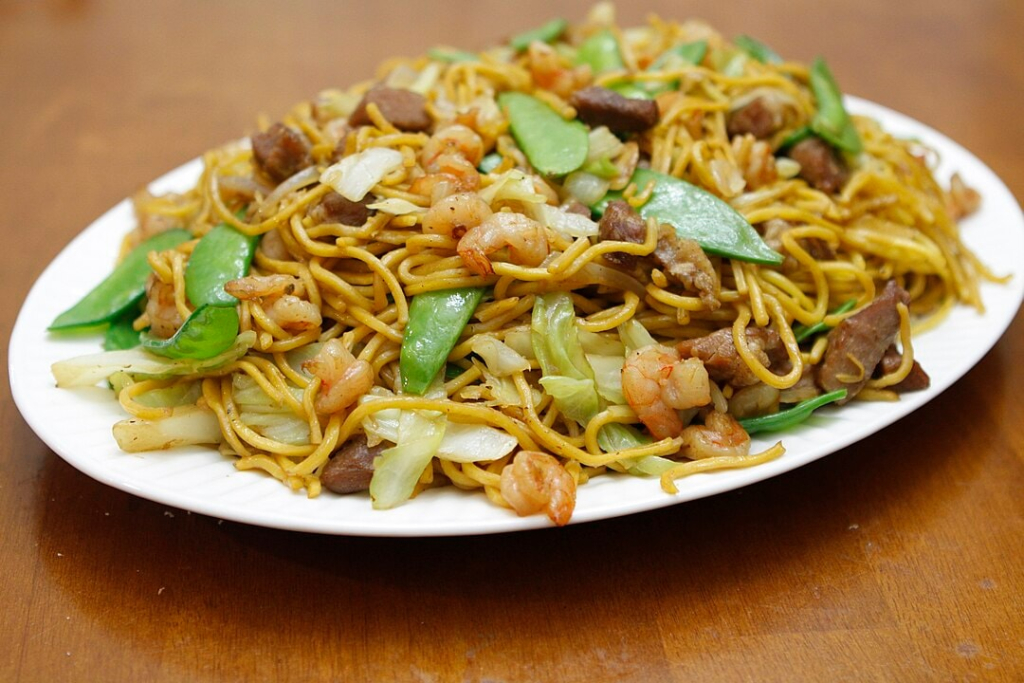
Image source: https://en.wikipedia.org/wiki/Pancit#/media/File:Pancit_Ilonggo_Style_-_12110747826.jpg
4. Opening Doors and Windows at Midnight to Welcome Positive Energy
Opening doors and windows during the coming year is a symbolic gesture done by many Filipino families. As the clock strikes midnight, people open doors and windows to welcome positive energy and let go of bad spirits lingering from the previous year. Filipinos celebrate this tradition, believing that fresh air ushers in a fresh start. Other than avoid spending money recklessly, the practice aligns with the idea of clearing pathways for opportunities and better financial management. Residents of Camella Savannah can follow this tradition, allowing fresh wind to circulate through the house to encourage a sense of renewal and good energy for the new year.
5. Jumping at Midnight on New Year’s Eve to Grow Taller
Children especially enjoy this tradition. When New Year’s Eve arrives, and family members start counting down, kids begin jumping as high as they can when the clock strikes midnight. The belief promises that those who jump will grow taller in the coming year. While there is no scientific basis, many Filipinos celebrate the moment simply because it brings joy and strengthens family bonds. It remains a playful highlight of the year’s eve celebrations, blending fun and superstition in a way only Filipino cultural beliefs can.
6. Making Noise to Scare Away Evil Spirits
Making noise is one of the strongest Filipino superstitions during the new year. Filipinos celebrate by blowing horns, sounding car horns, and banging pots and pans to scare away evil spirits. The noise is believed to push away evil spirits and bad luck that may follow the house into the coming year. Families use pots and pans, fireworks, and even homemade instruments to produce loud sounds. Many Filipinos see this tradition as protection for the house, especially for the family members who want to start the year debt-free and free from misfortune. This year’s celebration often becomes a joyful mix of laughter, shouting, and energetic noise-making meant to drive away bad spirits.

7. Keeping Rice and Water Containers Full to Ensure Abundance
Keeping rice containers and water containers full is a long-standing Filipino belief meant to symbolize prosperity. This practice signals that the family will not run out of resources. Full rice and water containers represent a stable financial state and abundant blessings for the new year. Filipinos believe that starting the year’s day with empty rice and water containers can attract bad luck or financial challenges. In communities where many Filipinos prepare early for the year’s celebration, the rice and water containers are checked carefully to ensure they are full before the new year’s day sunrise. It is a simple yet powerful tradition rooted in the desire for food security and stability.
8. Eating Sticky Rice to Strengthen Family Bonds
Filipino New Year traditions often include rice cakes like sweet rice cake and baked rice cake. Eating sticky rice or kakanin is believed to strengthen family bonds. The stickiness of sticky rice symbolizes unity and closeness among family members. Filipino families serve these rice cakes at media noche as part of the lavish midnight feast. The tradition encourages families to eat sticky rice to improve relationships, stay connected, and maintain harmony throughout the coming year. Sticky rice also represents blessings that stick around, making it a meaningful part of Filipino New Year gatherings.
9. Leaving Media Noche Leftovers Overnight to Invite Continuous Food and Good Fortune
While media noche is not a superstition on its own, certain beliefs surrounding it are. One of them is leaving media noche leftovers on the dining table overnight. Families believe that clearing the table immediately can sweep away good fortune. Keeping leftovers symbolizes prosperity and a consistent food supply for the coming year. This includes traditional Filipino dishes, rice cakes, and desserts used during the lavish midnight feast. Many Filipinos follow this tradition, hoping it strengthens their financial management in the coming year.
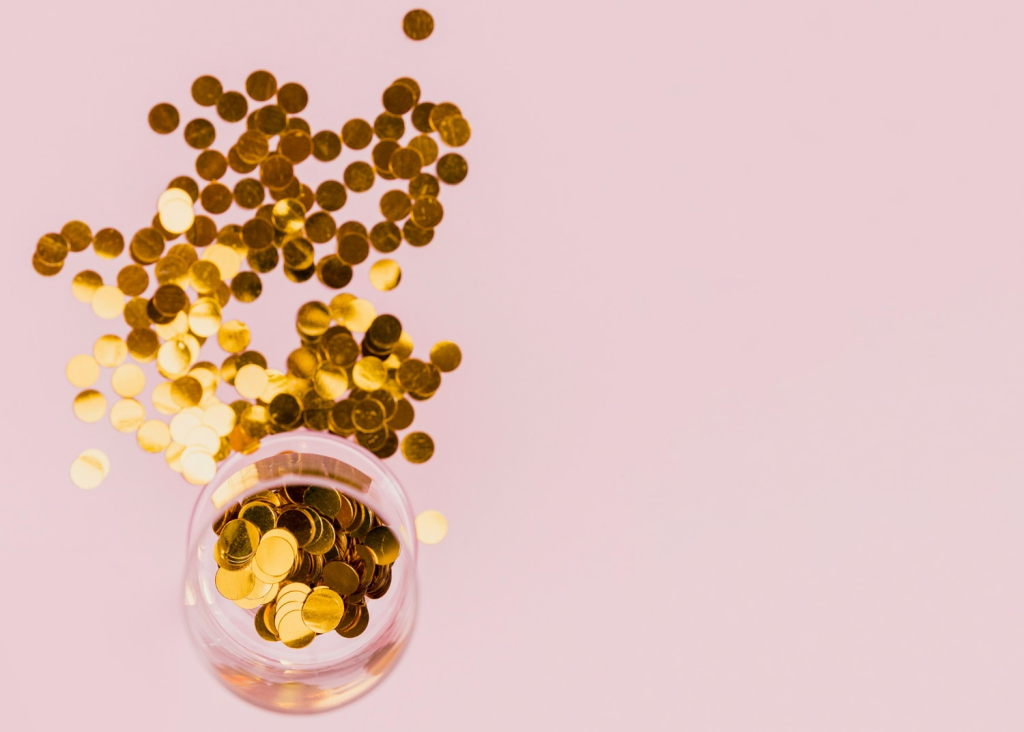
10. Scattering Coins Around the Home to Bring Luck in the New Year
Scattering coins around the house is a popular practice meant to bring luck. Filipino families scatter coins in living rooms, bedrooms, and even near rice containers to symbolize prosperity. The habit is tied to the belief that money will flow freely through the home. It is connected to larger Filipino traditions that revolve around financial stability and better financial management. Some families keep coins in their pockets during New Year’s Day to stay debt-free. Others toss a few coins into the air as a symbolic gesture of inviting blessings and wealth. The practice represents the desire to bring good luck throughout the Filipino New Year and the coming year.
Conclusion
Filipino New Year traditions thrive because they offer comfort, optimism, and shared meaning. These customs allow Filipino families to hold on to cultural beliefs that promise a bright future, good health, and financial stability. Whether it is making noise to scare away evil spirits, preparing round fruits to attract wealth, or eating sticky rice to strengthen family bonds, the spirit remains the same. Filipinos welcome the new year with hope, positivity, and a determination to build a prosperous life for themselves and the people they love.