




Iloilo is probably best known for the Dinagyang Festival, which enlivens the city’s streets every fourth Sunday of January with drum-led music, creative costumes, and food to feast on.
The festival is indeed an energetic celebration that draws many visitors from here and abroad, filling Calle Real, the festive walk mall, other shopping malls, the river parks, and the plazas. But for many travelers who seek more street festivals, what are the best things to do in Iloilo after Dinagyang?
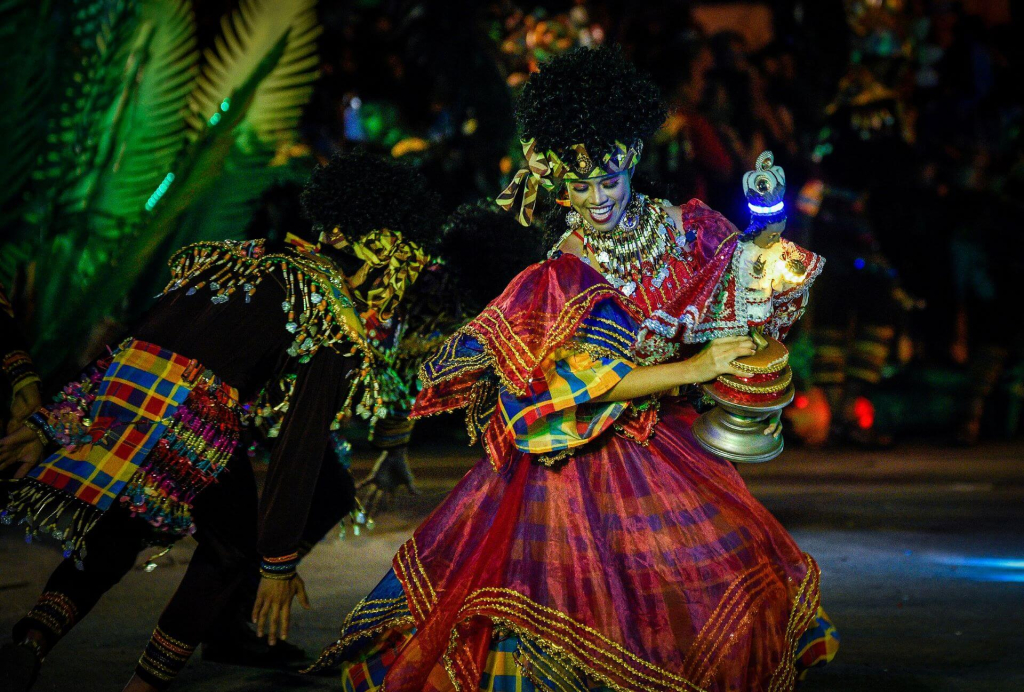
Image by EMMAN A. FORONDA, CC BY-SA 4.0
Thankfully, Iloilo is one of those places where the adventure doesn’t end when the festival confetti settles. It’s a land filled with historic architecture, iconic churches, stunning nearby islands, and rich flavors.
Below are the best places, dishes, stories, nearby destinations, and more travel inspiration that will make you come back to Iloilo long after the drums stop beating.
Top things to do in Iloilo after Dinagyang
Once the festival winds down, the city reveals a quieter charm waiting to be explored. It gives travelers a chance to experience Iloilo in a more relaxed and meaningful way.
Explore Iloilo City Proper’s heritage spaces
With the crowds gone, Iloilo City Proper, or what locals call the Downtown, becomes the perfect place to start discovering the history of the city and province as a whole.
1. Calle Real (JM Basa Street)
Calle Real, which serves as one of the main stages during Dinagyang, is one of the many heritage streets lined with century-old buildings. Officially JM Basa Street, this historic street has been dubbed Calle Real or “Royal Street” as it served as an important center of commerce during the colonial Spanish era.
More than a century later, Calle Real is now again vibrant with restored colonial buildings with small local shops that sell famed local delicacies and museums that tell stories of Iloilo’s early prosperity. These areas are ideal for relaxed walking, photography, or simply soaking in the city’s character after the festivities.
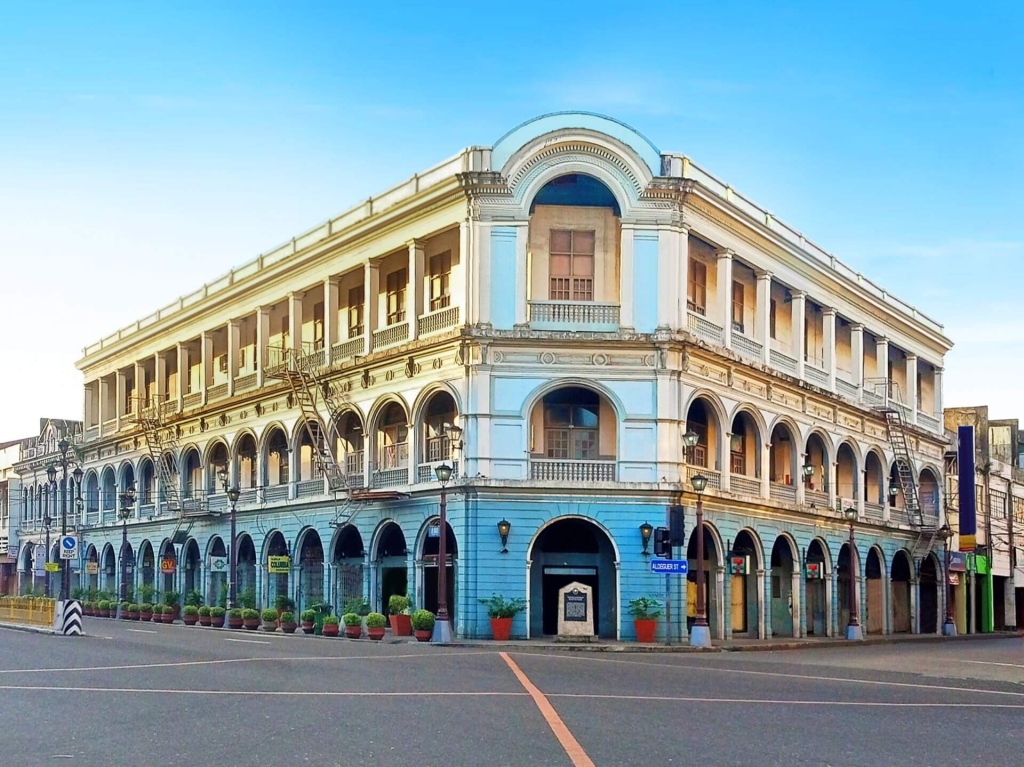
Image by Johngaje92, CC BY-SA 4.0
2. Iloilo Museum and contemporary art spaces
If you want a proper deep dive into Iloilo’s history, spend time at the Museo Iloilo. Aside from carrying the province’s history, the structure also made history of its own when it was built in 1971 as the first government-funded museum outside of Metro Manila.
Aside from Museo Iloilo, the city also hosts a list of other museums that showcase the local history, lifestyle, and creative beats. These include:
- Museum of Philippine Maritime History along the Iloilo River Wharf
- Museum of Philippine Economic History in Calle Real
- Iloilo Museum of Contemporary Art (ILOMOCA) in Iloilo Business Park, Mandurriao
These spaces are home to local narratives and cultural pieces that reflect the evolution, not only of Iloilo, but of the entire Western Visayas.
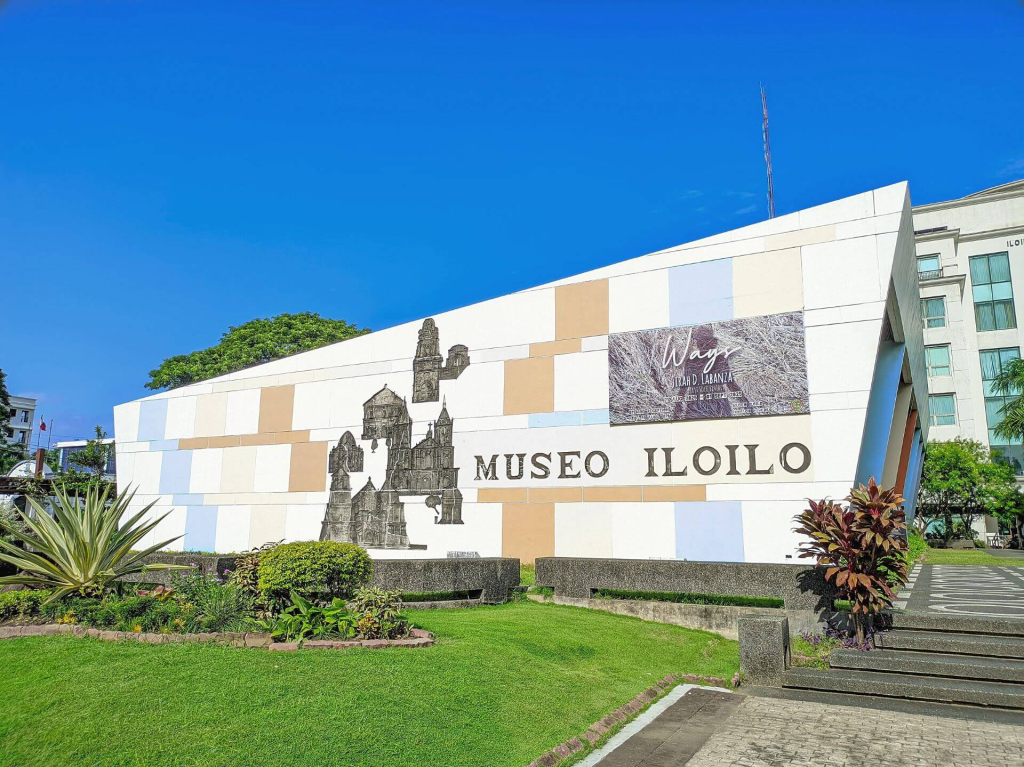
Image by Johngaje92, CC0
3. Molo Mansion and the feminist church (Molo Church)
Just a short trip from the city proper is Molo Mansion, a restored heritage house turned lifestyle destination. With dining shops inside and around the area, Molo Mansion is the perfect place for slow afternoons and a bowl of steaming molo soup or a cup of coffee.
Overlooking the mansion and right across the street is the iconic St. Anne Parish, commonly known as Molo Church, often called the feminist church because of its all-female saints along the aisle. Both landmarks have recently become the best examples of how the locals make an effort to preserve Iloilo’s old charm while also welcoming new experiences.
Discover Iloilo’s beloved churches and landmarks
Iloilo’s devotion and craftsmanship are reflected in its churches, many of which are recognized nationally for their architectural and cultural value. After the festival, these sites are the most ideal spots for reflection.
1. Jaro Cathedral
As one of Iloilo’s most important religious landmarks, Jaro Cathedral draws visitors for its grand facade, standalone belfry, and deep historical significance. Built in the late 1800s, it has witnessed major moments in Iloilo’s past, including earthquakes, restorations, and the growth of Catholic devotion in the region. It’s a beautiful spot, whether you’re exploring the area or attending mass.
2. Miagao Church
Traveling to the south brings you to Miagao Church, a UNESCO World Heritage Site known for its intricate facade and warm coral stone exterior. Built in 1787, the church is a stunning example of Baroque architecture fused with local influences. Its carved reliefs depicting saints, palm trees, and native life are unlike anything else in the Philippines.
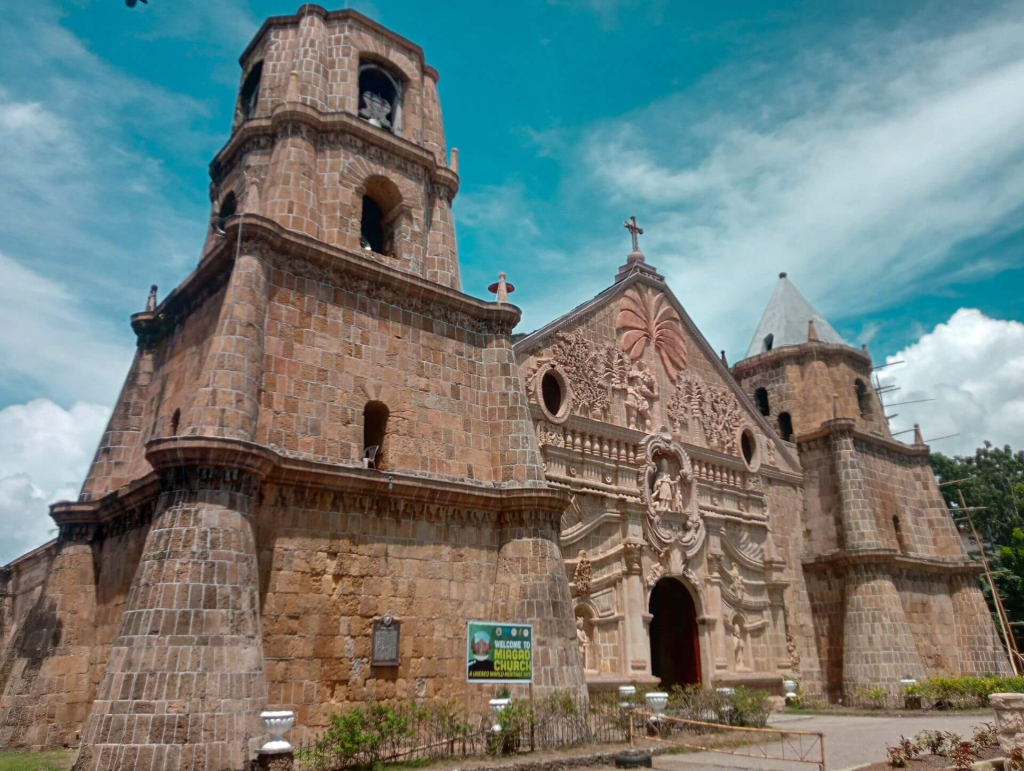
Image by Ralff Nestor Nacor, CC BY-SA 4.0
3. San Joaquin Church and nearby towns
For a more off-the-beaten-path trip, San Joaquin offers a peaceful escape with its stunning church and scenic surroundings. Along the way, you’ll also see other magnificent churches that many nearby towns have to give you a richer understanding of the province beyond the city center.
Taste Ilonggo Cuisine and local delicacies
You can’t fully visit Iloilo without indulging in its bold flavors and comforting dishes. Ilonggo cooking is soulful and rooted in tradition, which is the perfect meal after days of festival food.
1. La Paz Batchoy and the La Paz Market Experience
Head to La Paz to try the original La Paz batchoy, known for its savory broth, noodles, and rich toppings. The best way to enjoy it is inside the lively La Paz Market, where local life unfolds around steaming bowls and friendly vendors.
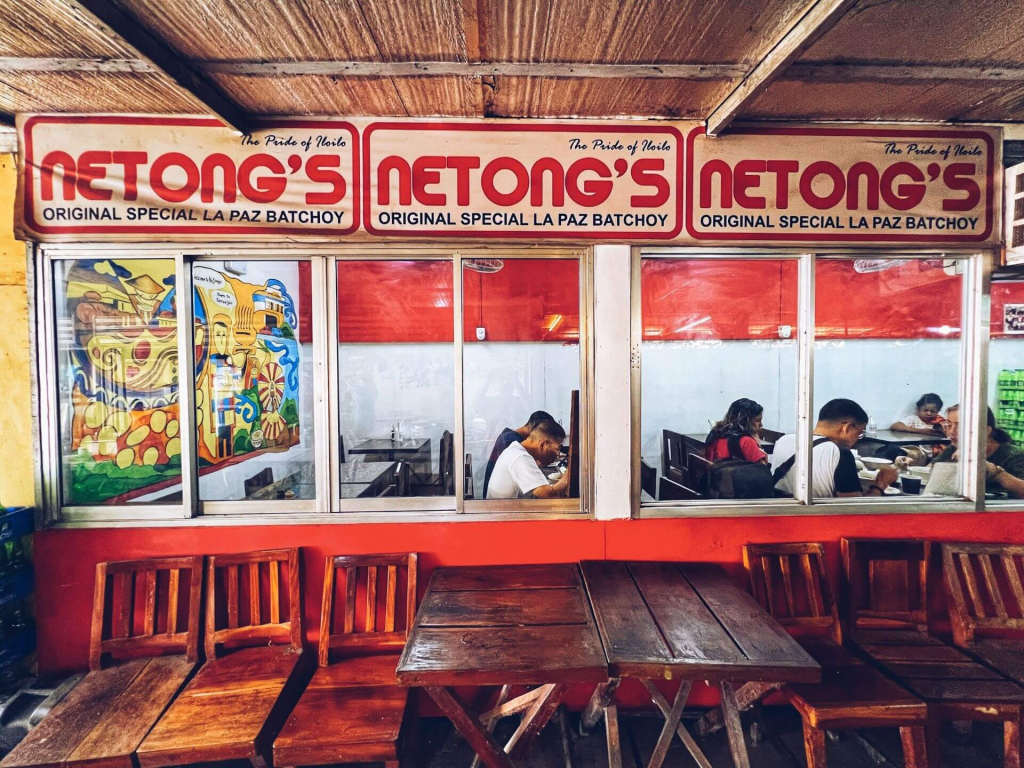
Image from The Tourist Gaze
2. Pancit Molo
Another must-try is pancit molo, a hearty soup made with hand-rolled dumplings. It’s a beautiful example of Ilonggo cuisine, loved by both locals and travelers.
3. Roberto’s Siopao and the famous Biscocho Haus
Ilonggos will tell you that no trip is complete without stopping by Roberto’s Siopao, a true household name. Each siopao is massive, flavorful, and worth the line. For pasalubong, drop by the Famous Biscocho Haus for buttery biscocho and sweet butterscotch treats. These Ilonggo delicacies also make perfect gifts to bring home after your trip.
There is also the chicken inasal, Ilonggo’s version of the lechon manok, and other must-try local delicacies. If you missed the Dinagyang food festival during the event, don’t worry. Iloilo’s local cuisine scene is lively year-round, offering more than enough flavors to explore.
Enjoy Iloilo’s waterfronts, sunset spots, and urban hubs
Iloilo blends heritage and modern comfort beautifully. After exploring its historical areas, enjoy its dynamic city life and refreshing outdoor spaces.
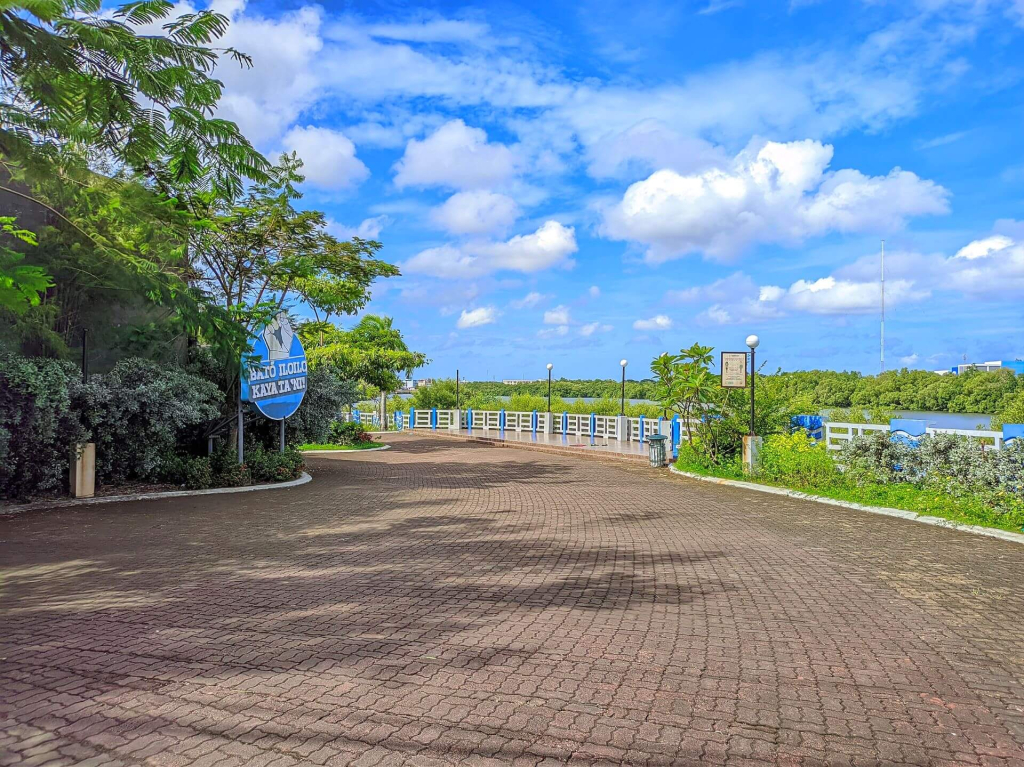
1. Iloilo River Esplanade
The picturesque Iloilo River is best experienced through its landscaped esplanade, one of the longest riverfront promenades in the Philippines. It’s perfect for light jogging, slow afternoon strolls, or simply watching the sunset over calm waters.
2. Sunset Boulevard
If you prefer a spot with a bit more movement, Sunset Boulevard is the city’s newest promenade that offers enough space for biking, jogging, or casual strolls by the water. As the sky changes colors, the boulevard becomes a beautiful backdrop for photos, quiet conversations, and end-of-day reflections.
3. Smallville Complex
If you’re looking for nightlife after the festival rush, the Smallville Complex is the place to be. Located along Diversion Road, this hub is filled with bars and dining spots ideal for casual hangouts.
Venture to nearby islands and day trips
Iloilo is a gateway to many stunning escapes, making it easy to shift from city exploration to scenic adventures.
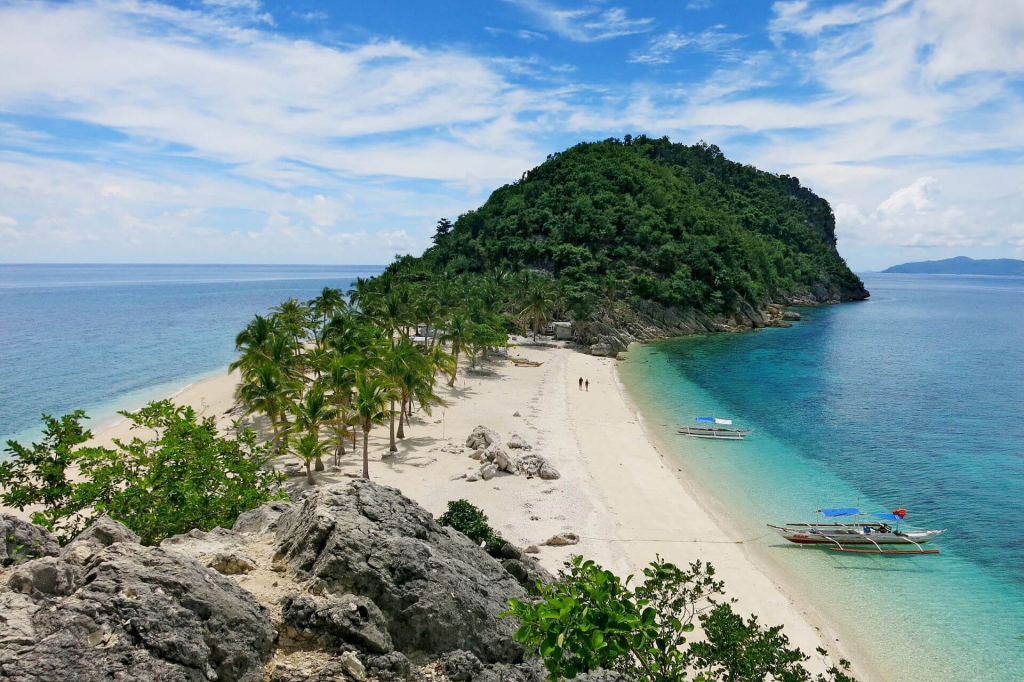
Image from Adventure In You
1. Guimaras
Just a quick boat ride away, Guimaras offers pristine beaches, island tours, and the famous mango farms. It’s one of the easiest nearby destinations for a relaxing day trip.
2. Bantigue Sandbar and Gigantes Islands
For something more dramatic, head toward Bantigue Sandbar and the Gigantes Islands, which are both known for crystal waters, rock formations, and pristine sandy shores. These nearby islands offer picture-perfect views that rival popular destinations like Boracay.
3. Garin Farm
Located in the south, Garin Farm blends farm life, leisure, and scenic viewpoints. It’s a unique stop for travelers who enjoy a mix of nature and quiet reflection.
Practical tips for exploring Iloilo after the festival
A little preparation goes a long way when extending your Iloilo trip beyond the celebration.
- Transportation: Getting around the city is convenient thanks to jeepneys, taxis, and ride-hailing apps. Book accommodations early if you plan to stay during and after the festival period.
- What to wear: Iloilo has a warm tropical climate, so wearing breathable clothes makes your days more comfortable, especially if you’re planning to join the festivities or explore outdoor tourist spots.
- Local customs: Ilonggos are known for their warmth, hospitality, and deep appreciation for culture. When visiting a church, cathedral, or heritage street, staying respectful helps preserve what makes these places special.
If you find yourself enchanted by Panay Island and the Visayas Region in general, consider exploring nearby provinces like the nearby Bacolod and even Cebu.
A city best enjoyed slowly
The more time you spend in Iloilo, the more you realize that its magic lies in moving through it slowly, just as many locals do. Tourists often say that the city shines brightest when you take your time to savor its dishes, explore its districts, and listen to the stories that shaped it. At its heart, Iloilo is dedicated to creating a quality of life rooted in heritage, mindful living, and a future that stays true to its character.
If you’re exploring long-term possibilities in the city, Camella’s community in Iloilo offers spaces designed for families who value culture, connection, and a well-rounded quality of life.