




As the Philippine economy shows dim prospects for many of our kababayans, more and more Filipinos are looking abroad for greener pastures. For many overseas Filipino workers (OFWs), life abroad is filled with hopes of providing a better future for loved ones back home. Yet behind every success story lies an often overlooked reality of long working hours, physical distance from their family back home, and the weight of daily responsibilities.
These experiences can take a toll on a person’s mental health, especially when many OFWs push through challenges without acknowledging their emotional needs. Acknowledging these struggles and learning how to cope can make a significant difference in an OFW’s mental well-being and emotional health.

Photo by Jeriden Villegas
The OFW mental health realities
Living and working overseas comes with opportunities, but it also entails a shift in environment and expectations, especially for new OFWs. It’s a sudden change that often brings emotional and psychological challenges.
In 2022, a study by Dr. Veronica Ramirez, an Associate Professor of the University of Asia and the Pacific, found that anxiety and depression were prevalent among Filipina migrant workers. Despite this, many Filipinos are still reluctant to seek professional help and prefer support from family and friends.
Recognizing these realities help OFWs and their families understand that what they feel is valid and in fact shared by many Filipinos abroad.
Common stressors and emotional shifts
Many overseas Filipino workers experience physically demanding work, long working hours, and significant cultural adjustment. They’re adapting to a new language, new routines, and an unfamiliar work environment that often exacerbates or leads to mental health issues ranging from anxiety to mood swings.
Culture shock is another frequent hurdle for Filipino migrant workers. The sudden change in norms, communication styles, and expectations can trigger emotional stress that make day-to-day responsibilities heavier than usual.
Over time, these overwhelming adjustments can also lead to a deeper kind of fatigue: losing hope.
Why many OFWs feel isolated
Beyond the job itself, the emotional load of being far away from loved ones affects many OFWs. Even with social media, the physical distance makes it harder to stay connected, and limited support systems in their host country can make OFWs feel isolated.
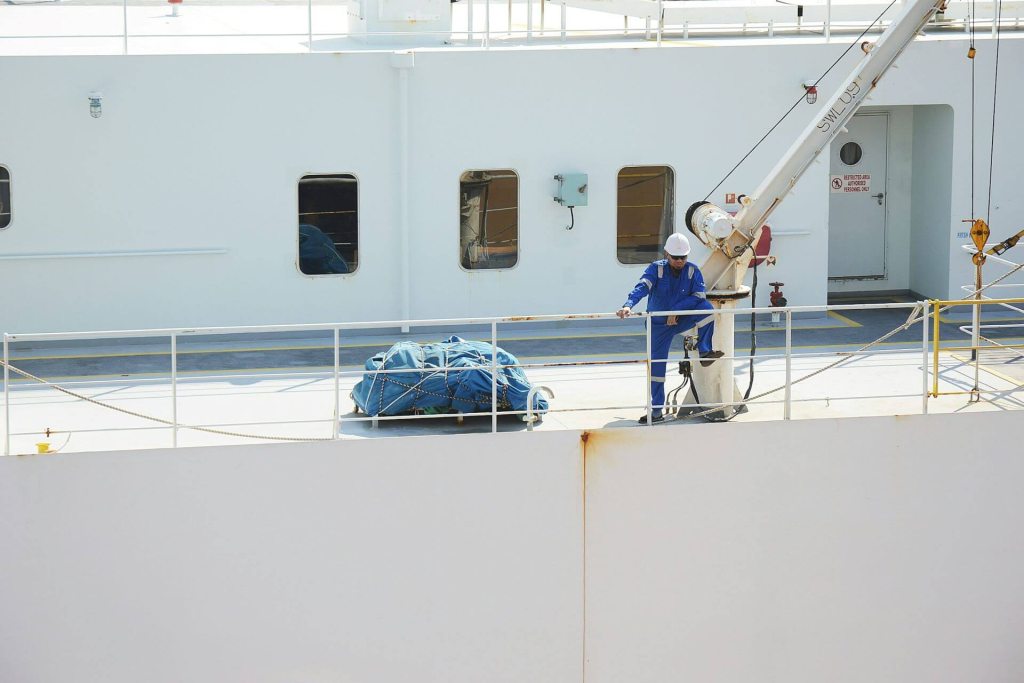
Photo by Eini Trujillo
Recognizing early signs of mental health struggles
Awareness is the first step. When OFWs learn to identify early signs of mental health problems, they protect themselves from prolonged exposure to stress and more severe emotional difficulties.
Emotional and behavioral warning signs
The changes often start subtly: sleep disturbances, feeling tired even with enough sleep, irritability, or withdrawing from supportive people. Some OFWs report losing interest in hobbies, avoiding conversations with fellow Filipinos, or feeling easily overwhelmed by minor setbacks.
These shifts often appear when professional or personal life becomes too demanding, especially for those without strong emotional support.
When it becomes more serious
According to various health research and journals, burnout can develop when long working hours and pressure build up. The result may be intense sadness, hopelessness, or even suicidal thoughts. When feelings become consuming, it is important to seek professional help early rather than wait for things to worsen.
Practical mental health self-care tips for OFWs
Small, consistent actions can help reduce stress, strengthen emotional health, and build routine comfort while working abroad. These are some mental health self-care tips for OFWs that offer realistic ways to support mental well-being, even in demanding environments.
Build a healthier daily routine
- Exercising regularly, even simple stretches or walks
- Practicing breathing exercises that help calm the mind
- Getting enough sleep and rest, especially after physically demanding tasks
These habits help stabilize emotions and improve overall well-being.

Photo by Go sporlab
Stay connected despite the distance
Regular video calls with family can provide emotional grounding, especially during tough days. Even short check-ins can remind OFWs that they are not alone.
Joining support groups or connecting with fellow Filipinos in the host country allows them to share experiences and gain emotional strength from people who understand the same struggles.
Set healthy boundaries to avoid burnout
Setting boundaries at work and in personal life protects energy. Healthy boundaries allow OFWs to say no when necessary, rest when needed, and maintain balance. This prevents emotional exhaustion and helps avoid burnout in the long run.
Where OFWs can access mental health support
Mental health support for migrant workers has become more accessible, thanks to organizations that recognize the emotional challenges Filipino workers face in many countries.
Professional and counseling options
OFWs today can access online counseling, which provides emotional support no matter where they are. Counseling services allow OFWs to talk openly with a mental health partner who can guide them through their emotions.
Before seeking help, a simple mental health check can help OFWs understand what they’re feeling and determine the type of support they need.
Accessible mental health services for OFWs
Several organizations now provide accessible mental health services to support overseas Filipino workers facing emotional or psychological challenges.
The Department of Migrant Workers (DMW) leads these efforts through dedicated hotlines staffed by trained counselors who offer immediate assistance to distressed OFWs.
This initiative strengthens ongoing mental health advocacy efforts and ensures that migrant workers have reliable options for psychosocial support wherever they are in the world.
There are national center and government agencies whose primary initiative aims to provide dedicated services and hotlines to support the mental health of the Overseas Filipino Workers: The Philippine Council for Mental Health (PCHM), Department of Migrant Workers (DMW), OWWA, and the Telemental Health Programs of the Department of Science and Technology – Philippine Council for Health Research and Development (DOST-PCHRD).
For urgent help, OFWs can reach the DMW’s 24/7 mental health support hotline at 8-722-1144 or 8-722-1155. These round-the-clock services create a dependable lifeline for OFWs, providing someone to talk to during difficult moments and helping them navigate complex emotional situations with professional guidance.

Photo by Christina @ wocintechchat.com
Strengthening emotional support through Filipino communities
A strong support network often makes a significant difference in how migrant workers cope with life abroad. Filipino communities provide comfort, understanding, and familiarity that can ease the emotional weight of working overseas.
Finding support in local Filipino communities
Filipino communities abroad—whether in churches, social groups, or small gatherings—offer spaces where overseas Filipino workers can share stories, celebrate traditions, and receive emotional support. These simple interactions help filipino workers feel less alone in a foreign environment.
Leaning on support systems
Supportive people, whether family, friends, or fellow Filipinos, remind OFWs that they have someone to rely on. These support systems play a powerful role in helping many OFWs adjust to new routines, navigate their work environment, and continue working abroad with emotional strength.

Photo by Erika Giraud
Strength comes from awareness and support
OFWs may be modern-day heroes, but even heroes need rest, emotional support, and understanding. Acknowledging mental health challenges and seeking support is not a sign of weakness, but a step toward protecting well-being. With the right tools, family support, and community, OFWs can better cultivate a more resilient life abroad.