



As April approaches each year, the Philippines observes a day that carries both weight and meaning. Beyond being a date on the list of holidays, it is a moment that draws attention to a difficult chapter in the nation’s past. The story of why we celebrate Araw ng Kagitingan begins with remembering the events of World War II, when Filipino and American forces, fighting for freedom, faced overwhelming odds on the Bataan Peninsula.
Also known as Bataan Day among locals, or the Day of Valor, Araw ng Kagitingan brings together history, memory, and a shared sense of responsibility to remember those who endured and gave their lives.
Araw ng Kagitingan as a remembrance of Philippine history
The background of this national observance traces its roots to the events of April 9, 1942, when the combined Filipino and American soldiers of the Luzon Force surrendered to advancing Japanese forces. The fall of Bataan marked a turning point in the war, not only for the Philippines but for the broader conflict in the Pacific under the expansion of Japan.
At the time, thousands of soldiers, many of them Filipino, had already spent months defending their positions despite limited supplies and growing exhaustion. They fought through harsh conditions, with dwindling food and ammunition, until resistance was no longer sustainable. The battle in Bataan became one of the most defining moments in Philippine history, showing both how far people could endure and how strongly they held on to their duty.
Today, Araw ng Kagitingan stands as a reminder of that moment. It is not only about the fall but also about the courage shown before it, during the long days leading to the dawn of surrender.
The Bataan Death March and its lasting impact
The surrender in Bataan did not mark the end of suffering. Instead, it led to one of the most tragic events of the war: the Bataan Death March.
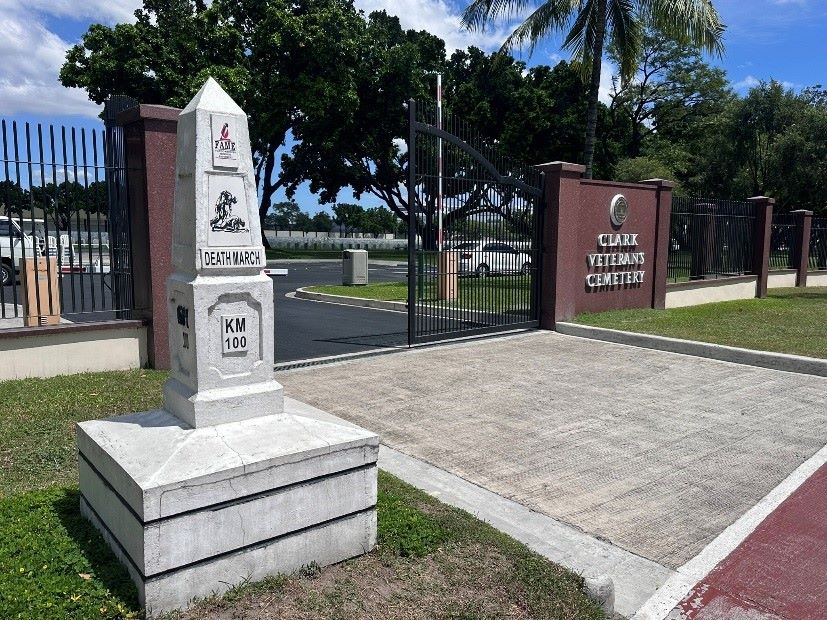
After being disarmed, tens of thousands of captured soldiers were forced to walk from Mariveles in Bataan to San Fernando, Pampanga. From there, they were transported to Camp O’Donnell, a prison camp in Tarlac. The journey, now widely known as the death march, stretched over 100 kilometers under extreme conditions.
The experience was marked by severe heat leading to heat prostration, lack of food and water, untreated wounds and illness, and acts of violence from Japanese troops.
Many of the prisoners collapsed along the way. Those who could not continue were often left behind, with many losing their lives. Historical accounts note that thousands died during this period, making it one of the most brutal episodes of the war in the Philippines.
The Bataan Death March remains central to understanding why we celebrate Araw ng Kagitingan. It highlights not only the scale of the tragedy but also the human capacity to endure under extreme hardship. The stories of those who survived, as well as those who did not, continue to leave a mark in the country’s collective memory.
Honoring courage and heroism
While the events of Bataan were marked by loss, they are also remembered for acts of heroism, valor, and courage.
Many soldiers showed remarkable strength even after being taken as captives. Some attempted to escape, while others helped fellow prisoners survive the long march and the difficult conditions in camps. These actions, though often undocumented in detail, form part of the broader narrative of resilience during the war.
The role of Filipino war veterans remains central to this remembrance. Their experiences, shared over generations, have helped preserve the meaning of Araw ng Kagitingan beyond textbooks. For many families, these stories are part of personal and community identity.
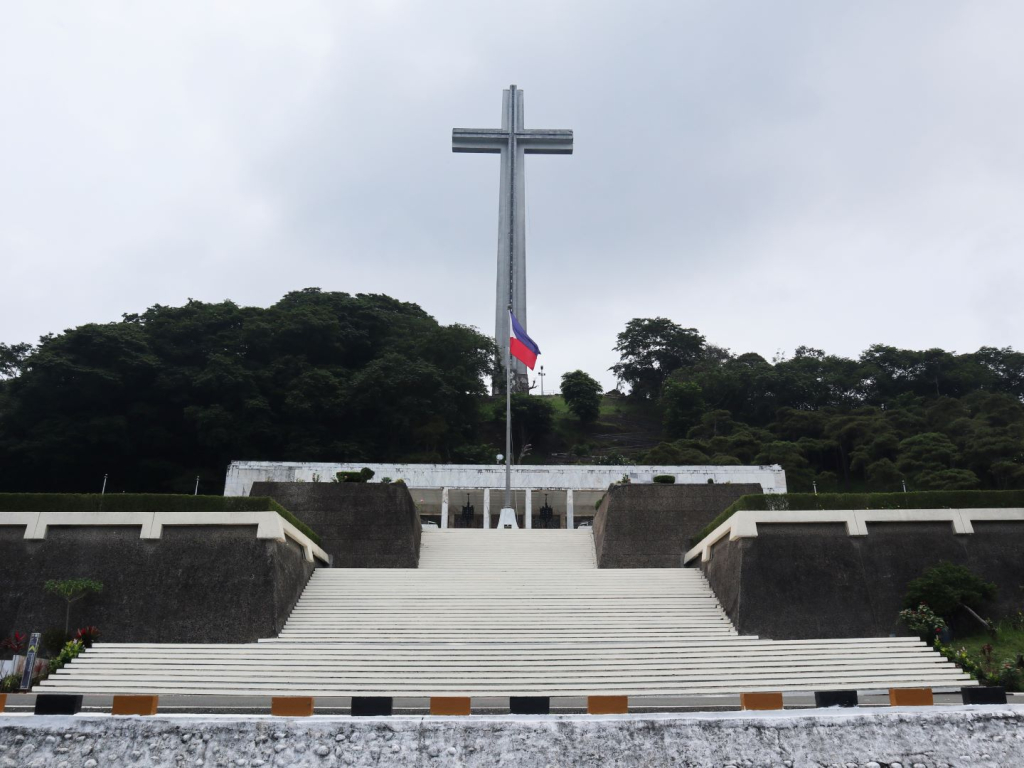
Key sites also serve as physical reminders of this legacy. The shrine at Mount Samat in Bataan stands as a place of reflection, while Corregidor, another strategic location during the battle, continues to hold historical significance despite its disintegrating buildings.
Why it remains a national observance today
Over time, Araw ng Kagitingan has been formally recognized as a public holiday or a regular holiday in the Philippines. Its observance is supported by legal frameworks such as Republic Act No. 3022, along with subsequent issuances like Executive Order No. 203, which helped define how the day is commemorated.
These laws, documented in the Official Gazette, ensure that the significance of the day is preserved across generations. The Philippine president typically leads national ceremonies, which gives this day more weight.
The observance is also linked to Philippine Veterans Week, which expands the focus to honor all Philippine veterans who served during times of conflict. In earlier years, the commemoration was sometimes moved to the second Sunday of April through an executive order, but it has since been restored to its historical date.
Related observances, such as Corregidor Day, further highlight the broader context of the war in the country. Together, these events form part of a larger effort to keep historical awareness alive.
How Filipinos commemorate Araw ng Kagitingan
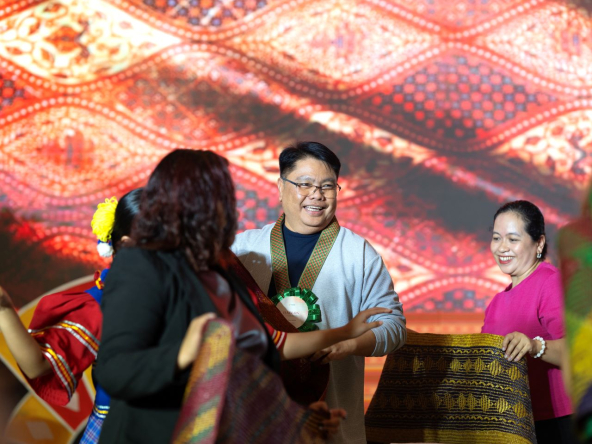
Across the Philippines, Araw ng Kagitingan is marked through both formal ceremonies and personal acts of remembrance. In provinces like Bataan and nearby areas such as Tarlac, commemorative events are held to honor those who fought and surrendered during the war. In Manila, government-led programs often take place, attended by officials, veterans, and the public.
Common ways Filipinos pay tribute include visiting memorials like Mount Samat, participating in local ceremonies and reenactments, and learning about the experiences of veterans.
These activities form part of the annual commemoration that allows communities to engage with history in meaningful ways. While some gatherings are organized and visible, others are more personal.
Even as time passes, the importance of remembering remains. The lives affected by the war, both lost and lived, continue to influence how Filipinos understand their past and present.
Keeping the memory of valor alive
While Araw ng Kagitingan exists in the context of military defeat, it is also a day that commemorates endurance, sacrifice, and the realities of war. From the fall of Bataan to the hardships of the Bataan Death March, the events of the Second World War remain an important story that reinforces our need to preserve our common history.
By observing this day each year, Filipinos acknowledge the courage of those who came before them. The stories of struggle and survival continue to offer perspective on the value of independence and the cost at which it was achieved. In remembering, the country ensures that these experiences remain part of its shared history.