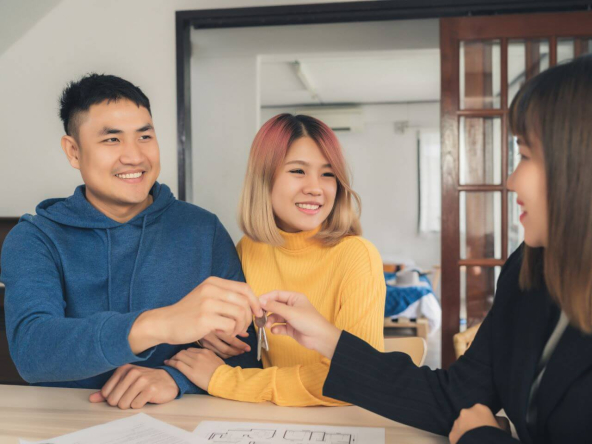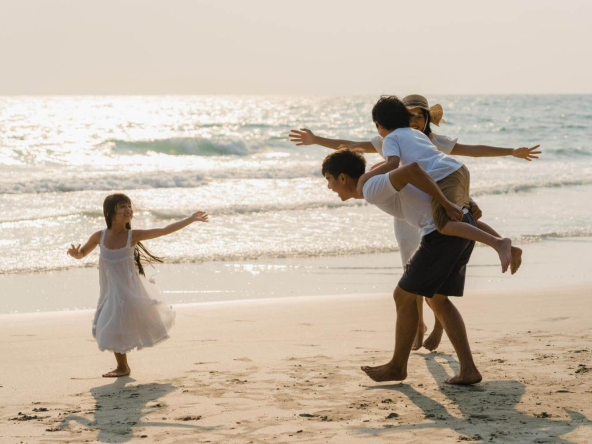




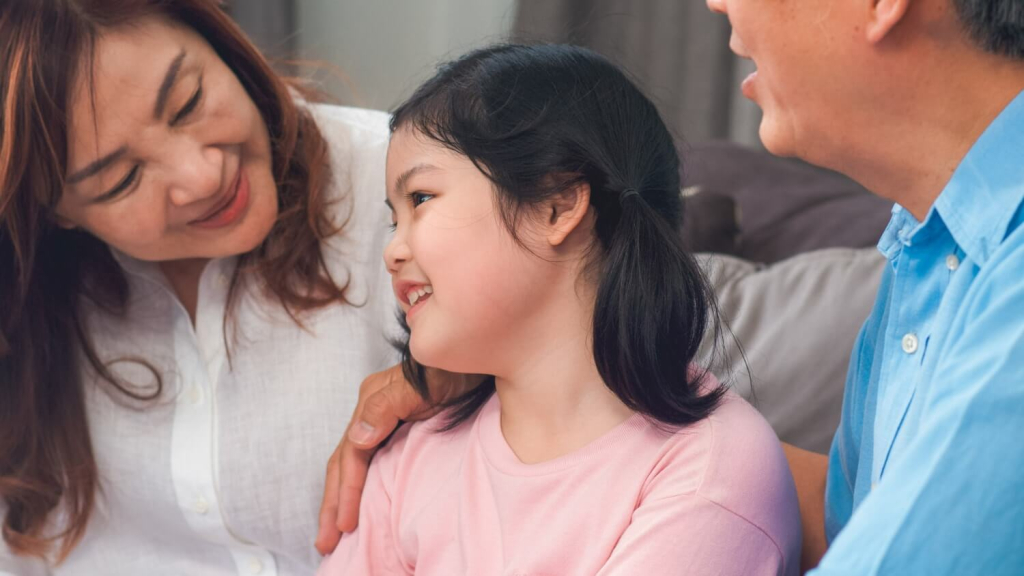
In the Philippines, family is at the heart of our culture. Filipino homes are where stories are shared, traditions are passed, and values are quietly but surely formed.
From childhood, Filipino kids grow up surrounded by parents, elders, siblings, and a wider community that helps raise them. This deep connection explains why many Filipinos remain close to their families well into adulthood. In this environment, parents play a powerful role, not just in raising kids, but in shaping the kind of person they become.
The values to teach Filipino kids are often simple, yet their importance lasts a lifetime and develops into solid Filipino values.
7 Values to Teach Filipino Kids
There are several things parents must teach their children. However, the most important ones are those they can carry with them into adulthood.
Below are essential life lessons every Filipino parent should instill in their children, rooted in tradition and culture, yet important to modern life.
1. Respect for Elders and Others
One of the most recognizable Filipino values is respect. Saying “po” and “opo,” offering a seat or chair, and practicing mano are small signs with deep meaning.
Letting children add the words “po” and “opo” is important when they communicate with anyone who may be older than them or whom they want to show respect to. However, parents should explain to their kids that respect goes beyond polite words. Respect is about how we treat people, especially elders.
Teaching children to listen when elders speak and to be mindful of their feelings builds empathy and courtesy. This lesson prepares kids for school, work, and every human interaction they will face in life.
2. Strong Sense of Family and Responsibility
Filipino families emphasize shared responsibility. Children are taught early to help with chores, look after siblings, or assist a working husband or parent.
These simple ways of helping teach kids that they are part of something bigger than themselves. This sense of duty helps children realize that love is shown through action. Parents who set an example by keeping commitments and supporting one another teach responsibility in the best way possible.
3. Gratitude and Humility
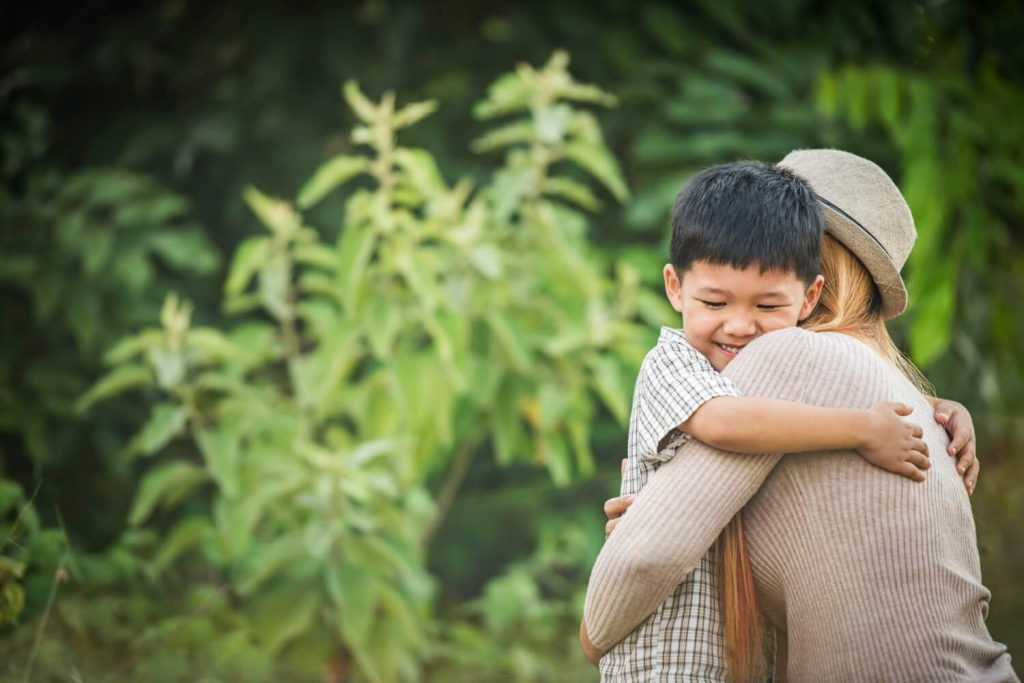
Being humble and thankful is deeply embedded in Filipino beliefs. Parents often remind children to say thank you, to appreciate even a small toy, and never forget where help came from.
Gratitude teaches kids to value effort, whether it’s paid work or a favor freely served. It also nurtures humility, helping children avoid pride and remain grounded.
A grateful child grows into a caring adult who never forgets and is proud of their roots and respectful of others.
4. Kindness and Empathy Toward Others
Teaching kindness means teaching children to be aware of how their actions can hurt or help others.
Filipino parents traditionally encourage kids to share food, help neighbors, and show concern during difficult situations. This empathy strengthens the community and reinforces the idea that we rise together when things get tough.
When children learn to be helpful, they develop emotional intelligence and the ability to make compassionate decisions.
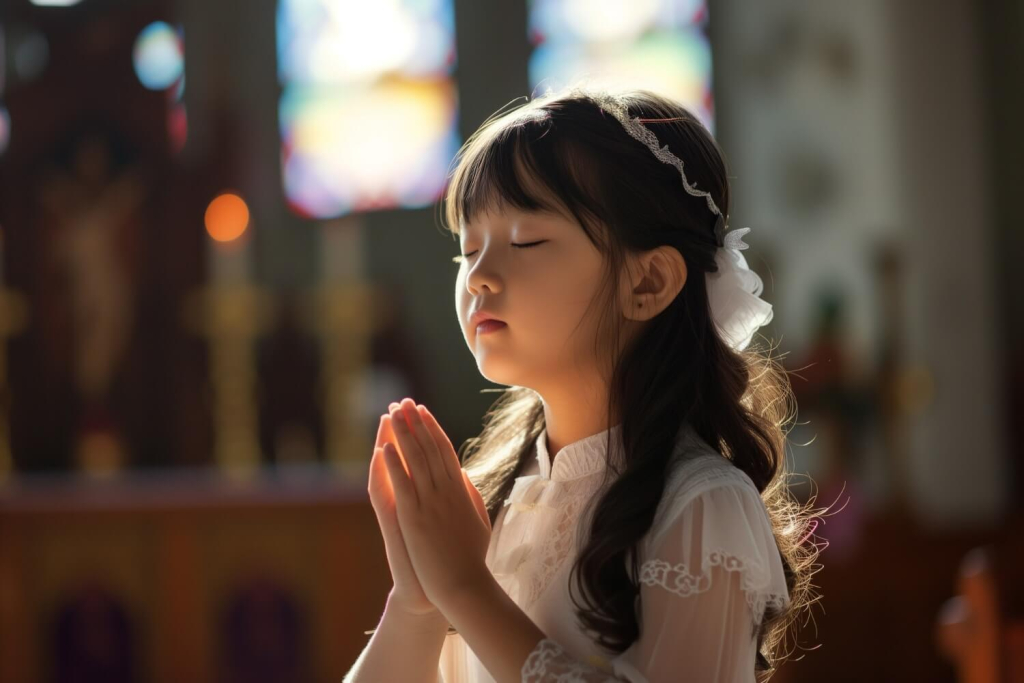
5. Faith, Hope, and Moral Grounding
For many Filipinos, faith in God provides moral direction and hope. Whether through prayer, attending church, or quiet reflection at home, parents introduce children to a belief system that guides their choices.
Faith helps children find meaning during bad times and remain hopeful. While beliefs may vary, teaching kids to hold onto faith, both spiritual or moral, gives them inner strength and a strong sense of purpose.
6. Value of Education and Hard Work
Filipino parents often view education as the key to a better future. They teach kids that learning does not only happen in school, but also at home and in real-life experiences.
Encouraging children to study, ask questions when asked, and keep trying even when things are difficult helps them grow. Hard work teaches perseverance and shows kids that success is something you fulfill through effort and good planning, not entitlement.
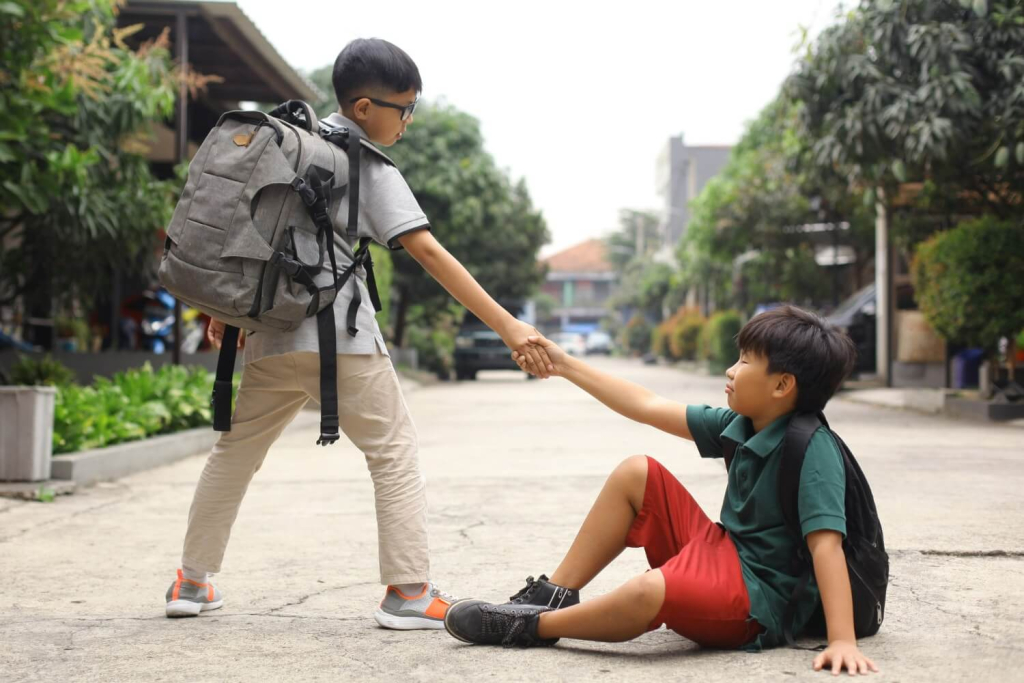
7. Generosity and Service to Others in the Community
Generosity is not always about money. Filipino parents teach kids to give time, attention, and care.
Whether sharing meals, offering help during fiestas, or volunteering, children learn that generosity has power. This lesson builds a strong connection to others and reinforces the idea that life is richer when shared.
Raising Kids in Camella Where Values Start at Home
Ultimately, these lessons are not taught through lectures but through daily examples, conversations, and choices. Parents who live out these values create an environment where children naturally learn.
In a rapidly changing world, holding on to these core Filipino values helps children stay grounded in the essence of who they are as Filipinos.
This is why having the right home matters. At Camella, communities are thoughtfully introduced to support family life, including safe neighborhoods, welcoming spaces, and environments where traditions can thrive.
A home is more than an advertisement or a structure; it is where values are written into everyday life. In Camella communities across the Philippines, families find spaces where love, respect, and responsibility can grow. Values, after all, begin at home and are best passed where families live, learn, and build their future together.