




Image source: Freepik
Introduction
Planning a family vacation in the Philippines today requires more intention than it did a few years ago. Fuel prices fluctuate, accommodation rates rise during peak months, and entrance fees at popular attractions continue to increase. For a big family, even small changes in cost multiply quickly. What could have been a simple weekend trip can turn into a major financial decision.
Road trips remain one of the most practical ways to manage travel costs while keeping everyone together. Unlike booking multiple domestic flights or paying for excess baggage on budget airlines, driving gives parents more control over spending. You decide where to stop, where to eat, and how long to stay. With the right approach, road trips make budget travel realistic for large households.
This guide offers practical travel budgeting tips for families who want to enjoy family travel without financial regret. Each tip is specific and actionable, grounded in how Filipino parents actually plan and spend money.
Tip #1: Set a Budget Early and Build a Travel Fund
Before choosing a destination, set budget limits. Many parents start planning based on where they want to go, then try to adjust expenses afterwards. Reverse that process. Decide how much money you can afford to spend without touching emergency savings. That number should guide every decision that follows.
Dedicated Travel Fund
Create a dedicated travel fund at least three to six months in advance. Even modest weekly savings accumulate. For example, setting aside a fixed amount every payday builds discipline and makes the eventual trip feel earned rather than rushed. This method also prevents dipping into household funds meant for tuition or utilities.
Set a Budget
When you set budget ceilings for fuel, accommodation, food, and attractions, you create boundaries that reduce stress. A family trip should not result in post-vacation anxiety. Teaching kids that travel requires preparation also builds financial awareness. They see that a vacation is not just about spending but about planning and saving.
A clear travel fund transforms a wish into something concrete. It shifts the mindset from “Can we afford this?” to “How do we make this work within our budget?”
Tip #2: Break Down Your Biggest Travel Expenses Before You Plan
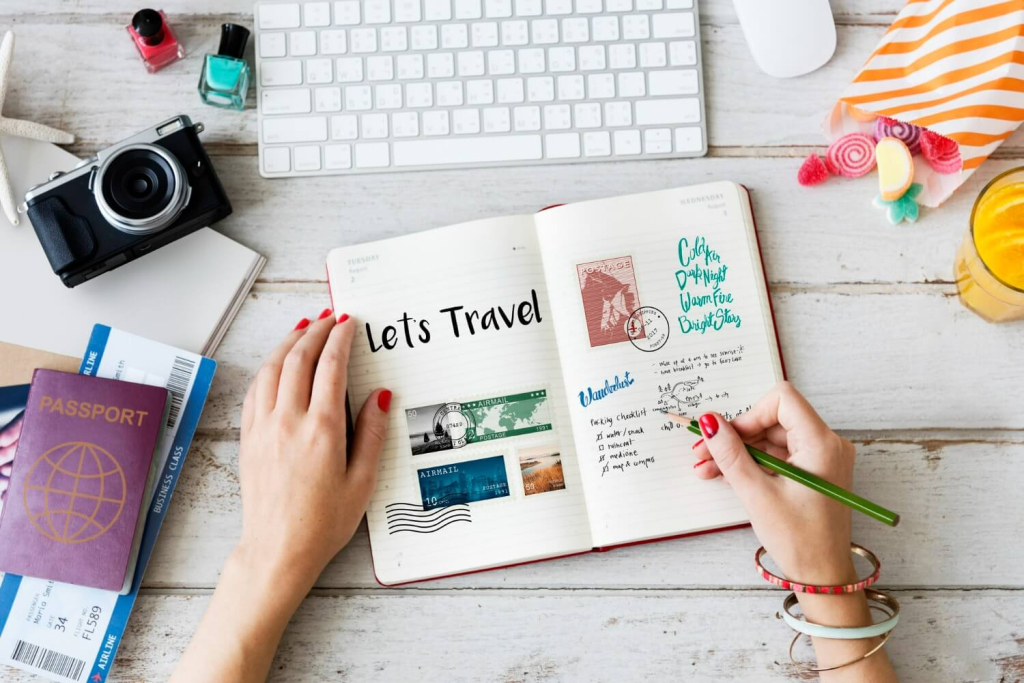
The biggest travel expenses for large families usually fall into five categories: fuel, toll fees, accommodation, food, and entrance fees. List these in advance and assign estimated amounts. This simple exercise prevents surprise expenses later.
Fuel
Fuel alone can change the total cost of a trip. Mapping your route and checking current pump prices gives a better sense of realistic spending. Add toll projections and parking fees. These smaller amounts add up over multiple days.
Accommodation & Food
Accommodation deserves careful analysis. One hotel room may not be enough for six or more people, which means booking two rooms or finding a larger space. Compare rates carefully. Sometimes, a slightly higher nightly rate in a more central location reduces transportation expenses.
Food is another major factor. Dining out three times a day for a big family quickly becomes the largest line item. Estimate daily meal costs honestly rather than optimistically. Know as much of the free stuff you can get.
When parents see the numbers clearly, they make better decisions. This breakdown gives structure to your plan and keeps the focus on manageable travel costs rather than emotional spending.
Tip #3: Road Trips Can Be Cheaper Than Budget Airlines
It is tempting to assume that budget airlines always offer the best prices. Seat sales appear attractive at first glance. But for large families, the math often tells a different story.
Consider this scenario. Five round-trip domestic flights, even at promo rates, quickly multiply. Add baggage fees if you cannot travel with carry-on only. Include airport transfers, terminal fees, and meals purchased inside airports. Suddenly, the “cheap” flight is not so cheap.
Driving Instead of Flying
Compare that to driving. Fuel, toll, and shared food expenses inside one vehicle can be a lot cheaper than booking flights for everyone. You also avoid additional cost charges for checked baggage and airport parking. In some cases, combining driving with limited public transportation options at your destination may still cost less overall than booking full domestic flights for the entire family.
Online Tools
Use tools like Google Flights to understand baseline airfare. Even for local trips, reviewing travel insurance options protects your savings, and if your family generally travel abroad, remember that foreign currency exchange rates can quietly increase overall travel costs.
If you choose not to fly, it provides context. When the total cost of budget airlines plus transfers exceeds your projected driving expenses, the road trip becomes the clear advantage.
This does not mean flights are never practical. For distant islands, domestic flights remain necessary. But for destinations within Luzon or Mindanao, road trips often deliver significant savings and flexibility.
Tip #4: Map Your Route to Cut Fuel and Toll Costs
A few minutes of research before departure can cut costs significantly over several days. Here are some tips on how to map out your route:
- Route planning is one tip many families overlook. The fastest route is not always the most economical. Study toll fees in advance and decide whether expressways genuinely save time relative to their cost.
- Avoid peak traffic periods, especially long weekends and holiday rush hours. Sitting in traffic burns fuel and increases frustration. Leaving earlier or later can reduce consumption and improve the experience.
- Cluster nearby attractions on the same day. Instead of driving back and forth across a province, organize your itinerary logically. This method supports slow travel, where you stay longer in one place rather than constantly relocating.
- Mapping your route also helps identify rest stops, grocery stores, and fuel stations. Planning these in advance reduces impulse spending at overpriced roadside stalls.
Tip #5: Prepare Own Meals and Bring Reusable Water Bottles
Food expenses escalate quickly during family travel. Preparing one’s own meals, even partially, changes everything. Here are strategiesthat allow parents to spend money intentionally rather than automatically:
- Pack sandwiches, cooked rice meals, fruits, and snacks for the first day. Bring a cooler to preserve freshness.
- Stopping at local supermarkets instead of dining out every time leads to noticeable savings. Breakfasts, especially, are easy to manage without restaurants. Instant coffee, bread, and fruit keep costs down.
- Bring reusable water bottles for every member of the family. Refilling water bottles at safe stations avoids repeated purchases of bottled drinks. Over three or four days, this small decision can save money and reduce waste.
- Limit restaurant dining to once per day. Choosing one proper meal outside while handling the rest independently balances comfort and control.
Tip #6: Eat at Local Restaurants Where Locals Eat
When you do dine out, choose local restaurants rather than establishments located directly inside major attractions. Observe where locals eat. These places usually offer better portions at reasonable prices.
Eating where locals eat exposes children to local culture. It becomes part of the educational experience. A meal in a neighborhood eatery often costs half of what you would pay inside a tourist complex. Ask residents for recommendations. Tricycle drivers and small shop owners know where affordable meals are served. This approach improves value without sacrificing quality.
Exploring food in this way deepens the connection to your destination. It makes the trip about discovery rather than convenience.

Tip #7: Choose Accommodation That Reduces Per-Person Hotel Room Cost
Accommodation choices influence the entire structure of your vacation. Booking two standard hotel room units may cost more than reserving a larger house or apartment. Always compute per-person cost rather than just nightly rates.
For example, families visiting Albay often choose to stay longer in one place instead of transferring between towns. Communities like Camella Legazpi provide a residential environment close to key attractions such as Mayon Volcano viewpoints. Staying near central roads reduces daily driving and supports slow travel within the province.
When evaluating accommodation, consider parking availability, proximity to attractions, and access to grocery stores. Bringing enough cash for smaller establishments in provincial areas also helps control spending and avoid unexpected payment issues.
Tip #8: Slow Down and Stay Longer in One Destination
Constant movement increases expenses. Each relocation means new parking fees, possible entrance fees, and higher fuel consumption. Slow travel encourages families to explore deeply rather than rushing between different destinations.
Staying three nights in one town often proves cheaper than spending one night each in three towns. You minimize packing stress and reduce unnecessary mileage.
This travel style creates space for rest. It also gives families time to discover free activities such as public parks, heritage churches, and community events that add depth to the experience without adding to expenses. Kids appreciate unstructured time. Parents avoid burnout. The experience becomes more meaningful.
Globally, travelers who generally travel on a budget practice slow travel to cut costs. Whether exploring parts of the Philippines or even countries such as Central America, the principle remains consistent: fewer transfers mean lower expenses.
Tip #9: Travel During the Off-Season, Not Peak Long Weekends
Traveling during the off-season reduces accommodation rates dramatically. Summer months and long weekends drive demand and inflate prices. Choosing school breaks carefully or scheduling trips slightly before or after peak periods leads to better deals.
Hotels often offer discounted rates outside high-demand periods. Attractions are less crowded, which improves the experience for kids. Lower demand also means more affordable options in general. When you travel on a budget during quieter months, you gain flexibility and sometimes even complimentary perks.

Tip #10: Review Every Expense Before Your Next Trip
After returning home, review all expenses honestly. Identify where you overspent. Was it food? Was it unplanned attraction visits? Did you underestimate fuel?
Treat each trip as a lesson learned. This reflection builds a better sense of control for your next trip. It transforms mistakes into knowledge.
Parents can involve children in the discussion. Show them how planning ahead improves savings. Explain where impulse decisions increase cost. These conversations shape responsible spending habits.
With every review, you refine your approach. Over time, you create a system that allows your family to explore more frequently without financial strain.
Conclusion
Big families do not have to sacrifice travel simply because expenses multiply. With structure, discipline, and thoughtful planning, road trips remain one of the most affordable ways to explore the country.
Smart budgeting allows parents to afford meaningful experiences without guilt. It teaches kids that travel is something you create through preparation, not impulse. Each carefully planned vacation becomes part of a larger financial journey rooted in responsibility and intention.
Travel does not require excess. It requires clarity. When families commit to thoughtful spending, they gain the freedom to explore more of the world, one well-planned road trip at a time.