





Image source: Freepik
Introduction
Every year in March, families around the world pause for a simple yet meaningful event. During Earth Hour, communities switch off their lights for one hour on a designated Saturday evening at a specific local time. This year, Earth Hour will be held on the last Saturday of the month, on March 28, 2026, from 8:30 p.m. to 9:30 p.m. local time. What started as a small environmental action has grown into a global annual event that reminds people of the shared responsibility to care for the planet.
The first Earth Hour began in Australia in 2007, organized by the World Wildlife Fund, also known as the World Wide Fund or World Wide Fund for Nature. The Sydney Opera House went dark, drawing attention to the urgency of climate change and other environmental issues. Since then, millions of people have joined each year’s Earth Hour, with famous landmarks such as the Eiffel Tower dimming their lights to raise awareness.
For families with kids, this moment carries deeper importance. It offers an opportunity to talk about the Earth, the environment, and the future of planet Earth. Through simple conversations and meaningful traditions, Earth Hour makes environmental responsibility easier for children to understand.
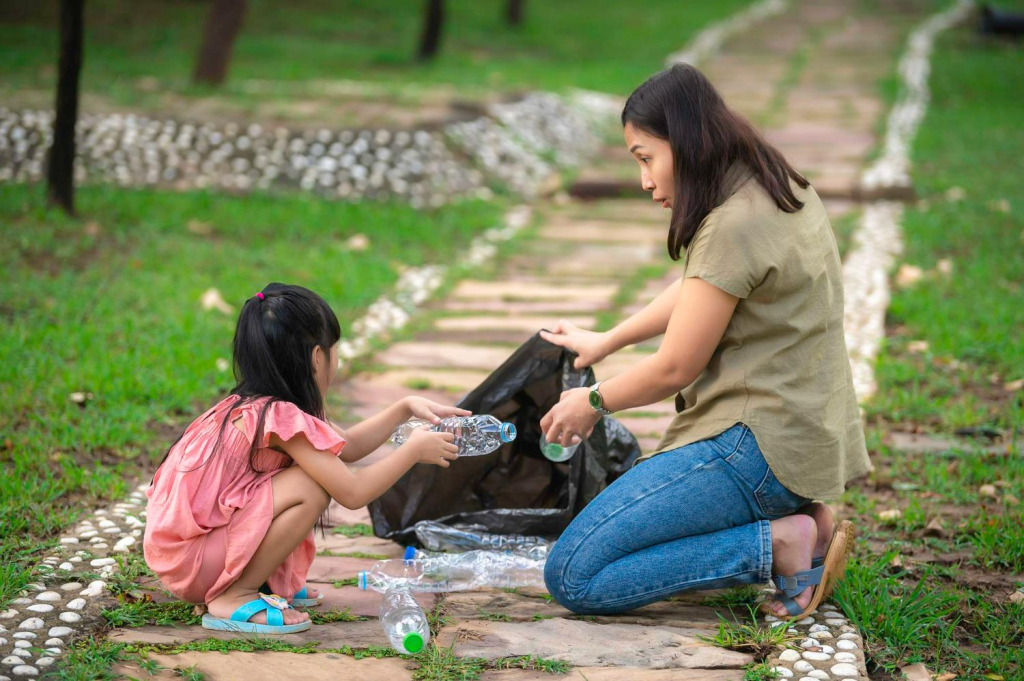
Teaching Kids About Earth Hour Builds Early Environmental Awareness
One of the most meaningful ways parents can shape environmental values is by teaching kids about Earth Hour. The concept is easy to understand: people around the world turn off non-essential lights for one hour to show they care about the planet.
This small action becomes a powerful lesson for kids. When children see the house grow dark, they start asking questions about energy, electricity, and how daily habits affect nature. Parents can explain how conserving resources helps protect planet Earth and reduces the impact of climate change.
Many teachers also introduce the topic in school. A science class may discuss the role of energy conservation, while students explore how communities across the world participate. These discussions build early awareness and encourage young people to stand up for the environment.
Earth Hour Shows Children the Real Impact of Collective Action
Another powerful message behind Earth Hour is the idea that small actions can create a big difference. When families participate together, children begin to see that their choices matter.
Through photos and updates shared on social media platforms, children can also watch how communities in different countries participate at the same local time. Seeing buildings go dark across the globe reinforces the idea that protecting the planet requires collective responsibility.

Celebrating Earth Hour Encourages Energy Conservation Habits
Families often celebrate Earth Hour by intentionally turning off lights and reducing the use of electricity. While the activity lasts for just an hour, the impact goes beyond that short moment.
When kids see parents consciously switch off non-essential lights, they begin to understand the value of energy conservation. Parents can explain that saving energy helps reduce pressure on natural resources and supports the health of planet Earth.
This experience becomes a practical example of responsible living. Children learn that they can save electricity by switching off unused devices or turning off the lights when leaving a room. Over time, these habits strengthen their sense of responsibility toward the environment.
Earth Hour Activities Turn Environmental Learning Into Fun
Meaningful learning often happens when children enjoy the experience. That is why Earth Hour activities play an important role in helping young people connect with environmental ideas.
Families may create simple traditions such as planting a small plant, sharing stories about nature, or discussing ways to live a greener lifestyle. Teachers sometimes bring the topic into a science lesson, encouraging students to talk about sustainability and ways to protect the earth.
These activities help children understand that caring for the environment is not only serious work but also something meaningful and engaging. When learning becomes fun, kids are more likely to remember the message and apply it in everyday life.
Earth Hour Creates Space for Quality Family Time
One of the unexpected gifts of Earth Hour is the chance for families to slow down and reconnect. When the lights go out, many households choose to sit together and spend quality time without digital distractions.
Parents and children might gather under a blanket, talk about their day, or simply enjoy the quiet evening. Some families step outside to watch the stars, appreciating the beauty of the planet and the natural world.
Moments like these remind people that caring for the earth also means valuing relationships. A simple tradition like this can strengthen family bonds while encouraging reflection on the importance of protecting nature.
In communities such as Camella Meadows, where neighbors often share family-centered traditions, Earth Hour can become a meaningful neighborhood experience. Families may gather outside their homes, enjoy the calm evening, and talk with their kids about why protecting the environment matters.
A Game Night During Earth Hour Makes Sustainability Memorable
For many families, turning the hour into a game night is a great idea. Board games, charades, or storytelling can transform the evening into a lively moment filled with laughter.
A candlelit game night allows kids to experience the event in a memorable way. Instead of focusing on what they cannot use, such as gadgets or bright lights, they discover new ways to enjoy time together.
Parents can also take short breaks during the games to teach small environmental facts or talk about ways to help the environment. These simple conversations help encourage children to care about the planet while still enjoying a relaxed and joyful evening.
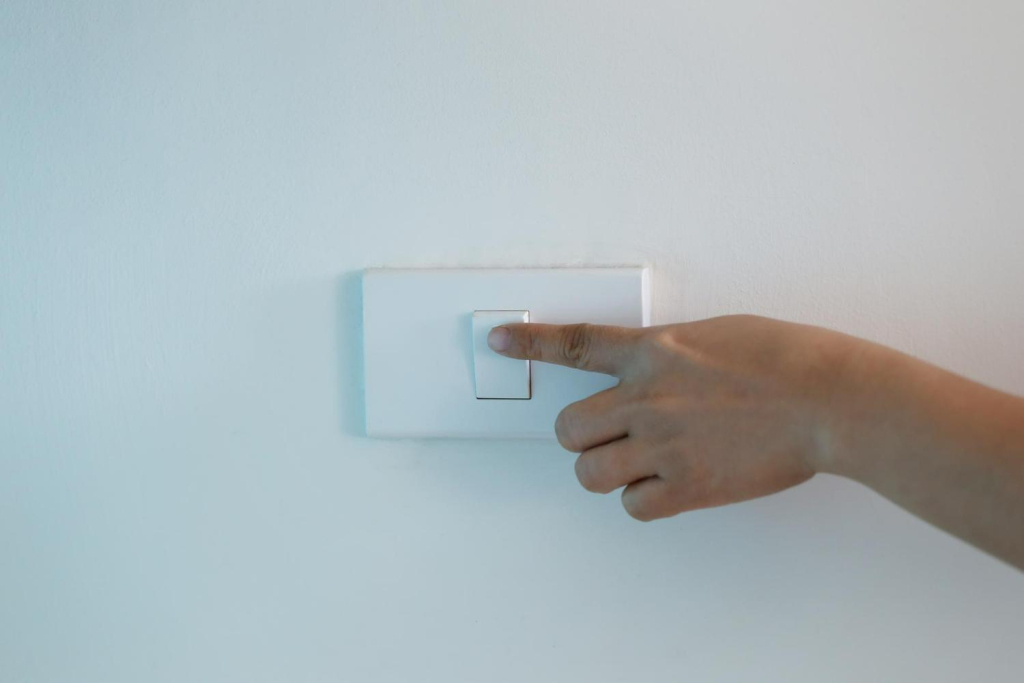
Earth Hour Inspires Kids to Take Other Environmental Actions
Although the event lasts for just one hour, the lessons can influence behavior long after the lights turn back on. Earth Hour makes it easier for parents and teachers to start conversations about sustainability and everyday environmental choices.
After participating in the year’s Earth Hour, families often explore other actions that support the environment. These may include planting trees, reducing waste, or finding ways to use less energy at home.
Teachers sometimes use the moment as a classroom lesson, encouraging students to think about how small habits can protect nature. Through projects, discussions, and activities, school communities continue the conversation about environmental responsibility.
Most importantly, kids learn that protecting the planet requires commitment. When young people develop this mindset early, they grow up with the motivation to stand for a healthier Earth.
Conclusion
Across the world, Earth Hour continues to remind people that caring for the planet is a shared responsibility. For the next generation, the value of the tradition goes beyond turning off the lights. It creates opportunities to learn, connect, and reflect on the importance of protecting planet Earth. Through small traditions at home, lessons in school, and conversations within the family, children develop a deeper respect for nature.
While the world may grow dark for a brief hour, the message of Earth Hour continues to shine long after the evening ends. By guiding young people to care for the environment, families help ensure that the earth remains a thriving home for generations to come.