




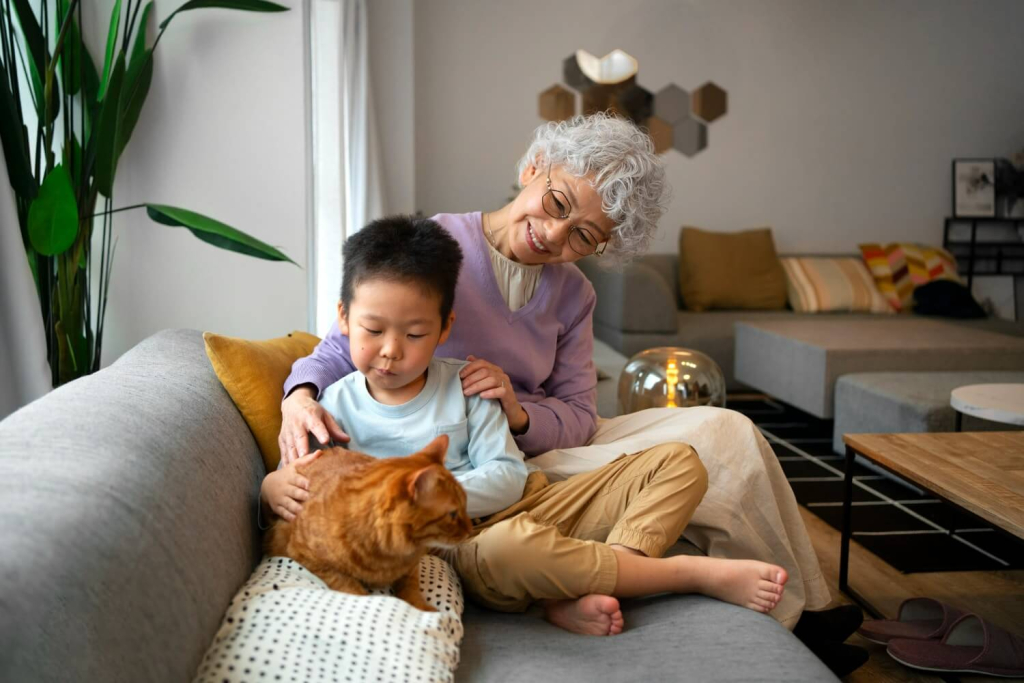
Image source: https://www.freepik.com/free-photo/front-view-happy-japanese-family-with-cat_45167668.htm
Teaching kids responsibility is one of the most important things parents will ever do. Responsibility shapes how children grow into adults.
Responsibility will help control how they make their own choices, handle consequences, build human relationships, and respond when mistakes happen. From school and friendships to future work and family life, responsible kids tend to develop stronger skills, higher self-esteem, and better mental health.
In a child’s life, learning responsibility early often leads to positive outcomes that last well into adulthood.
Raising Responsible Kids
Parents teach responsibility in many ways.
Young children can start with small steps like putting toys away in their room, making their bed, or packing their own lunches for school. As kids grow, they may learn to do their own laundry, manage time, or help siblings with simple tasks. These practices teach taking responsibility, respect, and control over daily routines.
Of course, teaching responsibility looks different depending on a child’s age, personality, and environment. Still, few things are as effective and meaningful as pet ownership when it comes to raising responsible kids.
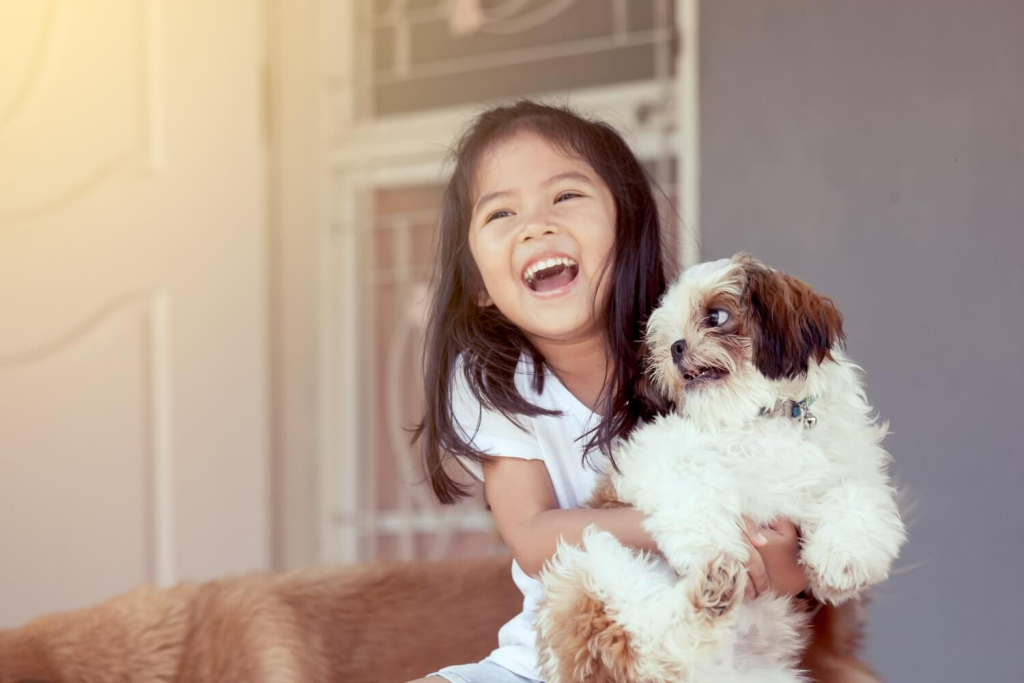
Teaching Kids Responsibility at Home
Before focusing on pet ownership, it helps to understand the many ways most parents already teach kids responsibility.
Some families use routines and chore charts, while others rely on frequent conversations about choices and consequences. Young children learn responsibility when parents allow them to make mistakes, avoid making excuses for them, and gently guide them toward better decisions.
Responsibility can be taught through schoolwork, where children learn to plan, finish tasks, and face results.
It can also be learned through relationships with friends, where empathy, respect, and communication matter. Even simple habits, like putting food away, keeping their room tidy, or showing up on time, build a sense of accountability and give children the chance to take responsibility. These everyday lessons help children feel prepared for life and aware of how their actions affect others.
Still, many parents find that adding a pet to the family offers a deeper, more emotional way to teach responsibility, one that connects daily actions with real-life consequences.
Why Pet Ownership Is a Tool in Teaching Responsibility
Pet ownership naturally places responsibility into a child’s daily routine.
Whether their companion animal is a dog or a cat, domestic animals rely on humans for food, care, and connection. Unlike toys or gadgets, pets are living beings with needs, emotions, and routines. This makes learning responsibility feel real, not theoretical.
When kids frequently help feed a pet, refill water bowls, clean litter boxes, or go on a walk with the dog, they quickly understand that their actions matter.
If feeding is forgotten, the pet goes hungry. If a walk is skipped, the dog has excess energy. These moments teach consequences in a gentle and positive, but powerful way.
Pet Ownership is a Helpful Practice for Connection
Pets also teach empathy and connection. Caring for animals helps children develop emotional awareness and respect for other living beings.
This connection and bond often carry over into human relationships, improving how kids interact with siblings, friends, mom, dad, and classmates.
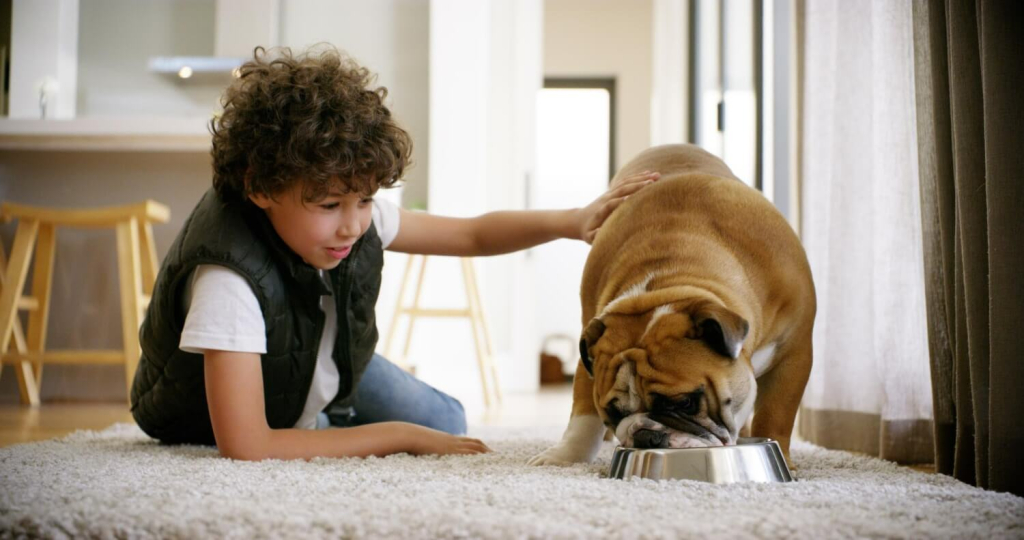
Matching Responsibilities to Your Child’s Age
The key to successfully teaching kids responsibility through pet ownership is matching tasks to a child’s age. Young kids can start small.
For instance, young children can help pour food into a bowl, brush a cat with supervision, or remind parents and other adults when it’s time for feeding. These tasks build confidence and motivation without overwhelming them.
As children grow older, they can take on more responsibility. Walking the dog, cleaning cages, scheduling feeding times, or helping plan vet visits encourages learning responsibility and organization.
Older kids may even help research pet care, learning how the environment, diet, and exercise affect animal health.
Parents should stay present and helpful, especially at the beginning. Teaching responsibility doesn’t mean removing guidance; it means practicing together until kids feel capable and confident.
Responsibility, Mental Health, and Self-Esteem
One often-overlooked benefit of pet ownership is its impact on mental health. Studies and real-life stories frequently show that animals help reduce anxiety and stress in both kids and adults. For children, having animal companions provides comfort, routine, and a sense of purpose.
When kids feel trusted to care for a pet, their self-esteem grows. They feel important, capable, and respected. This sense of responsibility can positively affect motivation at school and improve behavior and practices at home.
Pets also offer emotional connection, especially during challenging moments like family changes, the birth of a sibling, or social struggles with friends.
In many ways, caring for a pet teaches kids how to nurture relationships. Pet ownership isn’t just helpful for teaching responsibility; it also cultivates skills such as listening, responding, and being present.
These are skills that are essential throughout life at any age.
Turning Daily Care Into Life Lessons
Pet care opens doors for frequent conversations.
Parents can talk about why consistency matters, what happens if routines are ignored, and how responsibility connects to respect and love. When mistakes happen—and mistakes often will—it becomes an opportunity to teach rather than punish.
If a child forgets to feed the dog or clean the cat’s space, parents can talk about what happened, why it mattered, and how to fix it next time. Offer your children strategies to overcome these mistakes. For example, if they miss out on a walk or a feeding time, have them write down a schedule to follow.
These moments help kids learn accountability without fear, reinforcing positive learning experiences.
Over time, children begin to internalize these lessons. Responsibility becomes part of who they are, not just something they’re told to do.

A Pet-Friendly Home Makes All the Difference in Learning Responsibility
Of course, teaching kids responsibility through pet ownership works best in a home that supports family life and animals.
A safe, spacious house with outdoor areas makes it easier for kids to walk pets, play, and build routines together. A pet-friendly environment encourages connection, respect, and shared family responsibility.
You can get all the room you need and more at Camella.
Camella communities are designed with families in mind, offering pet-friendly spaces where children can grow, learn, and thrive. With open areas, walkable neighborhoods, and a welcoming environment, Camella homes create the ideal setting for raising responsible kids.
Teaching kids responsibility is an important thing, and pet ownership is one of the most meaningful ways to do it. In Camella, families can enjoy the benefits of pets, stronger relationships, and valuable life lessons in responsibility.