



Children in the Philippines are growing up more fluent in English than ever before, yet many parents have noticed that speaking Filipino no longer comes as naturally to the younger generation. While English plays an important role in school, media, and future career opportunities, the declining use of the Filipino language at home has raised concerns about how children connect with their families, traditions, and cultural identity.
But it’s not about choosing one language over another. Language shapes how children understand the people around them, express themselves, and connect with their experiences. Teaching Filipino language to kids gives them more than the ability to communicate. It helps them build stronger family relationships, appreciate Filipino culture, and develop confidence that supports learning throughout life. Whether children grow up in the Philippines or abroad, introducing Tagalog through everyday interactions creates meaningful opportunities to learn naturally while strengthening their sense of belonging.
Many parents wonder when children should learn Filipino alongside English or another new language. Research and the experiences of multilingual families suggest that early, consistent exposure is one of the most effective ways to build language skills. Rather than relying on occasional lessons, children benefit most when Filipino becomes part of their daily routines, conversations, and play.
Why learning Filipino begins at home
For many children, the first teachers are their parents, grandparents, siblings, and relatives. Home is where they hear their native language used in everyday situations, making it the ideal place to begin their language journey.
Heritage language learners often grow up hearing Filipino regional languages or Tagalog spoken around them. Many understand conversations but hesitate to speak because they worry about making mistakes or being compared with native speakers. Some even experience embarrassment when their pronunciation or grammar differs from that of fluent family members. Encouragement instead of criticism allows children to build confidence while developing their speaking abilities.
Parents should also remember that learning a heritage language is a long-term process. The desire to learn Filipino often grows stronger as children get older, especially when they begin asking questions about their family history, traditions, and identity. Supporting that curiosity early creates a stronger foundation for future learning.
Consistency matters more than perfection. Children do not necessarily need formal grammar lessons every day. Hearing and using Filipino regularly helps them absorb vocabulary, sentence patterns, and pronunciation naturally.
Everyday ways to teach Filipino naturally
Teaching Tagalog becomes much easier when it fits into activities children already enjoy. Instead of setting aside lengthy study sessions, parents can integrate Filipino language into ordinary routines throughout the day.
Simple conversations during breakfast, getting dressed, preparing for school, or bedtime create repeated opportunities to learn Tagalog words in context. Asking children what they want to eat, naming clothing, describing colors, or talking about the weather helps expand vocabulary without making learning feel like a classroom exercise.
Many families also find it helpful to establish a regular “Filipino time.” This could be fifteen or twenty minutes each day when everyone agrees to speak Filipino as much as possible. Short, consistent exposure is generally more effective than occasional long study sessions because children repeatedly practice familiar words and phrases.
Building vocabulary around themes also improves learning. One week may focus on food, another on family members, animals, or household objects. Grouping related words together helps children remember them more easily while making conversations more practical.
Above all, parents should create a supportive environment where children feel comfortable speaking. Correcting every mistake may discourage participation. Celebrating effort instead encourages kids to keep practicing, even when they are still developing pronunciation or Tagalog grammar.
Make the Tagalog learning journey enjoyable
Children learn best when lessons feel engaging. Turning language practice into enjoyable activities keeps motivation high while reinforcing new vocabulary.
Read storybooks
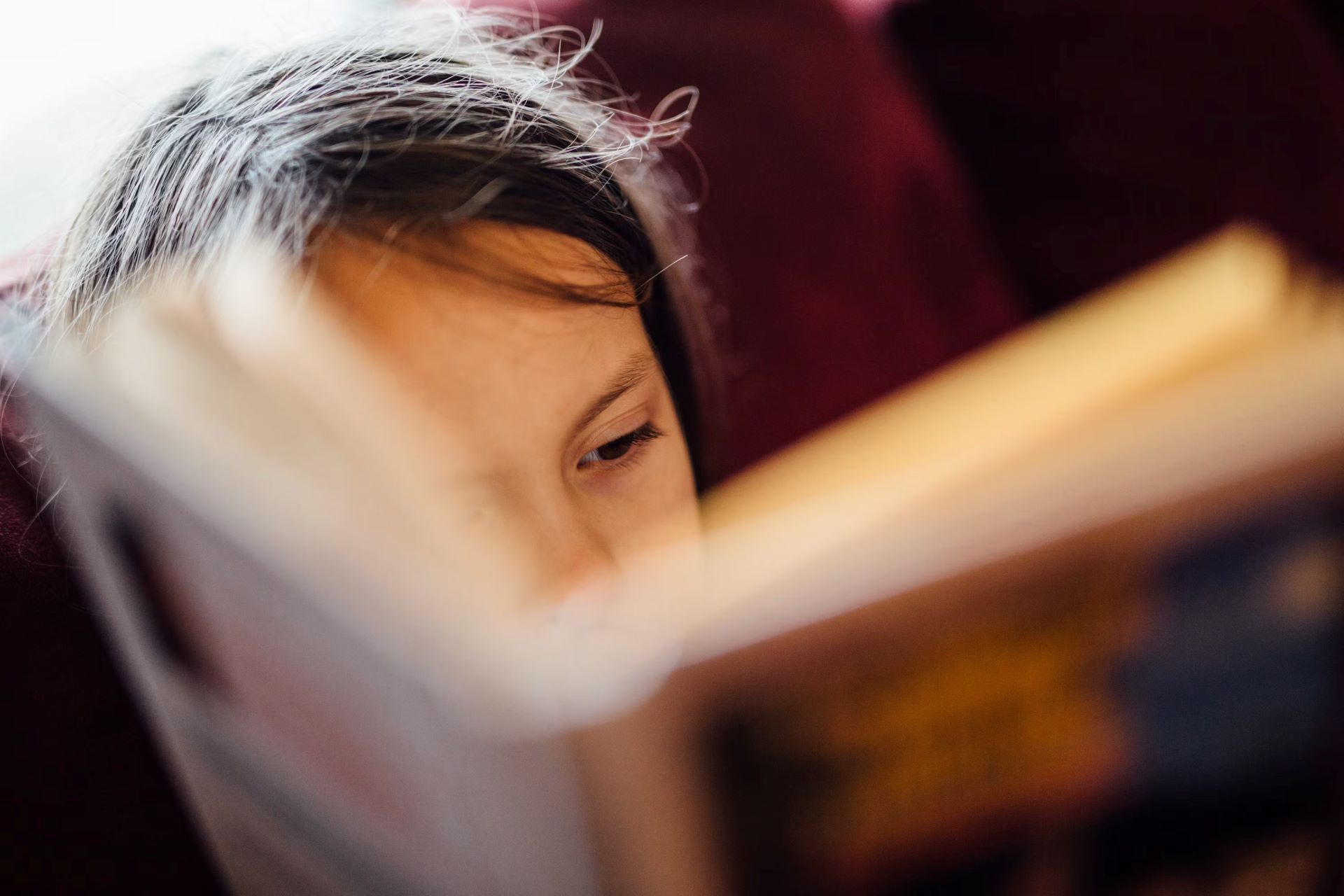
Reading Tagalog storybooks together remains one of the most effective ways to teach Filipino. Stories introduce new words naturally while creating valuable bonding time between parents and children. As children become familiar with repeated phrases, they begin recognizing sentence patterns and improving comprehension.
Listen to music
Music also plays an important role in language development. Listening to Tagalog songs and traditional Filipino music exposes children to rhythm, pronunciation, and vocabulary in memorable ways. Singing together allows learners to repeat words confidently while improving their listening skills.
Play games
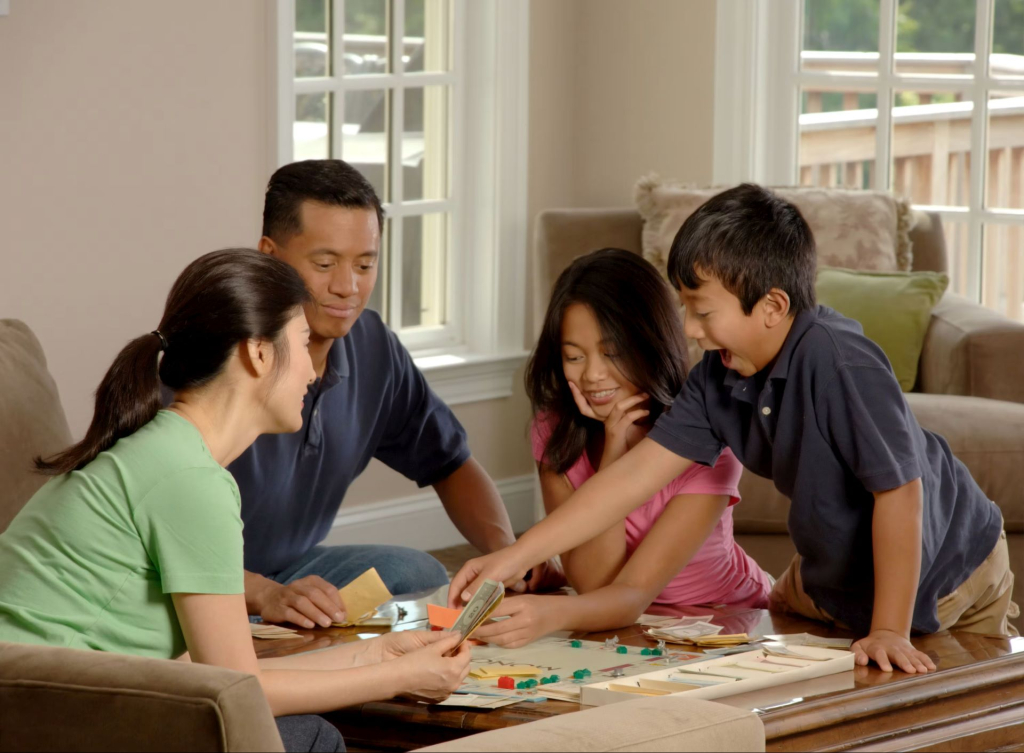
Games provide another effective learning tool. Flashcards can become matching games that reinforce vocabulary through repetition. Counting in Tagalog during board games or outdoor activities helps children practice numbers without feeling like they are studying. Puppets encourage storytelling, role-playing, and conversation, making Tagalog learning interactive for younger children.
Watch shows
Watching age-appropriate Filipino television programs and educational videos also improves listening comprehension. Children hear native speakers use natural expressions while seeing visual context that makes unfamiliar words easier to understand. Parents can pause videos to discuss new vocabulary or ask simple questions about what happened in the story.
Use interactive platforms
Today’s families also have access to many digital resources. Educational apps, YouTube channels, printable worksheets, and online stories can supplement home learning. Programs and apps also provide structured Tagalog lessons designed for children.
Supporting every child’s language journey
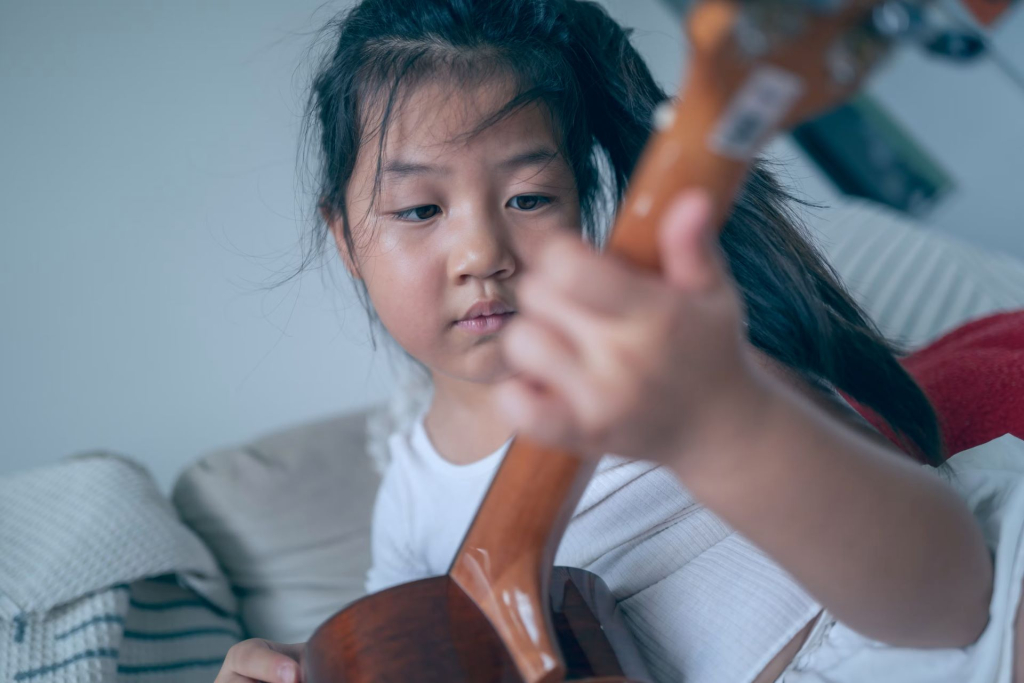
Every child’s path to learning Filipino is different. Some grow up surrounded by the language, while others hear it only during visits with relatives or family gatherings.
Parents should remember that bilingual development varies from child to child. It takes time to become fluent in any language, particularly when exposure is limited. Progress may seem gradual, but regular practice steadily builds vocabulary, comprehension, and confidence.
Some families choose to work with a teacher or enroll children in community classes where they can practice with other learners. Personalized instruction can also benefit children who need additional speaking practice. There are also online platforms that can connect learners with native Tagalog speakers for one-on-one lessons, with the company reporting that many learners progress significantly faster through personalized instruction than through self-study alone.
Learning with friends, cousins, or grandparents also creates valuable opportunities for conversation. Grandparents, in particular, often share stories, traditions, and expressions that children may not encounter in textbooks. These conversations make the language feel practical while preserving family history across generations.
Parents do not need to become language experts to support their children. Asking questions, practicing together, exploring other resources, and celebrating small milestones all contribute to a positive learning experience.
Raising children who stay connected to Filipino culture
Teaching Filipino is also about helping children understand the traditions, values, and stories that shape Filipino culture. Language provides context for celebrations, songs, literature, food, and family customs that may lose meaning through translation alone.
Traditional Tagalog songs, folktales, and stories introduce children to cultural experiences while expanding vocabulary. Family gatherings become opportunities to practice conversation with relatives and hear expressions commonly used by native speakers. These moments help children see language as part of everyday life instead of a separate school subject.
As children grow, speaking Filipino can also strengthen connections within their community. Whether talking with relatives, participating in cultural events, or making new friends, language helps them engage more confidently with people who share their heritage.
Learning Filipino also encourages children to appreciate linguistic diversity. They discover that every language carries its own history, ideas, and ways of expressing emotions. This broader perspective supports empathy, curiosity, and lifelong learning.

Creating a home where language grows
Teaching Filipino language to kids does not require perfect fluency or complicated lesson plans. Small, consistent moments of conversation, reading, singing, playing, and storytelling gradually become lasting habits that strengthen both language skills and family relationships.
Children who grow up hearing and speaking Filipino gain more than vocabulary and grammar. They develop confidence, preserve meaningful family connections, and build a deeper understanding of Filipino culture that can stay with them throughout life. With patience, encouragement, and daily practice, every family can create an environment where learning Filipino feels natural, enjoyable, and rewarding.