



Must-See Festivals in the Philippines and Their Importance
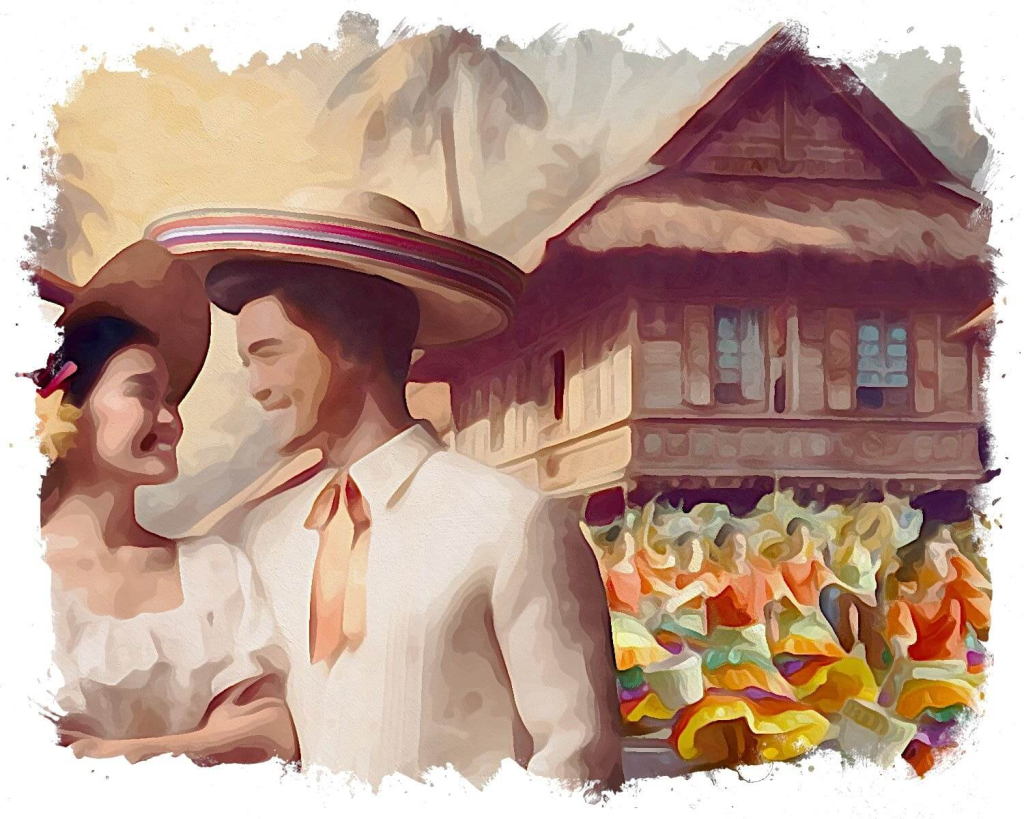
Every corner of the archipelago carries a piece of the nation’s soul, and nothing expresses that more vividly than festivals in the Philippines. Across the year, towns and cities erupt in music, color, devotion, craft, rich traditions, and community spirit. For many travelers planning their 2026 itineraries, Philippine festivals are not simply spectacles or just events. They are profound encounters with local culture, rich traditions, and the lived reality of Filipino culture.
The festival season stretches from January to December, each event presenting its own rhythm and story. Many of these celebrations trace their roots to indigenous people, religious traditions, early agricultural cycles, or historical events. Others emerged from community-driven artistic movements. What binds them together is their ability to draw people toward shared joy for these pasalamat festival – colorful festivals, traditional dances, beauty pageants, local cuisine, and vibrant culture.
Below is a guide to the best festivals to experience in 2026. Explore these cultural events with an open heart, knowing that each festival celebrates identity, resilience, faith, and the beauty of Filipino life.
Festivals in the Philippines: Early-Year Cultural Extravaganza
Sinulog Festival in Cebu City
Tentative Date: Third Sunday of January 2026
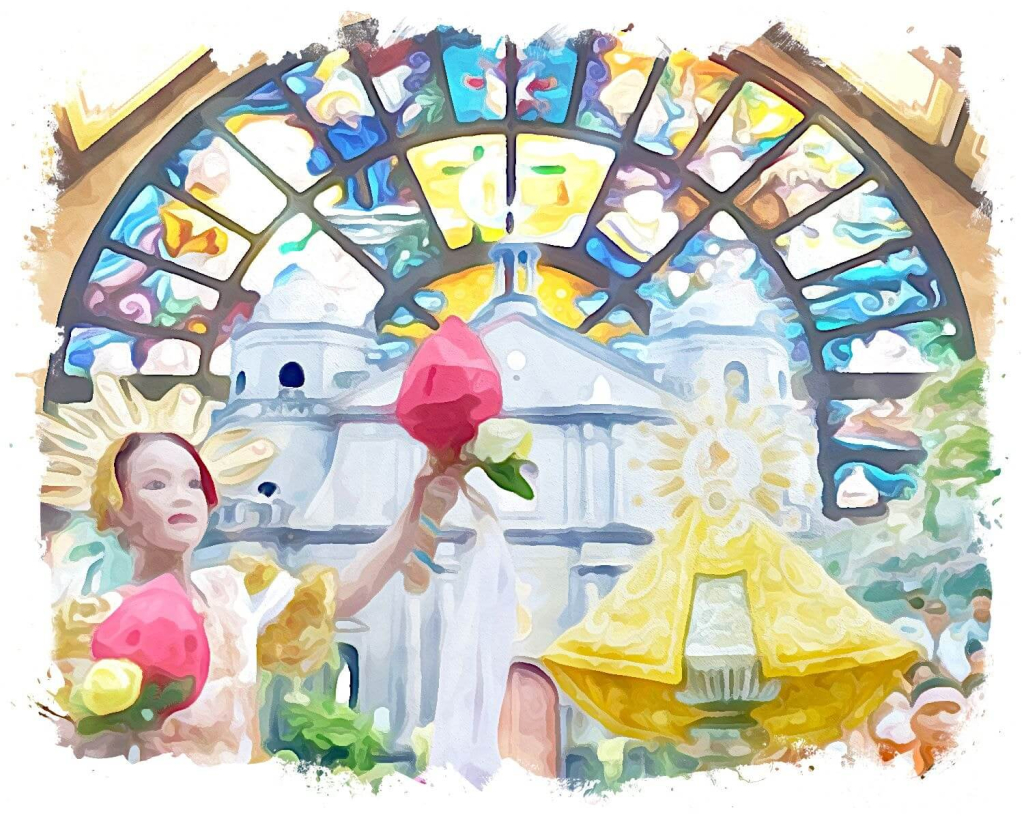
The Sinulog Festival remains one of the most famous festivals in the Philippines. Held annually in Cebu City, this annual festivity gathers millions of devotees and visitors for a grand celebration honoring the Santo Niño, recognized as the patron saint of Cebu. The festival showcases centuries-old religious traditions fused with dynamic cultural expressions that embody both faith and courageous heritage.
The celebration begins with a fluvial parade at dawn, where a decorated vessel carrying an image of the Virgin Mary and the Santo Niño is escorted along the channel. As the sun rises, devotees line the streets to witness solemn ceremonies followed by cultural events that set the tone for the activities ahead. Throughout the celebration, the energy intensifies as street dancing erupts across major roads. Dancers in colorful costumes move in patterns reminiscent of water flow, accompanied by drums, trumpets, and lively music that echo throughout the city’s districts.
The Sinulog Grand Parade, the festival’s biggest attraction, draws contingents from across the Philippines. It merges choreography, props, local crafts, dance parades, street performances, and cultural presentations into one sweeping cultural extravaganza that reflects the community’s creativity. While the crowds swell, food stalls selling local dishes and local delicacies provide sustenance to visitors navigating the parade routes. For practical navigation, people often plan travel routes early — and if you live in a township on the outskirts of the city center, such as Camella Riverfront in Cebu City, you may enjoy more flexible access depending on traffic conditions and road closures.
The festival celebrates devotion, artistry, and rich cultural heritage. The blend of faith-driven rituals and community-driven artistic displays shapes a memorable start to the festival season and sets the tone for the rest of the year’s cultural offerings.
Ati Atihan Festival
Tentative Date: Third Sunday of January 2026
The Ati Atihan Festival in Kalibo, Aklan, is often described as the “grandfather” of many local festivals. The name comes from the indigenous people known as the Ati. The festival showcases ancient tradition, lively music, colorful street dancing, and a spirited atmosphere that merges religious traditions with communal expression. Much like other major cultural events in January, Ati Atihan is celebrated annually in gratitude to the Santo Niño while honoring the community’s ancestral roots.
Participants paint their faces with soot and wear tribal-inspired attire as they join street parties and dance within the town center. This dance parade — known locally as “Sadsad” — involves rhythmic foot stomping and gestures that echo pre-colonial movements. The festival highlights unity, bold artistic identity, and local culture through performances and rituals that have been passed down for generations.
With its deep cultural heritage and powerful choreography, the Ati Atihan Festival remains one of the best festivals for travelers seeking authenticity woven into tradition.
Dinagyang Festival
Tentative Date: Fourth Sunday of January 2026
Dinagyang Festival in Iloilo City is another cornerstone of January celebrations. Rich culture, indigenous influences, and modern choreography converge during this high-energy annual festivity. The event features tribal warriors in striking costumes, synchronized dance movements, and drumbeats that reverberate through the streets during the grand parade.
The festival features intensely choreographed routines, dramatic props, local artisans’ craftsmanship, and staging techniques that set it apart from other Philippine festivals. Cultural performances and dance presentations unfold across judging areas, showcasing the artistry and devotion of local communities. The festival celebrates the relationship between the city’s early settlers and indigenous communities through theatrical retellings presented during the dance parade.
Dinagyang Festival represents a seamless blend of devotion, street dancing, and contemporary cultural creativity — a celebration that many consider one of the best festivals in the archipelago.
Festivals in the Philippines: Mid-Year Blooms, Bounty, and Local Traditions
Moriones Festival
Tentative Date: Holy Week 2026 (Late March to Early April)
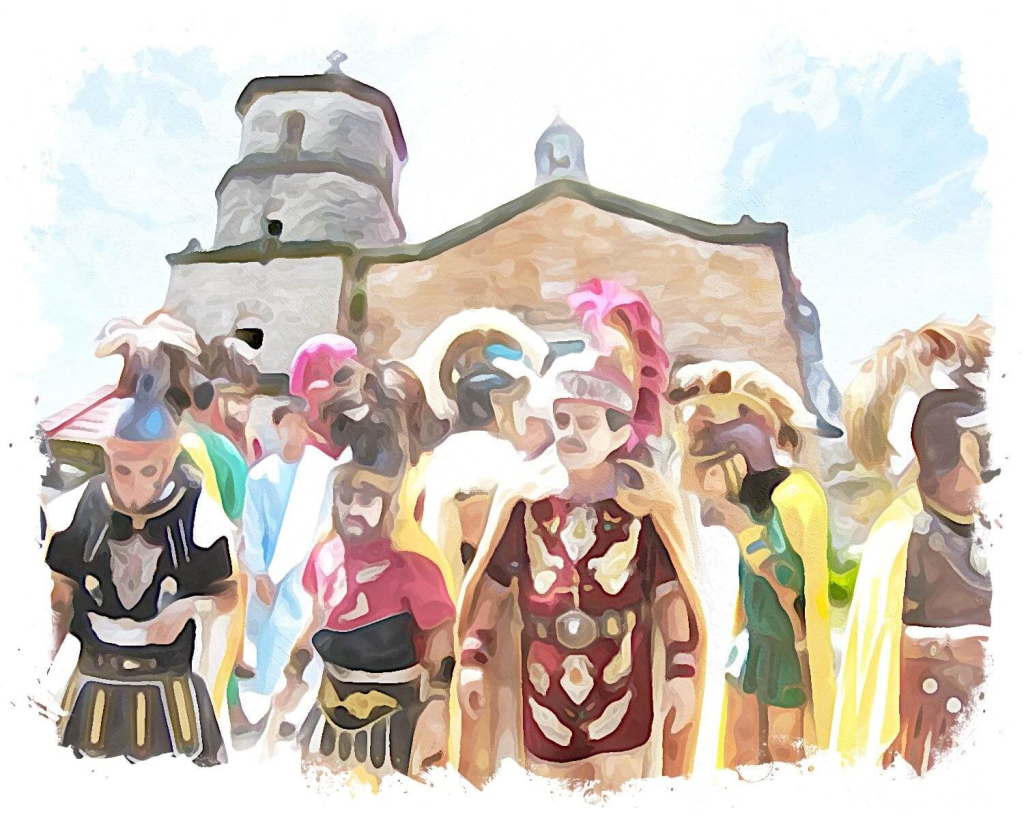
Moriones Festival in Marinduque transforms towns into open-air theaters during Holy Week. Participants dress as Roman soldiers wearing carved masks, helmets, and armor. The characters roam the streets reenacting the biblical story of Longinus. This festival honors themes of repentance, conversion, and spiritual renewal, reflecting the community’s deep religious traditions.
The event blends storytelling, cultural heritage, and sculptural artistry produced by local artisans. Every year, colorful costumes and dramatic interactions between characters captivate onlookers. It is one of the most famous festivals rooted in Catholic devotion, commemorating an ancient tradition that has survived through centuries. Even though solemn in tone, Moriones remains one of the colorful festivals showcasing how faith and creativity coexist in Filipino culture.
Panagbenga Festival in Baguio City
Tentative Date: February 2026
In Baguio City, the Panagbenga Festival — known nationwide as the iconic flower festival — celebrates renewal, resilience, and nature’s beauty. Held as a month-long celebration marked by cool air and blooming landscapes, Panagbenga brings together residents, artists, gardeners, local crafts producers, and visitors for a vibrant cultural display.
The grand float parade dazzles audiences with elaborate floats covered in thousands of blooms. These flower-covered spectacles reflect the community’s creativity and dedication to preserving local traditions. Street dancing inspired by indigenous Cordilleran movements complements the float parade, creating a harmonious blend of regional identity and cultural presentations.
At the fairgrounds, food stalls and trade spaces showcase local dishes, local delicacies, and artisan crafts — supporting the local economy. Panagbenga Festival presents festival highlights across multiple weekends, offering flexibility for those exploring the city’s parks, markets, and surrounding attractions.
Pahiyas Festival
Fixed Date: May 15, 2026
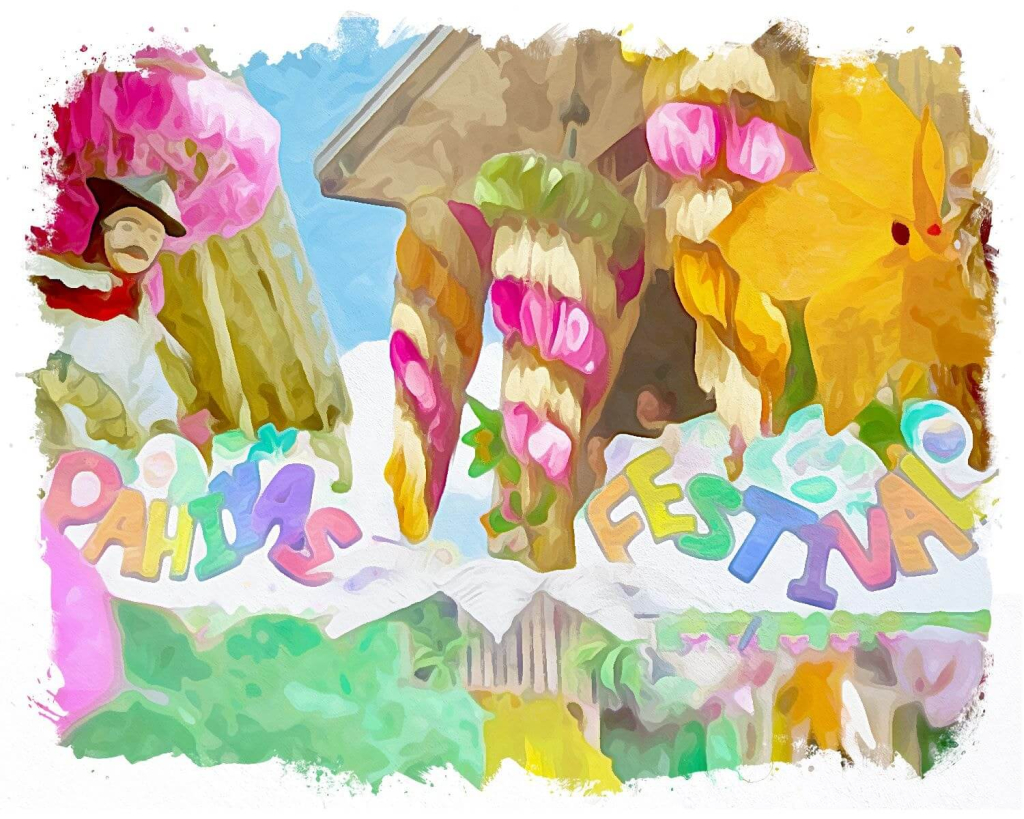
Among the most visually striking Philippine festivals, the Pahiyas Festival in Lucban, Quezon, celebrates a bountiful harvest through colorful decorations that transform homes into masterpieces of agricultural art. Each household participates by embellishing façades with kiping (leaf-shaped rice wafers), vegetables, fruits, and local crafts arranged in elaborate patterns.
This festival celebrates gratitude to San Isidro Labrador, the patron saint of farmers. The result is a colorful celebration that draws thousands of visitors each year. Local delicacies such as pancit habhab and traditional dishes contribute to the festive mood, while food fairs bring together culinary talents from across the region.
The Pahiyas Festival is a powerful expression of community identity, creativity, and rich cultural heritage — an authentic showcase of local traditions built on respect for land and livelihood.
Kadayawan Festival
Tentative Date: Third Week of August 2026
The Kadayawan Festival in Davao City is a week-long celebration honoring life, nature’s gifts, and the vibrant culture of the region’s ethnic groups. Known for its colorful celebration and floral abundance, the festival features dance performances inspired by indigenous people, cultural presentations, and parade events that spotlight the city’s rich cultural heritage.
Performers dressed in colorful costumes highlight agricultural cycles and biodiversity unique to Mindanao. Local festivals within the city also contribute to the atmosphere, offering local cuisine, fruit markets, and food stalls filled with delicacies like durian, marang, and fresh seafood.
Kadayawan Festival remains one of the most famous festivals for travelers seeking encounters with cultural diversity, artistic expression, and natural abundance.
Festivals in the Philippines: Late-Year Best Festivals and Regional Color
MassKara Festival
Tentative Date: Fourth Sunday of October 2026
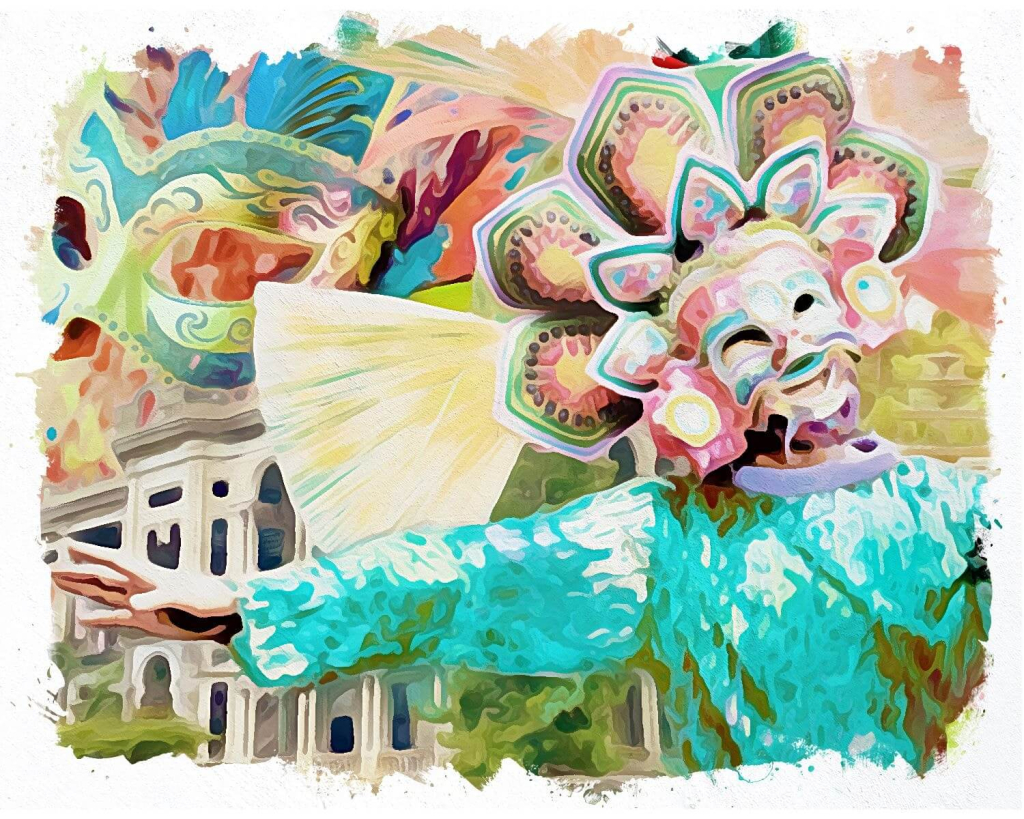
MassKara Festival in Bacolod City is a grand celebration of joy and resilience. Known for its iconic smiling masks, this cultural extravaganza features street dancing, street parade performances, and lively music that fill the city with color and energy.
Dancers wearing vibrant, feathered, and beaded masks display community spirit through expressive choreography. Food stalls and local restaurants serve local dishes and local delicacies that reflect the region’s culinary reputation. The festival showcases the creativity of local artisans who craft the elaborate masks and costumes seen throughout the celebration.
MassKara Festival is one of the best festivals to experience in the later part of the year, balancing artistry, positivity, and cultural identity.
Other Festivals Worth Discovering
Beyond the nationally recognized celebrations, there are other festivals that enrich the country’s cultural landscape and highlight regional identity.
Obando Fertility Rites — Obando, Bulacan (May 17–19)
This festival combines dance, devotion, and prayer as participants perform traditional dances to seek blessings for marriage, fertility, and family life. It features street dancing, cultural events, and local traditions tied to the veneration of saints, including those associated with the Virgin Mary.
Higantes Festival — Angono, Rizal (November 23)
Known for its giant papier-mâché figures carried through the town, this festival showcases local artisans and their craftsmanship. Street performances, dance parades, and cultural presentations highlight Angono’s heritage as the “Art Capital of the Philippines.”
Paru-Paro Festival — Dasmariñas, Cavite (November)
A colorful celebration featuring butterfly-inspired costumes, dance performances, and street parades. The festival honors the city’s identity and includes food fairs, local crafts, and community-driven cultural events.
These other festivals, though not always listed among the most famous festivals, reflect rich culture and strong regional pride. They offer travelers chances to witness events that define community identity and are celebrated annually across different parts of the country.
Conclusion: Celebrating Filipino Culture Through the Best Festivals of 2026
Across islands and seasons, the Philippines offers festivals that breathe life into tradition, artistry, and devotion. From the powerful rhythms of the Sinulog Festival in Cebu City to the floral beauty of the Panagbenga Festival in Baguio City, from the bountiful harvest celebrations of the Pahiyas Festival to the colorful celebration of the MassKara Festival, each event reveals the essence of Filipino culture.
These festivals in the Philippines embody rich cultural heritage, community spirit, and the resilience that defines the nation. As 2026 unfolds, travelers and locals alike are invited to experience vibrant culture firsthand — through street dancing, colorful costumes, local cuisine, traditional dances, local crafts, cultural performances, and grand celebration after grand celebration.
To follow the festival season is to witness the heart of the Philippines — alive, expressive, and profoundly welcoming.