




For many Filipino families with three or more generations living under one roof, home is not just extra bedrooms to sleep in. It’s where grandparents help raise grandchildren, where adult generations share meals after long workdays, and where family bonds are strengthened.
As we move into 2026, multigenerational homes are back in the conversation. Not because families are choosing it for the first time, but because modern lifestyles, changing family needs, and today’s housing realities now require more intentional design.
Gone are the days of simple compromises or makeshift solutions. Instead, modern multigenerational living setups reflect thoughtful planning, designing flexible layouts and floor plans, and incorporating elements with a clearer focus on the balance between togetherness and personal space, and tradition and modern living.
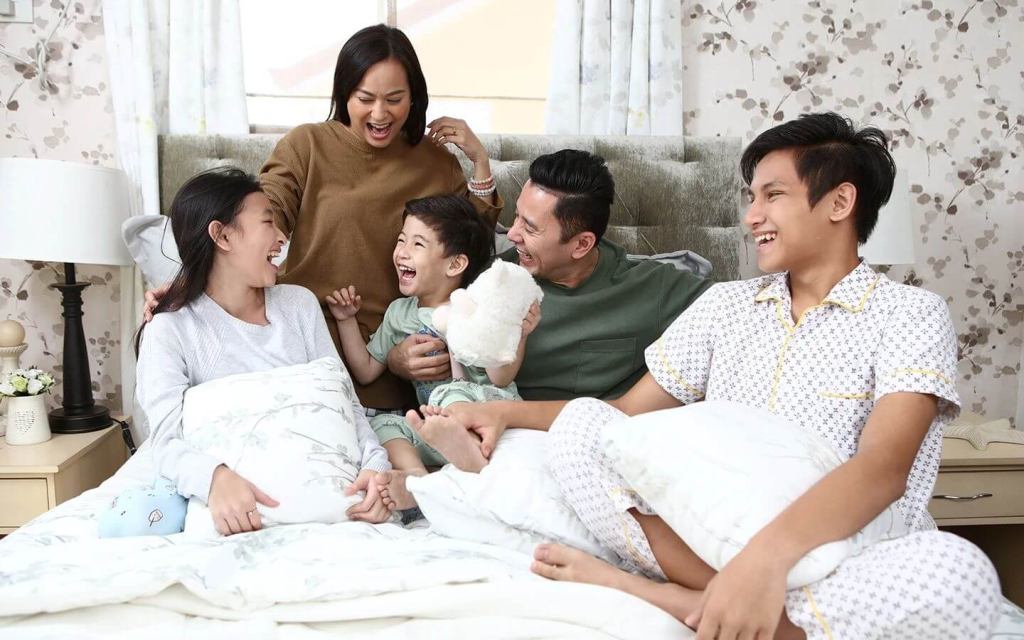
Why multigenerational living is gaining popularity
Multigenerational living has long been part of Filipino culture, but it’s now gaining popularity for reasons that go beyond tradition. Rising living costs, shared expenses, and the desire to reduce financial burden are encouraging more families to live under the same roof. For many, it’s a practical solution that allows multiple family members to pool resources and maintain stability.
At the same time, modern families are placing greater value on stronger family bonds and quality time. Having elderly parents, young adults, and children in one home creates a built-in support system/ There’s someone to help with childcare and someone to look after aging parents. This creates a shared rhythm of daily life that strengthens family living.
As family dynamics shift and more families rethink what having your own home means, multigenerational households are becoming less of a fallback option and more of an intentional choice.
Considerations for multi-generational living
Living with extended family members requires more than goodwill. It also needs an understanding of how different age groups live, rest, and recharge within the same space.
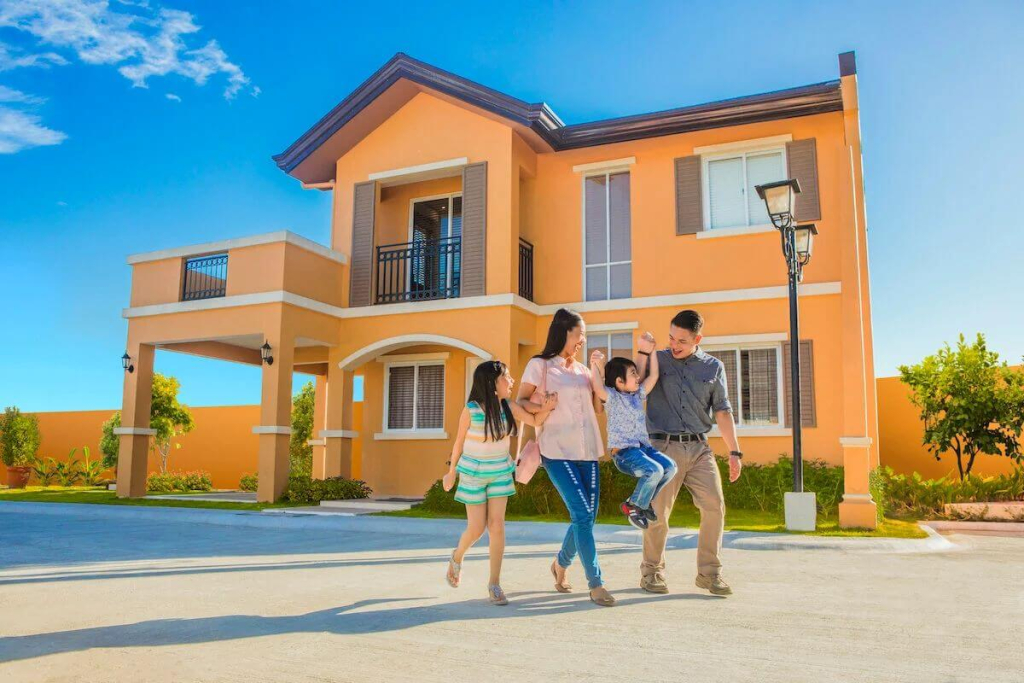
Design for different age groups under one home
A multi-generational living setup often includes elderly parents or older adults who value safety and accessibility, alongside young adults who seek independence and privacy. Children, meanwhile, need room to play and grow. Balancing these needs means recognizing that each age group experiences the home differently.
For aging parents and elderly family members, comfort, ease of movement, and proximity to shared areas matter. Young adults, on the other hand, may want a sense of ownership over their living spaces. Ideally, it should be a space where they can retreat, work, or unwind without feeling constantly observed. These overlapping needs are the foundations of modern multi-gen living spaces.
Privacy, independence, and togetherness
One of the biggest misconceptions about extended family living is that it’s simply about adding extra bedrooms. In reality, successful multigenerational homes carefully manage personal space and shared living spaces.
Private spaces allow each family member to decompress, while shared spaces, like living rooms and dining areas, support family living and daily interaction. When designed well, these zones help in creating harmony, reducing friction, and respecting individual routines within a shared home.
Key design principles when designing multigenerational homes
As multigenerational home design trends continue evolving, certain key design principles are emerging as essential for long-term comfort and adaptability.
Aim for flexible layouts that adapt over time
Families change in number and in needs, and homes should be able to change with them. Flexible layouts allow rooms to serve multiple purposes as family needs evolve. For instance, today’s guest room may become a home office, while a playroom could later transform into a bedroom for older adults.
Modular furniture supports this adaptability, too. It allows living spaces to be reconfigured without major renovations. Thoughtfully-planned floor plans also make better use of square footage as they ensure no area feels wasted or overly cramped. This future-proof approach helps families stay in the same home longer, even as circumstances shift.
Create separate yet connected living areas
Privacy is often the deciding factor in whether multi-generational homes work well. Modern designs now prioritize separate living spaces or separate living areas within the same structure. These may include secondary living rooms, small lounges, or even quiet nooks that function as personal retreats.
In some cases, a separate entrance or private entrances provide elderly parents or adult generations with greater independence, especially when daily schedules differ. These design choices allow family members to live together without feeling like they’re constantly in each other’s way.
Practical layout features that support multi-generational homes
Beyond overall concepts, the success of a multi-generational house often comes down to specific layout features that address daily life.
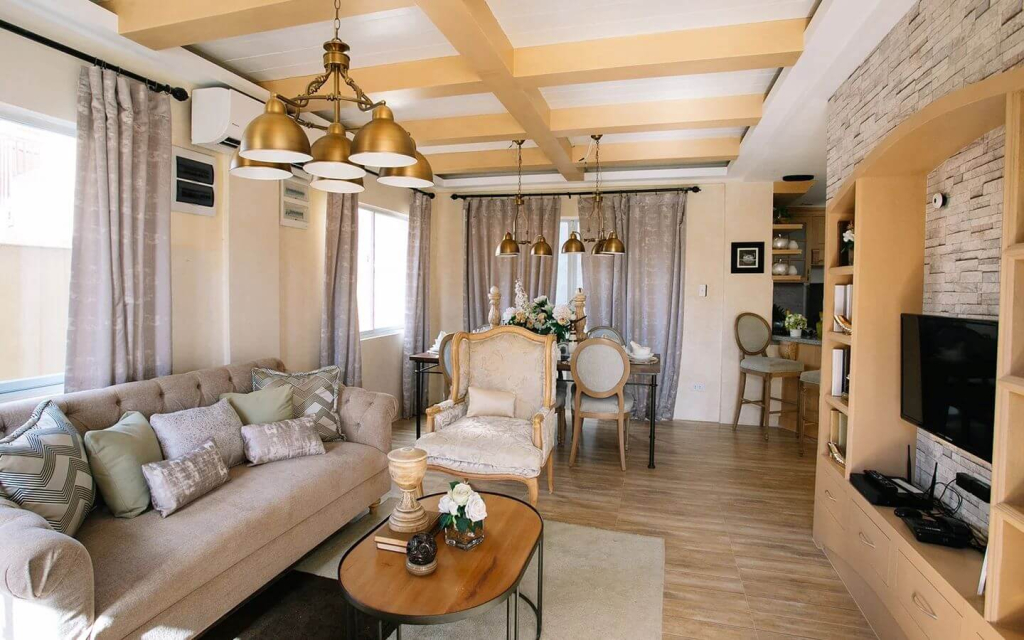
Bedrooms, bathrooms, and personal retreats
One of the most sought-after features in multi-generational house plans is the presence of dual primary suites. This setup allows different adult generations to enjoy comparable comfort and privacy. Having an own bathroom or private bath is particularly important for elderly family members, supporting dignity and ease of use.
A guest room also plays a valuable role, doubling as a flexible space for visiting relatives, caregivers, or even as a personal retreat when needed. These rooms help the whole family adjust to changing living arrangements without major disruptions.
Shared areas that bring families together
While privacy matters, shared living spaces remain the heart of multigenerational homes. Dining areas that accommodate family meals encourage daily connection, even during busy weeks. Living rooms become communal zones for conversation, entertainment, and rest.
Outdoor spaces are also gaining attention. A covered patio, garden, or simple outdoor living area offers neutral ground where different age groups can relax together. These outdoor spaces provide breathing room within the home and support casual bonding moments that strengthen family bonds over time.
Universal design principles for aging in place
As families plan for long-term living, universal design principles are becoming central to multigenerational home design.
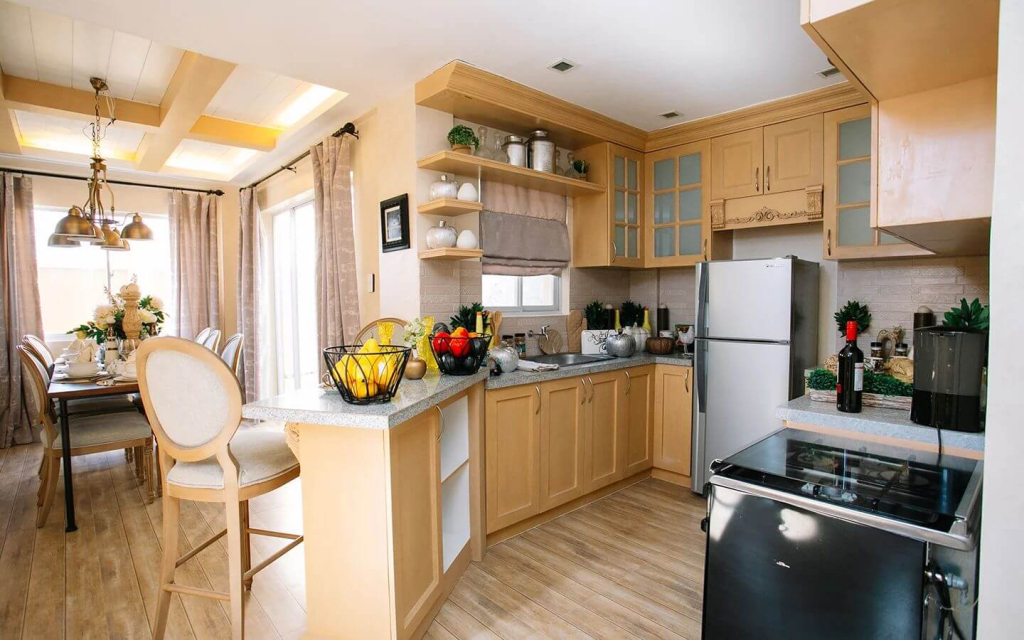
Accessibility features that blend into everyday design
Universal design focuses on making homes usable for everyone, regardless of age or mobility. Universal design features such as walk-in showers, grab bars, wide doorways, and non-slip flooring are increasingly incorporated from the start rather than added later.
These accessibility features support aging in place, allowing elderly parents to move safely through the home without making the space feel clinical or institutional. When integrated thoughtfully, universal design enhances comfort for all family members, not just older adults.
Safety, comfort, and smart planning
Beyond physical design, integrating technology plays a growing role in modern multi-gen home planning. Smart lighting, security systems, and monitoring tools can improve safety while offering peace of mind to the whole family.
Ample storage is another practical concern. Multigenerational households naturally accumulate more belongings, so well-planned storage solutions help keep shared spaces organized and functional. Efficient use of square footage ensures the home remains comfortable, even with multiple family members living together.
Creating harmony in shared Filipino homes
At its core, a successful multigenerational home begins with a thoughtful design process rooted in open family conversations. Understanding routines, preferences, and long-term plans helps create spaces that genuinely support everyday life.
When homes are designed to adapt to real family needs, they create spaces where stronger family bonds can grow naturally. It’s no surprise that multigenerational living continues gaining popularity, especially among families who see their home as a long-term investment in connection, stability, and shared future.
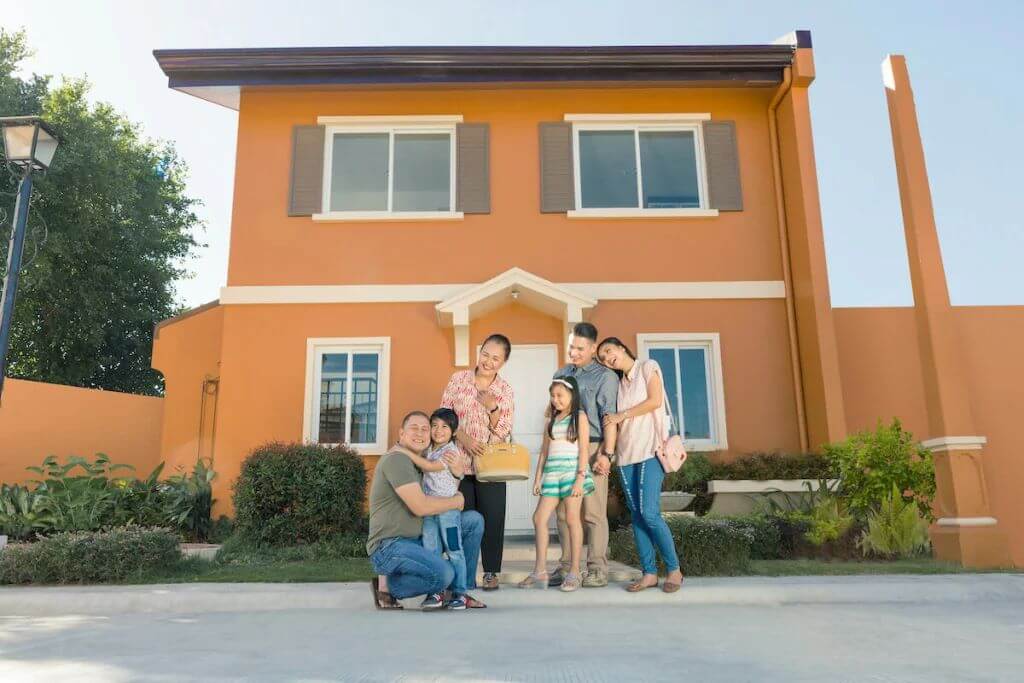
The future of modern living
As Filipino households adapt to modern realities, multigenerational homes are being reimagined with intention and care. Through flexible layouts, well-planned private and shared spaces, and universal design, families can live together comfortably while honoring each generation’s needs. The evolved Filipino home proves that shared living, when designed well, can support independence, togetherness, and lasting family connections.
Explore thoughtfully designed homes by Camella, created to support evolving family needs and where space and comfort come together for modern Filipino multi-generational living.